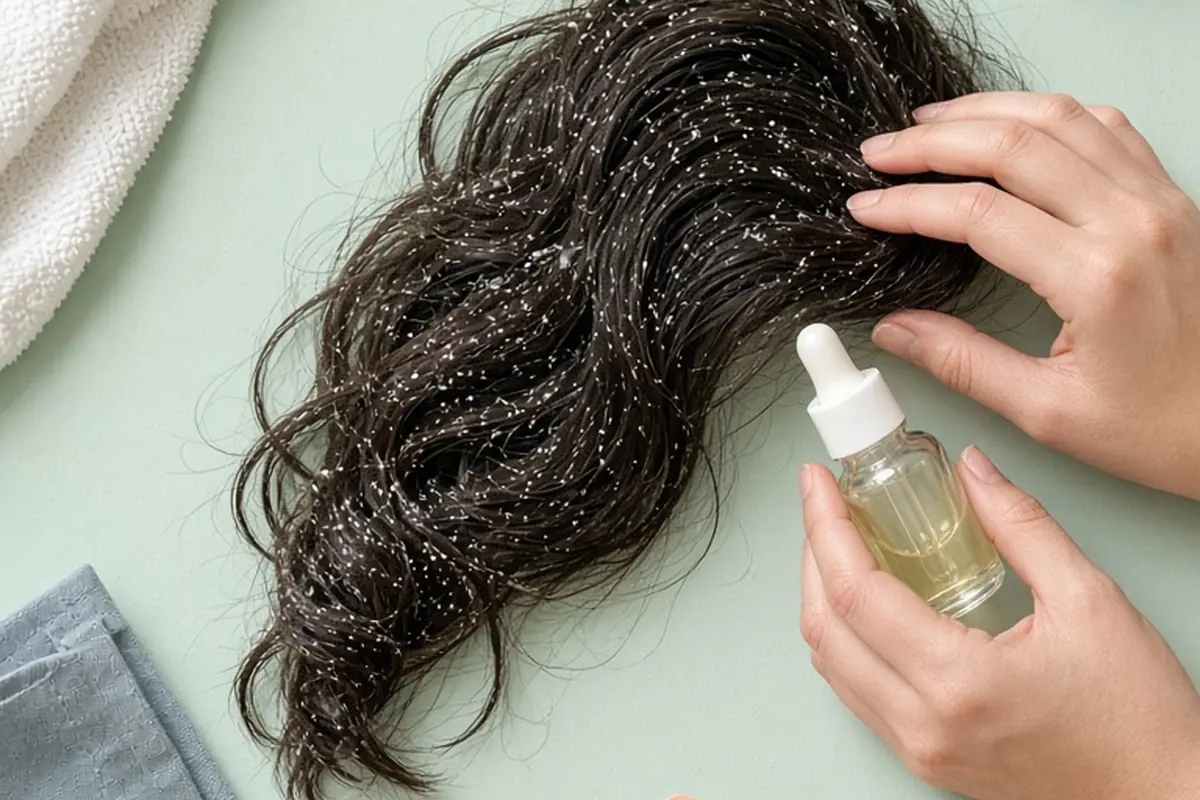
Caring for a dry scalp requires restoring the skin barrier while protecting follicle health. Use lukewarm water and switch to a sulfate-free, hydrating shampoo containing humectants like glycerin, panthenol, or hyaluronic acid. Wash only as frequently as needed to avoid stripping natural sebum, apply lightweight scalp serums or non-comedogenic oils before cleansing, and avoid direct high heat during styling. Consistent barrier hydration reduces itching, prevents premature hair breakage, and supports healthy follicle function.
When your scalp loses essential moisture, the effects quickly extend beyond mild itchiness and tightness. A compromised scalp barrier can lead to brittle roots, dull strands, and persistent shedding if irritation disrupts the normal hair growth cycle.
Distinguishing Dry Scalp from Dandruff and Flaking Conditions
Before changing your hair care routine, it is critical to determine whether your discomfort stems from simple dehydration or an underlying skin condition. A dry scalp occurs when the skin lacks sufficient moisture, natural sebum, or barrier lipids. The resulting flakes are typically small, dry, and white, easily drifting off the hair like dust. This condition is often accompanied by a sensation of tightness, especially immediately after washing, and tends to worsen during cold, dry weather or in environments with forced-air heating.
In contrast, dandruff and seborrheic dermatitis are usually driven by an overgrowth of Malassezia yeast feeding on excess sebum, which triggers rapid skin cell turnover. Flakes associated with dandruff are generally larger, greasy, yellowish, and tend to stick to the scalp surface and hair shafts. Treating a dry scalp with harsh, clarifying anti-dandruff shampoos containing active ingredients like zinc pyrithione or selenium sulfide can strip remaining lipids, worsening dehydration and intensifying skin sensitivity.
If you notice localized thick plaques, persistent silver scaling, intense swelling, or weeping sores, you may be dealing with scalp psoriasis or eczema rather than everyday dryness. Correctly identifying dryness allows you to focus on barrier replenishment rather than aggressive microbial control, saving your hair from unnecessary chemical stress.
Adjusting Wash Frequency and Water Temperature for Scalp Health
Frequent washing with hot water is one of the most common causes of scalp barrier breakdown. Hot water dissolves natural protective lipids on the skin surface much like hot water cleans grease from a pan, leaving the epidermis exposed and unable to retain moisture. Over time, this leads to transepidermal water loss, causing the scalp to feel tight, itchy, and irritated within hours of leaving the shower.
To preserve the skin barrier, adjust your water temperature to lukewarm throughout the wash and finish with a cool rinse. Lower temperatures keep the outer cuticle of the hair shaft smooth while preventing the scalp skin from losing its essential moisture mantle. When lathering, use the soft pads of your fingertips rather than your fingernails, massaging in slow, circular motions to stimulate circulation without scratching or causing micro-tears in delicate skin.
Your wash frequency should align with your hair texture, sebum production, and lifestyle rather than a rigid daily schedule. Fine or straight hair may tolerate washing every two to three days, while thicker, coily, or coarse hair textures often thrive when washed once weekly or every five to seven days. If your scalp feels parched between washes, rinsing thoroughly with water alone or using a gentle conditioning rinse can refresh your hair without stripping moisture.
Selecting Hydrating Ingredients and Gentle Cleansing Formulations
Cleanser selection directly influences your scalp's recovery rate. Standard clarifying shampoos frequently rely on strong sulfates, such as sodium lauryl sulfate, which strip away dirt alongside the essential ceramides and fatty acids that hold your skin cells together. When shopping for products, look for mild, sulfate-free cleansers that use gentle surfactants such as coco-glucoside, decyl glucoside, or sodium cocoyl isethionate.
Examine ingredient lists for proven humectants, emollients, and soothing agents. Humectants like glycerin, hyaluronic acid, aloe vera, and panthenol (provitamin B5) draw ambient moisture directly into the upper layers of the scalp skin. Emollients and barrier-supporting agents like squalane, colloidal oatmeal, and ceramides help seal microscopic gaps in the stratum corneum, locking in hydration and shielding sensitive nerve endings from irritation.
Be cautious with heavy fragrances, drying alcohols (such as alcohol denat or isopropyl alcohol), and intense essential oil blends. While botanical extracts can offer pleasing scents, high concentrations of peppermint, citrus, or tea tree oil can cause contact dermatitis on already compromised scalp tissue. Opt for fragrance-free or hypoallergenic formulas whenever possible while your barrier repairs.
Using Pre-Wash Oils and Lightweight Leave-In Scalp Treatments
Pre-wash oil treatments provide a protective lipid shield that minimizes moisture depletion during cleansing. Applying a lightweight, plant-based oil twenty to thirty minutes before entering the shower prevents shampoo surfactants from penetrating too deeply into the upper layers of the scalp skin. Jojoba oil is particularly effective for this step because its molecular structure closely mimics natural human sebum, allowing it to soften rough patches without leaving heavy buildup.
Argan oil, sweet almond oil, and squalane are also well suited for pre-wash nourishment. To apply, divide your hair into four or five sections and apply a few drops along each exposed part line. Work the oil gently into the scalp using light fingertip pressure. Avoid applying heavy butters, such as unrefined shea butter or pure coconut oil, directly to the scalp if you have fine hair or are prone to folliculitis, as dense occlusives can trap dead cells in hair follicles.
For daily or between-wash maintenance, water-based leave-in serums and scalp tonics are often superior to pure oils. A serum formulated with hyaluronic acid, niacinamide, or betaine delivers immediate hydration to the skin without coating the hair strands in grease. Apply leave-in serums to damp or towel-dried scalp tissue after showering so the humectants can bind to the residual moisture on your skin.
Modifying Heat Styling Habits and Managing Environmental Stress
Direct thermal exposure from styling tools strips moisture from both the hair fiber and the scalp skin underneath. Holding a blow dryer on high heat close to your roots essentially bakes the skin surface, accelerating moisture loss and triggering reactive dryness. Whenever possible, allow your hair to air dry partially before using a dryer on the lowest heat setting, keeping the nozzle at least six inches away from your head.
When using styling tools like diffusers or bonnet dryers, keep the airflow moving continuously rather than focusing concentrated heat on one area. If you regularly use curling irons or flat irons near the base of your hair, ensure you apply a lightweight thermal protectant to the strands while avoiding heavy chemical buildup directly on the scalp surface.
Environmental factors also play a major role in scalp hydration. Cold winter winds and low indoor humidity caused by central heating rapidly draw water from exposed skin. Using a cool-mist humidifier in your bedroom during winter can significantly reduce overnight scalp tightness. In sunny conditions, wear a breathable, wide-brimmed cotton hat or use UV-protective hair mists to shield your scalp part from sun damage and subsequent peeling.
Supporting Scalp Barrier Integrity Through Nutrition and Daily Habits
While topical treatments provide immediate relief, the long-term resilience of your scalp relies on systemic hydration and nutrient availability. The cells responsible for building new skin layers and hair fibers require adequate water and essential fatty acids to form robust, moisture-retaining lipid barriers. Consistently low daily water intake can manifest as dull hair, sluggish skin cell turnover, and widespread dryness.
Incorporate balanced dietary sources of omega-3 and omega-6 fatty acids, such as ground flaxseeds, chia seeds, walnuts, wild-caught salmon, and avocados. These fatty acids contribute to the structural integrity of cell membranes across your body, including the sebum-producing sebaceous glands in the scalp. Zinc, iron, and vitamins A, C, and E also play vital roles in cellular repair and collagen synthesis around hair follicles.
Be mindful of how lifestyle stress impacts your skin. Elevated cortisol levels can disrupt the epidermal barrier, alter sebum composition, and heighten inflammatory responses, making your scalp more reactive to routine hair products. Prioritizing consistent sleep, gentle physical activity, and stress management helps maintain baseline microcirculation and barrier stability.
Recognizing Red Flags and Knowing When to See a Professional
Most instances of dry scalp improve significantly within two to four weeks of adopting gentler wash habits and consistent topical hydration. However, persistent or worsening symptoms warrant professional evaluation by a board-certified dermatologist or a certified trichologist. Continuing to treat a chronic inflammatory condition with cosmetic moisturizers can delay necessary medical care and lead to prolonged discomfort.
Schedule a medical evaluation if you experience intense itching that interrupts your sleep, noticeable hair thinning or patchy hair loss, thick yellow crusting, open sores, or spreading red patches along your hairline and neck. A dermatologist can perform a close examination, skin scrape, or biopsy to distinguish between conditions like atopic dermatitis, inverse psoriasis, fungal infections, or allergic contact dermatitis.
Before your appointment, keep a brief log of the hair products you use regularly, including shampoos, styling gels, oils, and dry shampoos. Note when your symptoms first began and whether specific habits, seasons, or foods seem to trigger flare-ups. This information helps your doctor develop a targeted treatment plan, which may include prescription topical anti-inflammatory solutions or medicated foam treatments.
Frequently asked questions
How often should I wash my hair if I have a dry scalp?
Most people with a dry scalp benefit from washing two to three times per week, depending on hair texture and daily activity. Washing too frequently strips natural protective lipids, while waiting too long can allow dead skin and sweat to accumulate. Pay attention to how your scalp feels and adjust your routine accordingly.
Can using oil make a dry scalp worse?
Yes, applying heavy, occlusive oils like pure coconut butter or mineral oil directly to the scalp can trap dead skin cells and clog hair follicles if used excessively. If your flaking is actually caused by dandruff rather than true dryness, applying oils can feed Malassezia yeast and worsen inflammation. Stick to lightweight oils like jojoba or water-based hydrating serums.
Does dry shampoo cause scalp dryness?
Dry shampoo does not clean the scalp; it absorbs surface sebum using starches and powders. Frequent use without washing can build up around the follicle openings, dry out surrounding skin, and lead to irritation or clogged pores. Limit dry shampoo to occasional use and always cleanse your scalp thoroughly between applications.
How long does it take to repair a dry scalp barrier?
With consistent use of lukewarm water, sulfate-free cleansers, and hydrating topical serums, most people notice an improvement in scalp comfort within two to three weeks. Complete barrier renewal typically takes around a full month, matching the natural skin cell turnover cycle.
Your next step
Switch your shower temperature to lukewarm today and swap your current cleanser for a gentle, sulfate-free hydrating shampoo to give your scalp barrier an immediate chance to recover.