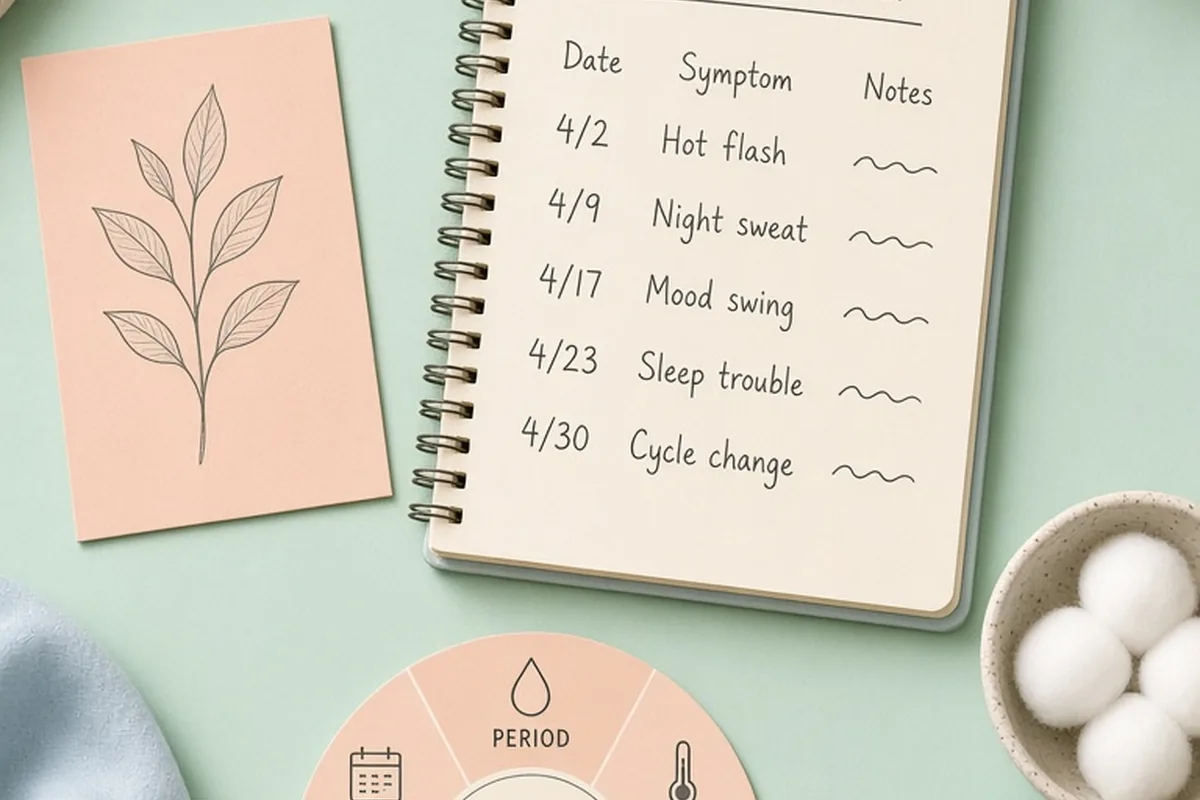
Early signs of perimenopause typically include changes in your menstrual cycle length or flow, sudden warm sensations or hot flashes, night sweats, sleep disturbances, mood swings, and vaginal dryness. These shifts occur as ovarian hormone production fluctuates unpredictably before permanently stopping. Tracking the frequency, intensity, and timing of these physical and emotional changes over several months helps you and your healthcare provider evaluate whether perimenopause has begun and determine appropriate management.
Perimenopause represents the transitional phase leading up to menopause, during which natural hormonal shifts begin altering physical, emotional, and reproductive patterns. Understanding these early indicators enables you to make informed decisions about your daily routine, medical consultations, and potential healthcare expenses.
Irregular Periods and Bleeding Variations in Early Perimenopause
One of the earliest and most recognizable indicators that the menopause transition has started is a noticeable disruption in your regular menstrual cycle. During early perimenopause, fluctuations in estrogen and progesterone cause ovulation to become irregular. You might notice your cycle length shortening, such as moving from a regular twenty-eight-day interval to twenty-one or twenty-four days, or lengthening significantly so that periods occur months apart.
Flow characteristics also shift during this transitional window. Some cycles may feature unusually light spotting that lasts only a couple of days, while subsequent cycles can involve unexpectedly heavy flow or clotting. While cycle irregularity is standard during the menopause transition, severe or erratic bleeding—such as soaking through protection every hour, bleeding after intercourse, or experiencing persistent spotting between cycles—warrants a discussion with a healthcare provider to rule out structural uterine conditions like fibroids or polyps.
Further reading: National Institute on Aging: What is menopause?
Vasomotor Signs: Hot Flashes, Night Sweats, and Temperature Spikes
Vasomotor symptoms represent another classic hallmark of perimenopause, arising from temporary changes in the brain's thermoregulatory center as estrogen levels oscillate. A hot flash often manifests as a sudden sensation of intense heat spreading across the chest, neck, and face, frequently accompanied by skin redness, sweating, and an accelerated heart rate. These episodes can last anywhere from thirty seconds to several minutes, occasionally ending with a cold chill.
When these temperature surges occur during sleep, they are classified as night sweats. Night sweats can range from mild dampness to profuse perspiration that requires changing your sleepwear or bedding. Because sleep disruption from night sweats can trigger daytime fatigue, cognitive sluggishness, and irritability, noting their frequency and timing in a daily log provides crucial context for your clinician when evaluating symptom severity.
Further reading: National Institute on Aging: What is menopause?
Sleep Disturbances, Mood Swings, and Cognitive Brain Fog
Hormonal variability during perimenopause frequently influences the central nervous system, creating challenges with sleep quality and emotional regulation. Even in the absence of severe night sweats, many individuals experience early morning awakenings, difficulty falling asleep, or lighter, less restorative sleep. Chronic sleep fragmentation compounds daytime stress, making routine challenges feel significantly more overwhelming.
Alongside sleep changes, shifting hormones can intensify emotional reactivity, leading to sudden mood swings, heightened anxiety, tearfulness, or feelings of low mood that feel distinct from previous emotional baselines. Many individuals also report temporary cognitive lapses, often described as brain fog, such as misplacing common words, forgetting appointments, or struggling with multitasking. Acknowledging that these cognitive and emotional shifts are linked to endocrine fluctuations helps relieve self-blame while guiding targeted lifestyle or clinical support.
Further reading: National Institute on Aging: What is menopause?
Symptom Self-Tracking Checklist Before Your Clinical Visit
Before scheduling an evaluation, conducting a structured self-check over eight to twelve weeks creates an actionable record of your physiological patterns. Rather than trying to recall vague impressions during a brief office visit, maintaining a written or digital log allows you to present objective data regarding your cycle intervals, bleeding heaviness, sleep disruptions, and vasomotor occurrences.
When tracking your symptoms, record specific variables: the start and end dates of any bleeding, estimated pad or tampon usage, the time of day hot flashes occur, and any identifiable triggers such as caffeine, alcohol, stress, or spicy foods. Note also any secondary bodily changes, including vaginal dryness, reduced libido, breast tenderness, new headaches, or joint stiffness. This structured snapshot allows your clinician to differentiate perimenopause from conditions with overlapping presentations, such as thyroid disorders or nutritional deficiencies.
Further reading: National Institute on Aging: What is menopause?
Medical Appointment and Lab Testing Cost Expectations
Evaluating perimenopause symptoms generally begins with an outpatient consultation with an obstetrician-gynecologist, family physician, or midlife health specialist. For patients with comprehensive private health insurance, clinical visits typically involve standard primary care or specialist copayments or coinsurance, subject to the plan's annual deductible. For uninsured patients or those choosing self-pay cash rates, an initial comprehensive evaluation typically carries a direct clinic fee that varies by provider credentials, appointment length, and geographical region.
Routine diagnostic lab work is not strictly required to confirm perimenopause because hormone levels fluctuate widely on a daily basis, making single blood draws inconclusive for transitional staging. However, clinicians frequently order targeted blood tests—such as thyroid-stimulating hormone (TSH), complete blood counts, comprehensive metabolic panels, or ferritin levels—to rule out anemia, thyroid dysfunction, or other systemic conditions. Total out-of-pocket costs for these laboratory panels depend on whether the testing facility is in-network, lab facility fees, and negotiated insurer rates, making it advisable to request an itemized billing estimate in advance.
Further reading: National Institute on Aging: What is menopause?
Prescription Hormone Therapy and Non-Hormonal Medication Expenses
If perimenopause symptoms substantially impair your quality of life, your clinician may discuss medical management options, which generally fall into systemic menopausal hormone therapy (MHT) or non-hormonal prescription alternatives. Systemic hormone therapy—comprising estrogen delivered via transdermal patches, gels, sprays, or oral tablets, combined with progestogen for those with an intact uterus—varies in price based on whether you receive generic or brand-name formulations. Most standard insurance plans provide tier-based coverage for generic hormone therapies, resulting in predictable monthly pharmacy copays, whereas bioidentical custom-compounded options are rarely covered by commercial plans and require full out-of-pocket cash payment.
For individuals who cannot take estrogen due to medical contraindications or who prefer non-hormonal avenues, clinicians may prescribe selective serotonin reuptake inhibitors (SSRIs), serotonin-norepinephrine reuptake inhibitors (SNRIs), gabapentin, or newly approved neurokinin receptor antagonists to manage hot flashes and sleep disruptions. Generic antidepressants and neuropathic agents tend to fall within low pharmacy copay tiers, while newer targeted non-hormonal medications may require prior authorization from your insurer before coverage is approved. Checking your plan's drug formulary before your appointment clarifies your expected monthly out-of-pocket obligation.
Further reading: National Institute on Aging: What is menopause?
Over-the-Counter Management, Lifestyle Tweaks, and Out-of-Pocket Outlays
Non-prescription supportive strategies form another tier of symptom management and recurring expenditure. For localized genitourinary discomfort, over-the-counter vaginal moisturizers designed for regular weekly use, alongside water- or silicone-based lubricants for sexual activity, provide meaningful relief without requiring a prescription. These non-hormonal topical products represent modest, ongoing personal care expenses that are generally paid entirely out-of-pocket.
Dietary supplements, herbal formulations (such as black cohosh or red clover), cooling garments, and specialized bedding also attract consumer interest. Because dietary supplements are not regulated by the FDA with the same clinical efficacy standards as prescription drugs, prices vary dramatically between retail brands, and scientific evidence regarding their effectiveness remains mixed. Investing in low-cost lifestyle modifications—such as layered natural-fiber clothing, bedroom temperature regulation, consistent strength training, and moderation of alcohol and caffeine—frequently yields reliable comfort improvements without significant financial burden.
Further reading: National Institute on Aging: What is menopause?
Illustrative Scenarios
Tracking Cycle Variability and Unexplained Night Sweats
Elena, a 44-year-old project manager, began waking up drenched in sweat several nights a week and noticed her menstrual periods shifting from twenty-nine days to twenty-two days. Assuming her poor sleep and irritability were purely stress-related, she initially purchased expensive herbal sleep tinctures that brought no relief. After learning about perimenopausal vasomotor indicators, Elena decided to log her sleep disruptions, cycle dates, and daytime energy levels in a notebook for two months. She brought the structured log to her gynecologist, who confirmed the changes aligned with early perimenopause and helped her establish a personalized management plan.
Key point: Recording specific physical indicators over several cycles provides clear clinical data that prevents misattributing hormonal transitions solely to external life stress.
Clarifying Treatment Expenses and Insurance Coverage
Marcus and his partner Maya, age 47, found themselves overwhelmed by Maya's frequent daytime hot flashes and sudden mood changes. Maya wanted to explore medical relief but worried that specialized hormone therapy or diagnostic panels would result in unmanageable out-of-pocket medical bills. Before scheduling her appointment, Maya reviewed her health plan's summary of benefits, requested generic prescription pricing from her local pharmacy, and confirmed that her chosen clinician was in-network. This preparation allowed her to select a generic transdermal estrogen patch and oral micronized progesterone with manageable monthly copayments.
Key point: Reviewing formulary lists and verifying in-network provider status beforehand eliminates financial uncertainty when starting perimenopause therapy.
Frequently asked questions
At what age do early signs of perimenopause usually begin?
Most individuals notice the first signs of perimenopause in their 40s, typically between ages 40 and 45. However, transitional hormonal changes can occasionally begin in the late 30s. The duration of perimenopause varies widely, often lasting anywhere from four to eight years before reaching menopause.
Can blood tests definitively diagnose whether I am in perimenopause?
Routine hormone blood tests, such as checking follicle-stimulating hormone (FSH) or estrogen levels, cannot reliably diagnose perimenopause because these hormone levels fluctuate drastically from day to day. Clinicians primarily evaluate your clinical symptoms, menstrual history, and age rather than relying on a single blood test. Lab panels are most useful for ruling out other conditions with similar symptoms, such as thyroid dysfunction.
Can I still get pregnant while experiencing perimenopause symptoms?
Yes, pregnancy remains possible during perimenopause as long as ovulation continues, even if cycles are irregular. Until you have gone twelve consecutive months without a menstrual period—the formal definition of menopause—reliable contraception should be continued if preventing pregnancy is your goal. Discuss appropriate contraceptive options with your healthcare provider.
How do I determine what my insurance will cover for perimenopause treatments?
Review your insurer's prescription drug formulary to check the copay tier and prior authorization requirements for generic versus brand-name hormone therapies and non-hormonal alternatives. Additionally, contact your member services department to verify whether specialist office visits and screening blood tests are covered under your annual deductible or subject to flat copayments.
Your next step
Start a daily symptom and cycle log today to track bleeding dates, hot flashes, and sleep disruptions over the next two months before booking a consultation with your healthcare provider.