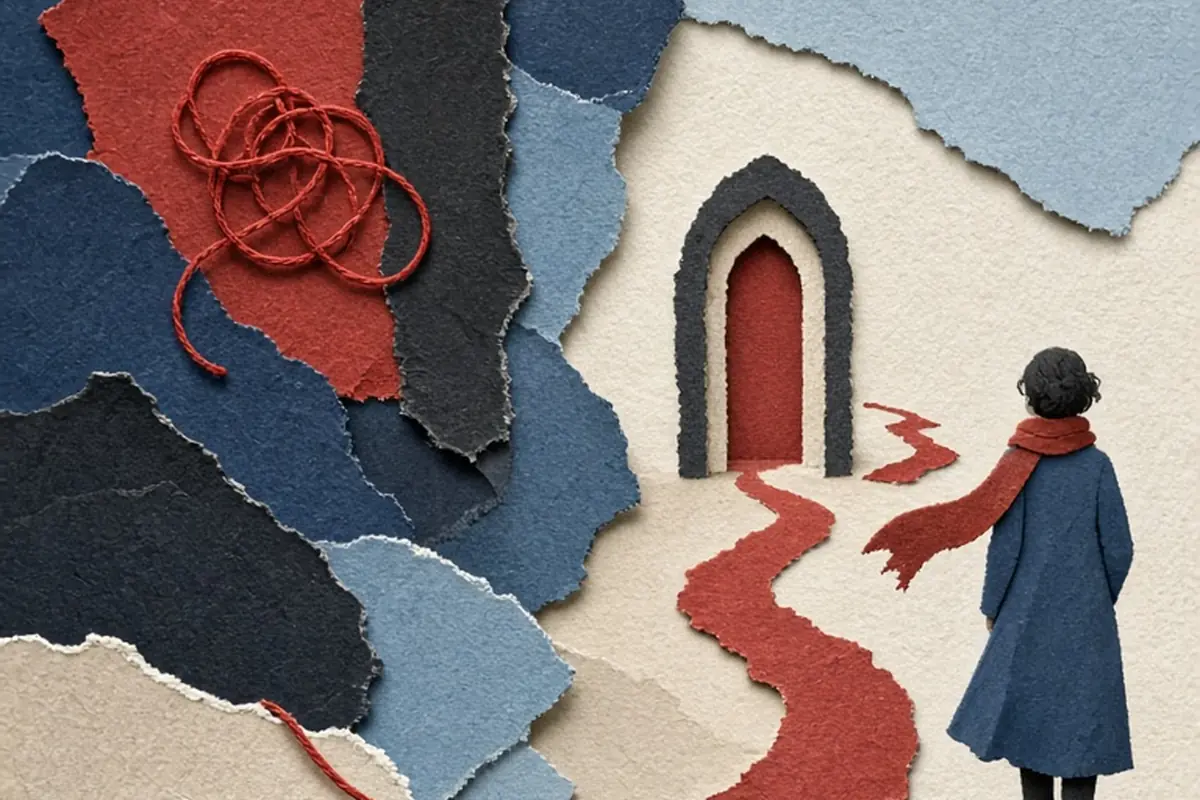
Emotional masochism describes a recurring pattern where someone unconsciously seeks out, prolongs, or fixates on emotionally painful situations, relationships, or self-critical thoughts. While not a formal medical diagnosis, this tendency often stems from familiar childhood dynamics, low self-worth, or anxiety, where emotional distress feels safer or more predictable than vulnerability and peace. Recognizing these triggers helps individuals build healthier boundaries and emotional coping habits.
Many people occasionally catch themselves rereading hurtful messages, ruminating over past mistakes, or remaining in draining dynamics long after warning signs appear. When leaning into distress becomes a habitual way of coping with stress or defining self-worth, understanding the underlying cycle is the first step toward lasting emotional relief.
Understanding the Everyday Mechanics of Emotional Masochism
The term emotional masochism is generally used in lifestyle psychology to describe an ongoing inclination to invite, tolerate, or amplify psychological distress. Unlike physical self-harm, this pattern operates in the realm of thoughts, interpersonal dynamics, and emotional habits. A person might find themselves repeatedly entering one-sided relationships where rejection is inevitable, voluntarily consuming media that provokes intense sadness or outrage, or obsessively reviewing past embarrassments. These behaviors are rarely about deriving genuine pleasure from pain; rather, they reflect a complicated drive where pain serves as a familiar, organizing force in daily life.
It is important to distinguish this behavioral pattern from clinical conditions like major depressive disorder, generalized anxiety, or personality disorders, even though they can occasionally overlap. People who exhibit emotional masochistic tendencies often possess high self-awareness and may even recognize that their habits cause suffering. However, they struggle to disengage because distress has become their default baseline. Acknowledging that emotional discomfort is serving an unconscious purpose is usually the turning point that allows individuals to examine their motivations without falling into self-blame.
Why Emotional Distress Can Feel Surprisingly Familiar and Safe
Human nervous systems naturally gravitate toward predictability, even when that predictability is uncomfortable. When someone grows up in an environment characterized by unpredictable criticism, neglect, or high emotional volatility, distress becomes a known quantity. In contrast, calm periods can provoke intense anxiety, creating a persistent sensation that another crisis is just around the corner. In this context, actively gravitating toward emotional difficulty is an unconscious attempt to regain control. By anticipating or initiating the pain, a person avoids the terrifying vulnerability of being caught off guard.
Consider an individual who receives a genuine compliment or enters a stable, supportive relationship. Instead of feeling relaxed, they may experience sudden discomfort, feeling unworthy or waiting for the inevitable disappointment. To resolve the tension of this unfamiliar peace, they might pick a fight, withdraw emotionally, or overanalyze a neutral comment until they find an insult. The resulting hurt feels terrible, but the nervous system relaxes slightly because the outcome matches its deeply ingrained expectations. Recognizing that familiarity is often mistaken for safety helps explain why walking away from chaos feels so difficult.
The Subtle Secondary Gains That Keep the Cycle Going
Habits persist because they fulfill an internal need, and emotional distress is no exception. In psychological discussions, these subtle benefits are often referred to as secondary gains. For some, maintaining an identity centered around struggle or enduring hardship provides a powerful sense of moral virtue, resilience, or purpose. It allows individuals to view themselves as martyrs who give endlessly while expecting nothing, which shields them from confronting deeper fears about their own worth or desires.
Sustained emotional distress can also serve as a protective barrier against risk and potential failure. If someone constantly occupies their mental energy with personal crises, toxic friendships, or relentless self-doubt, they have a built-in reason to avoid pursuing demanding goals, asserting difficult boundaries, or risking real rejection in new endeavors. While the emotional toll of the crisis is heavy, it creates an ongoing justification to stay within a psychological comfort zone. Identifying these hidden payoffs allows individuals to weigh whether the temporary protection of suffering is worth the ongoing loss of peace.
Common Ways Emotional Masochism Manifests in Daily Life
Recognizing how emotional distress habits appear in routine choices makes it much easier to catch them before they escalate. These behaviors rarely look dramatic on the surface; instead, they blend into standard social interactions, personal reflection time, and digital habits. When repeated regularly, they slowly deplete emotional energy and reinforce negative self-beliefs.
The following behaviors illustrate how emotional masochism frequently shows up in ordinary settings:
- Digital rumination: Scrolling through an ex-partner's social media accounts, revisiting old arguments in text threads, or intentionally searching for commentary designed to provoke anger or inadequacy.
- Chronic over-apologizing: Assuming immediate blame for awkward silences, group conflicts, or neutral mistakes, thereby inviting others to treat you as the source of difficulty.
- Testing interpersonal bonds: Pushing supportive friends or partners away through provocation or emotional withdrawal to confirm the fear that everyone eventually leaves.
- Dismissing positive milestones: Downplaying personal successes as pure luck while treating minor setbacks as definitive proof of incompetence.
- Staying in draining dynamics: Giving endless chances to individuals who consistently violate boundaries, under the belief that enduring mistreatment proves loyalty or dedication.
Practical Techniques to Interrupt Rumination and Pain-Seeking
Breaking an automated cycle of emotional distress requires practical, repeatable actions that interrupt thought spirals in real time. One reliable technique is the sensory interruption method. When you catch yourself revisiting an old regret or deliberately seeking out upsetting content, immediately engage your physical environment. Stand up, wash your hands with cool water, name five distinct objects in the room, or focus on the physical sensation of your feet on the floor. This shifts brain activity away from narrative-driven rumination and grounds the nervous system in the immediate present.
Another helpful approach is scheduled containment, often called worry time. Rather than attempting to suppress distressing thoughts entirely—which frequently makes them stronger—set aside a specific ten-minute window in the late afternoon to write them down without judgment. If an urge to ruminate arises at midday, acknowledge it and postpone it until your designated window. Often, by the time the window arrives, the emotional urgency has passed. If it has not, you examine the thought on paper, where its distortions are far easier to evaluate objectively.
Rewriting the Internal Dialogue and Tolerating Emotional Calm
Many people stuck in painful cycles possess an internal critic that speaks in harsh, absolute terms. When this voice goes unchecked, it validates the idea that you deserve discomfort. To counter this, practice cognitive reframing by treating self-critical statements as hypotheses rather than established facts. When a thought like 'I always ruin good things' appears, pause and ask what concrete evidence supports or contradicts it. Replace the absolute statement with an objective observation: 'I made a mistake in this conversation, but I have handled many other situations well.'
Equally important is learning to tolerate calm without treating it as an impending catastrophe. When life feels peaceful, those accustomed to emotional turbulence often experience an uncomfortable emptiness or restlessness. Instead of seeking drama or searching for flaws to fill that space, practice sitting with ease for five minutes at a time. Remind yourself that quietness is not a warning sign; it is simply the natural state of balance returning. Over time, your nervous system learns that peace is sustainable and safe.
Establishing Clear Boundaries and Knowing When to Seek Support
Modifying internal habits must be accompanied by changes in how you manage external relationships. If your social circle includes individuals who thrive on mutual venting, constant crises, or subtle emotional invalidation, maintaining personal boundaries is essential. This does not always mean ending friendships abruptly; often, it involves gently shifting the conversational dynamic. You might say, 'I want to support you, but I do not have the capacity to discuss this topic today,' or choose not to participate in conversations centered on tearing others down.
While self-guided adjustments are effective for mild habits, deeply entrenched patterns often benefit from outside perspectives. If chronic emotional distress interferes with your work, leads to severe relationship strain, or feels impossible to break independently, working with a licensed mental health professional can provide structured guidance. Modalities such as Cognitive Behavioral Therapy (CBT), Acceptance and Commitment Therapy (ACT), and psychodynamic therapy offer practical frameworks for uncovering root beliefs and cultivating sustainable self-worth.
Frequently asked questions
Is emotional masochism an official psychiatric diagnosis?
No, emotional masochism is not recognized as a formal mental health disorder in diagnostic manuals like the DSM-5. It is a colloquial descriptive term used in psychology and self-improvement to describe habitual patterns of seeking or tolerating emotional distress.
How is emotional masochism different from physical self-harm?
Physical self-harm involves intentional direct injury to one's body as a coping mechanism. Emotional masochism operates entirely through psychological patterns, such as choosing toxic dynamics, obsessive self-criticism, or prolonging distressing thoughts.
Can emotional masochism ruin healthy romantic relationships?
Yes, it can create significant strain if an individual constantly tests their partner, picks unnecessary fights, or rejects kindness because stability feels unfamiliar. Addressing these habits openly allows both partners to establish reassurance and realistic expectations.
Why do I feel bored or anxious when things are going well?
If you are accustomed to high emotional drama or chronic stress, your nervous system interprets high stimulation as normal. Calm environments lack that intense stimulation, which your brain can temporarily misread as boredom or a sign that something is wrong.
Your next step
Choose one distressing habit you engaged in this week—such as checking an upsetting social media profile or dwelling on a minor mistake—and practice pausing for sixty seconds before responding, replacing that reaction with a single grounding action.