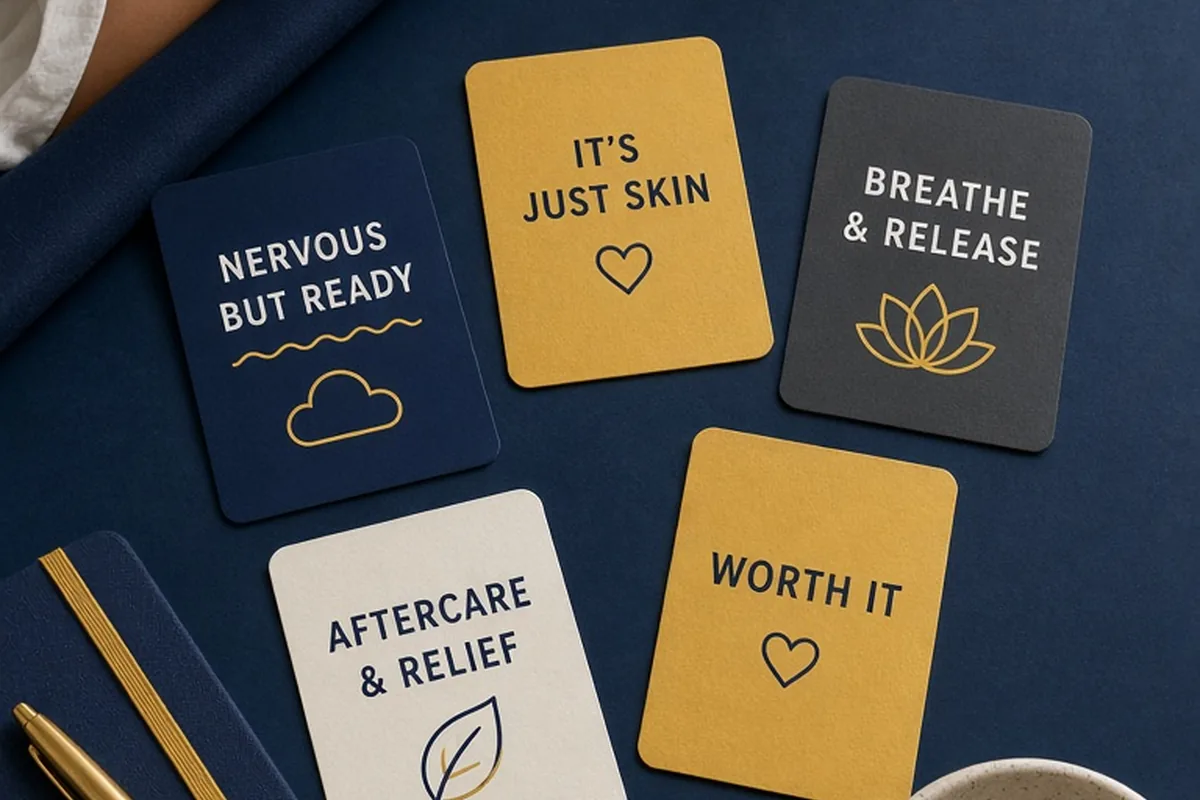
Getting a bikini wax often triggers an emotional progression starting with vulnerability and nervous hesitation, shifting to momentary tension during hair removal, and resolving into intense relief and renewed comfort afterward. Understanding that estheticians view the service purely as routine skincare can normalize self-consciousness, ease physical clenching, and help you navigate both the physical discomfort and the emotional vulnerability with realistic expectations.
Walking into an esthetician salon for intimate grooming often stirs a unique blend of self-consciousness, physical apprehension, and practical anticipation. While salon conversations frequently focus solely on skin preparation or hair length, the internal psychological journey is just as significant for first-time clients and regular visitors alike.
Navigating Pre-Appointment Jitters and Body Self-Consciousness
In the hours leading up to an appointment, many people experience a sudden wave of self-evaluation and vulnerability. You might find yourself checking hair length multiple times, worrying about hygiene, or questioning whether your natural skin texture, pigmentation, or grooming habits will be judged. This anxiety stems from the societal pressure placed on intimate aesthetics and the unfamiliarity of exposing a private area under clinical lighting. Recognizing that these nervous thoughts are entirely normal helps decouple personal insecurity from what is essentially a routine hygiene service.
To ground yourself before leaving home, focus on standard hygiene rather than perfectionism. Taking a warm shower and wearing loose-fitting cotton clothing can provide immediate sensory comfort while reducing friction later. Remember that professional estheticians see dozens of clients every week across all body shapes, skin types, and hair patterns. For the provider, the appointment is a systematic technical process focused on hair growth direction, wax temperature, and skin tension rather than a personal critique of your anatomy.
Handling the Vulnerability of Undressing and Positioning
The moment the esthetician leaves the treatment room and asks you to undress from the waist down can trigger a brief spike in awkwardness. Laying on a paper-lined examination table with nothing but a small towel or disposable drape strips away typical social boundaries. As you assume unfamiliar positions, such as the butterfly stance or shifting to the side so the technician can access hard-to-reach areas, your instincts might urge you to tense up or apologize for taking up space.
Navigating this phase becomes much easier when you view the positioning as ergonomic teamwork. Estheticians guide your legs into specific angles not to make you uncomfortable, but to ensure the skin is held taut, which minimizes pain and prevents bruising. If a particular angle feels physically strenuous on your hips or joints, communicating that boundary allows the practitioner to adjust your posture. Acknowledging the awkwardness internally while reminding yourself that the professional performs this sequence every day helps dissolve the urge to over-explain or apologize.
Bracing for the First Strip and Confronting Pain Anxiety
As the warm wax is applied, there is often a sharp peak in anticipatory dread right before the first pull. The brain tends to exaggerate expected pain, causing your shoulders to rise and your breathing to become shallow. When the initial strip is removed, the physical sensation is sharp and intense, but it is accompanied by an unexpected realization: the sting peaks within a second and subsides quickly, especially when the esthetician immediately applies manual pressure to soothe the nerve endings.
Managing this physical transition requires conscious breath control. Inhaling deeply through the nose as the wax is smoothed onto the skin and exhaling slowly through the mouth during the removal prevents reflex breath-holding, which amplifies muscle tension. While the sensation is undeniably sharp, breaking the appointment into individual sections—starting with the outer edges before moving toward more sensitive central areas—makes the physical experience predictable and manageable rather than overwhelming.
Managing the Social Dynamic Between Small Talk and Silence
During the middle of the service, an interesting social dynamic emerges between client and esthetician. Some people feel an overwhelming compulsion to chatter non-stop about work, relationships, or mundane daily events as a coping mechanism to distract from the vulnerability and physical stinging. Others prefer total silence, closing their eyes to mentally detach from the process. Both reactions are completely valid responses to physical stress and personal exposure.
You do not owe your esthetician social entertainment or forced conversation if you would rather practice quiet mindfulness or listen to audio through headphones. Conversely, if casual banter helps keep your heart rate steady, most practitioners are happy to chat about lighthearted subjects. Setting your preferred tone early by either engaging in conversation or politely mentioning that you are focusing on deep breathing establishes clear boundaries and reduces the social pressure often felt in close-quarters personal care.
Finding Acceptance and Enduring the Final Tweezing Details
Around the halfway mark of the session, a psychological shift frequently takes place where initial embarrassment gives way to practical endurance. Once you realize the procedure is progressing steadily and your body is handling the discomfort, your nervous system begins to settle. Even when the esthetician addresses particularly sensitive zones or uses tweezers for stray hairs, the mental shock factor has diminished, replaced by a pragmatic desire to finish the treatment thoroughly.
Tweezing can sometimes provoke a different kind of minor irritation compared to waxing strips, feeling like tiny, precise pinches. Understanding that this detail work is what provides a clean, even result helps you tolerate the final few minutes. Staying still during this phase prevents accidental skin pinching and allows the esthetician to work quickly, transforming what began as an emotionally tense experience into a focused, routine maintenance task.
Experiencing Post-Service Relief and Sensory Sensitivity
The moment the esthetician finishes applying a calming post-wax lotion and announces the session is complete brings an immediate flood of endorphins and emotional relief. As you stand up and dress, you typically experience a sense of accomplishment for facing down anxiety and completing the appointment. The treated skin will feel warm and slightly tender, which can create a temporary heightened awareness of every movement, but the heavy mental tension that preceded the visit evaporates almost instantly.
Maintaining that sense of physical and emotional ease requires careful immediate aftercare. Slipping into soft, breathable underwear and loose bottoms prevents friction against sensitized hair follicles. Avoiding heavy exercise, hot baths, saunas, and harsh fragrances for the first twenty-four to forty-eight hours protects the skin barrier and reduces the risk of inflammation or ingrown hairs, ensuring that your post-treatment relief is not disrupted by preventable discomfort.
Building Long-Term Confidence and Reducing Future Salon Stress
For many individuals, reflecting on the experience over the following days fosters a genuine boost in personal agency and body confidence. Successfully navigating an intimidating personal care service demystifies the entire process, replacing fearful speculation with tangible, realistic expectations. When you observe how smooth and low-maintenance the area remains over the subsequent weeks, the emotional cost of the appointment often feels well worth the practical reward.
To make future visits significantly less stressful, consistency is essential. Scheduling appointments every four to six weeks ensures that hair remains finer and less rooted, which noticeably reduces the physical sting of subsequent sessions. Over time, building rapport with a single, trusted esthetician transforms the appointment from a nerve-wracking ordeal into an ordinary, comfortable grooming habit where embarrassment is replaced by mutual professional trust.
Frequently asked questions
How can I mentally prepare if I feel intense embarrassment about my body?
Remind yourself that professional estheticians view hair removal from an objective, technical perspective without personal judgment. Focusing on basic personal hygiene beforehand and communicating any nervousness to your provider helps establish a comfortable, supportive environment.
What practical steps reduce physical tension during hair removal?
Practice slow, measured breathing by exhaling actively during each wax strip removal to keep your muscles from involuntarily contracting. Wearing loose-fitting cotton clothing to the salon and avoiding appointments right before your menstrual cycle, when skin sensitivity peaks, also helps.
Is it acceptable to ask the esthetician for a short pause?
Yes, you maintain full control over your body and can ask for a momentary pause if you feel lightheaded or overwhelmed. A professional esthetician will gladly give you a few seconds to adjust your breathing and reset your comfort level.
How quickly will post-wax skin sensitivity and redness subside?
Mild swelling and redness generally fade within twenty-four to forty-eight hours when the skin is kept clean, cool, and free from tight fabrics. Emotional relief and satisfaction typically begin the moment the appointment ends and you leave the salon.
Your next step
Book your follow-up appointment within a four-to-six-week window and practice steady exhalations during hair removal to build salon familiarity and minimize future anxiety.