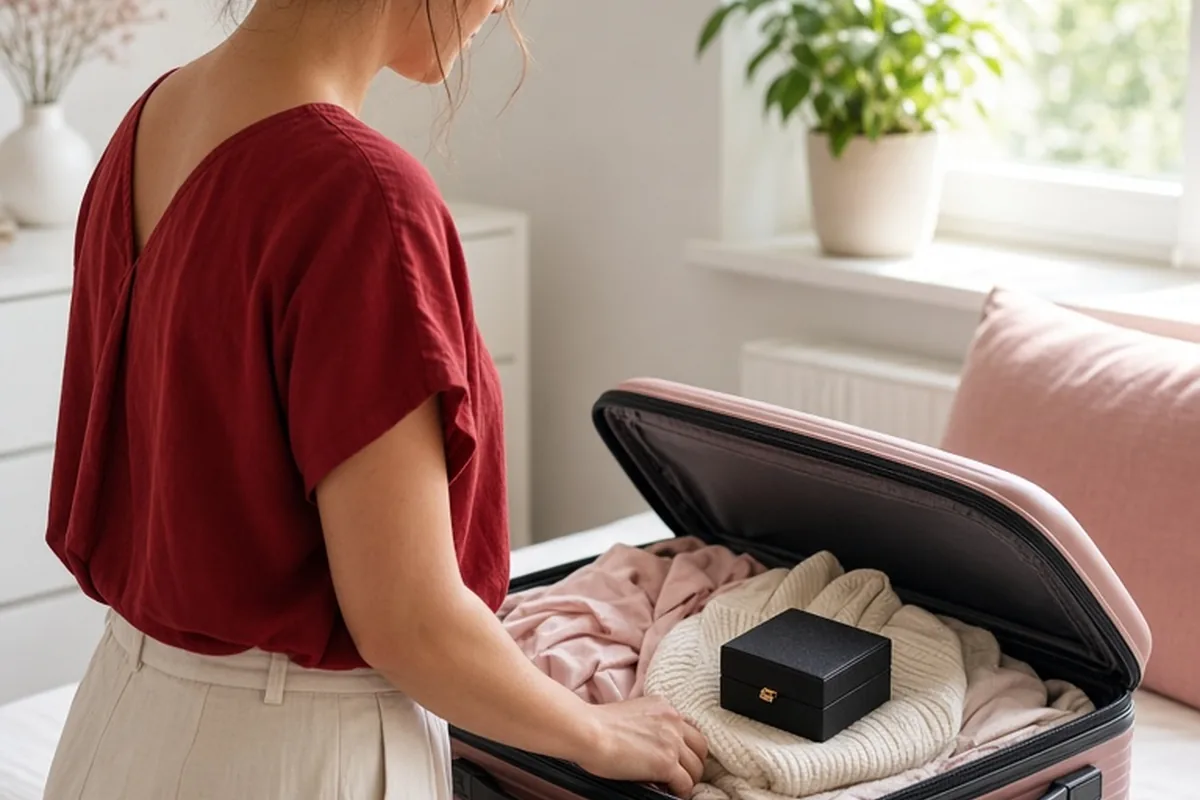
Engagement ring insurance protects against financial loss from theft, accidental damage, and mysterious disappearance. You can insure an engagement ring by adding a scheduled personal property endorsement to existing homeowners or renters insurance, or by purchasing a standalone policy through a specialized jewelry insurer. Premiums depend on your location, deductible, and the ring appraisal value, offering either repair, direct replacement, or an agreed cash settlement.
Purchasing an engagement ring involves both significant emotional meaning and a notable financial commitment. Securing dedicated insurance ensures that unexpected accidents, loss during travel, stone damage, or theft do not leave you facing the full cost of replacement or repair alone.
Homeowners Insurance Riders vs. Standalone Jewelry Policies
When evaluating how to protect an engagement ring, the primary decision centers on choosing between an endorsement on an existing property policy and an independent specialty policy. Standard homeowners and renters insurance policies automatically include personal property protection, but they enforce strict sub-limits on jewelry losses caused by theft. These base sub-limits often cap payouts at a nominal threshold, which rarely covers the replacement value of a fine engagement ring. Furthermore, baseline property coverage usually excludes accidental damage or simple misplacement, requiring policyholders to add a scheduled personal property endorsement to expand their protection.
Scheduling a ring onto an existing homeowners policy increases the coverage limit to match the appraised value and generally eliminates the standard policy deductible for that specific item. However, linking an engagement ring to your primary residential policy carries a major downside: filing a jewelry claim can trigger a premium increase across your entire home insurance package or even risk non-renewal. If you misplace your ring or chip a prong, that claim becomes part of your Comprehensive Loss Underwriting Exchange record, potentially elevating your property insurance rates for several years.
Standalone jewelry insurance policies, offered by dedicated specialty insurers, operate independently from your home or renters coverage. These policies are tailored specifically to the lifecycle and risks of fine jewelry. Filing a claim through a standalone insurer does not impact your home insurance history or affect residential rates. Additionally, specialized underwriters tend to offer broader standard coverage terms, accommodating incidents like prong re-tipping, cracked stones, and overseas travel without requiring restrictive policy add-ons or separate riders.
Coverage Gaps: Mysterious Disappearance, Accidental Damage, and Worldwide Travel
The language defining covered perils in an insurance contract determines whether a real-world mishap results in a full claim payout or a costly denial. The most frequent reason an engagement ring goes missing is not burglary, but rather unexplained loss, such as slipping off during an outdoor activity or being left in an untraceable public place. In insurance terminology, this event is classified as mysterious disappearance. Standard unscheduled personal property coverage rarely covers mysterious disappearance because there is no tangible evidence of theft, making explicit coverage for unexplained loss essential when reviewing policy terms.
Accidental damage represents another critical coverage distinction between policies. Daily wear exposes an engagement ring to impact, friction, and structural stress. Common incidents include a center stone loosening from bent prongs, a pavé accent diamond falling out of the setting, or a gemstone cracking after striking a hard surface. Comprehensive jewelry policies cover accidental damage and pay for qualified bench jewelers to rebuild settings or source matching accent stones. In contrast, standard personal property policies frequently classify cracked stones or worn prongs as normal wear and tear, leaving the repair bill entirely to the owner.
Travel flexibility is an equally vital consideration, particularly for couples planning destination weddings or international honeymoons. High-grade standalone jewelry policies and robust property riders typically offer worldwide coverage that protects the ring across foreign borders without requiring advance notification. Conversely, lower-tier policies may restrict coverage to domestic territories or impose reduced payout limits when an item travels outside your primary residence. Reviewing territorial limits and specific exclusions for transit, checked luggage, and unattended vehicles prevents unpleasant surprises during international trips.
Actual Cash Value, Replacement Cost, and Agreed Value Settlements
Understanding claim settlement provisions is crucial before binding an engagement ring policy, as insurers handle valuation and reimbursement using distinctly different methods. The least favorable settlement method is actual cash value, which subtracts physical depreciation and market wear from the payout. Because fine jewelry settings and gemstones are evaluated differently over time, an actual cash value payout often falls substantially short of the funds required to purchase an equivalent replacement at current retail prices.
The most common standard in dedicated jewelry insurance is replacement cost coverage. Under this structure, the insurer undertakes to repair the piece or supply a newly fabricated replacement of like kind and quality up to the policy limit. However, many standard property insurers reserve the legal right to direct you to their own affiliated jewelry replacement clearinghouses rather than allowing you to work with your original jeweler. If your engagement ring features custom bench work, heirloom design elements, or a specific vintage stone, mandatory replacement networks can create significant frustration regarding craftsmanship and authenticity.
Agreed value coverage represents the highest tier of financial certainty. With an agreed value policy, you and the insurer agree on a fixed dollar amount based on a certified appraisal when the policy is initiated. If a total loss occurs, the insurer issues a cash disbursement for that exact sum without applying depreciation or forcing you through a proprietary replacement vendor. While agreed value policies often carry slightly higher ongoing premiums, they afford complete autonomy over where and how you commission a replacement piece.
Appraisal Requirements, Grading Certifications, and Value Reassessments
Securing coverage starts with assembling clear, objective documentation that establishes the authenticity and physical characteristics of your engagement ring. Insurers require a detailed appraisal conducted by a qualified professional, such as a gemologist certified by the Gemological Institute of America or a member of the American Gem Society. A compliant appraisal document must go far beyond a simple retail price estimate; it should detail precious metal purity, setting style, total gram weight, mounting methods, and explicit gemstone measurements.
For the center diamond or primary gemstone, submitting a laboratory grading report alongside the appraisal is highly beneficial. A grading report from an independent gemological laboratory documents cut, color, clarity, carat weight, symmetry, and fluorescence. This scientific baseline guarantees that in the event of a total loss, any replacement sourced under a like-kind-and-quality clause matches the precise optical and structural parameters of your original stone, rather than a generic alternative with inferior light performance.
Precious metal markets and gemstone values fluctuate over multi-year cycles, making ongoing value reassessment necessary. If a policy maintains a static coverage limit established years ago, rising retail replacement costs can create an underinsurance gap where your payout no longer covers the cost of remaking the original design. Conversely, over-inflated retail appraisals artificially inflate your annual premium without providing extra benefit if the policy limits payouts to actual replacement costs. Requesting an updated appraisal every three to five years ensures your coverage aligns with current market realities.
Where to Buy Ring Insurance: Direct Underwriters, Brokers, and Retail Jewelers
Consumers have multiple purchase channels when obtaining engagement ring insurance, each offering distinct workflows and customer support experiences. One direct avenue is working through your current property insurance carrier or local independent insurance broker. Adding an endorsement to an existing homeowners or renters policy provides the convenience of a unified billing statement and consolidated asset management. However, independent agents may have limited familiarity with gemstone grading intricacies and may default to standard corporate replacement networks upon a claim.
Specialized direct-to-consumer jewelry insurers provide an alternative that prioritizes flexibility and digital simplicity. These niche carriers allow you to upload grading reports and appraisals directly through online portals to obtain immediate binding coverage. Because their entire underwriting and claims model revolves around fine jewelry, their adjusters work directly with your preferred master jeweler for repairs, stone sourcing, and custom fabrication, eliminating friction during the claims process.
Many brick-and-mortar and online retail jewelers maintain partnerships with specialty insurance providers, offering an opportunity to bind coverage at the point of sale. While convenient, point-of-sale offers should be examined as critically as standalone options. Ensure that the offered plan is an actual insurance policy underwritten by a licensed carrier rather than an extended service contract or retail warranty. Extended warranties cover manufacturing defects and basic cleanings, but they do not protect against theft, mysterious disappearance, or catastrophic accidental loss.
Pricing Variables: Deductibles, Ring Security, and Geographic Location
The annual cost of insuring an engagement ring is calculated through underwriting algorithms that weigh multiple physical and geographic risk factors. Premium pricing scales with the total appraised value of the ring, but insurers adjust baseline rates using the policyholder's residential postal code. Areas with statistically higher property crime rates, higher localized jewelry retail pricing, or elevated severe weather risks often carry higher baseline rates compared to lower-density regions.
Your choice of deductible directly influences your annual policy premium. Selecting a zero-dollar deductible ensures that you pay nothing out of pocket if a stone falls out or the ring is stolen, but it yields the highest annual cost. Introducing a modest deductible shifts an agreed portion of the initial financial burden to you, noticeably lowering the annual premium. For individuals comfortable covering minor repairs out of pocket, a higher deductible structure optimizes long-term carrying costs while maintaining a financial safety net against total loss.
Protective security measures and storage habits also impact underwriting terms, particularly for high-value rings. Insurers often grant favorable rates or lower underwriting thresholds when an engagement ring is kept in a certified home safe when unworn, or when the primary residence features a monitored central alarm system. Disclosing lifestyle routines accurately during application prevents coverage disputes, as certain luxury policies mandate specific safe-storage requirements whenever the jewelry is not actively being worn.
How the Claims Process Works from Initial Loss to Ring Restoration
Navigating an insurance claim successfully requires prompt action and systematic record keeping immediately following an incident. If your engagement ring is stolen or lost under circumstances suggesting a crime, filing a formal police report is a mandatory first step. Insurers require an official incident report number before opening a theft claim. Gather all original purchase receipts, grading certificates, photographs of the ring from multiple angles, and the most recent appraisal to submit alongside your formal claim documentation.
Once a claim is initiated, an insurance adjuster evaluates the circumstances against your policy terms and determines whether the event qualifies for repair, direct replacement, or financial reimbursement. For partial damage, such as a fractured gemstone or cracked shank, you will generally be instructed to obtain a detailed repair estimate from a licensed jeweler. If your policy allows you to choose your own jeweler, the jeweler coordinates directly with the adjuster to approve the scope of work and invoice total before starting the restoration.
In the event of a total loss under a replacement policy, the insurer works with you or your designated jeweler to recreate the piece according to the documented specifications on file. You will review gemstone options matching the original carat weight, color, clarity, and dimensions. Inspecting the replacement piece or stone in person, or verifying its certification before final claim sign-off, ensures the finished product faithfully matches the quality and aesthetic character of the original engagement ring.
Frequently asked questions
Does standard renters insurance automatically cover an engagement ring?
Standard renters insurance provides limited coverage for jewelry under personal property limits, but policies usually enforce a strict cap for theft losses. Standard policies also typically exclude accidental damage and mysterious disappearance. To obtain full coverage up to the ring's true replacement value, you must purchase an optional scheduled personal property endorsement or a standalone jewelry policy.
What is the difference between a jewelry warranty and jewelry insurance?
A jewelry warranty covers manufacturing defects, loose prongs, and routine maintenance such as cleaning and re-plating. A warranty does not cover theft, catastrophic impact damage, accidental loss, or mysterious disappearance. An insurance policy protects against these external loss events and reimburses or replaces the piece if it is damaged, stolen, or lost.
Can I choose my own jeweler to replace or repair my ring after a claim?
Whether you can choose your jeweler depends on the specific policy terms. Standalone specialty jewelry policies and agreed value plans generally allow you to work with any licensed jeweler of your choice. Many standard homeowners riders and lower-tier policies reserve the right to direct your replacement through an insurer-selected network vendor.
How often should I update the appraisal on my engagement ring?
It is advisable to obtain a refreshed appraisal every three to five years to account for market changes in precious metal and diamond prices. Keeping your appraisal current prevents an underinsurance gap where older policy limits no longer cover current replacement costs.
Your next step
Request formal policy quote documents from both your current home insurer and a standalone jewelry insurer to compare exclusions for mysterious disappearance, deductibles, and jeweler choice before binding coverage.