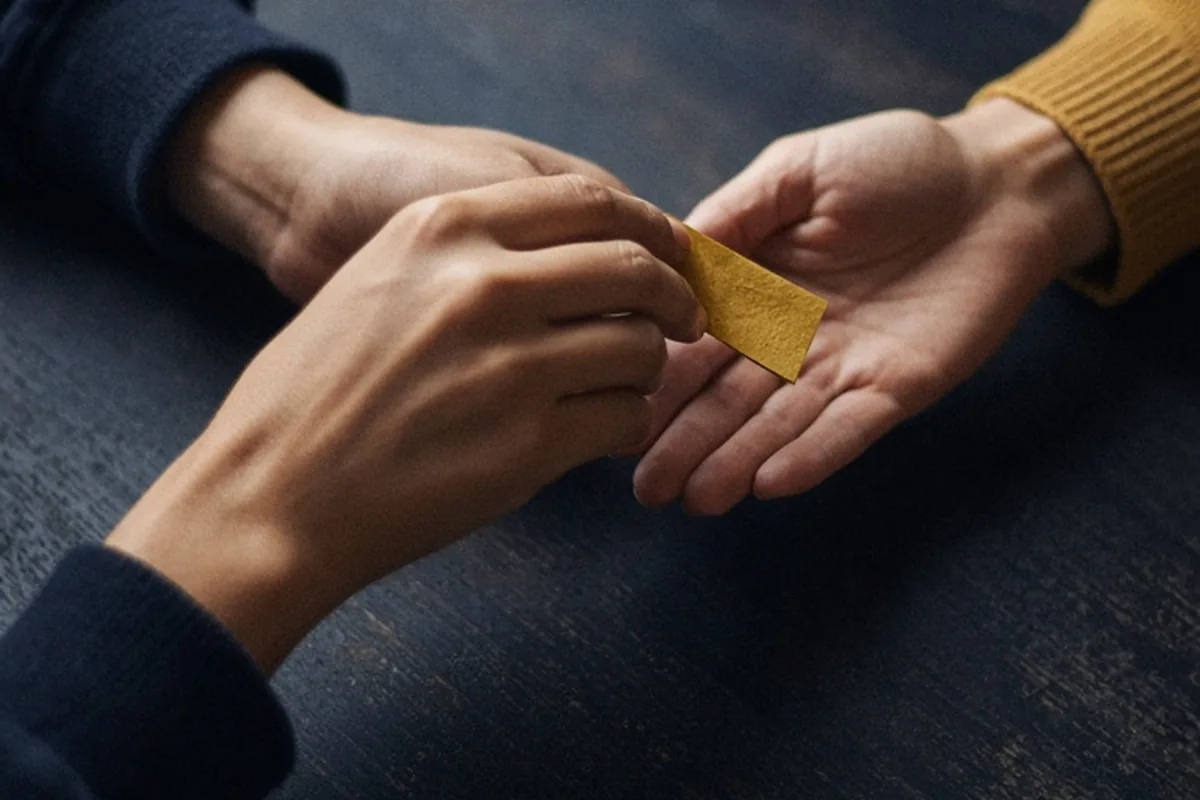
Examples of flirting include playful verbal banter, subtle body language like lingering eye contact or genuine smiles, and engaging text messages that reference shared jokes. Flirting conveys romantic or playful interest through warm, attentive communication. Effective flirting balances lighthearted teasing with sincere compliments, remaining responsive to the other person's comfort, cues, and conversational energy.
Flirting is a social bridge between casual friendliness and romantic connection. While showing attraction can occasionally feel intimidating, successful flirting relies far more on active listening and shared humor than on rehearsed lines or dramatic gestures. Understanding concrete examples helps you express warmth naturally across a variety of everyday situations.
Playful Verbal Banter and Lighthearted Teasing
Verbal banter is one of the most common and engaging forms of flirting because it introduces playfulness into an ordinary conversation. Light teasing creates a subtle push-and-pull dynamic that signals you are comfortable enough to joke around without taking yourself too seriously. The key is focusing on neutral, lighthearted preferences rather than personal traits or sensitive topics. For instance, if someone mentions they put ketchup on scrambled eggs, a playful response could be, "I was enjoying this conversation until you revealed your breakfast crimes, but I might give you one chance to defend yourself." Delivered with a warm smile, this style of comment establishes a shared joke and invites the other person to banter back.
Another effective technique within verbal flirting is the conversational callback. A callback involves referencing a minor detail or funny comment made earlier in the dialogue, demonstrating that you were actively listening and finding amusement in what they said. For example, if they earlier mentioned being terrible at parallel parking, you might later suggest, "Let's walk to the dessert place—mostly to keep the surrounding parked cars safe." While banter can build rapport rapidly, it requires careful emotional calibration. Teasing should always lift the mood rather than critique someone's insecurities, appearance, or background. If the other person seems hesitant, defensive, or quiet in response, immediately soften the tone, pivot to sincere warmth, and drop the teasing entirely.
Attentive Nonverbal Cues and Body Language
Body language often communicates interest long before a word is spoken. Nonverbal flirting relies on open, receptive posture, sustained engagement, and comfortable proximity. One classic example is the prolonged eye contact technique: holding someone's gaze for just a beat longer than usual across a room or during a conversation, smiling softly, and then looking away. In an active conversation, angling your shoulders toward the person, uncrossing your arms, and nodding in rhythm with their speech signals undivided attention. In a busy or noisy environment, leaning in slightly when they speak conveys intimacy and emphasizes that you are prioritizing their voice over the background noise.
Mirroring is another subtle nonverbal cue where you naturally reflect the other person's energy, gestures, or speaking tempo. If they lean back and cross their legs relaxed against the chair, mirroring might involve adopting a similarly relaxed posture after a brief moment. Similarly, shared laughter accompanied by a brief tilt of the head communicates warmth and accessibility. However, personal boundaries are paramount when using body language. Nonverbal interest must never crowd someone's physical space, block their exit path, or be mistaken for physical consent. Always ensure you maintain a comfortable physical distance and pay attention to whether the other person leans toward you or steps back to establish more room.
Digital Flirting and Text Messaging Examples
Flirting over text allows you to build connection between in-person meetings by sharing observations, humor, and curiosity. A strong text message often builds on a shared experience or inside joke rather than relying on generic greetings like "hey" or "what's up." For example, sending a photo of a distinctive coffee shop with the message, "Saw this place and immediately thought of your strict three-shot espresso rule—do you approve?" shows that the person crossed your mind in your daily life. It also provides an easy, low-pressure opening for them to respond with their own opinion or humor.
Text flirting also benefits from playful curiosity and thoughtful pacing. You can express interest by asking engaging questions that go beyond daily logistics, such as, "Tell me the truth: what is the absolute worst movie you genuinely love?" Incorporating light emojis can help clarify your playful tone, but overusing them can sometimes obscure your actual message. A major challenge in digital communication is misinterpretation, as sarcasm and dry humor do not always translate cleanly without vocal inflection. If a text conversation naturally winds down, resist the urge to immediately send multiple follow-ups; allowing comfortable pauses gives the other person space to re-engage when they are ready.
Flirting in Everyday Social and Public Settings
Social gatherings, casual parties, and public spaces like coffee shops or bookstores offer natural opportunities to initiate low-stakes flirting. The most effective approach in these settings is making an observational comment about the shared environment. At a dinner party or community event, you might say to someone standing near the refreshment table, "I am trying to decide if this punch is amazing or just pure sugar—what is your verdict?" This creates a natural entry point that does not feel aggressive or rehearsed, allowing the conversation to expand organically if the other person is receptive.
Once a casual dialogue begins, you can gently transition from impersonal small talk to personal curiosity. Instead of asking standard resume questions about their job title, try asking what they enjoy doing when they are not working, or compliment their enthusiasm when they mention a hobby. For example: "The way you describe hiking that trail makes me want to buy boots tomorrow." It is crucial, however, to recognize social context and power dynamics. Flirting with service staff or colleagues in professional environments requires heightened sensitivity; people working in customer-facing roles are obligated to be friendly, which should never be automatically interpreted as romantic interest.
Sincere, Specific, and Observant Compliments
Complimenting someone is a foundational element of flirting, but the type of compliment matters significantly. Generic physical praise, such as "you are gorgeous," can often feel superficial or rehearsed. In contrast, compliments that highlight someone's personal style, distinctive laugh, quick wit, or unique perspective feel authentic and memorable. An example of a thoughtful compliment is, "You have such a vibrant energy when you talk about your photography—it is genuinely fun to listen to you." This acknowledges who they are as an individual rather than treating them merely as an aesthetic object.
Timing and delivery also dictate how a compliment is received. A well-placed observation delivered smoothly in the middle of an exchange lands far better than an abrupt statement blurted out at the start or end of a meeting. For instance, noticing a detail like, "That color looks fantastic on you; it completely matches your bright personality," works best when tied directly to the conversational flow. Keep in mind that quality outweighs quantity. Showering someone with constant praise can come across as fawning or insincere; offering one or two precise, observant compliments during an interaction creates a much stronger and more genuine impression.
Reading Mutual Cues and Respecting Boundaries
Flirting is an interactive dialogue that requires constant attention to the other person's reactions. Positive signs of mutual interest include sustained eye contact, reciprocal questions, leaning closer, genuine smiles that engage the eyes, and efforts to keep the conversation going when there is a pause. If someone laughs at your jokes, shares personal anecdotes, and matches your playful tone, they are likely enjoying the interaction and welcoming further engagement.
Conversely, reading disinterest is just as vital as identifying attraction. Clear indicators that someone is not receptive include one-word responses, frequent scanning of the room, looking at their phone, pulling their body away, or maintaining a purely polite, formal tone. Flirting is always an invitation, never an obligation. If you notice signs of discomfort or lack of interest, gracefully step back without showing frustration or demanding an explanation. A simple, polite pivot like, "It was great chatting with you, hope you enjoy the rest of your evening," allows both individuals to exit the interaction comfortably and with mutual respect.
Frequently asked questions
How can I tell the difference between friendly politeness and actual flirting?
Politeness tends to follow standard social scripts, such as formal small talk and brief pleasantries. Flirting usually involves extra conversational effort, such as playful teasing, lingering eye contact, personal questions, and finding reasons to prolong the interaction.
What should I do if my attempt at flirting feels awkward or falls flat?
Acknowledge the moment with lighthearted self-awareness rather than getting embarrassed. Simply smile, laugh it off with a phrase like "well, that sounded much smoother in my head," and steer the conversation back to a comfortable, neutral topic.
Can introverted people flirt effectively without acting extroverted?
Yes, introverts often excel at flirting through attentive listening, thoughtful one-on-one questions, and observant compliments. Flirting does not require loud charisma; focused presence and warm eye contact are often deeply attractive on their own.
How do I avoid coming across as overly aggressive or intense when flirting?
Focus on keeping the interaction light, maintaining comfortable physical personal space, and prioritizing curiosity over securing a specific outcome. Give the other person plenty of opportunities to speak, and pay close attention to whether they match your playful energy.
Your next step
Choose one low-pressure setting this week—such as a brief chat with an acquaintance, coworker, or party guest—and practice offering one sincere, observant compliment combined with warm eye contact, focusing purely on mutual enjoyment rather than an outcome.