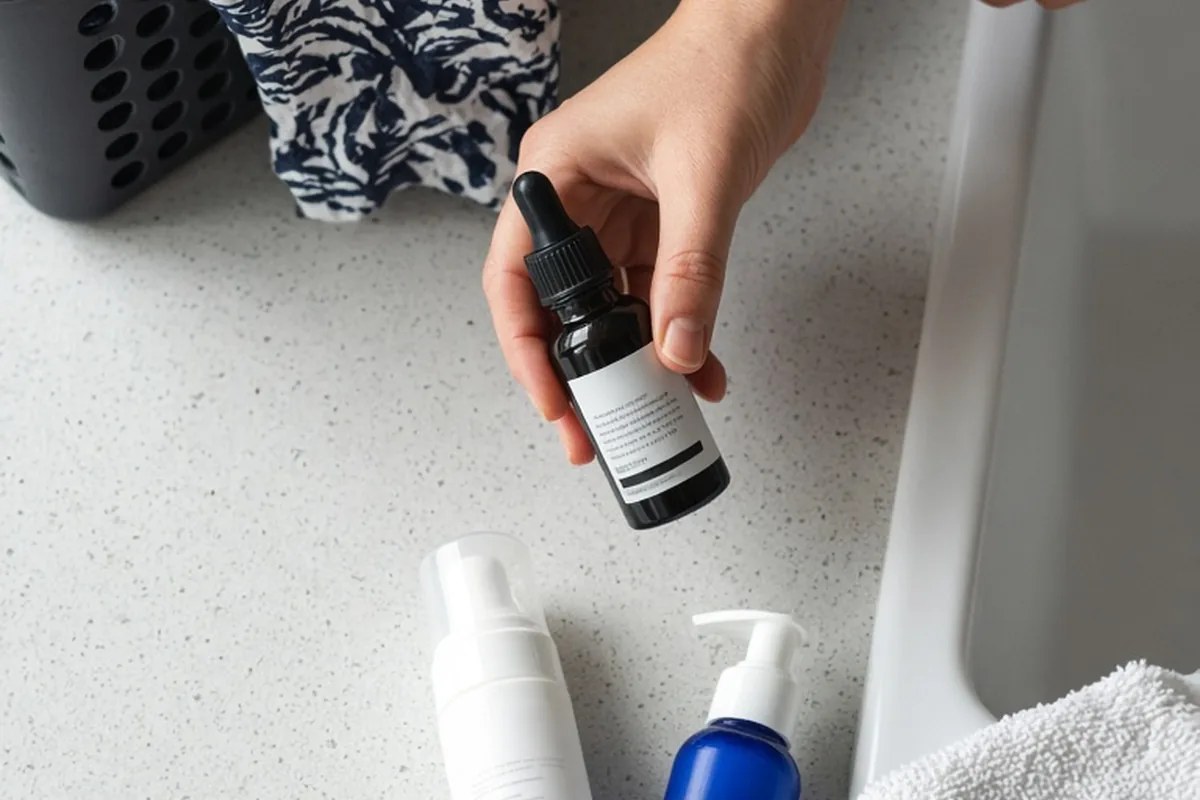
Beginners addressing female hair thinning should start with targeted topical treatments such as over-the-counter minoxidil foam or solution, paired with a gentle, sulfate-free volumizing shampoo and scalp-care serums. Focus on products that clear follicle buildup, minimize strand breakage, and encourage active follicular circulation. Before layering multiple potent products, introduce one core active treatment consistently for several months while tracking your scalp response.
Noticing wider part lines, a smaller ponytail circumference, or excessive shedding in the shower can feel overwhelming, especially with shelves full of serums, sprays, and supplements promising instant recovery. Navigating hair thinning options requires distinguishing cosmetic volumizers from active treatments that support follicular health.
Recognizing Early Thinning Patterns and Common Triggers
Before selecting any product, it helps to understand how female hair thinning typically presents and what might be driving the shift. Unlike male pattern baldness, which often creates distinct receding hairlines or bald spots at the crown, female pattern hair loss usually manifests as diffuse thinning across the central scalp, often visible as a widening part line or reduced hair density overall. Other common forms of shedding include temporary telogen effluvium, which occurs when physical stressors, illness, hormonal shifts, nutritional imbalances, or major life changes shock a large number of follicles into a resting phase simultaneously.
Differentiating between progressive hair thinning and temporary shedding is essential because each scenario responds differently to various product types. Progressive thinning involves follicular miniaturization, where hair strands gradually grow back finer, shorter, and less pigmented over successive growth cycles. In contrast, reactive shedding involves normal-diameter hairs shedding abruptly due to an identifiable trigger. Identifying whether your hair is losing density gradually across the crown or shedding rapidly throughout the entire head gives you a clearer baseline when selecting targeted topical formulations, gentle daily cleansers, and scalp-supportive treatments.
Topical Minoxidil Formulations for Female Hair Thinning
Topical minoxidil serves as the primary over-the-counter active ingredient recognized for female pattern thinning. It functions as a vasodilator and potassium channel opener, which helps prolong the active growth phase of hair follicles and encourages miniaturized follicles to produce thicker, sturdier strands over continuous use. Beginners will generally find minoxidil available in both liquid dropper solutions and aerated foam formats. The foam formulation is often preferred by those with sensitive scalps because it typically lacks propylene glycol, an ingredient present in many liquid preparations that can cause contact dermatitis, itching, or flaking.
When starting topical minoxidil, realistic expectations and strict consistency are critical. During the initial weeks of regular application, many users experience a transient increase in daily shedding. This occurs because the medication stimulates resting follicles to shed dormant strands in order to begin a new growth phase. Consistency is paramount, as skipping applications or stopping treatment altogether causes the follicles to revert to their previous thinning cycle over time. Beginners should apply the product directly to a clean, dry scalp rather than the hair strands, carefully parting the hair to ensure direct skin contact, and wash their hands thoroughly after every application.
Clarifying Shampoos and Scalp-Cleansing Formulations
A healthy scalp environment provides the foundation for any restorative hair routine, making your choice of shampoo and conditioner a key consideration. Residue from heavy styling products, dry shampoo, sebum, and environmental pollutants can accumulate around the follicular ostia, creating localized inflammation that exacerbates strand weakness. Beginner-friendly hair thinning routines benefit from a gentle, sulfate-free cleanser designed to lift buildup without stripping the skin barrier of essential moisture.
Many specialized thinning shampoos incorporate mild clarifying agents alongside supportive botanical extracts such as saw palmetto, rosemary extract, green tea, or caffeine. While these wash-off products do not remain on the scalp long enough to reverse genetic thinning on their own, they optimize scalp conditions so that leave-on treatments can absorb evenly. Look for balanced formulations that use mild surfactants like sodium cocoyl isethionate or decyl glucoside, and avoid excessively heavy silicone conditioners near the roots, applying conditioning agents solely from mid-lengths to ends to maintain lightweight root lift.
Volumizing Sprays, Powders, and Peptide Serums
Managing the visual aspect of thinning hair while waiting for long-term treatments to yield results is an important part of a sustainable routine. Cosmetic volumizers work by coating individual strands with lightweight polymers, proteins, or starch particles that create physical separation and texture between neighboring hairs. Root-lifting mousses, texturizing sprays, and tinted scalp powders can instantly disguise sparse areas along the central part line, offering immediate visual fullness without putting mechanical tension on fragile roots.
In addition to instant styling aids, leave-on scalp serums featuring multi-peptide complexes, copper peptides, and red clover extract have gained popularity as gentle daily treatments. These serums focus on nourishing the scalp skin barrier, soothing oxidative stress, and supporting microcirculation without causing heavy buildup or greasy residue. Beginners can use a water-based peptide serum in their evening routine, alternating or combining it with their primary active treatments, provided the scalp tolerates the routine without redness or irritation.
Nutritional Supplements and Internal Support Considerations
Hair wellness formulas and oral supplements represent a major category in the hair thinning space, but beginners should approach them with careful discernment. Popular hair vitamins often combine high doses of biotin, zinc, vitamin D, iron, marine collagen, and various adaptogenic herbs. While correcting an underlying nutrient deficiency can noticeably improve hair quality, taking excessive amounts of vitamins when your body is already replete rarely accelerates growth and can occasionally trigger unwanted side effects or interfere with routine blood laboratory tests.
Before adding an oral supplement to your daily routine, it is advisable to consult a healthcare provider for routine blood screening to check ferritin levels, vitamin D, thyroid panel markers, and complete blood counts. If an iron or vitamin insufficiency is detected, targeted supplementation under medical supervision is far more effective than generic multi-ingredient gummies. For individuals whose thinning is driven by physical stress or postpartum recovery, an overall nutrient-dense diet paired with adequate protein intake provides essential building blocks for keratin synthesis without relying on costly megadose supplements.
Building a Simple, Cohesive Beginner Hair Care Routine
Layering too many products at once makes it difficult to determine which treatment is working or which ingredient might be causing scalp sensitivity. A practical beginner routine should focus on three foundational steps: thorough yet gentle cleansing, consistent application of one proven leave-on treatment, and protective daily styling habits. Start by washing the hair two to three times a week with a gentle volumizing or clarifying shampoo, followed by a lightweight conditioner applied strictly to the hair ends.
Designate a fixed time each day for your targeted topical treatment, whether applying foam or serum directly to sectioned areas of the scalp. Pair this routine with mechanical safeguards, such as replacing fine-tooth combs with wide-tooth versions, using silk or satin pillowcases to minimize friction, and avoiding tight ponytails, slicked-back buns, or high-heat styling tools that cause traction and strand breakage. Document your hair density with consistent scalp photos taken under identical lighting once every few months to track your progress objectively rather than evaluating daily fluctuations.
Recognizing When to Consult a Board-Certified Dermatologist
While over-the-counter solutions and cosmetic adjustments work well for early and mild thinning, certain symptoms warrant a professional medical evaluation. If you observe rapid, patchy hair loss, sudden shedding accompanied by persistent scalp burning, intense itching, severe scaling, or noticeable scarring where follicles appear completely smooth, schedule an appointment with a board-certified dermatologist. These signs can indicate conditions such as alopecia areata, lichen planopilaris, or other scarring alopecias that require prescription-strength medical interventions.
A dermatologist can perform non-invasive diagnostic procedures such as dermoscopy or trichoscopy to view follicular openings under high magnification, determine hair diameter diversity, and assess the percentage of hairs in active versus resting phases. When necessary, they can also perform a scalp biopsy to confirm an accurate diagnosis. Obtaining a formal diagnosis early prevents wasted expense on ineffective cosmetic products and ensures you receive the most targeted therapeutic plan for your specific hair and scalp health needs.
Frequently asked questions
How long does it take for female hair thinning products to show visible results?
Hair grows slowly, meaning most topical treatments require several months of uninterrupted daily use before noticeable changes in density or strand thickness appear. During the first few weeks, minor shedding can occur as follicles shift phases. Consistent application and periodic photographic tracking provide the most reliable measure of progress.
Can I use hair thinning serums and styling products at the same time?
Yes, you can combine treatment serums with styling aids, provided you apply your active treatment directly to a clean, dry scalp first. Allow the medicated foam or peptide serum to absorb fully into the skin before applying mousses, heat protectants, or texturizing sprays to the hair shafts.
Will stopping a hair thinning product cause my hair to fall out again?
If your thinning is caused by genetic female pattern loss, discontinuing active treatments like topical minoxidil will cause the hair follicles to gradually return to their previous miniaturization process. However, if your shedding was triggered by temporary stress or nutritional deficiency, hair often maintains its density once the root cause is resolved.
Is it safe to wash thinning hair every day?
Washing daily with a gentle, sulfate-free cleanser is entirely safe and often beneficial if you have an oily scalp or use leave-on scalp treatments regularly. Keeping the scalp free of excess sebum and residue creates an optimal growth environment, provided you avoid aggressive scrubbing or rough towel drying.
Your next step
Take clear baseline photographs of your hairline and part under consistent lighting, then introduce a single targeted leave-on treatment alongside a gentle cleanser to monitor your scalp tolerance over the coming months.