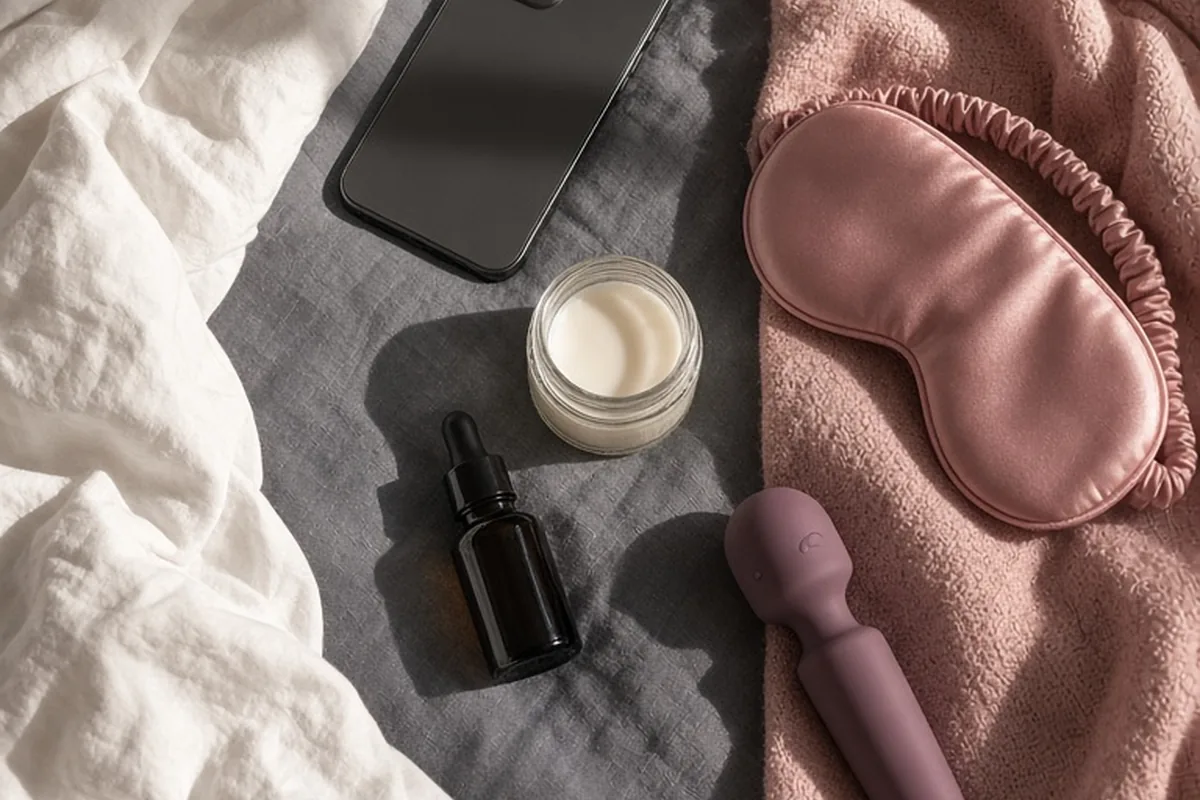
Female masturbation is the intentional act of self-pleasure through touching the genitals and other sensitive areas. It allows individuals to explore sensations, understand their arousal patterns, and experience sexual satisfaction on their own terms. Practicing solo intimacy commonly involves varied clitoral touch, changes in pressure or rhythm, and sometimes lubricants or toys, helping people build body confidence and discover personal erotic preferences without external expectations.
While solitary pleasure is a normal aspect of human sexuality, societal taboos often leave people without straightforward guidance on how to develop a fulfilling solo practice. Taking time to explore your body without judgment opens the door to greater comfort, physical relaxation, and self-knowledge.
Understanding Vulval Anatomy and Responsive Areas
A satisfying solo practice often begins with understanding how your body is built to receive sensation. For most women, the clitoris serves as the primary focal point of sexual arousal. While the external glans is the most visible and sensitive part, the clitoral network extends internally beneath the labia, wrapping around the vaginal opening. Because of this intricate structure, direct touch on the clitoral glans can sometimes feel overwhelming or overly sharp. Exploring the surrounding labia majora and minora, the perineum, the lower abdomen, and the inner thighs helps awaken the nervous system gradually, making direct contact far more enjoyable once arousal builds.
Internal exploration offers another distinct sensory experience, though it relies on different nerves than external stimulation. The front wall of the vagina, sometimes referred to as the anterior wall, tends to respond favorably to firm, upward curling motions often described as a beckoning gesture. However, vaginal sensitivity varies significantly from person to person, and internal touch alone does not always produce climax for everyone. Treating your body as an integrated map rather than a single destination allows you to notice what feels genuinely pleasing without measuring your experience against unrealistic depictions of rapid or strictly penetrative satisfaction.
Creating an Environment Free from Rush and Pressure
Arousal thrives when the nervous system feels secure, unhurried, and safe from interruptions. When you attempt to masturbate while worried about roommates walking in, family members knocking on the door, or an approaching work deadline, your body remains in a subtle state of alertness that dampens erotic response. Creating physical privacy is the first step toward settling into the experience. Locking your door, silencing notification chimes, and ensuring the room is pleasantly warm can transform a hurried physical release into a grounding sensory ritual that relieves tension instead of creating it.
Beyond physical privacy, mental spaciousness is equally crucial. If you enter the session with a rigid expectation that you must reach an orgasm within ten minutes, you may inadvertently trigger performance anxiety. Consider approaching self-pleasure with an open timeline, viewing the time as relaxation rather than a test of physical efficiency. Incorporating comforting sensory elements, such as dimmed lighting, soft bedding, or gentle ambient sound, can help shift your attention away from analytical thoughts and guide your focus down into your immediate tactile sensations.
Experimenting with Varied Rhythms, Pressures, and Motions
Monotonous stimulation can cause sensitive nerve endings to desensitize over time, leading to physical numbness or frustration. Introducing variability keeps the nervous system engaged. Instead of immediately applying firm, fast friction, begin with broad, feather-light strokes across the mons pubis and outer lips. Notice how your body responds to circular motions, gentle tapping, side-to-side sweeping, or steady compression through a layer of fabric. Some individuals find that starting over clothing or a soft sheet provides just enough indirect friction to build arousal comfortably before transitioning to bare-skin contact.
As natural lubrication increases and blood flow expands the erectile tissues, you can slowly modulate your speed and pressure. You might alternate between quick, fluttery movements and slow, deliberate circular strokes around the clitoral hood. Breathing deeply and synchronizing your touch with relaxed exhales can prevent pelvic floor muscles from clenching prematurely, which frequently interrupts arousal. If a particular pattern starts to feel uncomfortably intense or ticklish, simply shift your hand away to adjacent areas for a few moments before returning with a softer touch.
Incorporating Lubricants and Pleasure Tools Effectively
Natural arousal levels fluctuate depending on hydration, cycle phase, stress, and medication, which makes personal lubricant a practical addition rather than an optional afterthought. A quality water-based lubricant reduces friction, prevents micro-tears on delicate mucosal tissue, and makes repetitive touch feel silky and effortless. Silicone-based formulas provide longer-lasting slip without absorbing into the skin, making them useful for prolonged sessions or shower exploration, though they should not be paired with silicone toys. Applying lubricant generously to both your fingers and vulva prevents irritation and keeps touch consistently comfortable.
Pleasure tools, including external vibrators, wand massagers, and gentle suction devices, offer rhythmic stimulation that hands cannot easily replicate. Suction toys simulate oral stimulation using gentle air pulses, which many find less jarring than direct motor vibration. When introducing a new device, begin on its lowest setting and place it against the inner thigh or labia first to gauge the intensity. The trade-off with high-intensity devices is that frequent use of maximum vibration can temporarily raise your sensory threshold, making lighter manual touch feel muted; rotating between manual exploration and toy use maintains broad tactile responsiveness.
Overcoming Mental Distractions and Cultural Conditioning
A common obstacle to enjoying solo sex is mental drift or internal self-criticism. Many women grew up absorbing subtle or overt cultural messaging that framed female desire as taboo, selfish, or secondary to a partner's pleasure. When these conditioned feelings of guilt or embarrassment surface, they can manifest as sudden emotional detachment or physical tension during private moments. Recognizing that such thoughts are inherited social scripts rather than personal truths is a vital step toward reclaiming your body as your own space.
If your mind frequently wanders toward daily chores, work responsibilities, or self-conscious thoughts about your appearance, try practicing body neutrality. Instead of forcing yourself into intense fantasy, redirect your mental focus onto immediate physical details: the temperature of your skin, the texture of your fingertips, the rhythm of your breath, or the sound of the room. Treating wandering thoughts with gentle curiosity rather than frustration allows you to bring your attention back to physical pleasure without triggering a cycle of self-blame.
Applying Solo Discoveries to Partnered Intimacy
Understanding how your own body responds during solo sessions provides valuable clarity that can enhance shared intimacy. When you know precisely what angles, speeds, and pressures feel pleasurable, you no longer have to rely on a partner to guess through trial and error. Communicating your preferences does not require clinical lectures or awkward critiques. Simple guidance, such as placing your hand over your partner's to demonstrate your preferred rhythm or using verbal affirmations when something feels right, helps bridge the gap between solo comfort and mutual enjoyment.
Solo exploration also reinforces healthy personal boundaries. When you recognize that your pleasure is legitimate and self-contained, you feel more empowered to advocate for what you need and decline practices that cause discomfort. However, remember that partnered dynamics involve different emotional and physical rhythms than solo sex. Translating solo techniques into shared experiences takes patience, mutual feedback, and a willingness to explore together without measuring the outcome against an idealized standard.
Frequently asked questions
Is it normal if I cannot climax through internal penetration alone?
Yes, this is entirely common and physically expected for the vast majority of women. Most individuals require external stimulation of the clitoris to reach orgasm because it contains the highest concentration of sensitive nerve endings.
Can frequent masturbation cause any physical harm or desensitize the body permanently?
Masturbation does not cause permanent nerve damage or long-term desensitization. If you experience temporary numbness or localized soreness from intense vibration or friction, taking a break for a day or two and using adequate lubricant allows sensitive tissues to recover fully.
What should I do if I feel guilty or anxious after self-pleasuring?
Remind yourself that these reactions often stem from inherited social conditioning rather than an actual problem. Take a few deep breaths, focus on physical relaxation, and treat yourself with kindness while gradually unpacking those learned taboos.
Your next step
Set aside twenty quiet minutes this week to explore different pressures and indirect touches on your vulva using a generous amount of water-based lubricant, keeping your focus strictly on physical sensation rather than racing toward an orgasm.