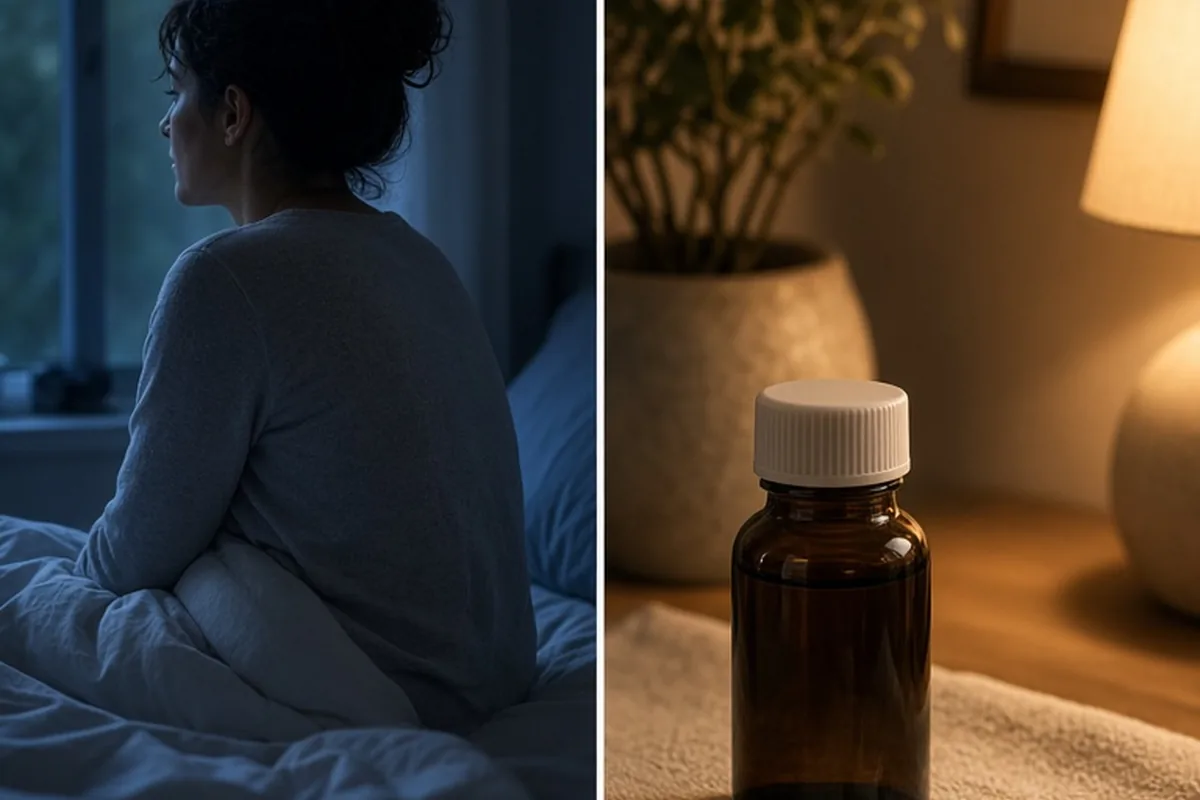
Female Viagra commonly refers to prescription medications like flibanserin or bremelanotide, designed to treat acquired, generalized low sexual desire in women. Unlike male medications that primarily increase genital blood flow, female desire treatments target brain neurotransmitters like dopamine and serotonin. They require medical supervision and address underlying brain chemistry rather than providing an instant physical reaction or replacing emotional connection and stress management.
When intimacy slows down in a partnership, it is natural to search for straightforward solutions to rekindle physical closeness. Understanding the science behind female desire and the medications designed to support it helps couples set realistic expectations and build deeper mutual satisfaction.
The Core Difference Between Male and Female Arousal Mechanisms
Popular culture often frames sexual arousal as a uniform physical response, leading many people to assume that a medication for women operates just like standard male erectile dysfunction treatments. In reality, traditional male treatments focus almost entirely on vascular mechanics by relaxing smooth muscle tissue to facilitate blood flow. Female sexual response is substantially more integrated with the central nervous system, involving a delicate interplay of neurochemicals, hormones, emotional safety, and cognitive context. Because of this complexity, treating low desire in women requires addressing how the brain interprets excitement and inhibition rather than simply increasing localized blood flow.
Sex researchers frequently describe this balance through the dual control model, which posits that sexual response relies on an accelerator (excitatory neurotransmitters like dopamine and norepinephrine) and a brake (inhibitory neurotransmitters like serotonin). For many women, low sexual interest is not a failure of physical capability, but a state where psychological brakes—such as fatigue, domestic stress, or relational tension—outweigh excitatory cues. Understanding this mechanism prevents partners from viewing low desire as a purely mechanical flaw that can be flipped on with a single pill, shifting the focus toward creating an environment where natural arousal can actually unfold.
What Approved Female Desire Medications Actually Do
When people speak of medical treatments for low female libido, they are generally referring to prescription drugs developed to address Hypoactive Sexual Desire Disorder (HSDD). The primary options currently recognized by medical authorities include flibanserin, a daily oral tablet, and bremelanotide, an on-demand self-administered injection used before anticipated sexual activity. Rather than forcing an immediate physical response, these medications work by modulating brain chemicals, raising dopamine and norepinephrine levels to heighten interest while moderating serotonin activity to lower natural inhibition.
These treatments are not universal aphrodisiacs, nor are they intended for occasional fatigue or relationship dissatisfaction. They are formulated for individuals experiencing persistent, distressing loss of desire that cannot be explained by another medical condition, medication side effect, or relationship crisis. Furthermore, they require ongoing consultation with a healthcare provider to manage potential side effects such as nausea, dizziness, or interactions with alcohol. Approaching these options as specialized medical tools rather than casual bedroom enhancers ensures that both partners maintain grounded expectations about what pharmaceutical support can and cannot accomplish.
Recognizing the Difference Between Spontaneous and Responsive Desire
A widespread misconception in long-term relationships is that healthy sexual desire must always strike out of nowhere like lightning. While spontaneous desire is common in the initial stages of dating, many individuals—particularly women in established partnerships—experience responsive desire. Responsive desire means that sexual interest does not appear before an encounter begins; instead, desire emerges in response to pleasurable, low-pressure physical touch, emotional connection, and an atmosphere free of obligation.
When a partner expects spontaneous interest and encounters hesitation, they may misinterpret that pause as rejection or physical dysfunction. For instance, initiating intimacy with an immediate expectation of intercourse often activates the emotional brake system, making arousal difficult. Conversely, engaging in unhurried physical affection—such as extended cuddling, massage, or kissing with no predetermined outcome—allows responsive desire the time it needs to develop. Recognizing this difference prevents unnecessary anxiety and helps couples cultivate intimacy at a pace that feels genuinely inviting to both people.
How Daily Stress and Mental Load Act as Intimacy Brakes
Even the most potent medical treatments cannot overcome an environment saturated with chronic stress, mental exhaustion, and unresolved resentment. For many women, arousal requires mental bandwidth that is constantly drained by managing household logistics, professional demands, and interpersonal caregiving. When an individual feels that the entire weight of daily organization rests on their shoulders, the brain remains in an alert, problem-solving state that actively inhibits sensual receptivity.
Addressing this barrier requires tangible partnership rather than romantic gestures alone. Consider a scenario where one partner attempts to initiate romance with compliments while the kitchen is in disarray and the family schedule remains unmanaged. The gesture, while well-intentioned, often falls flat because the cognitive burden has not been lifted. When partners actively share practical responsibilities and proactively resolve everyday friction, they create the mental space necessary for relaxation and mutual desire to resurface naturally.
Navigating Conversations About Libido Discrepancies Without Guilt
Mismatched sexual desire is one of the most common challenges couples face, yet discussing it often triggers defensiveness, guilt, or insecurity. When one partner feels rejected and the other feels pressured, conversations can quickly devolve into debates over frequency rather than mutual explorations of connection. The person with higher desire may worry they are no longer attractive, while the partner with lower desire may feel like a broken project that needs fixing.
Constructive dialogue begins by separating a person's worth from their current sexual appetite and avoiding ultimatum-driven language. Instead of asking why intimacy has declined or suggesting immediate medical intervention, frame the conversation around shared curiosity and emotional well-being. Asking questions such as what makes touch feel enjoyable outside the bedroom, or how both partners can feel more relaxed together, opens the door to honest feedback without attaching shame to natural physical fluctuations.
Building Sensual Connection Outside the Bedroom
Sustaining physical intimacy over years requires separating affection from an automatic expectation of sex. When every instance of physical touch—such as a hug in the hallway or a back rub on the couch—is treated solely as an on-ramp to intercourse, the partner with lower desire may begin avoiding touch altogether to prevent having to deliver a refusal. This dynamic gradually erodes baseline warmth and creates emotional distance between partners.
Couples can break this cycle by establishing non-demanding touch habits where physical closeness carries no hidden agenda. Holding hands during a walk, exchanging gentle massages with an explicit agreement that nothing further will happen, or simply lingering in a warm embrace helps rewire physical contact as a source of safety and pleasure rather than performance anxiety. Over time, reducing performance pressure allows physical desire to rebuild on a stable, voluntary foundation.
Illustrative Scenarios
Addressing the Root Causes of Bedroom Distance
After noticing that their physical intimacy had tapered off over two years, Marcus began researching over-the-counter supplements and prescription options, assuming his wife Claire was dealing with a simple physical hormonal drop. When he brought up medication during a casual conversation, Claire felt criticized and withdrew further, explaining that she felt overwhelmed by work and isolated in the marriage. Realizing that his focus on a quick medical fix overlooked her emotional reality, Marcus paused his suggestions and shifted to listening. He began taking over evening chores and scheduled regular date nights without initiating sex. Over several months, as the pressure lifted and their non-sexual connection deepened, Claire felt relaxed enough to explore intimacy again on her own terms.
Key point: Physical desire is deeply tied to emotional safety and shared life balance; addressing daily pressures often resolves intimacy roadblocks faster than searching for quick fixes.
Frequently asked questions
Does female Viagra work instantly like male erectile medications?
No. While male medications primarily improve blood flow on demand within an hour, approved medications for female desire work through central nervous system neurotransmitters. Some require daily administration over several weeks to show steady benefits, while others taken before intimacy still depend on existing emotional and physical context to be effective.
Are over-the-counter female arousal supplements safe and effective?
Most over-the-counter supplements marketed for female libido lack rigorous clinical trials and are not regulated with the same scrutiny as prescription medications. They may contain unlisted ingredients or interact negatively with other prescriptions, making a formal discussion with a medical provider far safer.
How can couples tell if low libido is medical or relationship-based?
A medical cause is more likely if low desire began abruptly, coincides with new medications, hormonal changes, or persists across all contexts including solo fantasies. If desire is present in individual thoughts but absent with a partner, relational stress, communication gaps, or unmet emotional needs are often key factors.
Your next step
Schedule an open, low-pressure conversation with your partner this week to discuss how daily stress and non-sexual affection impact your intimacy, and consult a qualified healthcare provider if persistent physical or neurochemical hurdles remain.