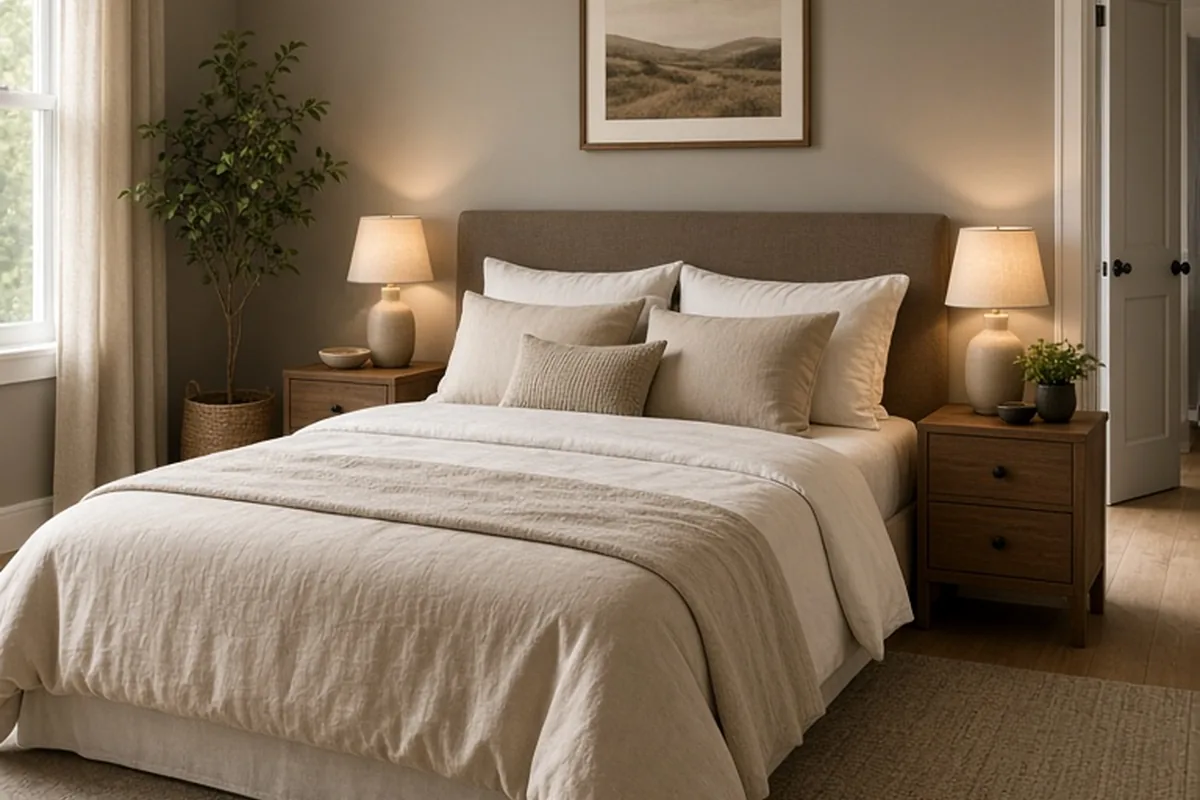
Using Feng Shui to attract love and revitalize romance centers on creating physical balance, welcoming symmetry, and intentional space for a partner. Key adjustments include placing your bed in a commanding position with clear access to both sides, balancing nightstands and lighting in pairs, decluttering the Southwest bagua area of your home, and clearing reminders of past relationships. These environmental shifts turn your personal space into an open, hospitable sanctuary that reflects emotional availability and mutual respect.
While traditional Feng Shui originated as an ancient Chinese philosophical system balancing environmental energy, modern interior design often treats it as a tangible mindfulness practice. The way you arrange your home influences how you unwind, process emotions, and invite connection into your daily routine. When a living space feels cramped, dominated by work stressors, or visibly organized around solo living, it can inadvertently reinforce personal hesitation toward romance. Thoughtfully reshaping your physical surroundings helps align your everyday environment with the healthy partnership you want to nurture.
Positioning Your Bed in the Feng Shui Command Position
In Feng Shui, your bed serves as the focal point for personal wellbeing and romantic connection. Placing the bed in the command position means situating it so you can clearly see the bedroom door without being directly in line with it. Sleeping with your feet pointing straight out the doorway, traditionally referred to as the coffin position, often creates subconscious vulnerability and disrupted rest. Ideally, position the headboard against a solid wall to offer grounded support, leaving comfortable walking space on both sides.
Pushing a bed flush against a corner wall might save floor space in a compact room, but symbolically and practically, it confines one partner to climbing over the other or sleeping trapped against plaster. This arrangement often signals that there is only room for one person in your personal world. Providing equal clearance on both sides invites parity, making it easy for an existing partner or a future companion to enter and exit the bed comfortably without feeling like an afterthought.
Activating the Southwest Bagua Area for Partnership and Receptivity
When applying the traditional bagua energy map to your home or individual bedroom, the far right corner from the main entrance represents partnership, marriage, and receptivity, associated with the Kun trigram. In classical theory, this sector corresponds to the Earth element, which thrives on stability, warmth, grounding textures, and nurturing tones. If this corner is currently occupied by an overflowing laundry basket, broken electronics, or forgotten exercise gear, clearing that physical backlog is your first practical intervention.
Enhance this zone by introducing decor elements that embody warmth and stability. Earthenware ceramics, soft ochre or terracotta accents, and gentle ambient lighting work well here without overwhelming your existing style. Avoid placing heavy metal filing cabinets or water-heavy imagery in this specific corner, as classical elemental theory suggests excess metal drains earth energy. Focus on keeping the surface clean and intentionally curated, treating this corner as a visual anchor for mutual respect and quiet harmony.
Using Symmetry and Paired Furnishings to Welcome a Counterpart
Single-occupant bedrooms frequently lean into asymmetry: one luxury nightstand, one reading lamp, and an empty wall on the other side. Feng Shui emphasizes balance as an invitation for equality. Introducing matching nightstands, paired bedside lamps, and balanced pillows establishes a visual and psychological precedent for two people sharing a life. These items do not need to be expensive or perfectly identical, but they should share roughly similar proportions and visual weight.
Examine the artwork and decorative objects displayed throughout your bedroom. Rooms filled exclusively with solitary figures, brooding solo portraits, or aggressive solo wildlife art can subtly celebrate isolation. Consider replacing imagery of solitude with art depicting pairs, harmonious landscapes, or abstract works that evoke warmth and emotional ease. The goal is not to fill every corner with literal romantic clichés, but rather to eliminate reminders of loneliness in favor of balanced companionship.
Clearing Physical and Emotional Reminders of Past Relationships
Stagnant energy often takes the form of unexamined physical clutter, particularly objects tied to former partners. Keeping old love letters, lingering gifts, or framed photos of an ex-partner in your primary sleeping space anchors your emotional attention to the past. While you do not have to destroy sentimental keepsakes, keeping them in your bedroom sends a conflicting signal about your availability. Move historical memorabilia into dedicated archival storage outside the bedroom, or donate items that carry lingering tension.
Under-bed storage presents another subtle challenge. Modern apartments frequently demand using under-bed bins for seasonal items, but packing that space with discarded shoes, tax documents, and old hardware can create a restless atmosphere directly beneath your body. If under-bed storage is unavoidable, limit contents strictly to clean, soft linens, extra pillows, or seasonal blankets. Clearing out chaotic clutter allows air and attention to circulate freely around your resting space.
Balancing Bedroom Lighting, Textures, and Tactile Comfort
Atmosphere plays an immense role in how approachable and soothing a bedroom feels to both you and a visitor. Overhead fluorescent fixtures and harsh blue-white bulbs stimulate alertness and work-oriented tension rather than intimacy. Layer your lighting by incorporating low-wattage, warm-toned bedside lamps, dimmers, or soft accent lights that diffuse a gentle glow. Lighting at eye level creates a cozier, more inviting setting that encourages unwinding and open conversation.
Texture choices further reinforce a sense of safety and mutual comfort. Incorporate breathable natural fabrics such as washed linen, brushed cotton, or soft wool throws that invite touch. If your room features cold tile or hardwood floors, placing a plush rug beneath the bed softens the room visually and physically. Subtle scents such as gentle cedar, vanilla, or light sandalwood can help define the room as a retreat, but avoid overpowering incense or synthetic room sprays that overwhelm personal sensitivity.
Removing Workspaces and Distractions to Protect Shared Sanctuary
With remote and hybrid work increasingly common, desks, dual monitors, and charging cords frequently encroach on the bedroom. In Feng Shui terms, work represents active Yang energy—demanding analysis, productivity, and stress—which directly clashes with the receptive, restorative Yin energy necessary for rest and intimacy. Looking at unfinished spreadsheets or work emails from your pillows keeps your nervous system vigilant, dampening romantic spontaneity.
Whenever feasible, relocate workstations to a living room corner, hallway niche, or dedicated office area. If studio living requires keeping your desk in the bedroom, create a clear physical or visual boundary. Use an attractive folding screen, a hanging fabric partition, or close laptop lids and store loose papers in closed drawers at the end of the workday. Turning off work equipment restores a clear distinction between your professional obligations and your private emotional life.
Adapting Feng Shui Guidelines for Small Apartments and Shared Leases
Strict classical rules can sometimes feel impossible in rental apartments with awkward alcoves, fixed radiator placements, or off-center doorways. If your architectural layout prevents you from centering your bed or avoiding an aligned doorway, practical remedies can soften the impact. A sturdy, solid headboard can compensate for a bed placed near a window, while a low footboard bench or a small screen can create a protective buffer if your bed faces the room entrance.
When negotiating decor changes with a romantic partner who is skeptical of design philosophy, frame your requests around comfort and daily ease rather than strict metaphysical doctrine. Instead of insisting on moving furniture to fix abstract energy, propose adding a second reading lamp so both people can unwind at night, or clearing bedside surfaces to reduce morning chaos. Grounding adjustments in shared usability ensures your living environment supports the relationship without turning interior styling into an ideological dispute.
Illustrative Scenarios
Opening Physical Space in a Single Professional's Apartment
Marcus, a software developer living in Chicago, felt stuck in a protracted dating dry spell. His queen-sized bed was shoved tightly into a corner to make room for a dual-monitor gaming desk, and the empty side of the bed held stacked storage boxes. He assumed moving the bed into the center of the room was inefficient. After deciding to treat his apartment as a space ready for a partner, Marcus relocated his computer desk to the living area, pulled the bed away from the wall, and installed a matching nightstand with a warm lamp. While the changes did not magically produce a relationship overnight, clearing the space changed his mindset. He began hosting dates more comfortably and felt genuine pride welcoming someone into a room clearly prepared for two.
Key point: Designing your bedroom exclusively around solitary utility can subtly reinforce romantic hesitation, whereas intentional symmetry fosters practical readiness for connection.
Reclaiming Intimacy by Decluttering a Shared Couple's Bedroom
Elena and David had been married for eight years and noticed their romantic life had dwindled into perfunctory household logistics. Over time, their primary bedroom had absorbed an ironing board, their children's discarded board games, and baskets of unfolded laundry. Elena initially thought their disconnect was purely emotional, but the cluttered room continually reminded them of pending chores. Together, they spent a Saturday removing all kid-related items and laundry from the room, installed warm low-wattage bulbs in place of the bright ceiling fixture, and designated the bedroom an electronics-free zone after nine in the evening. Removing daily household friction provided the couple with a serene, dedicated space where they could converse and reconnect without visual distractions.
Key point: A cluttered, utilitarian bedroom invites ongoing household stress; shielding your sleeping quarters from daily chaos creates emotional room for romantic renewal.
Frequently asked questions
Does my bed frame have to be made of wood for good relationship Feng Shui?
No specific material is universally required. While natural wood is prized in Feng Shui for its warm, grounded Earth and Wood associations, a sturdy upholstered or metal frame works well if it provides stable headboard support and allows open airflow beneath the mattress.
Can I keep mirrors in the bedroom if I want to support romance?
Feng Shui generally discourages mirrors that directly reflect you while sleeping, as reflective glass can bounce ambient light and stimulate alertness. If your bedroom features mirrored closet doors or a vanity mirror, angle it away from the bed or drape a lightweight cloth over it at night to ensure restful, undisturbed sleep.
What if my bedroom is not in the Southwest area of the overall house layout?
You do not need to move your bedroom to the Southwest corner of the house. Feng Shui principles apply fractally, meaning you can treat the far-right corner from your bedroom's main entrance as the partnership sector of that specific room and apply balancing adjustments there directly.
How soon should I expect romantic changes after adjusting my room?
Feng Shui is an environmental and psychological support system, not an instant magic fix. Most people notice immediate improvements in sleep quality and mental clarity within days, which naturally helps them engage with potential or current partners with greater patience, warmth, and presence.
Your next step
Walk into your bedroom today and clear the side opposite yours, ensuring there is a clear walking path, an uncluttered bedside surface, and working ambient light ready to welcome another person.