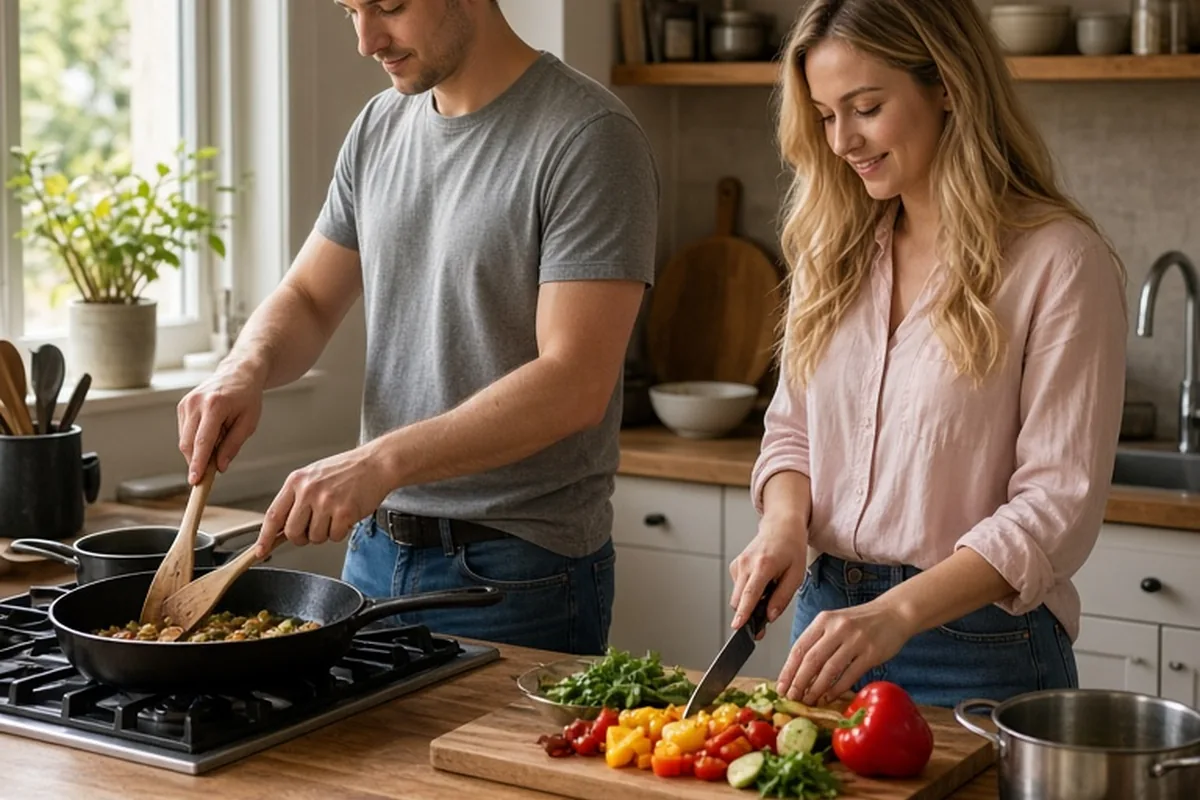
First apartment essentials include basic furniture for sleeping and seating, core cookware, durable tableware, essential cleaning tools, and personal care necessities. To build a functional and welcoming space without overspending, prioritize a quality mattress, a versatile skillet, a chef knife, two sets of bed linens, bath towels, basic lighting, and a modest toolkit before purchasing decorative items.
Stepping into your own apartment offers an exciting sense of independence, but an empty floor plan can quickly feel overwhelming. Creating a space that supports your daily routines, restores your energy, and feels comfortable when welcoming friends or a partner requires focusing on practical utility before aesthetic flourishes.
Kitchen and Cookware Fundamentals
A functional kitchen does not require every specialty gadget on the market. Instead, it relies on a tight collection of durable, versatile tools that allow you to prepare simple weekday meals and host a relaxed dinner date without frustration. Starting with a ten-inch or twelve-inch stainless steel or cast-iron skillet, a medium saucepan with a lid, and a large rimmed baking sheet provides the foundation for almost any basic recipe. Add a sharp eight-inch chef's knife, a sturdy cutting board, a silicone spatula, and a set of stainless steel tongs to handle nearly all daily cooking tasks.
Equipping your dining setup follows the same philosophy of durable simplicity. Having service for four—dinner plates, bowls, water glasses, mugs, and flatware—ensures you can invite a guest or two over without resorting to paper plates or scrambling through mismatched plasticware. While it may be tempting to buy massive pre-packaged boxed sets of kitchen tools, these often contain items you will never use, such as melon ballers or flimsy peelers. Investing in individual pieces of moderate quality saves cabinet space and prevents the need to replace broken plastic tools a few months down the road.
- One 10-inch or 12-inch stainless steel or cast-iron skillet
- One 3-quart saucepan with a fitted lid
- A single sharp 8-inch chef's knife and a large wooden or composite cutting board
- Service for four: dinner plates, shallow bowls, forks, knives, spoons, and glassware
- Core utensils: tongs, a heat-resistant spatula, a ladle, and a basic can opener
Bedroom Essentials for Rest and Privacy
Your bedroom is the core of your personal recovery and privacy, making it the most critical room to set up on day one. A supportive mattress is the single most important purchase you will make for your apartment. Pair it with a sturdy bed frame or a platform base that lifts the mattress off the floor. Lifting the bed promotes airflow, protects the mattress from dust, and creates necessary under-bed storage space in smaller floor plans.
Outfit the bed with two full sets of breathable sheets, preferably cotton or linen, along with four supportive pillows and a medium-weight duvet or comforter. Having two sheet sets prevents the Sunday night panic of waiting for the laundry to finish before going to sleep. Consider adding light-blocking window coverings early on. Streetlights and early morning sun can disrupt your sleep cycle, and proper curtains also provide immediate privacy from neighboring buildings, creating an environment where both you and any overnight guests feel completely at ease.
- Quality mattress and a stable bed frame with proper support
- Two sets of fitted sheets, flat sheets, and pillowcases
- Four comfortable sleeping pillows with protective covers
- An all-season duvet or quilt with a washable duvet cover
- Blackout curtains or sturdy blinds for sleep quality and privacy
Living Room Comfort and Seating
The main living area should serve as a comfortable zone for unwinding after work and a natural setting for conversation. Rather than filling the room with oversized furniture that restricts foot traffic, select a well-proportioned sofa or loveseat with neutral, durable upholstery. A coffee table or a pair of nesting side tables gives you a designated spot for drinks, books, or a casual shared meal while watching a movie. If space permits, an accent chair adds secondary seating, allowing two people to talk face-to-face rather than sitting side-by-side in silence.
One common trade-off in first apartments is purchasing low-cost flat-pack furniture to fill the room immediately versus waiting for higher-quality pieces. While budget constraints are real, choosing one reliable, comfortable seating piece is far better than buying an entire cheap living set that sags within six months. Adding a simple area rug helps define the seating zone, reduces sound echoes in sparsely furnished rooms, and immediately makes the space feel intentional rather than temporary.
- A supportive sofa or loveseat sized appropriately for your room dimensions
- A stable coffee table or end table with coasters to protect surfaces
- An area rug to define the conversation space and dampen noise
- A secondary seating option, such as a compact armchair or floor cushion
Bathroom Functionality and Guest Hospitality
A bathroom reveals how well an apartment is maintained and how thoughtfully a host considers other people. Basic daily needs include a clean shower curtain and liner, a non-slip bath mat, and at least two sets of matching, absorbent bath towels and hand towels. Storing an extra roll of toilet paper in plain sight prevents guests from having to rummage through your personal cabinets during a visit.
Hospitality in the bathroom comes down to small, considerate details that require minimal effort. Keep a small, lidded trash can next to the toilet, provide liquid hand soap at the sink rather than a messy used bar, and ensure there is always a clean, dry hand towel hanging within easy reach. These subtle touches communicate cleanliness, respect, and organizational maturity, transforming an otherwise sterile rental bathroom into a welcoming environment.
- Waterproof shower liner and an outer fabric shower curtain with rings
- Four absorbent bath towels, two hand towels, and washcloths
- A lidded trash bin placed beside the toilet with extra liner bags
- Pump-dispensed hand soap and a dedicated hand towel ring or hook
- A plunger, toilet bowl brush, and a discreet basket for extra paper products
Maintenance, Cleaning, and Emergency Supplies
Nothing disrupts independent living faster than a minor household emergency without the tools to handle it. Assemble a basic maintenance kit during your first week. This should include a claw hammer, a multi-bit screwdriver, an adjustable wrench, needle-nose pliers, a tape measure, a flashlight, and a roll of heavy-duty duct tape. Having these on hand allows you to assemble furniture, hang wall art, tighten loose fixtures, and manage quick repairs without waiting for building maintenance.
Cleaning supplies are equally essential to protect your security deposit and maintain a healthy home environment. Stock an all-purpose surface spray, microfiber cloths, a broom and dustpan, a vacuum or dry-sweeping mop, dish soap, laundry detergent, and trash bags. Establishing a brief weekly cleaning routine keeps chores manageable and ensures your home is always ready for spontaneous company without frantic, last-minute tidying.
- Essential tool set: hammer, multi-bit screwdriver, pliers, wrench, and tape measure
- Cleaning supplies: all-purpose cleaner, glass cleaner, dish soap, and laundry soap
- Cleaning hardware: broom, dustpan, microfiber towels, and a compact vacuum
- Safety and utility: working flashlight, spare batteries, first-aid kit, and fire extinguisher
Lighting, Atmosphere, and Everyday Practicalities
Overhead lighting in many rental apartments is harsh, cold, and uninviting. To create a space that feels calm after dark and comfortable for hosting, incorporate layered secondary lighting. A floor lamp placed in a dark corner, paired with a warm-toned table lamp on an end table or sideboard, creates a soft, welcoming glow. Choose warm white light bulbs (around 2700K) to make rooms feel cozy rather than sterile.
Do not overlook day-to-day organizational utilities that keep clutter from taking over flat surfaces. An entryway drop tray for keys and mail, a sturdy coat rack or wall hooks, surge protectors with extension cords, and adequate trash and recycling bins in the kitchen keep the apartment orderly. When every item has a designated home, maintaining a clean and inviting environment requires only a few minutes of effort each day.
- Floor and table lamps with warm-white LED bulbs (2700K to 3000K)
- Entryway organization: key dish, shoe tray, and wall hooks for jackets
- Power strips and heavy-duty extension cords for electronics and charging stations
- A designated kitchen trash and recycling setup with tight-fitting lids
Budgeting and Phasing Your Purchases
Trying to purchase every item on an apartment checklist before moving in can strain your finances and lead to regret. A practical strategy is to divide your purchases into three phases: day-one necessities, month-one comfort items, and ongoing aesthetic enhancements. Day-one items include your mattress, bedding, shower curtain, basic toiletries, and a single pan. Comfort items, like a sofa, coffee maker, and full dining set, can be acquired over the following weeks once you understand how you actually move through the space.
Living in your apartment for several weeks before buying non-essential furniture helps you observe natural light patterns, walking paths, and storage bottlenecks. You might discover that a dining table blocks the natural walkway to the kitchen, or that a desk fits better against a different wall than you initially planned. Phasing your shopping protects your bank account, prevents impulse purchases, and ensures that every piece you bring into your home serves a genuine purpose.
Illustrative Scenarios
Staging for a First Dinner at Home
Marcus recently moved into his first one-bedroom apartment and wanted to host someone he had been dating for a few weeks for dinner. His first impulse was to spend his remaining budget on decorative wall art and expensive barware to make the apartment look impressive. However, after surveying his space, he realized he lacked basic essentials: he had only one usable skillet, no hand towel in the bathroom, and mismatched plastic cups. Marcus decided to redirect his budget toward a solid chef knife, a cast-iron skillet, a set of four simple wine glasses, and proper bathroom linens. When his date arrived, the apartment felt practical, clean, and genuinely hospitable, allowing them to prepare a meal together comfortably without awkward workarounds.
Key point: True hospitality comes from functional comfort and thoughtful basics rather than superficial decorative purchases.
Pacing Purchases to Avoid Clutter
Elena felt rushed to furnish her studio apartment completely during her first weekend. She bought a large four-person dining set, multiple side tables, and a bulky storage unit from a discount furniture store. Within two weeks, she found the studio cramped, difficult to clean, and awkward to navigate when friends visited. Elena realized she had prioritized the appearance of completeness over actual mobility. She sold the oversized dining table and replaced it with a compact drop-leaf table and two comfortable folding chairs that could be tucked away when not in use, instantly restoring open floor space.
Key point: Observe how you actually utilize your square footage before committing to large furniture pieces that restrict movement.
Frequently asked questions
What items should I have inside my apartment on move-in day?
On your first night, you need a mattress, a clean set of sheets and pillows, basic toiletries, bath towels, toilet paper, a shower curtain, a phone charger, and a basic tool kit with a box cutter. Having these ready prevents late-night emergency shopping trips while you are exhausted from moving.
How much should I budget for first apartment essentials?
A realistic starting budget ranges between $1,200 and $3,000, depending on whether you purchase new items, accept hand-me-downs, or shop secondhand. Prioritize spending on a supportive mattress, essential cookware, and reliable seating, while sourcing decorative items and secondary furniture gradually over time.
Which kitchen items are worth spending more money on?
Invest in a high-quality eight-inch chef's knife and a versatile ten-to-twelve-inch stainless steel or cast-iron skillet. These two workhorse tools handle the vast majority of meal preparation, last for decades with basic care, and perform far better than cheap boxed alternatives.
How can I make my rental apartment feel welcoming for guests quickly?
Focus on cleanliness, warm lighting, and accessible amenities. Place a lidded trash can and a fresh hand towel in the bathroom, use warm-toned floor lamps instead of harsh ceiling lights, and ensure there is comfortable, dedicated seating for at least two people.
Your next step
Take an inventory of your daily routines today, write down the three most critical functional gaps in your kitchen, bedroom, or bathroom, and acquire those specific essentials before spending on purely decorative items.