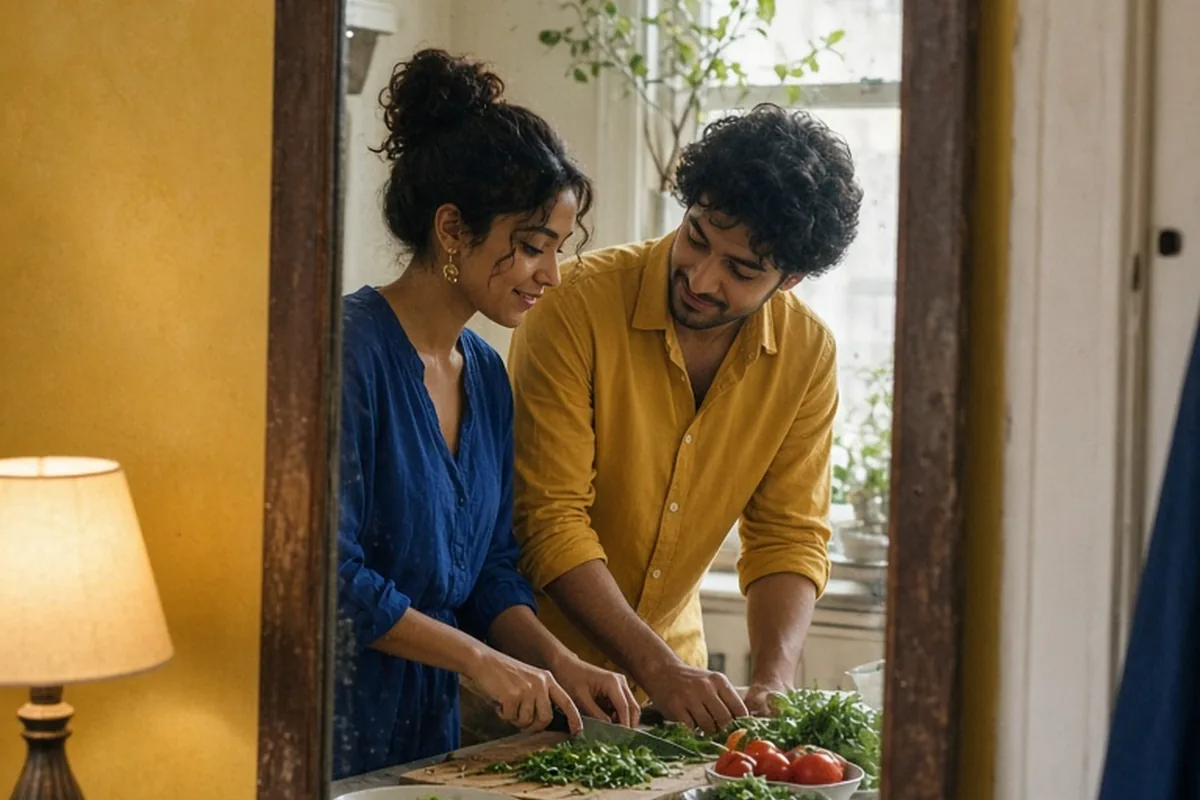
A foodie pre-wedding shoot is an interactive photography session centered on cooking, dining, or exploring culinary spots together. Instead of relying on stiff, formal poses, couples use shared meals, kitchen prep, or favorite local eateries to highlight their natural chemistry, personal traditions, and everyday joy, creating authentic, narrative-driven portraits before their wedding day.
Couples seeking memorable visual stories are increasingly turning to shared culinary rituals rather than traditional scenic backdrops. Framing an engagement session around food allows you to relax into genuine activity, turning a camera session into an enjoyable date that reflects your actual lifestyle.
Choosing the Right Culinary Theme for Your Relationship Story
A successful food-themed photoshoot begins by identifying culinary habits that genuinely reflect your history as a couple. Rather than picking a concept solely because it looks trendy on social media, consider the meals and settings that carry emotional weight in your relationship. This could be recreating your first dinner date at an intimate Italian trattoria, making fresh pasta together in your apartment, setting up a casual backyard barbecue, or sharing dim sum at a lively neighborhood spot you visit every Sunday. When the activity feels familiar, your expressions, laughter, and body language remain natural and unforced throughout the session.
When selecting a theme, consider the atmosphere you want to project in your final album. An artisanal coffee and bakery crawl produces a warm, relaxed morning aesthetic with soft ambient light, while an evening cocktail and tapas tour creates a sophisticated, moody, and romantic vibe. The key trade-off involves complexity: highly involved cooking setups require significantly more preparation, equipment, and cleanup than visiting an established cafe or street market. Choose a concept that balances your creative vision with the amount of logistical effort you want to manage on the day of the shoot.
Selecting Practical Locations: Kitchens, Cafes, and Markets
Location sets the tone and dictates the logistical requirements of your shoot. A home kitchen offers maximum intimacy, familiar comfort, and complete control over timing, making it ideal for relaxed baking or casual breakfast scenes. However, residential kitchens can present challenges with limited natural light and cramped workspaces. If your own kitchen does not offer adequate space or lighting, consider renting a daylight culinary studio or an aesthetically styled vacation rental for a few hours, which provides ample natural light, photogenic surfaces, and professional backdrops without clutter.
Public venues like local coffee shops, rooftop lounges, outdoor farmers markets, or vibrant street food alleys offer dynamic visual textures and energetic backgrounds. When using commercial spaces, always contact management in advance to secure permission, inquire about filming fees, and understand house rules regarding professional equipment. Schedule public shoots during off-peak hours, such as early weekday mornings or mid-afternoon lulls, to avoid crowded dining rooms, background noise, and unintentional disruption to everyday patrons and restaurant staff.
Styling Outfits and Color Palettes for Food-Centric Photography
Wardrobe selection for a food-focused session requires balancing visual harmony with practical mobility. Your clothing should complement the environment and the colors of the food without clashing or blending into the background. For instance, in a bright, minimalist kitchen setting, soft earth tones, neutral creams, linen shirts, and comfortable denim create an effortless, timeless look. If your shoot takes place at a colorful open-air market or an upscale cocktail lounge, deeper tones, tailored jackets, or elegant midi dresses can elevate the visual drama while matching the venue's sophistication.
Practicality is just as critical as aesthetics when handling ingredients, hot cookware, or saucy dishes. Avoid bulky sleeves that might drag through batter, stiff collars that restrict natural movement, or delicate, dry-clean-only silks that water or oil drops could easily ruin. Consider incorporating stylish, functional accessories like matching canvas aprons, folded tea towels, or rolled-up sleeves to reinforce the hands-on narrative. Always bring a backup outfit in your garment bag to quickly resolve accidental sauce spills or flour dusting without cutting the shoot short.
Posing Naturally: Turning Food Preparation into Candid Moments
The greatest advantage of a foodie shoot is that food provides a built-in activity, eliminating the awkwardness of wondering where to look or what to do with your hands. Shift your focus away from maintaining continuous eye contact with the camera and instead engage fully with the task and each other. Actions such as kneading dough together, chopping vibrant vegetables side by side, sharing a single pastry, or clinking glasses create fluid movement, organic smiles, and authentic interactions that convey warmth and ease.
To keep the photos from feeling staged, aim for small, spontaneous micro-interactions rather than exaggerated theatrical poses. Lean in to taste a spoonful of sauce your partner holds, laugh over an imperfectly flipped pancake, or gently wipe a stray dab of flour from each other's cheek. Your photographer can capture wide shots of the entire scene, medium shots showing your interaction, and tight macro shots highlighting hands working together, sizzling pans, or detailed tabletop arrangements to build a rich narrative arc.
Curating Visually Striking Props, Ingredients, and Table Settings
The ingredients and tabletop elements you choose serve as supporting characters in your visual story. Fresh, colorful produce with rich textures—such as heirloom tomatoes, leafy greens, citrus halves, fresh basil, rustic crusty bread, or dusted berries—naturally elevate the visual composition. Work with your photographer to incorporate tactile props like wooden cutting boards, matte ceramic plates, marble slabs, vintage cutlery, clear glassware, and textured linen napkins to add depth and interest to the frame.
Keep in mind that real food changes appearance over time under warm ambient lights or prolonged exposure to air. Ice cream melts quickly, leafy salads wilt, and cooked proteins can dry out or lose their vibrant sheen after sitting on a table for twenty minutes. Use cold or room-temperature dishes where possible, apply a light brush of olive oil to refresh roasted items, and keep delicate garnishes or ice-cold beverages in reserve until the photographer is fully framed and ready to take the primary shots.
Collaborating with Your Photographer on Lighting and Timing
Food and portrait photography require distinct technical considerations, so it is beneficial to hire a photographer experienced in lifestyle and culinary imagery or communicate your vision clearly beforehand. Lighting should flatter both human skin tones and the food surfaces. Side lighting from a large window often works best, creating soft highlights and gentle shadows that accentuate texture on bread, sauces, and glassware without creating harsh glare on faces or oily reflections on plates.
Structure the photography timeline around the lifecycle of the food. Begin with broad preparation and raw ingredient shots, transition into active cooking or plating sequences, move to seated dining and toasts, and conclude with playful, relaxed interactions over dessert or coffee. This chronological progression keeps the energy moving naturally, ensures that hot or delicate dishes are photographed at their peak freshness, and allows you to enjoy eating the food toward the end of the session without worrying about disturbing a pristine setup.
Managing Comfort, Hygiene, and Spills During the Shoot
Working with edible elements introduces practical considerations that do not exist in conventional portrait shoots. Sticky hands, crumbs, sauce splatters, and moisture can disrupt the flow if you are unprepared. Pack a dedicated touch-up and hygiene kit containing neutral wet wipes, microfiber cloths, lint rollers, blotting paper, breath mints, and compact mirrors. Having these supplies within arm's reach allows you to quickly clean fingers or tidy a messy tabletop between takes without breaking momentum.
Pacing your food and beverage consumption is equally important for overall comfort. While taking bites and sipping drinks looks charming on camera, eating heavy portions throughout a two-hour shoot can leave you feeling sluggish, bloated, or self-conscious in fitted clothing. Take small, mindful bites during active frames, stay hydrated with plain water between setups, and save the bulk of the meal to enjoy together as a celebratory wrap-up once the camera is packed away.
Frequently asked questions
How long does a foodie pre-wedding photoshoot typically take?
Most culinary engagement sessions take between one and a half to three hours depending on the number of locations. This timeframe allows sufficient room to prepare food, capture candid preparation moments, photograph the final dining scene, and manage quick outfit or tabletop adjustments without feeling rushed.
What should we do if we are not confident cooks but love food?
You do not need culinary expertise to have a memorable foodie shoot. Opt for low-prep concepts like building an artisanal charcuterie board, decorating cupcakes, visiting your favorite local coffee shop, or touring an outdoor food festival where the focus remains on shared enjoyment rather than cooking skills.
Do we need commercial permits to shoot at a restaurant or cafe?
Policies vary significantly by establishment and city ordinances. Always contact the manager or owner well in advance to obtain permission, confirm whether a location fee applies, and determine the quietest hours for shooting so your session does not disrupt regular business operations.
How can we prevent food from spoiling or looking unappealing during the session?
Keep hot or delicate items chilled or off-camera until the photographer has finalized composition, framing, and test lighting. Use room-temperature ingredients when feasible, have fresh herbs on hand for last-minute garnishing, and lightly mist fresh produce with water just before shooting to maintain a crisp look.
Your next step
Choose one culinary activity that genuinely reflects your relationship, book a location with ample natural light, and coordinate with your photographer to outline a relaxed, step-by-step shooting schedule.