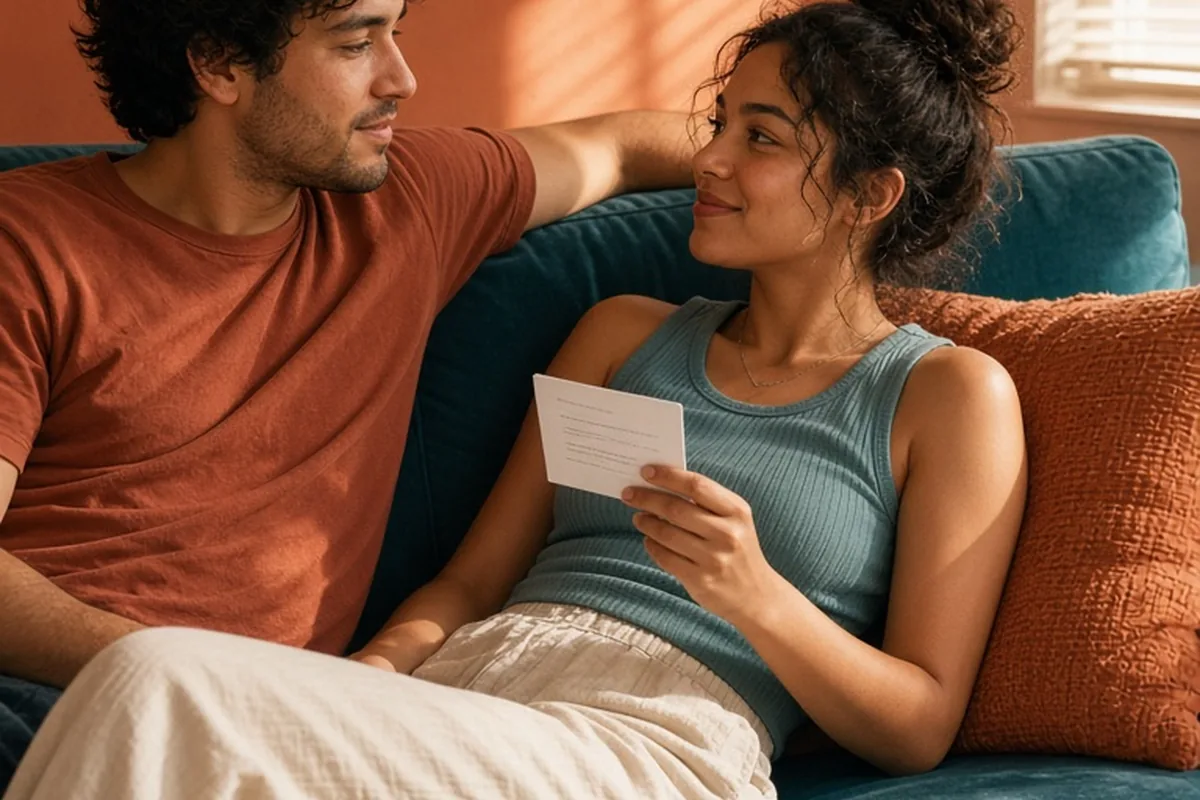
Great games to play with your girlfriend range from low-pressure conversation starters like Would You Rather and Two Truths and a Lie to cooperative video games, card games, and trivia nights. The best choice matches your shared mood, whether you want lighthearted laughter, cooperative problem-solving, or deeper emotional intimacy, creating an easy opportunity to connect without competition turning into frustration.
Playing games together offers a reliable way to break up daily routines, spark unexpected conversations, and enjoy shared leisure without the pressure of an elaborate date. Whether you are relaxing on the couch after a demanding work week or staying connected across distance, choosing the right activity helps you discover new sides of each other in a relaxed, low-stakes environment.
Conversation Games That Spark Deeper Insight and Laughter
Prompt-based conversation games are among the simplest and most flexible options because they require no setup, equipment, or rigid rules. Classic formats like Would You Rather, Two Truths and a Lie, or Hot Takes allow both of you to share personal opinions, quirky memories, and funny preferences that rarely surface during standard catch-up conversations. You can easily adapt the tone from ridiculous scenarios to thoughtful questions about life goals and personal values.
To make these games enjoyable, focus on curiosity rather than cross-examination. For example, asking your partner whether she would rather live in a remote mountain cabin or a bustling coastal city can naturally evolve into a discussion about travel dreams, childhood vacations, and ideal lifestyle paces. The limit of conversation games arises when questions turn into emotional tests; keep prompts playful and give each other room to decline topics that feel too heavy for a casual evening.
Cooperative Video Games That Encourage Teamwork
Video games provide an immersive way to collaborate, especially when you choose cooperative titles designed for two players rather than intense player-versus-player modes. Games like It Takes Two, Overcooked, or Stardew Valley place you on the same team, requiring clear communication, shared timing, and mutual encouragement to achieve a common goal. This shared problem-solving dynamic builds a sense of camaraderie and produces plenty of humorous moments when plans inevitably go awry.
When introducing video games, it is crucial to match the experience level of both partners so neither person feels overwhelmed or sidelined. If one partner has less gaming experience, pick titles with forgiving controls, charming art styles, and low penalty for failure. The primary drawback of gaming sessions is that one partner can accidentally dominate the decision-making; consciously step back, celebrate small victories together, and ensure both players have equal control over the action.
Card and Tabletop Games for Relaxed Nights at Home
Tabletop games offer a tactile, screen-free alternative that turns an ordinary night at home into an engaging event. Two-player card games such as Exploding Kittens, Uno, or specialized relationship card decks create quick, bite-sized rounds that keep the energy lively. If you both prefer longer strategic experiences, light board games like Carcassonne, Patchwork, or Ticket to Ride: Nordic Countries provide rich strategy without requiring hours of dense rule reading.
Setting up a dedicated game area with comfortable seating and favorite snacks elevates the entire experience into a distinct ritual. For instance, spending an hour playing a fast-paced game of Bananagrams allows you to banter, trade lighthearted teasing, and enjoy friendly intellectual sparring. The trade-off with tabletop games is that complex mechanics can sometimes induce decision fatigue, so it is best to gauge your partner's mental energy before picking a lengthy strategy game after a tiring workday.
Playful Outdoor and Active Games for High Energy
When you want to get moving and enjoy fresh air, active games provide physical energy and a refreshing change of scenery. Casual backyard activities like pickleball, badminton, frisbee golf, or miniature golf combine gentle physical movement with lighthearted competition. These outings naturally incorporate physical humor, shared laughs over missed shots, and an upbeat atmosphere that keeps the mood vibrant and dynamic.
The key to active games is maintaining an emphasis on shared fun rather than athletic mastery. For example, during a round of mini-golf, you might create silly customized rules, such as taking a putt with your non-dominant hand or inventing fictional backstories for each course obstacle. A potential pitfall occurs when one person treats a casual afternoon as a serious tournament; keeping the tone light and focusing on the shared outing prevents unnecessary tension.
Digital and Texting Games for Long-Distance Connection
If you and your girlfriend are navigating a long-distance relationship or simply balancing busy work schedules during the week, mobile and browser-based games keep you connected throughout the day. Turn-based mobile games like Words With Friends, asynchronous chess, or mobile trivia allow you to exchange moves whenever you have a free moment. You can also play interactive storytelling games or browser escape rooms together over a shared video call.
These micro-interactions offer consistent touchpoints that show you are thinking of each other without requiring hours of uninterrupted time. A quick morning turn in a puzzle game followed by a playful text creates a pleasant sense of shared routine. The limit of digital gaming is that it can feel impersonal if it completely replaces meaningful voice or video check-ins; use mobile games as an entertaining complement to regular conversation rather than a substitute for deeper emotional dialogue.
Setting Boundaries and Keeping Competition Healthy
Playful rivalry can be thrilling, but differing competitive styles can occasionally create friction if expectations are not aligned from the start. Some people thrive on sharp tactical challenges, while others view game nights strictly as a relaxing social activity. Before diving into a high-stakes match, check in briefly to establish what kind of vibe you both want for the session, ensuring that winning remains secondary to enjoying each other's company.
Establishing simple ground rules, such as agreeing not to gloat or taking a brief intermission if frustration arises, keeps the atmosphere welcoming and safe. If a game starts producing genuine irritation, smoothly transition to a cooperative activity or suggest wrapping up the round without making your partner feel self-conscious. Prioritizing mutual respect and positive emotional climate ensures that game nights remain an anticipated highlight of your relationship.
Illustrative Scenarios
Navigating Unequal Skill in Cooperative Video Games
Marcus wanted to share his passion for gaming with his girlfriend, Elena, so he set up a fast-paced platformer on his console. Elena, who rarely played video games, quickly struggled with the complex controller inputs and missed several timed jumps. Marcus initially tried to coach her by pointing out her mistakes in real time, which caused Elena to set the controller down and feel embarrassed. Recognizing the growing tension, Marcus paused the game and apologized for rushing her. He suggested switching to an accessible puzzle game where they could analyze clues together at a relaxed pace without timing pressure.
Key point: Matching game complexity to your partner's comfort level and offering collaborative support creates an enjoyable, inclusive environment that builds mutual confidence.
Managing Competitive Tension During Board Games
During a weekend cabin trip, David and Maya decided to play an intense tactical strategy board game. As the match progressed, David focused intensely on optimizing his score and aggressively blocked Maya's moves, assuming she would appreciate the rigorous challenge. Instead, Maya became quiet and disengaged, feeling that the aggressive gameplay drained the warmth from their evening. When David noticed her shift in mood, he stepped away from the board to ask how she was feeling. After Maya expressed that she wanted a cozy, social evening rather than an aggressive contest, they agreed to pack up the strategy game and switch to a lighthearted trivia deck over tea.
Key point: Checking in on your partner's emotional state during competitive games helps prevent minor rivalries from turning into unwanted relationship friction.
Frequently asked questions
What are the best games to play if my girlfriend does not consider herself a gamer?
Start with intuitive party games, cooperative titles with simple controls, or conversation card decks that require zero prior gaming background. Games like Codenames Duet, Dobble, or casual mobile trivia offer quick fun without complicated rulebooks.
How can we keep competitive games from causing arguments?
Establish a lighthearted tone early by agreeing that laughter matters more than the final score. If you notice tension rising, introduce silly handicap rules, celebrate each other's clever plays, or switch to a cooperative game before frustration builds.
Which games work best for a romantic or cozy date night?
Prompt cards designed for couples, cooperative mystery games, and puzzle board games work exceptionally well for intimate evenings. Pairing these activities with soft lighting, favorite snacks, and background music creates a warm, connected ambiance.
Your next step
Pick two contrasting game options, such as one conversation deck and one casual cooperative game, and ask your girlfriend which mood fits your next evening together best.