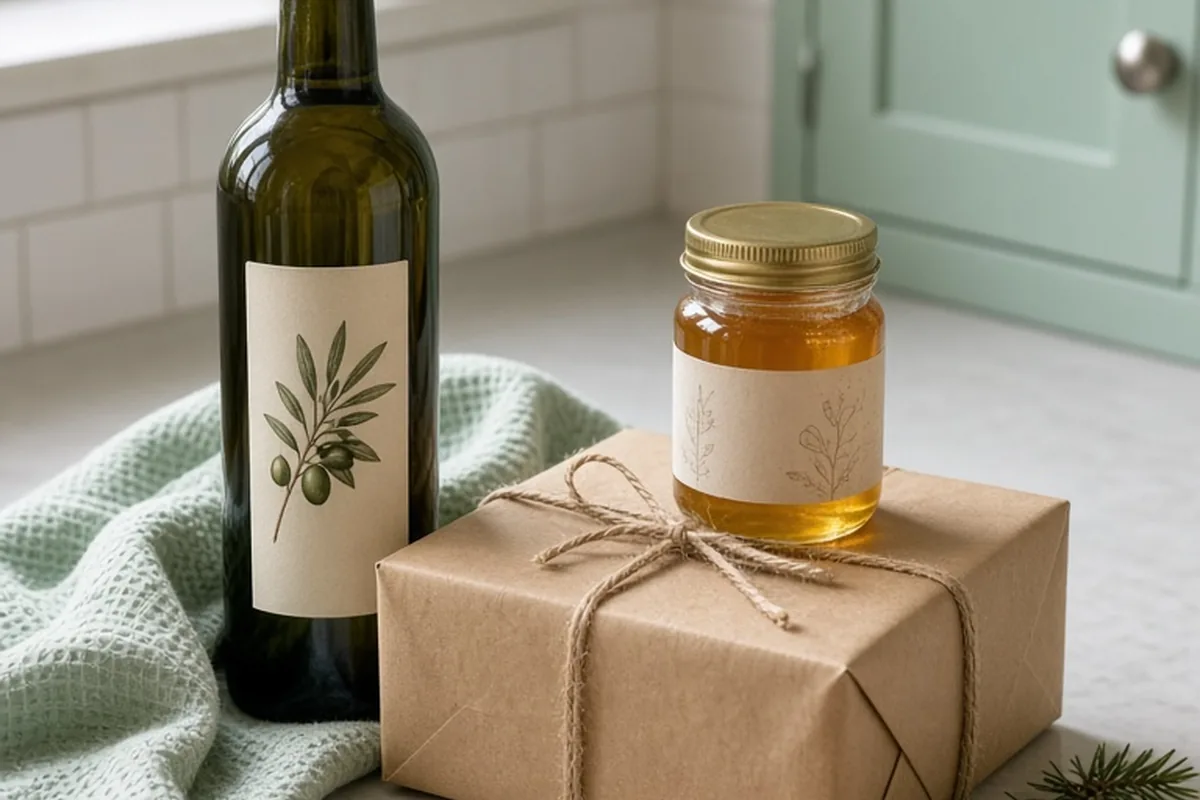
The best gifts for people you do not know well are universally enjoyable, low-obligation, and practical. Safe choices include elevated pantry staples like gourmet olive oil or honey, versatile drinkware, neutral desk accessories, high-grade consumable treats, and universally redeemable gift cards. Focus on quality over novelty, avoid deeply personal or scented items, and choose gifts that provide immediate utility without requiring emotional closeness or significant lifestyle assumptions.
Whether participating in a workplace holiday exchange, thanking a new neighbor, or attending a gathering hosted by an acquaintance, choosing a thoughtful present without deep personal knowledge can feel challenging. Finding an appropriate gift comes down to striking the right balance between genuine warmth and neutral courtesy.
Elevated Consumables and Artisanal Pantry Staples
Consumable gifts consistently rank among the most effective choices for distant acquaintances because they deliver immediate sensory enjoyment without creating long-term physical clutter. When you do not know someone's hobbies, home decor style, or personal taste, gifting a physical object can inadvertently burden them with something they feel obligated to store or display. Premium food items bypass this issue entirely by offering a temporary, luxurious experience. Instead of buying standard mass-market chocolate boxes or generic corporate snack towers, focus on upgrading common culinary staples that fit naturally into everyday cooking.
A bottle of single-estate extra virgin olive oil, a sampler of regionally harvested raw honeys, or a jar of small-batch fruit preserves communicates care and refinement without presuming intimate knowledge of the recipient. When choosing edible items, always exercise caution regarding common dietary boundaries and lifestyle choices. Steer clear of snacks containing tree nuts, peanuts, or gluten unless you have confirmed the recipient has no allergies. Similarly, avoid gifting wine, spirits, or other alcoholic beverages to people you do not know well, as alcohol preferences, religious observances, and recovery choices are deeply personal. Neutral, universally appreciated gourmet basics remain the safest route to success.
- Single-estate cold-pressed extra virgin olive oil with a dedicated pour spout
- Curated samplers of loose-leaf herbal, black, or green teas
- Artisanal finishing salts, such as smoked sea salt or coarse flake salt
- Small-batch clover, wildflower, or raw regional honeys
Functional Desk and Workspace Essentials
Practical tools designed for professional or home office settings bridge the gap between everyday utility and thoughtful consideration. Most adults spend significant portions of their day at a workspace, which means high-quality desk accessories provide continuous utility. The key is to select items that solve small, universal daily friction points rather than adding ornamental clutter. Sturdy tech organizers, high-durability braided charging cables, or weighted desktop phone stands offer tangible daily value regardless of the recipient's career field or personal aesthetic.
To keep workspace gifts feeling polished rather than purely utilitarian, prioritize materials, weight, and minimalist design. A sleek matte-black aluminum pen that accepts standard refills, a smooth leather or cork desk blotter, or a heavy brass paperweight feels substantial and purposeful. Avoid cheap novelty plastic items, branded promotional swag, or gimmicky USB-powered toys that quickly end up in a desk drawer. By sticking to clean geometric lines, neutral colorways like slate, charcoal, or warm wood, and reputable manufacturing, you provide a tool that elevates their working routine without feeling overly familiar.
Neutral Living and Kitchen Upgrades
Household items can make wonderful presents for dinner hosts, new neighbors, or extended family members, provided the items do not clash with existing interior styling. The most successful home presents are tactile, durable upgrades to items people use constantly but rarely splurge on for themselves. Heavyweight European linen tea towels in muted neutral shades, solid acacia or walnut serving boards, and natural slate coaster sets integrate seamlessly into virtually any kitchen aesthetic without demanding specific architectural matching.
The primary risk to avoid in the home goods category is sensory or aesthetic presumption. Scented candles, room sprays, scented lotions, and incense are among the most polarizing gifts possible because scent preferences are highly subjective, and synthetic fragrances frequently cause headaches or respiratory reactions. If you wish to give drinkware, select a premium double-walled stainless steel tumbler or a minimalist stoneware mug in a cream, charcoal, or terracotta finish. Avoid novelty drinkware featuring slogans, political humor, or quirky illustrations, as these rarely match an acquaintance's private taste.
Flexible Experience and Convenience Gift Cards
While gift cards have occasionally been labeled as impersonal, practical experience shows they are among the most appreciated presents when selected with intentionality. The secret to giving a gift card to someone you do not know well is striking a balance between specific thoughtfulness and practical convenience. Highly restrictive gift cards for obscure clothing boutiques or specialized hobby shops risk going unused, while generic grocery store cards can feel overly clinical. The ideal compromise involves selecting mid-tier national bookstores, regional coffee roasters with multiple accessible locations, or major digital audio and book platforms.
Presentation plays a critical role in transforming a simple card into a memorable, polished present. Slipping a fifteen-dollar coffee shop gift card into a high-grade insulated travel cup, or tucking a bookstore gift card inside a blank linen-bound notebook, instantly creates an appealing physical package. When deciding on card values, choose an amount that covers a complete purchase rather than forcing the recipient to pay out of pocket. For example, a card to a specialty cafe should comfortably cover two drinks and a pastry, whereas a card to a sit-down restaurant that only covers a fraction of an entree creates an unwanted financial obligation.
Low-Maintenance Indoor Botanicals
A small touch of living greenery adds warmth and freshness to a home or office environment, making potted plants a traditional favorite for casual gifting. However, giving a plant to an acquaintance introduces the danger of accidentally assigning them a demanding chore. To keep the gesture positive and stress-free, exclusively choose plant species recognized for resilience, minimal watering requirements, and tolerance for low or indirect sunlight. Varieties such as snake plants (Sansevieria), ZZ plants (Zamioculcas zamiifolia), and cast-iron plants (Aspidistra elatior) can thrive for weeks with minimal attention.
Beyond drought tolerance, safety and physical dimensions require careful thought. Large floor plants can crowd compact living spaces, while certain popular houseplant varieties, including peace lilies and pothos, are toxic to household pets if chewed. If you are unsure whether the recipient owns curious cats or dogs, select guaranteed non-toxic species such as small Peperomia plants, Boston ferns, or a miniature indoor culinary herb kit containing basil or thyme. Pairing the plant with a neutral ceramic planter that includes a drainage saucer ensures the recipient can display it immediately without needing to purchase additional gardening supplies.
Boundaries and Etiquette for Low-Familiarity Gifting
Maintaining clear social etiquette and modest spending boundaries prevents unnecessary awkwardness when exchanging gifts with people outside your close circle. Gifting an excessively expensive or lavish item to an acquaintance often triggers discomfort, as it establishes an unspoken sense of social debt or unequal reciprocity. For most professional exchanges, casual acquaintances, or host situations, maintaining a budget between fifteen and thirty-five dollars keeps the exchange friendly, appropriate, and balanced. Always ensure price tags are removed, and tuck a discreet gift receipt into the card envelope to provide effortless returns.
Equally important is steering clear of gift categories that inherently require intimacy or personal familiarity. Clothing items that depend on exact sizing, fine jewelry, cosmetics, skincare regimens, self-help literature, and items carrying political, religious, or satirical humor carry heavy assumptions and can easily cause misunderstandings. Sticking to neutral functionality, exceptional craftsmanship, and understated presentation protects both you and the recipient, ensuring your gesture is received with genuine appreciation and ease.
Frequently asked questions
How much should I spend on a gift for someone I do not know well?
A spending range between fifteen and thirty-five dollars is generally ideal for casual acquaintances, colleagues, and distant hosts. This price point allows you to purchase a high-quality version of an everyday item without creating an uncomfortable sense of social obligation.
Are scented candles a safe gift for casual acquaintances?
Scented candles are generally risky because fragrance preferences are intensely personal, and many individuals experience allergies or headaches from synthetic scents. If you want to give a home item, opt instead for neutral kitchen linens, wooden boards, or unscented beeswax candles.
What is the best way to present a gift card so it feels personal?
Present the gift card inside a handwritten greeting card with a warm, brief message explaining why you chose that particular spot. You can also pair the card with a small tangible item, such as placing a coffee card inside a ceramic mug or attaching a bookstore certificate to a high-quality pen.
Is it appropriate to give cash to an acquaintance?
Cash is generally considered awkward for peers, colleagues, or casual acquaintances because it feels transactional rather than thoughtful. The primary exceptions are holiday gratuities for service providers, building staff, or childcare professionals, where cash is standard and expected.
Your next step
Select a high-quality version of a neutral, everyday item such as gourmet olive oil or a clean desk accessory, verify it carries no dietary or fragrance complications, and include a brief handwritten note.