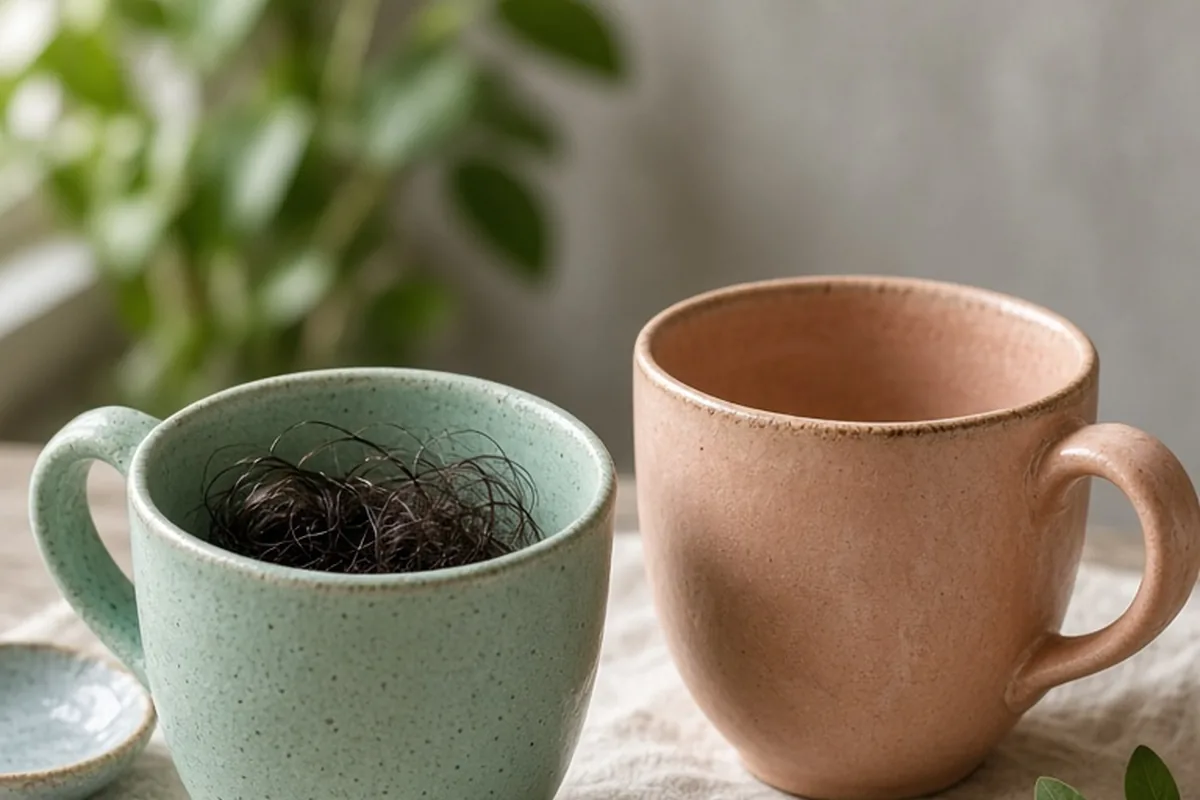
Hair breakage for low porosity hair usually occurs when tightly bound cuticle layers prevent water from entering the hair shaft, leaving inner fibers dry and brittle. When heavy products or excess proteins accumulate on the surface rather than penetrating, the hair loses elasticity and snaps under tension. Resolving this breakage requires using gentle heat to open cuticles during conditioning, clarifying buildup regularly, and choosing lightweight, penetrating hydrators over heavy butters.
Low porosity strands naturally resist moisture because the overlapping protective scales of the hair cuticle lie flat and tightly packed. While this structure excels at retaining hydration once inside, getting water past that initial barrier presents a consistent challenge that often ends in unexplained snapping.
Why Low Porosity Hair Snaps Instead of Bends
Healthy hair possesses a natural elasticity that allows it to stretch slightly under tension and return to its original shape without snapping. In low porosity hair, that elasticity is easily compromised because the inner cortex remains chronically parched even when the hair feels coated or wet to the touch. Because the cuticle scales lie completely flat against the strand, water molecules bead up and slide off rather than absorbing into the deeper layers. Without sufficient internal water content, the keratin bonds within the cortex become rigid and lose their pliable nature.
When rigid hair undergoes everyday handling, such as brushing, styling, or resting against rough fabrics, it cannot flex to absorb the mechanical force. Instead of stretching, the strand fractures along the surface or breaks off entirely mid-shaft. This vulnerability is compounded by the fact that low porosity hair often gives the illusion of being moisturized immediately after product application. In reality, the product often sits as an external film, leaving the core dry, fragile, and prone to breaking at the slightest tug.
Identifying Protein Overload Versus Severe Dryness
A frequent trigger of severe breakage in low porosity hair is protein overload, a condition that occurs when treatments deposit more structural proteins onto the cuticle than the hair can accommodate. Because low porosity hair already has an intact, tightly sealed cuticle layer, it requires very little external structural reinforcement. When subjected to frequent keratin, hydrolyzed silk, wheat protein, or collagen treatments, these proteins form a stiff, inflexible shell over the cuticle, preventing even ambient humidity from reaching the cortex.
Distinguishing between protein overload and simple moisture deficiency helps determine the correct corrective action. Protein-overloaded hair typically feels rough, stiff, and resembles dry straw, snapping instantly with zero stretch when pulled gently. In contrast, hair that simply lacks moisture feels dry and dull but tends to stretch slightly before breaking, often displaying split ends and frizz rather than sudden mid-shaft fractures. If your breakage escalated after introducing a reconstructive mask or strengthening conditioner, an excess of surface protein is the probable cause.
Using Heat and Steam to Soften Low Porosity Cuticles
Applying moisturizing products to cold or room-temperature low porosity hair rarely yields deep hydration because the cuticles remain firmly closed. To facilitate absorption, you must introduce indirect warmth, which gently lifts the cuticle scales and allows water, humectants, and conditioning agents to travel inward. Warm water during the initial wash stage softens the hair fiber, but thermal treatment during the deep conditioning phase provides the greatest defense against ongoing breakage.
Effective thermal methods include wearing a plastic processing cap under a hooded dryer, using a heated gel cap, or sitting beneath a dedicated hair steamer for fifteen to twenty minutes during conditioning. The goal is mild, indirect warmth rather than high-temperature heat styling. Direct high heat from flat irons or curling wands can scorch already vulnerable low porosity strands, stripping away whatever internal moisture remains and worsening breakage along the perimeter.
Selecting Penetrating Ingredients Over Heavy Sealants
Product selection plays a major role in either preventing or exacerbating low porosity hair breakage. Thick, heavy sealants like raw shea butter, pure coconut oil, and heavy castor oil are common culprits in breakage routines. These dense substances have large molecular weights that cannot penetrate tight cuticles. Instead, they form a thick, greasy barrier on the exterior that repels subsequent water applications, creating a state of chronic internal dehydration.
To keep strands supple and resilient, prioritize lightweight humectants and oils with smaller molecular structures that can navigate between cuticle scales. Ingredients such as vegetable glycerin, aloe vera juice, panthenol, and agave nectar attract and bind water to the strand. For sealing that moisture, lighter plant oils like argan, jojoba, sweet almond, and grapeseed provide surface protection without forming an impenetrable, hardening film that leads to stiffness and snapping.
Preventing Brittle Buildup Through Clarifying
Because low porosity strands repel products, styling creams, leave-in conditioners, and mineral deposits from tap water readily accumulate on the hair shaft over time. This layer of buildup eventually hardens, creating a brittle exterior coating that prevents any new moisture from entering while increasing surface friction. When coated strands rub against each other, the abrasive buildup accelerates cuticle chipping and breakage.
Incorporating a dedicated clarifying shampoo once every two to four weeks removes this stubborn barrier and resets the hair shaft. If you live in an area with hard water, a chelating shampoo formulated to bind and remove mineral deposits like calcium and magnesium is especially valuable. Clarifying should always be followed immediately by a warm deep-conditioning session to restore suppleness before the hair dries.
Minimizing Mechanical Stress During Detangling and Styling
Mechanical damage from detangling tools, high-tension hairstyles, and friction accounts for a large proportion of breakage on low porosity textures. Low porosity hair is at its most vulnerable when dry, as the rigid fibers offer no give against brushes or fine-tooth combs. Attempting to force a tool through unconditioned, dry low porosity hair will shear off strands along the perimeter and crown.
Always detangle low porosity hair when it is damp and saturated with a slippery, water-based conditioner that provides ample slip. Work in small sections, starting from the ends and moving upward toward the roots with a wide-tooth comb or flexible detangling brush. Avoid tight ponytails, abrasive elastic bands with metal clasps, and rough cotton pillowcases. Switching to satin or silk scrunchies and sleeping on a satin pillowcase minimizes overnight friction that weakens brittle ends.
Establishing a Low Porosity Wash Day Routine
A structured, low-manipulation wash routine is the most reliable way to reverse persistent breakage and maintain balanced moisture levels over time. Begin by wetting the hair thoroughly with warm water for at least three to five minutes to soften the cuticle layer before applying a sulfate-free cleanser. Gently massage the scalp and allow the lather to rinse down the lengths, reserving clarifying formulas for days when buildup is visibly present.
After cleansing, apply a protein-free or low-protein deep conditioner enriched with humectants, distributing it evenly with your fingers. Cover the hair with a plastic cap and apply moderate heat for fifteen minutes to drive the moisture into the cortex. Rinse with lukewarm water to clear excess residue, then apply a lightweight liquid leave-in and a few drops of light oil while the hair is still damp to lock in hydration without weighing down the strand.
Frequently asked questions
How often should low porosity hair be washed to avoid breakage?
Washing once a week or every seven to ten days is generally ideal for low porosity hair. This frequency prevents heavy product buildup from stiffening the strands while ensuring the hair receives fresh hydration regularly.
Can coconut oil cause hair breakage for low porosity hair?
Yes, coconut oil can contribute to breakage in low porosity hair. It acts similarly to a protein by binding tightly to the strand, which can create a stiff surface barrier that prevents water absorption and causes brittle snapping.
How do I know if my hair breakage is caused by low porosity or high porosity?
Low porosity hair takes a long time to get wet, dries slowly, and breaks with a stiff, rigid snap due to surface buildup and product repelling. High porosity hair absorbs water instantly, dries very fast, and breaks due to rough, damaged, or missing cuticles that cannot retain moisture.
Should low porosity hair completely avoid protein treatments?
Low porosity hair does not need to eliminate protein entirely, but treatments should be used sparingly. Limit structural treatments to once every six to eight weeks, focusing primarily on humectant-rich, hydrating deep conditioners for weekly maintenance.
Your next step
Clarify your hair on your next wash day to remove surface buildup, then apply a protein-free deep conditioner under a heated processing cap for fifteen minutes to restore internal elasticity.