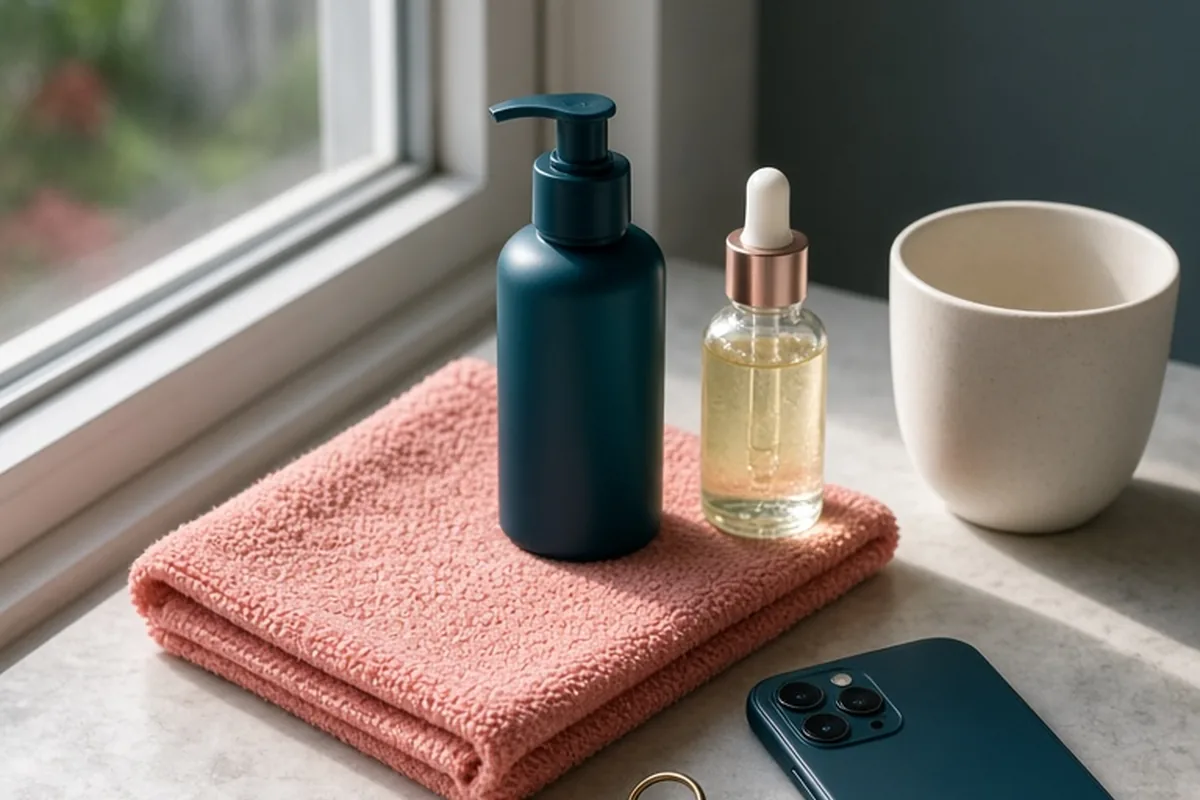
A beginner hair care routine after menopause focuses on preserving scalp moisture, strengthening fragile hair fibers, and minimizing mechanical breakage. Start by washing two to three times a week using a sulfate-free, hydrating shampoo followed by a lipid-rich conditioner. Apply a lightweight, soothing scalp serum to support follicle comfort, limit high-heat styling, and use a weekly deep conditioning or bond-building treatment to restore elasticity to drier, aging strands.
Navigating post-menopausal hair changes can feel overwhelming when products that worked for decades suddenly leave your hair dry, brittle, or limp. Shifting your approach from heavy styling to nourishing maintenance helps you protect delicate follicles, retain length, and bring back manageable softness without complicated multi-step regimens.
How Hormonal Shifts Change Scalp Hydration and Hair Fiber Structure
During and after menopause, declining estrogen and progesterone levels alter the environment in which hair grows. Estrogen plays a protective role in keeping hair in its active growth phase while supporting natural skin elasticity and sebum production. When these hormone levels drop, the sebaceous glands in the scalp produce significantly less natural oil, leading to persistent dryness, occasional flaking, and a compromised scalp moisture barrier.
At the same time, individual hair strands often undergo structural changes. Hair fibers frequently grow in with a finer diameter, reduced tensile strength, and altered cuticle alignment. This makes the strands more vulnerable to friction, environmental exposure, and moisture loss. Some follicles may produce coarser, wiry gray hairs with fewer natural lipids, resulting in a mixed texture across different areas of the head. Recognizing that your scalp is now functioning like mature facial skin allows you to tailor your routine toward gentle hydration, barrier repair, and structural support rather than aggressive cleansing or heavy oil control.
Step 1: Gentle Cleansing and Conditioning for Drier, Delicate Hair
The foundation of a post-menopause routine is a gentle wash day strategy that cleanses the scalp without stripping its remaining natural oils. Most beginners benefit from reducing wash frequency to two or three times per week. When selecting a shampoo, look for gentle surfactant bases such as sodium cocoyl isethionate or coco-glucoside rather than harsh clarifying detergents. Focus the shampoo application directly onto the scalp, using your fingertips to lift residue and improve microcirculation, while allowing the suds to run through the mid-lengths and ends as you rinse.
Conditioning requires a targeted method to hydrate fine, brittle ends without weighing down thinner roots. Apply a moisture-rich conditioner containing ingredients like ceramides, squalane, or glycerin from mid-shaft to ends, working the product through with your fingers or a wide-tooth comb. Leave it on for at least three minutes to allow the formula to smooth the raised cuticle layer. Always rinse thoroughly with lukewarm water rather than hot water, as excessively hot temperatures deplete delicate lipid barriers and exacerbate strand porosity.
Step 2: Nourishing the Post-Menopausal Scalp Environment
A healthy scalp provides the necessary foundation for resilient hair growth, yet it is often the most neglected step in beginner routines. Because post-menopausal scalps tend toward dryness, tightness, and subtle inflammation, integrating a dedicated scalp care step can restore long-term comfort and support follicle performance. Water-based leave-in scalp serums formulated with humectants, peptides, and soothing botanical extracts offer hydration without leaving greasy residue at the roots.
To apply scalp treatments effectively, part your damp or dry hair into four or five sections and apply drops directly to the skin rather than the hair fibers. Use the pads of your fingers to gently press and massage the serum across the crown, temples, and vertex for one to two minutes. Avoid vigorous scratching with fingernails or aggressive mechanical scalp scrubbers, which can cause micro-tears on thinner skin and snap fragile roots. If you experience persistent dry flaking, opt for scalp formulas containing mild exfoliating ingredients like lactic acid rather than harsh physical scrubs.
Step 3: Weekly Deep Conditioning, Elasticity, and Bond Repair
Aging hair fibers lose their internal moisture-retention capacity and structural proteins over time, leading to stiffness and premature breakage. Incorporating a weekly intensive treatment rebuilds softness and improves strand flexibility. Alternate between a deep hydrating mask rich in emollient plant oils or fatty alcohols and a light protein or bond-repair treatment that reinforces weakened keratin structures within the cortex.
When applying a deep treatment, squeeze excess water from clean hair with a towel before application so the product can penetrate rather than slip off waterlogged strands. Distribute the mask evenly from the ears down, paying special attention to ends that encounter friction against clothing. Leave the treatment on according to package instructions, typically 10 to 15 minutes, before rinsing thoroughly. If your hair feels gummy or overly stiff after a protein product, balance it the following week with a purely moisture-focused mask to maintain an optimal balance of strength and suppleness.
Drying and Detangling Practices That Prevent Mechanical Breakage
Because post-menopausal hair is inherently more fragile when wet, daily styling habits often account for significant unexplained hair shedding and breakage. Traditional rough-textured terrycloth towels create friction that frays the cuticle layer and tugs at delicate root structures. Replace standard towels with a smooth microfiber towel or a soft cotton wrap, gently pressing and blotting the hair to absorb water rather than rubbing or twisting it tightly.
Before detangling, apply a lightweight leave-in conditioning spray or detangling mist that provides slip to reduce brush drag. Start combing at the bottom ends using a wide-tooth comb or a brush specifically designed with flexible, widely spaced bristles, gradually working your way upward toward the roots. Never yank through snags; hold the section above the knot with your free hand to prevent tension on the follicle while gently loosening the tangle from below.
Managing Gray, Wiry Textures and Low-Heat Styling Safely
As pigment-producing melanocytes diminish, gray and silver hair emerges with a distinct physical structure. Unpigmented strands often feel wiry, coarse, and resistant to moisture, while remaining particularly susceptible to yellowing from environmental oxidation and heat damage. To keep gray hair soft and luminous, incorporate a drop of lightweight silicone-free hair oil, such as argan or jojoba oil, rubbed between palms and smoothed lightly over dry mid-lengths to tame flyaways and seal down cuticles.
When styling with heated tools, protective measures are non-negotiable. Always apply a dedicated heat protectant spray across every section before blow-drying or heat shaping. Keep blow dryers on medium or low heat settings, maintaining the airflow down the hair shaft rather than pointing directly into the ends. If using curling irons or straighteners, keep temperatures below moderate levels and limit tool passes over each section to one smooth glide to avoid scorching the protein structure.
Evaluating Product Ingredients and Knowing When to Seek Medical Advice
Building a beginner routine requires reading ingredient panels carefully to avoid products that counteract your goals. Look for supportive humectants such as hyaluronic acid, panthenol (provitamin B5), and aloe vera, paired with protective barrier ingredients like ceramides, amino acid complexes, and lightweight plant esters. Avoid styling products with high concentrations of drying denatured alcohols, heavy synthetic waxes that cause buildup on fine hair, or aggressive clarifying salts.
While everyday dryness, minor texture shifts, and gradual thinning are common post-menopausal changes, some forms of hair loss require professional medical evaluation. If you observe sudden diffuse shedding, a rapidly widening part line, patchy bald spots, scalp burning, or severe redness, schedule an appointment with a board-certified dermatologist. A specialist can perform scalp examinations, check for underlying nutritional or thyroid imbalances, and discuss targeted topical or systemic medical options that go beyond cosmetic hair care.
Frequently asked questions
How often should I wash my hair after menopause?
Most people find that washing two to three times per week strikes the best balance between cleansing the scalp and preventing dryness. Because the scalp produces less oil after menopause, daily washing can strip away protective lipids and leave strands brittle.
Will a post-menopause hair routine reverse overall thinning?
A gentle routine improves strand elasticity, reduces breakage, and supports a healthy scalp environment, making hair look fuller and healthier. However, a cosmetic routine cannot change genetic follicle miniaturization or medical hair loss, which should be evaluated by a dermatologist.
Can I use purple shampoo on post-menopausal gray hair?
Yes, purple shampoos help neutralize unwanted yellow tones in silver or gray hair, but they can be drying if used too frequently. Use a toning shampoo once every one to two weeks, and always follow it with a deeply moisturizing conditioner or mask.
What is the best way to add volume to fine, mature hair without drying it out?
Use a lightweight, alcohol-free volumizing mousse or root-lift spray applied directly to damp roots before blow-drying with a round brush on medium heat. Avoid heavy pomades or wax-based styling aids, which weigh down fine hair and flatten volume.
Your next step
Assess your current hair products today, replace any harsh clarifying shampoos with a gentle hydrating cleanser, and commit to a consistent two-to-three-wash weekly schedule paired with daily scalp hydration.