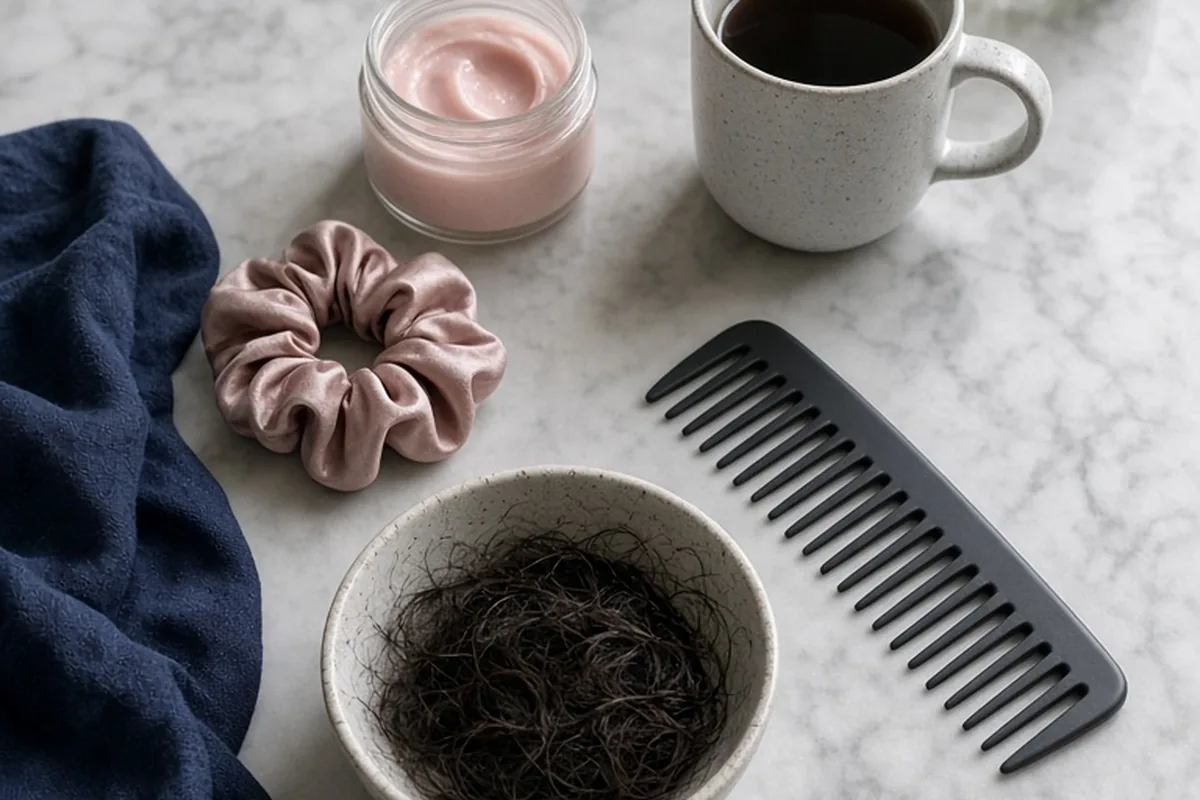
The most damaging mistakes in relaxed hair care include overlapping chemical relaxer onto previously processed strands, neglecting the delicate balance between moisture and protein, applying direct heat without thermal protectants, and using harsh mechanical force during detangling. Preventing these errors requires precise touch-up applications strictly on new growth, regular deep conditioning treatments, gentle wide-tooth combing from ends to roots, and consistent nightly protection using satin or silk coverings.
Chemical relaxers alter the natural protein structure of hair to loosen curl patterns, creating sleek texture and manageable styling options. Because the chemical process permanently breaks and rearranges disulfide bonds within the hair cortex, relaxed strands have reduced tensile strength and higher porosity than untreated hair. Navigating a relaxed hair routine requires proactive techniques designed to preserve hair elasticity, shield the scalp, and prevent chronic breakage.
Overlapping Chemical Relaxer During New Growth Touch-Ups
Applying fresh relaxer cream beyond the line of demarcation onto previously processed hair is one of the quickest routes to severe structural failure. Hair that has already undergone chemical straightening cannot tolerate secondary chemical processing without suffering severe cuticle degradation and cortex erosion. When chemical relaxer repeatedly touches previously straightened sections, the hair fiber becomes porous, brittle, and prone to snapping at the slightest tension.
To avoid accidental overlapping during maintenance appointments, thoroughly separate your hair into neat, manageable quadrants. Apply a thick petroleum-based barrier cream or heavy plant oil along the previously relaxed hair shaft right up to the boundary of the new growth before touching any chemical product to your roots. This barrier repels runaway relaxer cream during application and rinsing. If you perform your own touch-ups, work with handheld mirrors to see the back clearly, or enlist an experienced stylist who understands how to apply product exclusively to virgin roots.
Failing to Balance Deep Moisture and Hydrolyzed Protein Treatments
Relaxed hair requires both hydration and structural reinforcement, yet many routines swing heavily toward one extreme. Moisture gives the hair fiber softness, flexibility, and elasticity, while protein temporarily fills microscopic gaps in damaged cuticles to impart tensile strength. Using deep moisturizing conditioners without occasional protein reinforcement leads to hygral fatigue, where hair strands become limp, excessively stretchy when wet, and break under normal styling tension.
Conversely, overusing concentrated reconstructive protein treatments without replenishing internal moisture causes protein overload, making strands stiff, dry, and fragile like dry spaghetti. Establish a rhythm where moisturizing deep conditioners form the backbone of your weekly wash routine, while mild to medium hydrolyzed protein conditioners are incorporated once every three to four weeks. Always follow any corrective protein treatment with a rich moisturizing conditioner to restore suppleness and soften the hair cuticle.
Relying on Excessive Heat Styling Without Adequate Thermal Barriers
Because chemically straightened hair already has compromised internal bonds, high thermal styling strips natural lipids, evaporates critical moisture, and causes localized thermal fracturing. Frequent passes with flat irons, curling wands, or high-temperature blow dryers create cumulative damage that cannot be reversed by topical masks. Setting styling tools to maximum temperatures scorches outer cuticles, turning healthy ends into split, jagged points.
Reserve direct thermal styling for special occasions or limit heat use to once every one or two weeks. When applying heat, always distribute a dedicated leave-in thermal protectant containing protective silicones or heat-shielding polymers evenly through damp or dry strands. Regulate your hot tools to moderate temperature ranges, never lingering on a single section of hair, and use roller sets under a hooded dryer or air-drying techniques whenever possible to achieve smooth volume without direct plate contact.
Neglecting Scalp Basing and Rushing the Neutralization Step
The health of future new growth depends entirely on the condition of your scalp during and after chemical treatments. Skipping the application of protective base cream across the entire scalp, hairline, and nape leaves skin vulnerable to chemical burns, irritation, and follicular inflammation. Scratches, rigorous brushing, or intense workouts immediately prior to a touch-up increase scalp sensitivity, leading to severe discomfort and premature rinsing before the processing is complete.
Equally critical is the neutralization process, which brings the hair and scalp back to their natural acidic pH level and stops chemical processing. Merely washing once with neutralizing shampoo is rarely sufficient to completely halt chemical activity deep within the hair cortex. Wash multiple times with a neutralizing shampoo featuring a color indicator until the suds rinse completely white, ensuring every trace of alkaline residue is cleared before applying your post-relaxer conditioning treatment.
Using Aggressive Mechanical Detangling and Fine-Tooth Tools
Relaxed hair exhibits distinct structural vulnerabilities where different textures meet, especially when new growth appears. Forcing fine-tooth combs or stiff-bristled brushes through tangles generates high friction, ripping through fragile hair shafts and snapping strands midway down the length. Ripping through wet hair without adequate slip is particularly damaging because wet fibers are naturally weaker and more susceptible to overstretching.
Adopt a gentle detangling strategy using your fingers or a seamless wide-tooth comb. Always apply a slippery water-based leave-in conditioner or detangling spray before working through tangles, and divide your hair into four to six small sections. Begin combing gently at the very tips of your hair, gradually clearing knots while moving upward toward the roots. Never yank downward through snags; instead, isolate the knot with your fingers and gently loosen the intertwined fibers.
Stretching Relaxers Improperly Without Extra Demarcation Care
While spacing out touch-up intervals can help prevent chemical overlap, stretching relaxers beyond eight to ten weeks without modifying your daily hair care routine introduces severe mechanical risks. As new growth becomes denser, the line where natural curls meet previously straightened hair turns into a high-tension stress point. If unrelaxed roots contract while straight ends remain smooth, ordinary washing, combing, and styling can cause extensive breakage along this demarcation line.
If you choose to stretch your relaxers to twelve weeks or longer, increase your focus on moisture and lubrication at the roots. Incorporate rich leave-in creams, gentle water-based mists, and plant-based oils to soften the natural texture, keeping the boundary pliable. Minimize tight ponytails, slicked-back buns, or restrictive updos that place continuous mechanical tension on the transition line, opting instead for loose protective styles that let both textures rest without strain.
Skipping Nighttime Protection and Exposing Ends to Friction
Everyday environmental friction, combined with the drying effects of standard cotton pillowcases, accelerates moisture loss and thinning across relaxed ends. Cotton is an absorbent fiber that pulls natural oils and conditioning leave-ins right out of your hair while you sleep. The continuous rubbing of loose hair against coarse bed linens frays the cuticles, leading to stubborn morning tangles, rough texture, and chronic shedding around the perimeter.
Make nighttime protection a non-negotiable habit by wrapping your hair in a smooth satin or silk bonnet, using a secure scarf, or resting on a 100 percent silk or satin pillowcase. Applying a light drop of sealing oil or lightweight moisturizer to your ends before tucking your hair away preserves moisture levels overnight. When wearing daytime updos, use satin-lined scrunchies and avoid rubber bands or metal hair clips that pinch and cut into fragile relaxed fibers.
Frequently asked questions
How often should you get a relaxer touch-up?
Most healthy routines schedule touch-ups every eight to twelve weeks depending on the rate of new growth. Getting a relaxer earlier than six weeks increases the risk of overlapping onto previously processed hair, while stretching past twelve weeks requires extra care at the demarcation line to prevent mechanical snapping.
Can you wash relaxed hair every week without drying it out?
Yes, washing relaxed hair once a week or every other week is standard practice to maintain a clean scalp and replenish hydration. Using a sulfate-free moisturizing shampoo followed by a restorative deep conditioner ensures that washing adds moisture rather than stripping natural lipids.
How do you know if your relaxed hair needs protein or moisture?
If your hair feels mushy, excessively stretchy, or limp when wet, it likely needs a light protein treatment to restore structural integrity. If your hair feels dry, brittle, stiff, and snaps easily with very little stretch, it needs intense moisturizing conditioners without added proteins.
What should you do if your scalp burns during a relaxer application?
Alert your stylist immediately to rinse out the relaxer with lukewarm water, regardless of how long the cream has been sitting. Allowing relaxer to sit on a burning scalp can cause chemical burns, scalp scarring, and localized hair thinning.
Your next step
Evaluate your current hair regimen today to identify your most vulnerable habits, then replace fine-tooth detangling tools with a wide-tooth comb and schedule your next wash day with a dedicated deep-conditioning treatment.