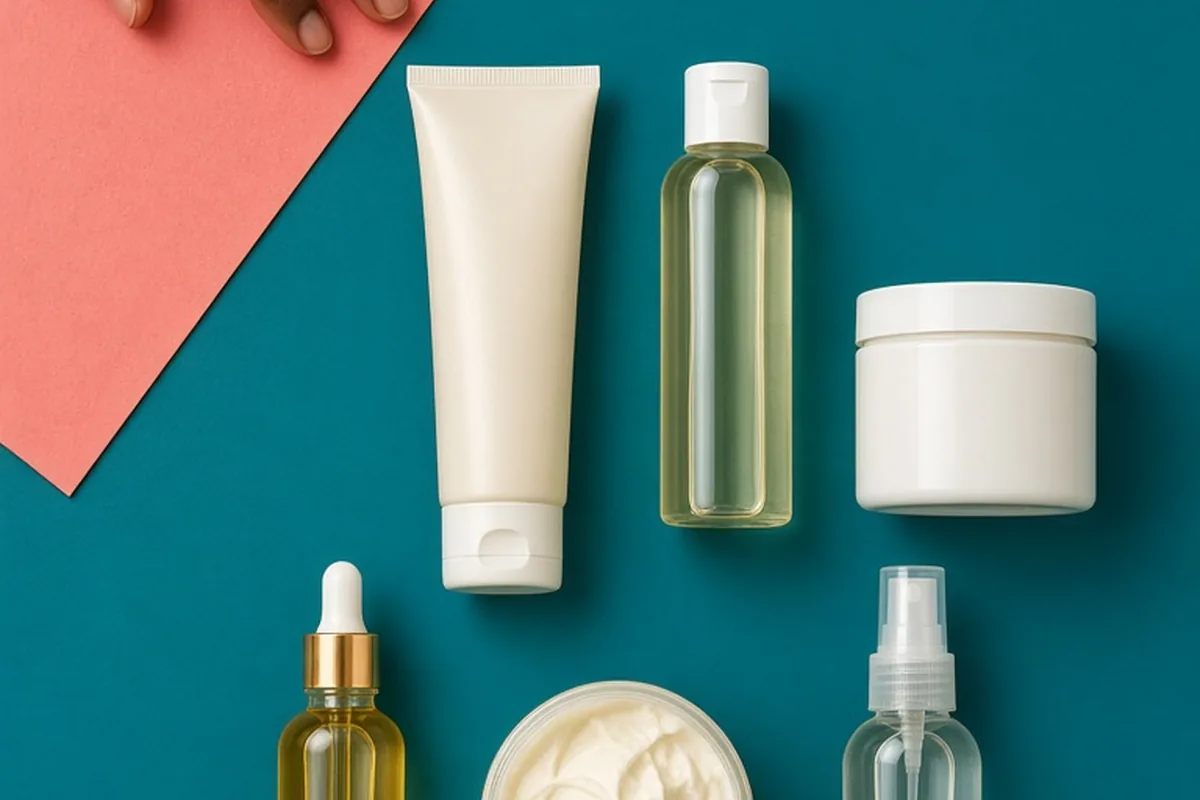
Beginners managing relaxed hair need a core routine built around five essential product categories: a sulfate-free moisturizing shampoo, a clarifying cleanser, a protein-moisture balanced deep conditioner, a water-based leave-in conditioner paired with a sealing oil, and a high-grade heat protectant. Because chemical relaxers permanently break disulfide bonds to straighten texture, products must prioritize structural replenishment, barrier lubrication, and moisture preservation to prevent breakage at the line of demarcation.
Starting a healthy hair regimen after getting a chemical relaxer often feels overwhelming due to shelves crowded with competing formulas, heavy pomades, and complex multi-step systems. Navigating these options becomes much simpler when you recognize that chemically altered strands have fundamentally different porosity, elasticity, and protein requirements than untreated hair.
Sulfate-Free Shampoos and Clarifying Cleansers for Relaxed Hair
The primary objective of washing relaxed hair is removing scalp sebum, environmental debris, and silicone buildup without stripping the hair shaft of its delicate lipid layer. Traditional formulas formulated with harsh sulfates like sodium lauryl sulfate lift the outer cuticle abruptly, which accelerates moisture loss and causes strands to tangle and snap. For beginners, a sulfate-free moisturizing shampoo enriched with gentle surfactants, aloe vera, glycerin, or botanical oils serves as the foundation for weekly cleansing. This type of wash cleanses the scalp effectively while maintaining strand softness and slip, making the detangling phase significantly safer.
While a gentle moisturizing shampoo handles regular weekly washes, relaxed hair also requires a dedicated clarifying shampoo applied once or twice every month. Relaxed hair regimens rely on protective leave-ins, serums, and natural oils to retain elasticity, but these products inevitably leave surface residues that standard gentle cleansers cannot fully dissolve. Over time, product buildup blocks fresh moisture from penetrating the hair shaft, leaving the hair dry, stiff, and unresponsive to conditioning treatments. A mild chelating or clarifying wash strips away accumulated polymers and hard water minerals, resetting the cuticle so conditioning masks can properly bind to the keratin matrix.
Deep Conditioners and Protein Treatments to Restore Chemically Processed Strands
Deep conditioning is not an optional luxury for relaxed hair; it is an indispensable maintenance step required after every single wash cycle. Chemical relaxers alter the hair's natural tensile strength by permanently dismantling structural protein bonds, which leaves the inner cortex vulnerable to environmental stress and mechanical friction. A high-quality moisturizing deep conditioner rich in fatty alcohols, ceramides, and humectants softens brittle cuticles, restores flexibility, and replenishes internal moisture reserves. Beginners should apply deep conditioner from mid-lengths to ends, using indirect heat from a hooded dryer or warm processing cap for fifteen to twenty minutes to facilitate deeper ingredient absorption.
In addition to standard moisture masks, beginners must incorporate targeted protein treatments to reinforce structural weaknesses along the strand. Protein treatments come in various intensities, ranging from light balancing masks containing hydrolyzed wheat, silk, or keratin proteins to intensive reconstructors designed for severe damage. For routine home care, light to medium protein conditioners used every two to four weeks generally provide sufficient reinforcement without over-hardening the cuticle. If hair feels mushy, excessively stretchy, or weak when wet, it typically needs protein; if it feels stiff, rough, and snaps easily, it requires pure moisture to restore equilibrium.
Leave-In Conditioners, Creams, and Sealing Oils for Daily Moisture Balance
Moisture management between wash days hinges entirely on the liquid-cream-oil layering method, which ensures hydration penetrates the strand and stays sealed inside. A water-based leave-in conditioning spray or lightweight lotion represents the first line of defense after rinsing out a deep mask. Water is the only true source of internal hydration for hair fibers, so selecting a leave-in that lists water as its very first ingredient is essential for relaxed textures. These formulations smooth the cuticle layer, equalize post-wash porosity, and provide immediate detangling lubricity that prevents comb-induced breakage.
Once internal hydration is applied via a water-based leave-in, a light hair cream or botanical sealing oil must be layered over top to slow down water evaporation. Pure oils do not moisturize hair on their own; instead, they function as occlusive barriers that lock in previously applied hydration. Lightweight options such as jojoba oil, argan oil, sweet almond oil, or grapeseed oil work best for relaxed hair because they create protective sheen without weighing down fine-to-medium strands. Heavier butters such as shea butter or castor oil can be applied sparingly to vulnerable, weathered ends to protect them against split-end propagation.
Heat Protectants and Thermal Serums Before Blow-Drying or Flat-Ironing
Applying hot styling tools to chemically treated hair without adequate thermal protection is one of the quickest routes to irreversible breakage. Relaxed hair already functions with a compromised structural integrity, meaning high temperatures can rapidly scorch the cuticle and break down remaining keratin chains. High-performing heat protectants generally contain specialized silicones such as dimethicone or amodimethicone, which coat each strand in a microscopic, heat-dispersing film. This protective barrier slows thermal conduction, seals the outer layer, and minimizes internal moisture loss during blow-drying and smoothing routines.
Choosing between a thermal spray and a concentrated silicone serum depends primarily on the styling tool in use and individual hair density. Water-based heat protectant sprays are ideal for damp hair before blow-drying, as they distribute evenly through wet fibers without causing uneven clumping. For dry styling with flat irons or curling wands, concentrated silicone serums provide a slick, protective buffer that allows plates to glide effortlessly down the hair shaft without dragging. Beginners should select tools with clear, adjustable digital temperature displays and avoid setting hot tools beyond moderate heat levels, regardless of protectant quality.
Nighttime Protection Tools: Silk Scarves, Satin Bonnets, and Pillowcases
Product performance during the day means little if mechanical damage constantly undoes your progress while you sleep. Standard cotton pillowcases absorb moisture directly from the hair fiber like a sponge, leaving chemically treated strands parched by morning. Furthermore, the coarse texture of woven cotton generates continuous friction against the cuticle as you shift throughout the night, causing tangling, frizz, and localized thinning around the delicate hairline and crown. Protecting relaxed hair overnight is an absolute necessity for anyone attempting to preserve strand health and length retention.
Investing in a genuine silk or high-grade satin bonnet, wrap scarf, or pillowcase provides an ultra-smooth surface that preserves natural and applied moisture. Silk and satin allow strands to slide smoothly across the fabric without snagging or absorbing essential lipids. Beginners frequently benefit from cross-wrapping their hair smoothly around the circumference of their head and securing it with a fitted satin scarf, followed by a bonnet for added security. For individuals who find bonnets uncomfortable or prone to slipping off overnight, sleeping directly on a silk or satin pillowcase ensures continuous frictionless defense.
Building a Consistent Weekly Product Rotation Schedule for Beginners
Creating an effective hair care routine does not require daily washing or complicated product mixtures, but it does demand unwavering consistency. A standard beginner routine functions on a seven-day cycle centered around one thorough wash day. During this primary session, you cleanse the scalp with a moisturizing shampoo, apply a deep conditioning mask under warmth, rinse thoroughly with cool water, and apply your leave-in conditioner and sealing oil before air-drying or heat-styling with protective thermal barriers. Establishing this predictable cadence keeps strand moisture levels balanced and prevents dry, unmanageable cycles.
Mid-week care focuses entirely on maintenance, friction defense, and selective rehydration. Mid-week wash sessions are generally unnecessary unless your scalp produces excessive oil or you engage in vigorous daily workouts. Instead, evaluate the mid-lengths and ends of your hair around day four or five; if they feel dry or stiff, lightly mist them with a hydrating leave-in spray and smooth a dime-sized amount of light oil across the ends. Avoid applying heavy pomades or thick butters to the scalp or roots throughout the week, as this causes greasy buildup that suffocates follicles and demands premature clarifying washes.
Ingredient Warning Signs and Product Mistakes That Cause Chemically Treated Breakage
A common pitfall for newcomers to relaxed hair care is applying products formulated with aggressive, drying ingredients that compromise hair health. Short-chain drying alcohols such as SD alcohol 40, isopropyl alcohol, and alcohol denat evaporate quickly and actively strip ambient moisture directly out of chemically treated cuticles. These should not be confused with beneficial fatty alcohols like cetyl, stearyl, or cetearyl alcohol, which actually soften hair and enhance detangling lubricity. Additionally, beginners should approach heavy mineral oil and petrolatum-heavy pomades with caution; while they form strong surface seals, they provide zero actual hydration and attract lint, dust, and heavy environmental debris.
Another critical mistake involves neglecting the line of demarcation—the delicate intersection where chemically straightened hair meets new, naturally textured growth. This boundary represents an inherent structural vulnerability because the two textures possess entirely different curl patterns, tensile strengths, and moisture tolerances. Forcing wide-tooth combs or stiff styling brushes through this junction without adequate leave-in lubrication inevitably leads to sudden snapping. When detangling, always start at the ends and work upward in small sections, using generous amounts of water-based leave-in product to protect the fragile transition zone from mechanical stress.
Frequently asked questions
How often should a beginner wash relaxed hair?
Most people with relaxed hair achieve optimal results washing their hair once per week. Washing less frequently allows product buildup and scalp oil to accumulate, while washing multiple times a week can unnecessarily strip essential lipids from chemically treated strands.
Can I use natural oils as a moisturizer on relaxed hair?
No, natural oils cannot moisturize hair because they contain no water. Oils act strictly as sealants that lock in pre-existing hydration, so you should always apply a water-based leave-in conditioner before smoothing oil over your strands.
What is the difference between a moisturizing conditioner and a protein treatment?
Moisturizing conditioners infuse the hair shaft with water-binding humectants and fatty lipids to enhance softness and elasticity. Protein treatments deposit hydrolyzed amino acids into the cuticle gaps to reinforce tensile strength and prevent breakage.
How do I know if my relaxed hair needs protein or moisture?
If your hair feels mushy, limp, or stretches excessively without snapping back when wet, it requires a protein treatment. If your strands feel brittle, hard, and snap easily during styling, your hair is suffering from moisture deficiency and requires a deep hydrating mask.
Your next step
Inspect your current hair products, replace any harsh sulfate shampoos with a gentle moisturizing cleanser, and secure a satin bonnet for tonight's sleep routine.