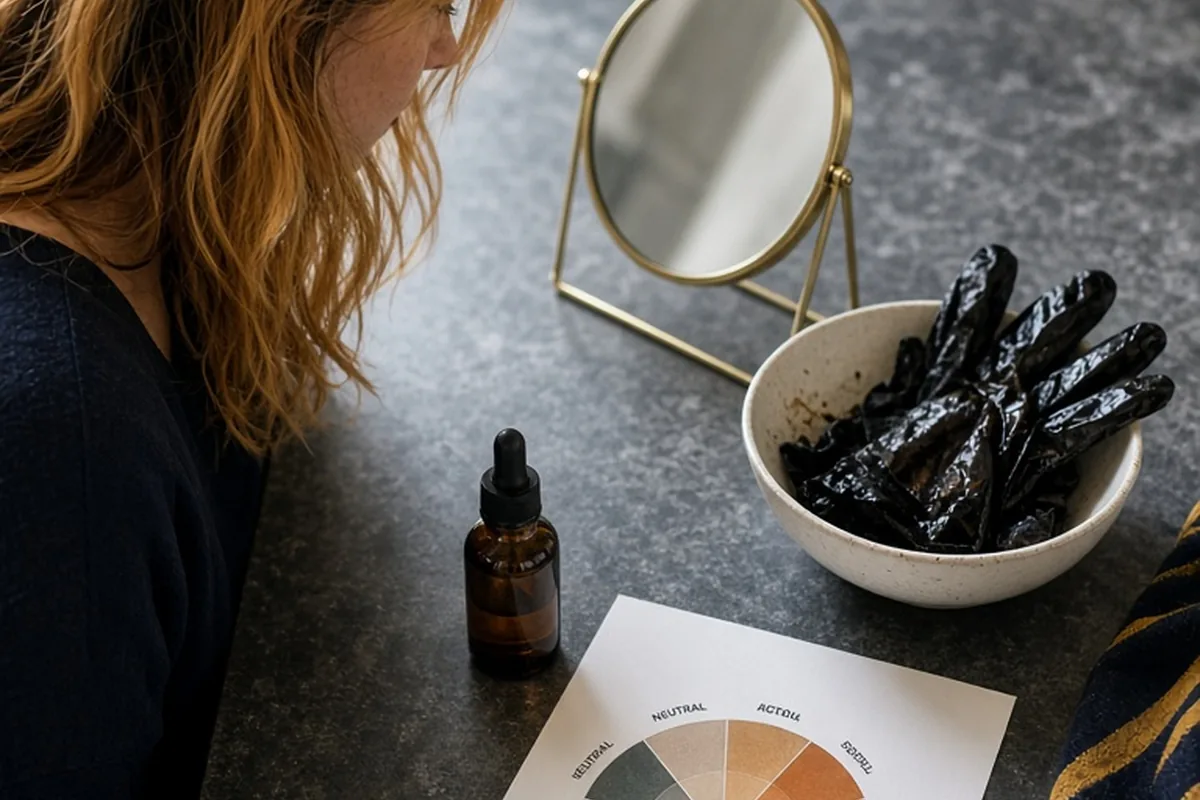
A beginner hair color correction routine involves assessing hair porosity and damage, clarifying excess pigment or mineral build-up, identifying underlying warm or cool tones using the color wheel, and applying targeted corrective formulations such as glosses, toners, or color removers. Beginners should always conduct a strand test before applying new dyes and focus on gentle, progressive adjustments rather than harsh, single-session overhauls.
Stepping away from the mirror after a home coloring session that turned brassy, uneven, or far darker than expected can feel discouraging. Fixing hair color mistakes does not require aggressive bleaching or repeated applications of box dye, which often compound the initial problem. By approaching the correction process methodically through color theory, gentle cleansing, and targeted toners or fillers, you can restore balance to your hair while protecting its structural integrity.
Diagnosing Your Current Tone, Depth, and Structural Hair Health
Before applying any corrective product, you need to assess the exact state of your hair in natural daylight. Hair color operates on a scale of levels ranging from Level 1 (black) to Level 10 (lightest pale blonde). Determining your starting level across different zones of your hair is critical because uneven color rarely sits at a single depth. Regrowth at the scalp, mid-shaft bands, and ends often absorb pigment differently based on previous dye applications and sun exposure. Take clear notes on where the color looks patchy, whether the tone leans warm (red, orange, yellow) or cool (ash, green, blue-gray), and where lines of demarcation appear.
Equally important is testing your hair's physical elasticity and porosity before subjecting it to further chemical processing. Gently stretch a single wet strand of hair: if it stretches slightly and returns to its original length, the protein structure is stable. If it snaps immediately, feels gummy, or stretches without rebounding, the cuticle is severely compromised. Highly porous, damaged hair absorbs cool pigments rapidly, which can cause toners to turn drab or muddy. In contrast, low-porosity hair resists dye absorption. Knowing these physical traits prevents unexpected color shifts and helps you choose gentler, deposit-only products over oxidative dyes.
Pre-Correction Cleansing, Clarifying, and Mineral Chelation
One of the most common beginner errors is applying a new dye directly over old, problematic pigment. Unwanted tones are frequently worsened by styling product build-up, hard water minerals like iron and copper, or residual direct dyes sitting on the cuticle layer. Before reaching for corrective formulas, wash your hair with a clarifying or chelating shampoo. Chelating formulas bind to mineral deposits from well water or municipal supply pipes, which can cause brassiness or greenish casts, stripping away surface contaminants without opening the cuticle aggressively.
For hair that turned slightly too dark or oversaturated with direct dye, a gentle wash with a clarifying shampoo mixed with a sulfate-free cleansing cream can remove fresh surface pigment within the first forty-eight hours. Allow the clarifying wash to sit on damp hair under a shower cap for ten to fifteen minutes before rinsing thoroughly with lukewarm water. This pre-cleansing step provides a clean, neutral base, allowing you to see the true underlying tone and preventing chemical interference during subsequent toning or repigmenting steps.
Using the Color Wheel to Neutralize Brassy, Orange, and Green Undertones
Color correction relies fundamentally on the principles of basic color theory. Opposite colors on the standard color wheel cancel each other out when mixed at equal intensity. If your hair has pulled an unwanted brassy orange tone—common when lifting dark brown hair to light brown or dark blonde—a blue-based toner or gloss will neutralize the warmth into a balanced, neutral shade. If your hair exhibits bright yellow or gold undertones after bleaching, a violet-based formula provides the necessary counter-pigment to produce an icy or beige blonde. Conversely, if hair has taken on an accidental green tint from chlorinated water or over-toning, a soft red or copper-based gloss restores natural warmth.
Beginners should choose acidic, demi-permanent toners or deposit-only color glosses rather than permanent boxed dyes. Demi-permanent toners are formulated to be mixed with very low-volume developers, such as 5-volume or 6-volume, which deposit pigment into the outer cortex without lifting your natural base color. Applying permanent dye to correct tone often lightens your underlying natural hair during the process, revealing even more unwanted warmth several weeks later when the artificial pigment fades. By sticking to deposit-only formulations, you neutralize unwanted undertones without altering your root color.
Correcting Hair That Turned Out Too Dark or Unevenly Banded
When hair turns out noticeably darker than intended, attempting to lighten it immediately with standard lightener (bleach) often results in severe breakage and bright orange banding. The safest initial step is utilizing an oxidative color reducer. These sulfur-based color removers work by shrinking the artificial oxidative dye molecules inside the hair shaft, allowing them to be washed down the drain during an extensive rinsing process. Unlike bleach, color reducers do not break down your hair's natural melanin, making them significantly less damaging for dark color overhauls.
Applying a color remover requires precision and patience. Apply the mixture directly to the darkest saturated areas first, keeping it away from uncolored natural regrowth. After the processing time elapses, you must rinse your hair continuously with warm water for fifteen to twenty minutes, shampooing multiple times. This thorough rinsing is critical: if any shrunken dye molecules remain inside the hair cortex, they will re-oxidize and darken again the next time hair is exposed to air or low-volume developers. Once rinsed and dried, evaluate the resulting shade before deciding whether a light toning step is necessary.
Repigmenting and Filling Bleached Hair Before Going Darker
When attempting to transition bleached, pale blonde, or heavily highlighted hair back to a medium brown or dark brunette, applying a cool brown dye directly over the blonde results in a hollow, muddy, or dull greenish-gray finish. Natural dark hair contains layers of underlying warm pigments—red, copper, and gold—that are stripped away during the bleaching process. If you apply a brown dye that lacks these warm supporting pigments, the cool tones dominate, creating an unnatural, flat appearance.
To achieve a rich, natural shade, you must complete a two-step process known as 'filling' or 'repigmenting.' First, apply a deposit-only demi-permanent filler shade that restores the missing warm undertone. For example, if your goal is a Level 5 medium brown, you must first apply a Level 6 or 7 copper or gold-copper gloss to replace the missing secondary warmth. Once this warm foundation is processed, rinsed, and gently dried, you can apply your target brown shade over top. This ensures the final color reflects light naturally, maintains depth, and resists premature fading.
Conducting Strand Tests and Step-by-Step Formula Application
Never apply a corrective formula to your entire head without first performing a comprehensive strand test. Isolate a half-inch section of hair from a discreet area near the nape of your neck where previous color and damage are representative of the rest of your hair. Mix a small amount of your planned toner or filler, apply it to the strand, and monitor the visual change every five minutes. Rinse and completely dry the test strand under neutral lighting to assess both the final color payoff and the structural resilience of the hair.
Once your strand test confirms the formula works as intended, section your hair into four clean quadrants using plastic sectioning clips. Work systematically from the back sections forward, applying product in fine, one-quarter-inch subsections using a tint brush. If you are correcting uneven banding, apply the product exclusively to the band first, avoiding overlapping onto previously processed ends or virgin roots. Keep a wet towel nearby to wipe away accidental overlap immediately, ensuring even pigment saturation and preventing patchy transition lines.
Post-Correction Bond Restoration and Color Lock Maintenance
Chemical corrections temporarily shift the hair cuticle and deplete internal moisture and lipid levels. Immediately following your corrective session, seal the cuticle by using an acidic pH-balancing treatment or deep conditioning masque containing ceramides, fatty acids, and hydrolyzed vegetable proteins. Avoid washing your hair with hot water, as high temperatures cause the cuticle scales to lift, accelerating the loss of freshly deposited tone molecules.
Maintain your corrected color over the following weeks by incorporating bond-building treatments into your routine alongside a sulfate-free, color-safe shampoo. Use protective leave-in conditioners before using heat-styling tools, and reduce direct heat exposure whenever possible. Because corrective demi-permanent glosses naturally fade over six to eight weeks, establish a gentle gloss-refresh schedule rather than reapplying permanent dyes, keeping your shade balanced while hair health steadily improves.
Frequently asked questions
How long should I wait between color correction steps?
If you are applying deposit-only demi-permanent toners or glosses, you can perform the steps on the same day provided hair elasticity is intact. However, if you used a sulfur-based color remover or clarifying treatment, wait 24 to 48 hours before applying fresh color to allow the cuticle to settle and prevent re-darkening.
Can purple shampoo fix orange or red brassiness?
No, purple shampoo only counteracts yellow and gold tones on light blonde or gray hair. To neutralize orange brassiness, you need a blue-pigmented shampoo or blue-based demi-permanent toner, while unwanted red tones require a green-based neutralizing toner.
Why did my hair turn green after applying brown dye over blonde?
Bleached hair lacks the underlying red and gold warmth necessary to support dark pigment. When an ash or neutral brown dye containing blue and yellow bases is applied over pale hair without a warm filler, the cool tones absorb heavily and create a greenish-gray cast.
When is a hair color mistake too severe to fix at home?
If your hair breaks off when gently pulled, feels gummy and stretchy when wet, or exhibits extreme multi-colored blotchiness spanning four or more levels of depth, stop home treatments. These conditions require professional salon intervention using specialized bond builders and controlled salon formulations.
Your next step
Take a clear photograph of your hair in natural daylight, clip off a hidden half-inch test section at the nape, and run a strand test with your chosen deposit-only toner before applying any formula across your whole head.