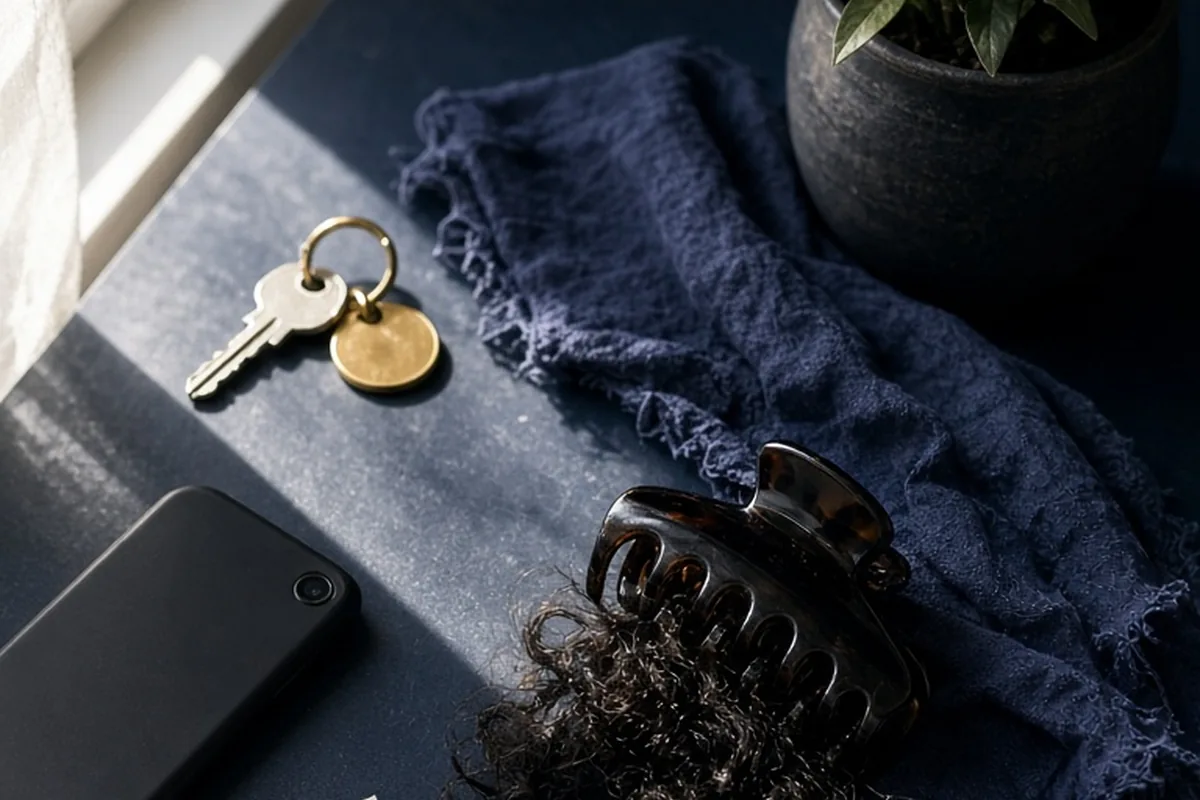
Postpartum hair loss in textured hair occurs when elevated pregnancy estrogen levels drop, shifting retained hair follicles into a synchronized shedding phase called postpartum telogen effluvium. For curls and coils, this natural shedding often coincides with structural dryness and fragility. Management focuses on minimizing mechanical tension, preserving moisture, detangling gently with high-slip conditioners, and avoiding tight protective styles while shedding runs its course and follicles reset over several months.
Navigating sudden shedding after childbirth can feel overwhelming, especially when caring for curls and coils that require specialized moisture and gentle handling.
Why Postpartum Telogen Effluvium Impacts Textured Hair Uniquely
During pregnancy, elevated levels of estrogen and progesterone prolong the active growth phase, known as the anagen phase, of the hair cycle. This hormonal environment prevents the normal daily shedding of 50 to 100 hairs. Following childbirth, hormone levels drop rapidly to their baseline state, prompting a large percentage of hair follicles to transition simultaneously into the resting phase, known as telogen. Within two to four months postpartum, these resting hairs begin to shed in noticeable volumes. This physiological process is clinically termed postpartum telogen effluvium and is a temporary, self-limiting response to hormonal rebalancing.
While postpartum shedding happens across all hair types, textured hair—including Type 3 curls and Type 4 coils—possesses distinct anatomical traits that influence how shedding manifests. Textured hair grows from elliptical follicles, producing an asymmetrical hair shaft with multiple twists and bends along each strand. These turn points represent natural structural weak spots where the protective cuticle layer is more easily compromised. Additionally, the coiled architecture makes it difficult for natural scalp sebum to travel down the hair shaft, resulting in baseline dryness. When accelerated hormonal shedding combines with inherent fragility, the overall volume loss can appear more pronounced, and shed hairs often become trapped within adjacent coils, forming tangles if not managed carefully.
Distinguishing Hormonal Shedding From Physical Breakage
Effectively managing postpartum hair changes begins with identifying whether you are observing true follicular shedding, mechanical breakage, or a combination of both. True telogen effluvium involves hairs that have completed their life cycle and released from the follicle. When you examine a shed hair under good lighting, you will see a small, white or translucent bulb at the root end. Shed hairs are typically the full length of your current hair strand and release with minimal resistance during washing or detangling.
In contrast, hair breakage occurs along the shaft rather than from the root. Broken strands do not feature a root bulb, are usually shorter fragments of varying lengths, and often possess frayed or split ends. Textured hair is particularly susceptible to breakage when dry or manipulated roughly. Because shed telogen hairs can easily tangle around neighboring active strands, improper removal can snap healthy hairs, compounding postpartum thinning. Differentiating between the two allows you to adjust your care routine appropriately: while hormonal shedding must run its physiological course, mechanical breakage can be actively prevented through gentle handling and moisture retention.
Adjusting Protective Styling to Prevent Traction on Weakened Follicles
Protective styling is a cornerstone of textured hair care, but high-tension techniques during the postpartum period can cause severe, long-term damage. Follicles undergoing telogen transitions are loose and structurally vulnerable. Applying mechanical tension through heavy extensions, tight box braids, micro-twists, snug cornrows, or tightly pulled high buns increases the risk of traction alopecia—a form of hair loss caused by chronic pulling on the follicle. The hairline, temples, and nape are particularly sensitive areas where postpartum thinning and traction frequently overlap.
To protect your edges and fragile zones, pivot toward low-manipulation styles that distribute weight evenly and place zero pull on the scalp. Loose two-strand twists using your natural hair, loose flat twists, soft pin-ups, and low-positioned loose buns secured with silk scrunchies are safer alternatives. If you choose to wear protective styles with added hair, ensure the extensions are lightweight, sections are parted generously to support the weight, and the perimeter baby hairs are left completely untouched. A reliable rule of thumb: if a hairstyle causes scalp tenderness, bumps, itching, or headaches, it is too tight and should be removed immediately to prevent permanent follicular scarring.
Modifying Wash Day and Detangling Routines to Minimize Mechanical Stress
A supportive wash-day routine during postpartum recovery focuses on maximizing lubricity and reducing physical friction. Textured hair should never be detangled while completely dry, as dry manipulation creates excessive friction that snaps fragile coils. Instead, apply a generous amount of a water-based leave-in conditioner, rinse-out conditioner, or botanical oil with high slip before detangling. Section the hair into four to eight manageable twists or clips, working through one section at a time from ends upward toward the roots using either your fingers or a flexible, wide-spaced detangling tool.
Cleansing choices also play a critical role in preserving the moisture-protein balance of curls and coils. Use a sulfate-free, moisturizing shampoo or an intermittent cleansing conditioner to lift scalp debris without stripping essential lipids from the hair shaft. Follow every cleansing session with a deep conditioning treatment containing emollient ingredients like shea butter, avocado oil, or aloe vera to restore elasticity. If your hair feels excessively limp or stretchy when wet, incorporate a mild hydrolyzed protein treatment once a month to reinforce weakened strand architecture, always balancing protein applications with hydrating formulas to avoid brittleness.
Supporting Scalp Health and Creating an Optimal Regrowth Environment
Healthy hair regrowth relies fundamentally on a balanced, uninflamed scalp microbiome. Postpartum hormonal fluctuations can alter sebaceous gland activity, sometimes triggering excessive dryness, flaking, or conversely, an overproduction of sebum that leads to postpartum seborrheic dermatitis. Applying heavy petroleum-based greases or thick butters directly onto an irritated scalp can clog follicular infundibula, potentially impeding new hair emergence and worsening scalp inflammation.
Instead of heavy occlusives on the skin, maintain scalp hygiene by cleansing regularly to prevent product accumulation and dead skin buildup. If your scalp feels dry or tight between washes, consider applying a few drops of a lightweight carrier oil, such as jojoba oil or squalane, which closely mimic natural sebum composition. Incorporating gentle, circular fingertip massages for three to five minutes several times a week can also support localized blood flow to the follicular papillae without pulling on fragile strands. Ensure fingernails are kept smooth to avoid micro-scratches on the scalp surface.
Evaluating Nutritional and Medical Factors with Healthcare Providers
While hormonal shifts are the primary cause of postpartum shedding, other physiological factors common in the postpartum phase can exacerbate or prolong hair loss. Childbirth involves blood loss, and the nutritional demands of recovery and lactation can deplete essential micronutrients. Conditions such as iron deficiency anemia, postpartum thyroiditis, and low vitamin D levels can trigger independent episodes of telogen effluvium or prevent shed follicles from returning to the anagen growth phase promptly.
Consult your obstetrician, primary care physician, or a board-certified dermatologist for a comprehensive evaluation if your shedding feels unusually severe or persists without improvement beyond six to twelve months. A physician can order relevant blood panels, including serum ferritin, complete blood count, and thyroid-stimulating hormone (TSH) tests. Continue taking any postnatal vitamin regimens recommended by your doctor, and focus on a well-rounded diet rich in dietary proteins, leafy greens, complex carbohydrates, and essential fatty acids to provide the biological building blocks required for keratin synthesis.
Managing Regrowth Around the Hairline and Setting Realistic Timelines
Understanding the natural hair cycle timeline helps set healthy expectations and alleviates anxiety during postpartum recovery. In most individuals, postpartum shedding peaks between three and five months after delivery and gradually subsides as follicles reset. Visible regrowth typically appears as fine, short hairs along the frontal hairline, temples, and crown around six to nine months postpartum. Because textured hair grows in coiled patterns, new growth may initially present as soft fuzz or tightly sprung ringlets that appear shorter than straight regrowth.
Styling emerging regrowth requires patience and gentle techniques. Avoid using stiff-bristle edge brushes, high-alcohol styling gels, or heavy adhesives to force baby hairs flat, as these practices can easily snap new, fine growth at the root. Instead, smooth delicate edges using your fingertips with a light, alcohol-free styling cream or botanical balm, and secure them loosely with a silk or satin scarf for ten to fifteen minutes to set without tension. Sleeping on a satin pillowcase or wearing a high-grade silk bonnet nightly protects both mature strands and delicate new growth from abrasive cotton friction.
Knowing When to Consult a Board-Certified Dermatologist or Trichologist
Although postpartum shedding is overwhelmingly benign, certain clinical presentations warrant a prompt specialist evaluation. Textured hair, particularly in individuals of African descent, has a higher epidemiological prevalence of specific scalp conditions, including Central Centrifugal Cicatricial Alopecia (CCCA). Unlike telogen effluvium, CCCA and other scarring alopecias cause permanent destruction of the hair follicle if left untreated. Distinguishing between normal postpartum recovery and an emerging primary scalp disorder requires professional diagnostic tools.
Schedule an evaluation with a board-certified dermatologist—preferably one with demonstrated expertise in textured hair and ethnic dermatology—if you experience localized scalp pain, burning, severe itching, visible redness, scaling, or smooth bald patches where follicular openings are no longer visible. A clinical workup may include dermoscopy (trichoscopy) to inspect follicular patterns, a gentle hair pull test, and, if clinically indicated, a small scalp biopsy. Early clinical intervention can halt inflammatory processes and safeguard long-term follicular health.
Frequently asked questions
Does breastfeeding or chestfeeding make postpartum hair loss worse for textured hair?
Lactation itself does not directly trigger hair shedding; the sudden drop in pregnancy hormones occurs regardless of how an infant is fed. However, the energy and nutrient demands of nursing can contribute to maternal nutritional deficiencies if dietary intake is insufficient. Maintaining adequate caloric, protein, and iron intake supports overall follicle recovery during lactation.
Can natural oils like castor oil or rosemary oil stop postpartum shedding?
No topical oil can halt the biological process of hormonal telogen effluvium, as shedding is governed by internal systemic hormone shifts rather than surface scalp conditions. While lightweight botanical oils can lubricate the hair shaft and reduce mechanical friction breakage, they should be used sparingly on the scalp to avoid clogging pores or aggravating inflammation.
How can I tell the difference between postpartum shedding and traction alopecia along my edges?
Postpartum shedding typically presents as generalized, diffuse thinning across the entire scalp, with visible white root bulbs on shed strands. Traction alopecia, by contrast, is localized strictly to areas under chronic physical tension, often accompanied by folliculitis (small bumps), tenderness, broken hairs without root bulbs, and receding hairline margins.
Should I cut my textured hair short while experiencing postpartum shedding?
Cutting your hair is an optional lifestyle choice rather than a medical necessity. A shorter cut can reduce wash-day detangling time, minimize the weight pulling on delicate roots, and create a fuller appearance, but it will not alter the physiological timeline of internal hormonal shedding.
Your next step
Audit your weekly hair routine today to remove high-tension protective styles, switch to finger or wide-tooth detangling with high-slip conditioner on damp hair, and consult your physician for a routine postpartum ferritin and thyroid blood panel.