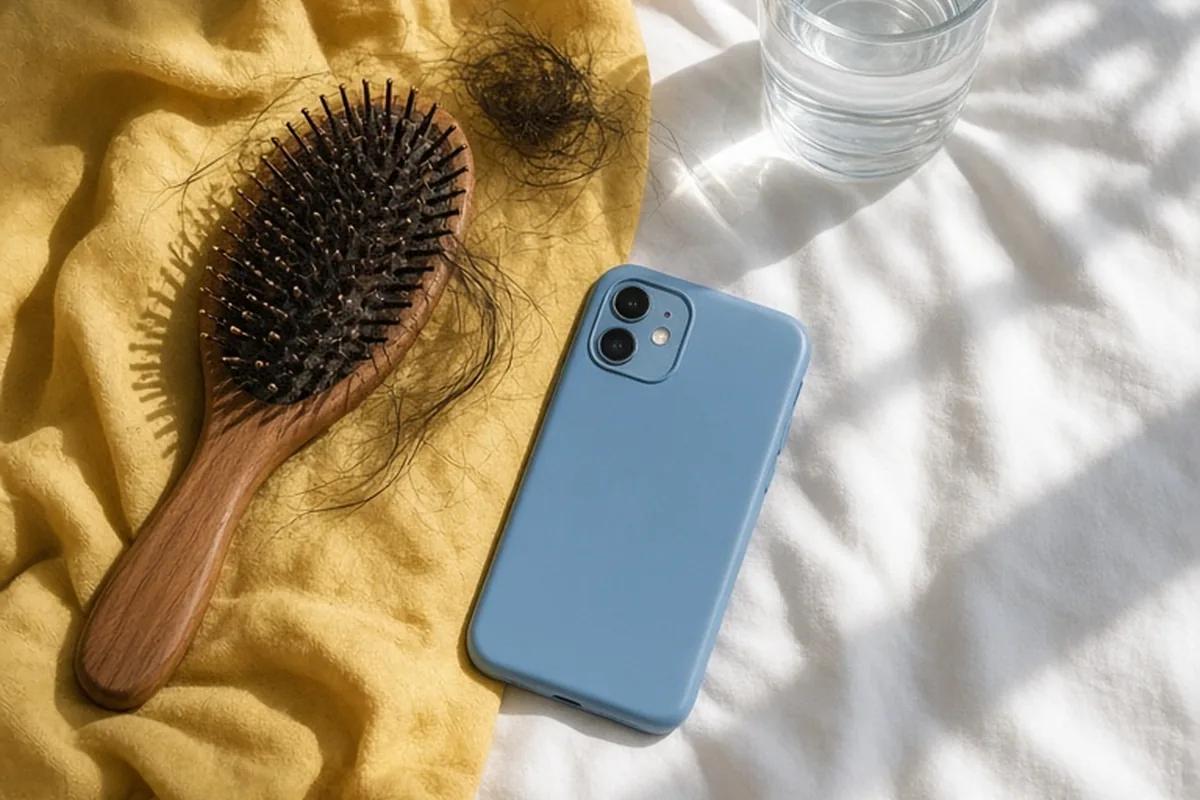
A postpartum hair loss maintenance schedule organizes your hair care into daily low-tension styling, twice-weekly gentle cleansing, weekly scalp and moisture treatments, and monthly trims. Postpartum shedding typically peaks between three and six months after childbirth due to shifting estrogen levels. Structuring a predictable routine minimizes mechanical breakage, supports scalp health, manages unruly regrowth, and ensures your hair follicles have the optimal environment for natural recovery over the first year postpartum.
Navigating hair shedding after childbirth can feel overwhelming, especially when clumps appear in your shower drain or hairbrush while you are already managing the demands of caring for a newborn. Establishing a clear, structured maintenance schedule helps remove the guesswork, preserves existing density, and supports healthy regrowth.
The Postpartum Hair Loss Timeline and What to Expect
During pregnancy, elevated estrogen levels extend the growth phase of your hair cycle, preventing the normal daily shedding of strands. Following delivery, hormone levels drop rapidly, causing a large proportion of hair follicles to enter the resting and shedding phase simultaneously. This condition, known clinically as telogen effluvium, usually begins around two to four months postpartum and can feel alarming due to the sheer volume of hair releasing at once.
For most people, shedding peaks between three and five months and gradually tapers off as follicles reset to their baseline cycle. By six to nine months, fine baby hairs usually emerge along the hairline and crown, and overall density often stabilizes around the first birthday of your baby. Because this process is driven by internal hormonal shifts rather than external damage, your maintenance schedule should focus on protecting vulnerable strands from physical breakage, maintaining scalp cleanliness, and providing supportive conditions for new growth.
Daily Maintenance Schedule: Gentle Handling and Low-Tension Styling
Your daily routine serves as the front line of defense against mechanical stress. When follicles are in an active shedding phase, aggressive brushing or tight hairstyles can pull out hairs prematurely or snap fragile neighboring strands. Begin your morning by detangling gently with your fingers or a wide-tooth comb, starting at the ends and working upward in small sections rather than dragging a fine-toothed tool from the roots down.
Style your hair in loose, low-manipulation configurations throughout the day. Avoid tight ponytails, slicked-back buns, and rigid hair clips that place tension on the hairline, which is often the area most noticeably affected by postpartum thinning. Opt for soft scrunchies made from silk or satin, loose braids, or claw clips with smooth, rounded edges. Before going to bed, switch to a silk or satin pillowcase to reduce nocturnal friction, and gather your hair into a very loose, high pineapple or loose braid to keep it from tangling during sleep.
Weekly Cleansing, Conditioning, and Scalp Care Routine
A common reaction to postpartum shedding is washing hair less frequently out of fear that shampooing causes hair loss. In reality, water and lather merely release strands that have already detached from the follicle base. Delaying washing can lead to sebum buildup, product accumulation, and scalp inflammation, which creates an unfavorable environment for new hair emergence. Aim to cleanse your scalp two to three times per week using a mild, sulfate-free shampoo formulated for sensitive scalps or fine hair.
Designate one wash day per week for an intensive care routine. Apply a lightweight deep conditioner or protein-moisture balanced hair mask to the mid-lengths and ends, avoiding direct application to the roots where heavy emollients can weigh down fine regrowth. While conditioning, spend two to three minutes performing a gentle circular scalp massage with your fingertips to encourage localized circulation. Rinse thoroughly with lukewarm water, as hot water can dry out the scalp and strip necessary natural lipids.
Monthly Maintenance: Strategic Trims, Density Adjustments, and Regrowth Care
A monthly check-in allows you to assess the progress of shedding and adapt your haircut to changing volume. Around month three or four, visiting a stylist for a light dusting or reshaping can make a substantial visual difference. Removing dry, thinned-out ends creates the illusion of thicker, fuller hair and eliminates split ends before they travel up the hair shaft.
As new growth appears between months six and nine, short upright hairs along the hairline and part can create a halo effect that feels difficult to manage. Rather than flattening these new hairs with heavy waxes or high-heat tools, use a monthly evaluation to incorporate lightweight smoothing serums, hydrating leave-in mists, or styling mascaras designed for baby hairs. If overall volume has shifted noticeably, discuss subtle layering, curtain bangs, or a textured bob with your stylist to seamlessly blend different lengths while the crown catches up.
Nutritional Habits and Internal Support to Complement Your Schedule
External routines must be paired with consistent internal nourishment, as hair follicles require adequate micronutrients and protein to sustain active cellular turnover. Postpartum recovery places considerable metabolic demands on the body, particularly if you are lactating or experiencing fragmented sleep. Focus on integrating steady sources of complete proteins, such as eggs, legumes, poultry, fish, or tofu, into your daily meals to supply the building blocks of keratin.
Continue taking your prenatal vitamin or a specialized postnatal multivitamin if advised by your healthcare provider, ensuring adequate intake of iron, zinc, vitamin D, and B vitamins. Because nutrient absorption can be affected by blood loss during birth or underlying deficiencies, avoiding restrictive diets during the first postpartum year is critical for supporting the hair follicle cycle and overall maternal recovery.
Tool Selection and Heat Management for Fragile Postpartum Hair
The tools you use directly influence how much secondary breakage occurs alongside hormonal shedding. Replace stiff plastic bristle brushes with flexible-bristle detangling brushes or seamless acetate combs that glide through wet or damp hair without snagging. When drying your hair, swap rough cotton bath towels for microfiber wraps or soft cotton t-shirts, pressing water out gently rather than rubbing the hair vigorously.
Minimize the use of direct high-heat styling tools such as flat irons and curling wands, which weaken the hair cuticle and make fragile strands more prone to snapping mid-shaft. If you choose to blow-dry, apply a silicone-free thermal protectant spray beforehand, keep the dryer on a medium or cool setting, and hold the nozzle at least six inches away from your scalp. Diffuser attachments are particularly useful for distributing airflow evenly without disrupting delicate baby hairs.
When to Consult a Healthcare Provider About Postpartum Hair Thinning
While shedding is an expected physiological response to changing postpartum hormones, certain patterns warrant professional medical investigation. If excessive hair shedding continues beyond twelve months postpartum, if hair falls out in distinct circular patches, or if you experience intense scalp tenderness, burning, redness, or scaling, schedule an appointment with a board-certified dermatologist or primary care provider.
Postpartum thyroid dysfunction and iron deficiency anemia can closely mimic or exacerbate standard telogen effluvium. A physician can perform targeted blood tests, including a complete blood count, ferritin levels, and a comprehensive thyroid panel, to rule out systemic causes. Treating an underlying thyroid imbalance or replenishing depleted iron stores will help resolve excessive shedding that standard topical maintenance cannot fix on its own.
Frequently asked questions
Can taking biotin or hair supplements stop postpartum shedding immediately?
Biotin and over-the-counter supplements cannot stop hormonal shedding because postpartum hair loss is triggered by a sudden drop in estrogen that resets the hair growth cycle. While maintaining adequate general nutrition supports incoming hair, supplements will not prevent resting hairs from shedding once the cycle has been initiated.
Does breastfeeding make postpartum hair loss worse?
Breastfeeding does not cause postpartum hair loss, nor does it typically increase the total amount of hair shed. However, the hormonal transitions associated with nursing and weaning can slightly alter the timing of when shedding begins or ends compared to individuals who do not breastfeed.
Is it safe to color or bleach my hair during the peak shedding phase?
While chemical processing does not affect the hair follicle beneath the scalp, bleaching or permanent dyes can weaken the hair shaft and cause breakage, compounding the appearance of thinning. If you choose to color your hair, opt for gentle demi-permanent glosses, root-blending powders, or low-manipulation placement applied by a professional stylist.
How long does it take for hair density to fully recover after pregnancy?
Most people notice their shedding stabilizes between six and nine months postpartum, with visible regrowth filling in along the hairline by nine to twelve months. Achieving full baseline length and density throughout long hair can take up to two years as the new strands grow at the average rate of roughly half an inch per month.
Your next step
Audit your current hair care routine today, replace tight hair ties and rough towels with low-tension satin accessories and microfiber wraps, and schedule a routine postpartum checkup with your doctor if heavy shedding persists past the one-year mark.