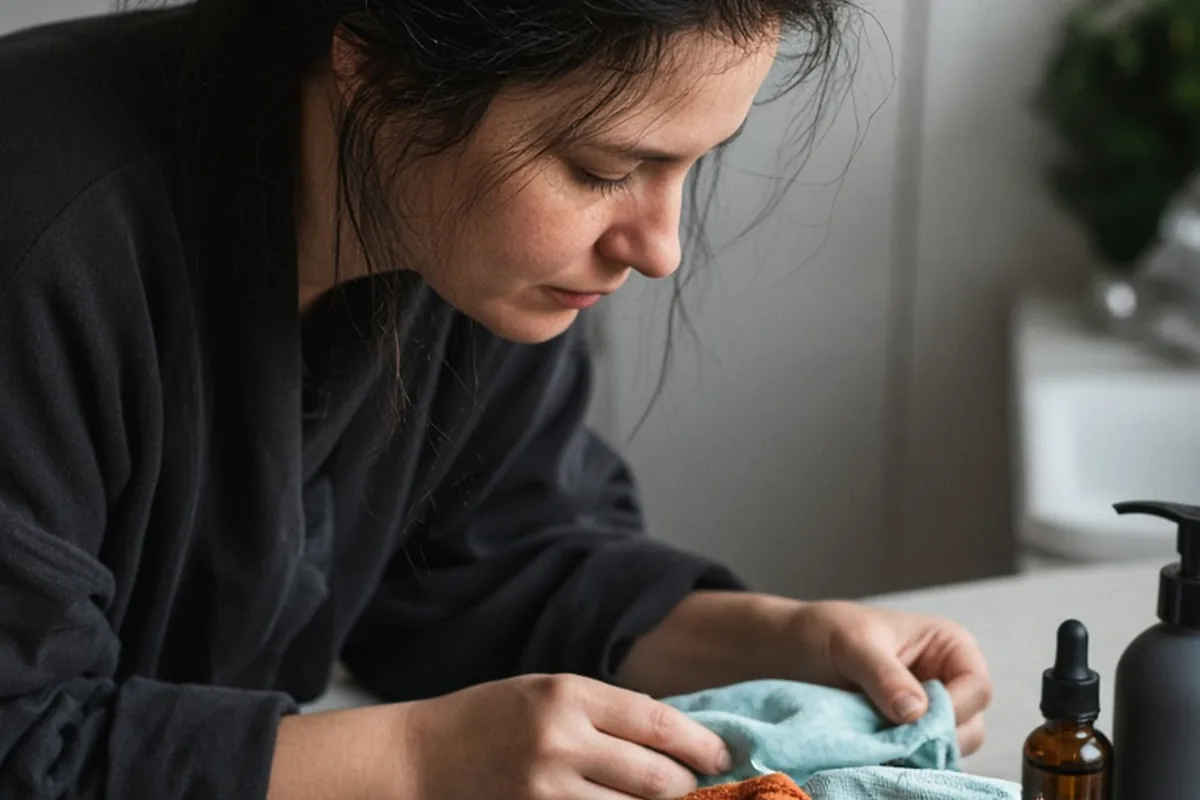
Postpartum hair loss happens when estrogen levels drop after childbirth, shifting resting follicles into a synchronized shedding phase. When choosing topical products to support recovery, look for scalp-stimulating and barrier-supporting ingredients such as caffeine, rosemary extract, niacinamide, panthenol, and lightweight peptide complexes. Pair these with gentle cleansing agents and hydrolyzed proteins to strengthen fragile strands. Always review product labels for potential allergens and confirm safety with a healthcare provider if you are nursing.
Navigating hair changes after welcoming a baby can feel overwhelming, especially when shedding seems to accelerate overnight. Understanding how specific cosmetic and botanical ingredients interact with your scalp and hair fiber makes it easier to select formulas that provide meaningful support during this temporary transition.
Understanding Postpartum Hair Shedding and Formula Expectations
During pregnancy, sustained high estrogen levels keep hair follicles in an extended growth phase, resulting in fuller hair with minimal day-to-day shedding. Following childbirth, hormone concentrations normalize rapidly. This shift prompts a large cohort of follicles to enter the resting and shedding phases simultaneously, a physiological process known as postpartum telogen effluvium. Because this transition is fundamentally driven by internal endocrine adjustments, topical cosmetic products cannot freeze hormonal shedding in its tracks. Instead, their role is to protect the emerging regrowth, maintain a balanced scalp environment, and prevent mechanical breakage of existing strands.
When evaluating topical products, it helps to distinguish between root-level scalp treatments and strand-level conditioners. Scalp serums and leave-on tonics target the follicular environment, delivering nutrients, humectants, and botanical extracts to soothe inflammation and support microcirculation. Shampoos, conditioners, and bond-building masks target the exposed hair fiber, reinforcing structural integrity and creating immediate cosmetic volume. Managing expectations around what a topical product can achieve allows you to invest in formulas that protect your scalp and hair without relying on unrealistic promises of overnight restoration.
Topical Botanicals for Postpartum Scalp Stimulation
Botanical extracts have become primary components in modern postpartum scalp treatments. Among the most popular is rosemary extract, frequently formulated as an essential oil or aqueous leaf extract. Rosemary contains carnosic acid and rosmarinic acid, compounds noted for their antioxidant properties. When applied in properly diluted topical solutions, rosemary helps refresh the scalp, minimize oxidative stress around the follicular openings, and encourage a comfortable environment for new growth without disrupting the skin barrier.
Caffeine is another widely utilized botanical active that penetrates the outer layers of the scalp with ease. In topical formulations, caffeine serves as an invigorating agent that supports localized surface blood flow when paired with gentle scalp massage. Additionally, green tea extract provides polyphenol-rich protection against environmental stressors that can otherwise exacerbate scalp sensitivity during periods of hormonal fluctuation. When selecting botanical products, look for standardized extracts suspended in lightweight, water- or aloe-based serums rather than heavy, occlusive carriers that might clog follicular pores.
Peptides and Hydrolyzed Proteins for Strand Strength
Regrowing postpartum baby hairs are inherently delicate, fine, and prone to snap when subjected to everyday styling, friction, or tension. Peptides, which are short chains of amino acids, serve as targeted building blocks in both scalp and hair fiber treatments. Signal peptides, such as copper tripeptide complexes and acetyl tetrapeptide blends, are frequently incorporated into leave-on scalp serums to nourish the dermal papilla area and encourage a resilient anchoring foundation for new hair fibers.
For the visible length of the hair, hydrolyzed plant proteins offer noticeable cosmetic and structural reinforcement. Hydrolyzed rice, wheat, and quinoa proteins have low molecular weights that allow them to temporarily bind to microscopic gaps along damaged hair cuticles. This structural support adds lightweight body, improves strand elasticity, and minimizes split ends without weighing down fine or thinning textures. When scanning ingredient lists, look for hydrolyzed proteins placed in the middle tier of leave-in conditioners or rinse-off masks to achieve an optimal balance between strengthening support and soft manageability.
Scalp Barrier Hydrators: Niacinamide, Panthenol, and Hyaluronic Acid
A healthy hair growth cycle requires a calm, well-hydrated, and uninflamed scalp. Hormonal shifts after birth can alter sebum production, leaving the scalp dry, flaky, or unusually sensitive. Niacinamide, a water-soluble form of vitamin B3, is an exceptional ingredient for calming surface irritation, reinforcing the skin's lipid barrier, and balancing oil levels across the scalp. By minimizing micro-irritation around the follicle, niacinamide helps ensure that emerging strands grow from a nourished base.
Panthenol, also known as provitamin B5, acts as a dual-action humectant and emollient. It readily penetrates both the scalp stratum corneum and the hair cortex, drawing in moisture and improving the flexibility of brittle strands. Hyaluronic acid and glycerin complement panthenol by binding environmental moisture to the scalp surface, alleviating the tightness and flaking that can mimic dandruff. Water-based scalp essences containing these humectants provide immediate comfort without leaving greasy residues that would otherwise flatten postpartum hairstyles.
Gentle Surfactants and Scalp Cleansing Agents
Shampooing during a period of heavy shedding can feel intimidating, but skipping wash days often backfires. Infrequent cleansing allows natural sebum, shed skin cells, sweat, and styling residue to accumulate around the follicle base, which can create inflammation and impede healthy regrowth. The goal is to choose shampoos formulated with gentle, non-stripping surfactants that effectively clarify the scalp without causing friction or depleting essential moisture.
Look for mild cleansing bases built around ingredients like sodium cocoyl isethionate, cocamidopropyl betaine, decyl glucoside, and lauryl glucoside. These coconut- and sugar-derived surfactants lift away excess oil while preserving the natural lipid barrier. Avoid aggressive cleansing systems that rely on high concentrations of harsh sulfates if your scalp feels dry or stripped after washing. An effective postpartum shampoo should leave the scalp feeling thoroughly refreshed and the roots naturally lifted, making the overall hair volume appear fuller immediately after drying.
Formulation Considerations and Safety When Nursing
If you are breastfeeding or chestfeeding, assessing the safety profile of topical actives is an essential step before introducing new treatments. While most cosmetic shampoos, conditioners, and hair mists have negligible systemic absorption, highly concentrated leave-on scalp serums and medicated treatments require closer inspection. Traditional regrowth ingredients like minoxidil, while widely available over the counter, should only be used after explicit clearance from your healthcare provider or pediatrician if you are lactating.
Additionally, exercise caution with unrefined essential oils, synthetic fragrances, and aggressive chemical exfoliants such as high-strength salicylic acid or glycolic acid tonics applied over large surface areas. Undiluted essential oils can cause contact dermatitis on a hormonally sensitive scalp and may transfer to an infant during close physical contact. Opt for fragrance-free or dermatologically tested hypoallergenic products, and always perform a patch test on your inner arm or behind your ear for twenty-four hours before applying a new formulation across your entire head.
Evaluating Ingredient Lists and Avoiding Marketing Hype
Cosmetic packaging often highlights active ingredients prominently on the front label, but the ingredient declaration on the back tells the true story of formulation strength. In standard cosmetic labeling, ingredients are listed in descending order of concentration until reaching the one percent threshold. Beneficial actives like peptides, botanical extracts, and vitamins frequently appear in the middle to lower portions of the list because they are biologically effective in modest percentages. However, if a heavily advertised botanical appears after fragrance or preservative systems, it may only be present in negligible amounts.
Be wary of products that make broad clinical claims without transparent ingredient disclosures. Formulations suspended in lightweight water, floral hydrosol, or aloe juice vehicles typically offer better scalp delivery than formulas overloaded with heavy mineral oils or insoluble waxes, which can coat the hair and weigh down delicate new growth. Prioritize brands that list clearly identifiable humectants, gentle cleansing bases, and recognized barrier-supportive vitamins to ensure your budget goes toward functional ingredients rather than promotional claims.
Frequently asked questions
Can topical hair loss products stop postpartum shedding immediately?
No topical product can halt hormonal postpartum shedding immediately because the process is triggered by internal hormonal shifts. Topical products are designed to soothe the scalp, reduce breakage, and support the health of new hairs as they emerge over several months.
Are peptide serums safe to use while breastfeeding?
Most cosmetic peptide serums remain in the superficial layers of the skin and have minimal systemic absorption, making them generally well tolerated. However, because individual formulations vary, you should share the full ingredient list with your doctor or lactation consultant before use.
How often should I wash my hair during postpartum shedding?
Washing your hair two to three times per week with a gentle, sulfate-free shampoo is typically ideal for keeping the scalp clean without drying it out. Washing removes hairs that have already detached from the follicle and prevents pore-clogging sebum buildup.
Is rosemary oil as effective as medicated treatments for postpartum recovery?
Rosemary extract provides antioxidant support and promotes a healthy scalp environment, making it a popular natural cosmetic choice. However, it does not function as an approved pharmaceutical cure for hair loss, and individual responses vary based on scalp sensitivity and dilution.
Your next step
Review the ingredient labels on your current hair products, replace harsh cleansing shampoos with gentle surfactant formulas containing panthenol or niacinamide, and consult your healthcare provider to confirm any active scalp serum aligns with your nursing status.