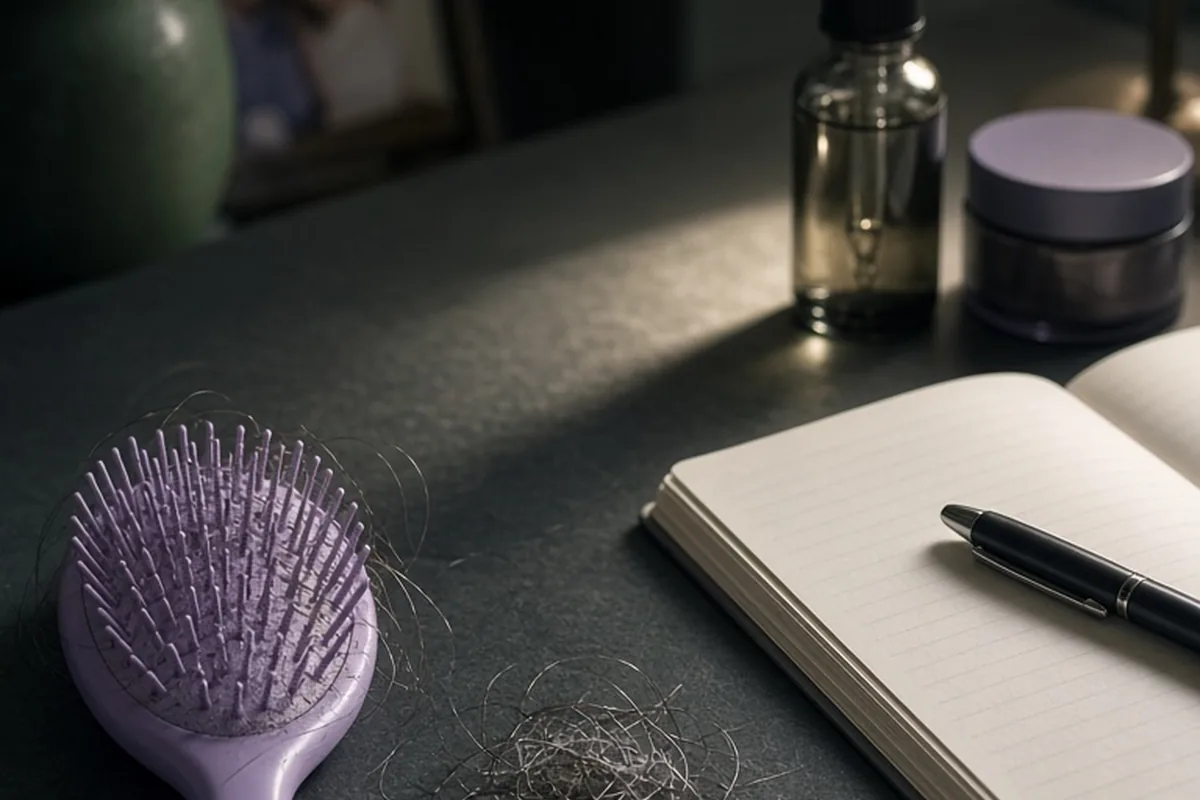
Salon costs for postpartum hair loss vary based on whether you choose restorative scalp treatments, strategic density haircuts, volumizing glosses, or temporary hair extensions. Because pricing depends heavily on salon tier, stylist experience, appointment length, and regional labor rates, services are billed individually or as customized multi-step appointments rather than standard flat-rate postpartum packages.
Postpartum shedding, commonly experienced a few months after childbirth due to shifting hormone levels, can dramatically alter hair thickness, texture, and hairline density. Many new parents turn to professional hair salons seeking immediate cosmetic relief, restorative scalp care, or fresh styling to camouflage thinning patches.
Postpartum Hair Loss Salon Services and Pricing Factors
When exploring salon appointments for postpartum hair loss, the total investment depends on the specific combination of cosmetic, structural, and scalp services selected. Hair salons do not operate with standardized universal fee schedules, meaning service menus reflect regional commercial rents, stylist training, product line partnerships, and the time required for personalized consultations. A quick maintenance trim carries a very different price point than an intensive multi-step scalp therapy session or a custom hair enhancement installation.
Stylist hierarchy plays a primary role in total appointment pricing. Salons routinely categorize their staff into tiers, ranging from junior or apprentice stylists to senior stylists, master colorists, and salon artistic directors. Booking with a senior professional who specializes in fine, fragile, or recovering hair generally commands a higher fee per hour or per service. Additionally, metropolitan salons and boutique hair wellness studios typically charge more than neighborhood community salons due to higher overhead expenses.
Another major factor influencing the bill is hair density and length. Even though postpartum hair loss reduces overall bulk, longer hair often requires extra product formulation, extended blow-dry styling time, and detailed sectioning. If your stylist applies specialized scalp treatments alongside balancing conditioning masks, the additional product mixtures and processing time will be reflected in an itemized service charge or an upgraded service tier.
In-Salon Scalp Treatments, Exfoliation, and Hair Spa Sessions
Professional scalp facials and hair spa treatments have become popular in salons for clients navigating postpartum shedding. These services focus on cleansing the scalp environment, clearing sebum build-up around follicle openings, and stimulating surface circulation through gentle physical manipulation. Scalp services can be scheduled as standalone luxury appointments or added to a standard wash and blow-dry service.
A full salon scalp treatment typically includes a diagnostic scalp assessment under bright lighting, a clarifying or enzymatic exfoliating scrub, a soothing botanical mask, and extended scalp massage techniques. Some specialized salons incorporate modern tools, such as micro-mist steam caps to open cuticles and encourage product absorption, or high-frequency scalp wands intended to invigorate the skin. Each added technology or step generally increases the service duration and overall cost.
Because these treatments do not alter the underlying hormonal shift that causes telogen effluvium, stylists often recommend a series of sessions spaced a few weeks apart to maintain scalp comfort and support new growth as it emerges. Booking treatments as a recurring series may involve different pricing structures compared to a single one-off appointment. Always ask whether the blow-dry finish is included in the quoted scalp treatment rate or billed as an additional styling service.
Volumizing Haircuts and Texturizing Techniques for Postpartum Shedding
A strategic haircut is frequently the most cost-effective and immediate way to disguise postpartum hair loss. Hormonal shedding often concentrates around the temples, hairline, and crown, leaving the ends of long hair looking sparse, stringy, and uneven. A skilled stylist can remove dead weight, redistribute visual bulk, and create the illusion of fuller, thicker hair through precision cutting.
Popular postpartum cut choices include textured bobs, blunt perimeter lobs, collarbone-length cuts, and soft face-framing fringe or curtain bangs that hide receding temple areas. Blunt perimeters make fine hair appear denser at the baseline, while interior point-cutting or subtle crown layers provide lift and movement without thinning the ends. The price for this service will depend on whether you book a standard cut or a comprehensive transformation appointment that requires extended consultation and restructuring.
Stylists often include a customized blow-dry and styling tutorial during these appointments to show you how to recreate volume at home using lightweight mousse, root-lifting sprays, and round-brush techniques. If you have limited styling time as a new parent, clearly communicate your daily routine so your stylist designs a low-maintenance cut that looks full even when air-dried.
Professional Hair Extensions, Halo Pieces, and Volume Fillers
For individuals experiencing noticeable thinning who want immediate fullness, salon hair extensions and temporary hairpieces provide instant density. However, choosing extensions during active postpartum shedding requires caution. Heavy or high-tension extension methods, such as tight sew-in weaves or traditional micro-rings, can place unnecessary mechanical strain on fragile, shedding follicles, potentially worsening hair loss through traction.
Safer alternatives commonly recommended by professional stylists include lightweight tape-in extensions applied in sparse quantities strictly for side-fill volume, or non-damaging temporary options like custom-fitted halo pieces and clip-in wefts. Halo pieces rest gently on the head with an invisible wire without attaching directly to existing hair strands, making them an ideal low-risk cosmetic solution for postpartum clients.
The overall cost for hair enhancements involves two separate components: the initial purchase of the human hair piece itself and the salon application, custom blending, and styling fee. Custom hairpieces and tape-ins represent a significant financial commitment compared to standard salon services. In addition, semi-permanent methods require maintenance re-application appointments every several weeks as your natural hair grows, creating ongoing maintenance costs that should be budgeted in advance.
Glossing, Low-Impact Color, and Camouflaging Temple Thinning
Color appointments during postpartum recovery can either enhance visual volume or compromise hair integrity if not approached carefully. Bleaching, heavy highlights, and aggressive chemical processing can weaken delicate postpartum regrowth, leading to chemical breakage that compounds natural shedding. Conversely, gentle, low-damage color techniques can make hair look visibly thicker and richer.
Demi-permanent glosses, glazes, and root-smudge techniques are frequently utilized to create optical depth. A gloss coats the hair shaft, smoothing the cuticle, enhancing natural shine, and plumping individual strands slightly without lifting the natural pigment. Adding a soft shadow root or subtle lowlights creates contrast against the scalp, which minimizes the stark appearance of scalp visibility along wide parts or thinning hairlines.
Pricing for color services is determined by product usage, technique complexity, and whether color is paired with a haircut and blowout. A simple standalone gloss service is generally priced much lower than a full dimensional balayage or foil placement. Stylists may also recommend bond-building additives mixed directly into the color formula to protect fragile fibers, which usually carries a modest supplementary product fee.
At-Home Professional Scalp Serums and Salon Retail Bundles
A substantial portion of the total salon bill for postpartum hair care often comes from retail products recommended at checkout. Stylists routinely recommend professional-grade shampoos, lightweight fortifying conditioners, peptide-infused scalp drops, and density-boosting leave-in treatments designed to protect recovering hair at home.
Professional retail products use concentrated ingredients, such as botanical extracts, caffeine, niacinamide, and amino acid complexes, aimed at soothing scalp tension and fortifying the hair shaft against daily breakage. While salon-exclusive product lines carry a premium price tag compared to drugstore alternatives, a single bottle of specialized serum or scalp tonic can last several months when used in small, measured doses.
Before purchasing an entire product system at the salon, evaluate your actual home habits and budget. You are under no obligation to buy retail products directly from the salon chair. Ask your stylist which single product would make the most tangible difference in your daily routine, or request sample sizes if available so you can test how your scalp tolerates the formulation before committing to a full-sized bottle.
Booking a Postpartum Hair Consultation and Requesting an Itemized Estimate
Because postpartum hair needs vary widely, scheduling a dedicated consultation before committing to a full service appointment is the best way to avoid unexpected expenses. Many salons offer standalone 15- to 30-minute consultation appointments, while others apply the consultation fee toward the cost of your future service if you book on the same day.
During the consultation, bring clear reference photos of your preferred styles and be open about your postpartum timeline, shedding patterns, and daily styling availability. Ask the stylist directly for an itemized estimate that breaks down the base service fee, any anticipated product charges, add-on treatments, and the cost of the final blow-dry and finish. Transparent salons will readily explain where every dollar goes and offer tiered options that match your budget.
It is equally important to clarify cancellation and rescheduling policies. Life with an infant can be unpredictable, and salons often enforce fee policies for appointments canceled within 24 to 48 hours. Inquiring about these terms ahead of time ensures that you protect your investment and maintain a positive working relationship with your stylist.
Frequently asked questions
Can salon treatments actually stop postpartum hair loss completely?
No salon service or cosmetic treatment can completely halt biological postpartum shedding, which is triggered by hormonal adjustments after childbirth. Salon treatments focus on soothing the scalp, preventing fiber breakage, and cosmetically improving the visual density of your hair while natural regrowth occurs over time.
How often do I need to visit a salon for postpartum scalp maintenance?
Appointment frequency depends entirely on your chosen service. Professional scalp facials and hair spa sessions are typically scheduled once every three to six weeks, while strategic haircuts for maintaining baseline density are usually refreshed every eight to twelve weeks.
Are hair extensions safe to get while experiencing postpartum shedding?
High-tension semi-permanent extensions can strain fragile follicles and are generally not recommended during peak shedding. Non-damaging alternatives like custom-fitted halo pieces or lightweight, carefully placed clip-ins provide volume without pulling on your natural roots.
What should I ask my stylist before booking a postpartum hair service?
Ask for an itemized price breakdown that includes the consultation, base service, product charges, and the blowout finish. You should also confirm whether the stylist has specific experience working with fragile, recovering postpartum hair.
Your next step
Contact two or three reputable local salons to request an itemized consultation quote for a density-enhancing haircut or gentle scalp treatment, and confirm with your medical provider that your postpartum shedding is not linked to underlying nutritional or thyroid imbalances.