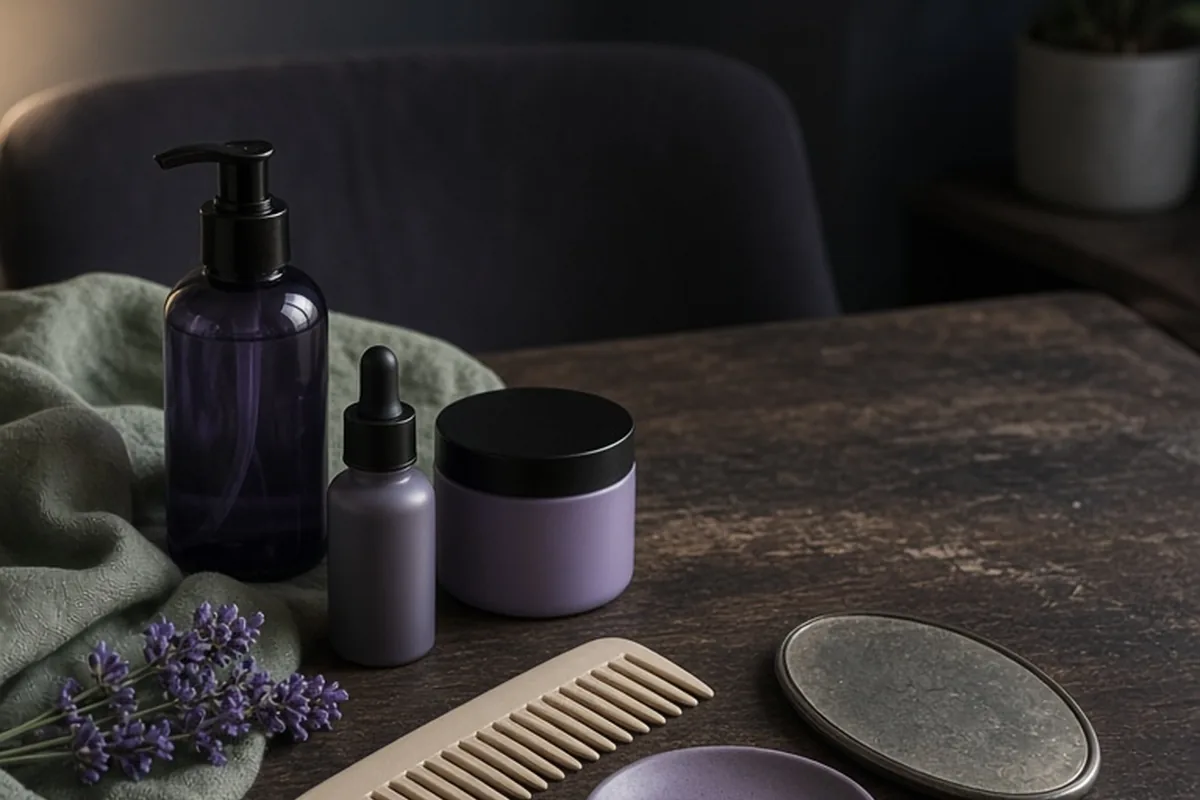
A beginner routine for hair loss during menopause focuses on gentle scalp cleansing, reducing physical tension, and supporting weakened follicles. Wash two to three times weekly with a sulfate-free, hydrating shampoo, followed by a lightweight moisturizing conditioner on mid-lengths and ends. Apply a targeted scalp serum or over-the-counter treatment daily, massage gently with fingertips to stimulate circulation, and switch to low-heat styling and wide-tooth detangling to prevent fragile strands from breaking.
Hormonal shifts during perimenopause and menopause alter hair density, individual strand diameter, and overall growth cycles, often leaving hair feeling suddenly sparse, dry, or slow to grow. Establishing a structured yet gentle daily routine helps preserve remaining strand density, nurtures the scalp environment, and prevents avoidable breakage while you explore potential medical or nutritional factors with your healthcare provider.
Understanding How Menopausal Hormone Shifts Affect Hair Density and Growth
During perimenopause and menopause, levels of estrogen and progesterone decline steadily. These female hormones play a protective role in hair health by supporting follicle longevity and keeping strands in the anagen, or active growth, phase for longer durations. When estrogen and progesterone drop, the relative balance of circulating androgens, such as dihydrotestosterone (DHT), becomes more pronounced. For individuals with a genetic sensitivity to DHT, this hormonal shift causes hair follicles on the crown, temples, and part line to miniaturize gradually.
Follicle miniaturization means that with each successive growth cycle, the hair shaft grows back finer, shorter, and less pigmented before eventually ceasing to emerge. At the same time, the overall rate of sebum production on the scalp often decreases because estrogen also helps regulate oil glands. This leaves the scalp prone to dryness and irritation while the hair shafts become more brittle and prone to snap under routine handling. Understanding that hair changes during this stage are driven by both internal biological shifts and increased physical vulnerability is essential for selecting the right care routine.
Because the biological environment of the follicle has shifted, aggressive styling routines, harsh clarifying washes, or relying solely on volumizing products that dry out the hair shaft can accelerate thinning. A beginner routine must therefore address two distinct fronts simultaneously: maintaining a calm, well-circulated scalp to give follicles the best possible conditions to produce hair, and reinforcing the fragile hair fiber itself so that existing strands do not break prematurely.
The Foundation Cleansing Routine: Washing Frequency, Scalp Cleansers, and Conditioning
A common mistake when noticing increased shedding is avoiding washing out of fear that water and shampoo cause hair loss. In reality, hair that falls out during a wash has already separated from the follicle days prior and was merely resting in the scalp pore. Infrequent washing can actually worsen shedding by allowing dead skin cells, natural sebum, styling residues, and environmental pollutants to accumulate around follicle openings. For most individuals experiencing menopausal thinning, washing two to three times per week provides an optimal balance between maintaining scalp hygiene and preserving natural moisture.
Choose a sulfate-free shampoo formulated for sensitive, thinning, or dry scalps. Look for formulas containing gentle surfactants derived from coconut or glucose rather than harsh sodium lauryl sulfates, which strip away protective lipid barriers. When washing, apply the cleanser directly to the scalp rather than piling the lengths of your hair on top of your head, which causes tangling and friction. Use the pads of your fingertips to work the lather across the entire scalp in small, deliberate circular motions, lifting oil and buildup without scratching the skin with your fingernails.
Conditioning requires a tailored technique to avoid weighing down thinning roots while still nourishing dry ends. Apply a hydrating conditioner enriched with ingredients like glycerin, panthenol, or lightweight plant oils exclusively from the mid-lengths down to the ends. Avoid applying heavy conditioners directly to the roots, where they can coat the scalp and make fine hair appear flat. Rinse thoroughly with lukewarm water, as excessively hot water can dehydrate the scalp and trigger compensatory irritation.
Daily Scalp Care, Circulation Support, and Topical Application
The scalp is living tissue that functions as the anchor and nutrient conduit for growing hair. Integrating dedicated scalp care into your daily routine supports local blood flow, which delivers oxygen and vital micronutrients to the hair matrix. A practical method for beginners is a daily mechanical scalp massage. Using clean, dry fingertips, apply light to medium pressure in circular motions across the front hairline, crown, and base of the neck for three to five minutes each morning or evening.
Following your massage, consider applying a lightweight topical leave-in scalp serum designed for thinning hair. Water-based serums containing peptides, caffeine, or botanical extracts absorb cleanly without leaving greasy residues that require frequent re-washing. Part your hair in sections to ensure the dropper or nozzle places the formula directly onto the scalp skin rather than coating the hair shafts. Gently pat or massage the product into the skin until absorbed, allowing it to work uninterrupted.
If you and your doctor decide to include a clinically proven over-the-counter topical agent such as minoxidil, consistency is vital. Topical minoxidil works by prolonging the growth phase of the hair cycle and widening shrunken follicles, but it requires daily, uninterrupted application to maintain any benefits. Apply topical treatments to a completely dry scalp, adhere strictly to the package directions regarding dosage, and allow the product to dry fully before laying down to sleep or applying styling products.
Styling Practices to Prevent Mechanical Breakage and Follicle Tension
Because menopausal hair shafts are naturally thinner and drier, they possess reduced tensile strength and snap easily under mechanical stress. Breakage along the shaft is often mistaken for root shedding, compounding distress. To safeguard fragile strands, replace fine-tooth plastic combs and stiff-bristled brushes with wide-tooth combs or flexible detangling brushes with soft, widely spaced bristles. Always detangle hair gently from the ends upward, holding the section of hair above the comb to prevent pulling directly on the root.
Wet hair is in its most elastic and vulnerable state, making careful post-wash handling essential. Avoid vigorously rubbing your hair with a traditional terry-cloth towel, which roughens the cuticle layer and snaps delicate strands. Instead, gently squeeze excess moisture out using a soft microfiber towel or a smooth cotton t-shirt. If you use a blow dryer, apply a lightweight heat protectant spray first, choose a low or medium heat setting, and keep the dryer nozzle at least six inches away from the scalp and hair.
Hairstyles that exert continuous tension on the hair root can cause traction-related follicle damage, which exacerbates hormonal thinning. Avoid tight ponytails, slicked-back buns, rigid headbands, and heavy hair extensions. Opt for loose, low hairstyles secured with soft silk or satin scrunchies instead of traditional rubber elastic bands. Sleeping on a satin or silk pillowcase also minimizes surface friction overnight, reducing morning tangles and strand breakage.
Evaluating Over-the-Counter Treatments and When to Seek Medical Guidance
While a supportive home routine optimizes the health of existing hair, menopausal hair loss is fundamentally an internal process that often warrants clinical evaluation. Consulting a board-certified dermatologist or your primary care physician provides clarity on whether your thinning is classic female pattern hair loss, telogen effluvium triggered by physical stress, an autoimmune condition like alopecia areata, or related to underlying systemic issues.
Your doctor may recommend targeted blood tests to check for common nutritional and metabolic factors that compound menopausal thinning. These frequently include evaluating serum ferritin levels to check iron stores, thyroid panels to rule out hypo- or hyperthyroidism, vitamin D levels, and comprehensive metabolic profiles. Addressing an underlying iron deficiency or thyroid imbalance often restores a significant portion of hair density that topical routines alone cannot resolve.
Medical professionals can also discuss prescription options tailored to your overall health history. For some women, systemic treatments such as oral minoxidil, anti-androgen medications like spironolactone, or systemic hormone replacement therapy (HRT) may be considered appropriate depending on age, symptoms, and cardiovascular risk profile. Keep in mind that medical hair treatments generally require three to six months of continuous use before visible stabilization or regrowth can be assessed accurately.
Weekly and Monthly Maintenance: Deep Conditioning, Exfoliation, and Tracking Progress
In addition to your daily habits, incorporating weekly and monthly maintenance steps ensures long-term routine sustainability. Once a week, replace your standard conditioner with an intensive, protein-balanced hydrating hair mask. Ingredients such as hydrolyzed wheat protein, ceramides, and argan oil help replenish lost lipids in the cuticle, restoring flexibility and shine to coarse, wiry, or graying menopausal strands without causing build-up.
Once or twice a month, evaluate whether your scalp needs gentle exfoliation or a clarifying wash to remove mineral deposits from hard water and lingering styling polymers. Use a mild scalp scrub formulated with chemical exfoliants like lactic or salicylic acid rather than harsh, jagged physical abrasives that can irritate thinning skin. Keeping the scalp skin clear of micro-debris allows topical serums to penetrate effectively and keeps the follicular environment unclogged.
Tracking your progress requires patience and an objective method to avoid emotional distress. Daily shedding fluctuations are normal, and counting individual lost hairs in the shower often creates unnecessary anxiety. Instead, take standardized, well-lit photographs of your hairline, center part, and crown once a month under consistent lighting. Comparing photos every twelve weeks provides a reliable, realistic picture of your hair density trends and helps you determine whether your current routine is working.
Frequently asked questions
How long does it take to see results from a menopausal hair loss routine?
Hair grows at an average rate of roughly half an inch per month, so noticeable improvements take time. You can expect reduced breakage and improved scalp comfort within four to six weeks, while visible changes in hair density or reduced shedding from topical and medical routines generally require three to six months of consistent adherence.
Can menopausal hair loss be completely reversed?
Whether hair loss can be reversed depends on the underlying cause and the extent of follicle miniaturization. While age-related and genetic thinning may not always fully revert to youthful density, early intervention with gentle care, targeted topicals, and medical support can effectively halt progression, thicken existing fibers, and stimulate dormant follicles.
Should I wash my hair less frequently if I notice shedding during menopause?
No, washing less frequently does not prevent hair loss and may contribute to scalp irritation or clogged follicles. Hairs that shed during washing have already completed their growth cycle and detached days earlier. Washing two to three times weekly with a gentle, sulfate-free cleanser maintains optimal scalp hygiene without drying out fragile strands.
Is it better to use heavy hair oils or water-based serums on thinning menopausal hair?
Water-based serums are generally better for thinning hair because they absorb directly into the scalp to deliver active ingredients without weighing down roots or creating buildup. Heavy oils can coat fine hair shafts, make thinning areas appear more visible, and require harsher shampoos to remove, which risks further drying out your scalp.
Your next step
Schedule a consultation with your doctor or dermatologist to check your thyroid, iron, and hormone baselines while swapping harsh shampoos for a gentle, sulfate-free cleanser on your next wash day.