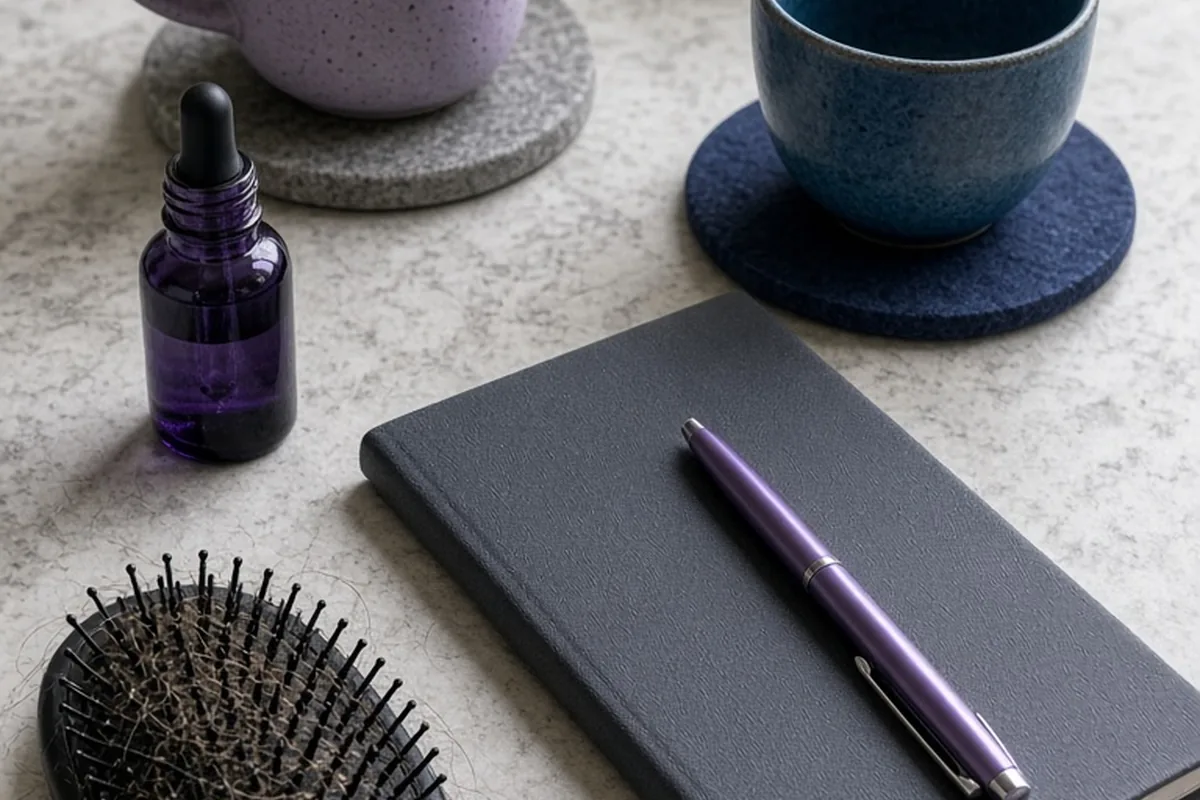
Managing female hair loss at home focuses on consistent daily habits, such as gentle cleansing, low-tension handling, and over-the-counter scalp support. Salon care provides immediate cosmetic solutions, including strategic cuts, color placement, scalp facials, and custom hair additions. Neither environment cures underlying medical shedding, but combining safe at-home habits with informed salon styling protects fragile follicles while creating the visual appearance of fuller, healthier hair.
Noticing extra strands in your brush or widening along your part can feel overwhelming, leading many women to wonder whether they should invest in professional salon appointments or focus entirely on at-home regimens. Navigating the difference between cosmetic enhancement, scalp maintenance, and medical care is the first step toward making confident choices for your hair.
What Salon Stylists Can and Cannot Do for Female Hair Thinning
A knowledgeable hair stylist serves as a powerful ally for managing the appearance and physical preservation of thinning hair. In a salon chair, an experienced professional can design structural haircuts that maximize volume, such as soft interior layers, blunt baseline perimeters that make ends look denser, or side-swept bangs that disguise frontal recession. Stylists also understand how dimensional color placement works; subtle highlights and lowlights can create the illusion of depth at the root, making sparser areas less noticeable. Additionally, salons offer specialized cosmetic services such as custom-fitted hair toppers, integration systems, and professional scalp facials designed to clear heavy sebum and styling residue.
However, understanding the professional scope of a salon is critical for your health. Cosmetologists are licensed in cosmetic aesthetics, hair design, and topical sanitation, but they are not medical providers. A stylist cannot clinically diagnose the root cause of hair loss, whether it stems from androgenetic alopecia, telogen effluvium, nutritional deficiencies, thyroid imbalances, or scarring conditions. Furthermore, salons cannot prescribe prescription therapies or guarantee physiological hair regrowth. Relying on a salon to reverse medical shedding can delay necessary healthcare interventions, but utilizing a stylist for low-manipulation styling, visual density, and gentle maintenance creates an empowering partnership.
Building a Safe and Effective At-Home Care Routine
Your everyday at-home routine forms the foundation of follicular preservation because the physical handling your hair receives multiple times a week dictates how much mechanical breakage occurs. A safe at-home regimen begins with mindful cleansing. Many women with thinning hair fear washing because they see dislodged hairs in the drain, but infrequent washing can allow sebum, dead skin cells, and microbial populations to build up, potentially inflaming the follicular opening. Cleansing with a gentle, sulfate-conscious shampoo two to three times a week keeps the scalp clean without stripping natural moisture barriers.
Mechanical friction during daily styling requires equal caution. Wet hair exists in a weakened, elastic state where rough brushing can easily snap compromised strands. Switching to a wide-tooth detangling comb or a flexible-bristle brush, starting strictly from the ends and moving upward toward the roots, minimizes unnecessary tension. Replacing standard cotton pillowcases with smooth satin or silk alternatives reduces nightly friction, while swapping heavy terry-cloth bath towels for lightweight microfiber wraps prevents pulling on fragile roots. When blow-drying at home, keeping tools on low-to-medium heat settings and maintaining continuous motion prevents localized heat damage to vulnerable hair shafts.
Salon Scalp Treatments Versus At-Home Masks and Serums
Salons frequently market scalp facials, clarifying detoxes, and deep conditioning rituals aimed at clients experiencing thinning. These in-chair treatments typically utilize professional-grade exfoliating washes, warm micro-mist ozone steamers, and physical manipulations that loosen stubborn environmental build-up and cosmetic polymers around follicular openings. When performed gently, a salon scalp service can leave the scalp feeling refreshed, clean, and primed for optimal topical product absorption, while the relaxing atmosphere offers welcome stress relief. However, these services remain superficial cleansing rituals rather than medicinal cures for hormonal or autoimmune shedding.
At-home scalp care offers greater consistency at a significantly lower ongoing cost. Applying targeted at-home leave-on serums, lightweight scalp tonics, and occasional gentle clarifying washes allows for sustained maintenance. The key risk at home involves product over-application. Applying heavy culinary oils, unrefined butters, or highly concentrated essential oils directly to an irritated scalp can clog pores, feed natural yeast organisms, and trigger contact dermatitis, which exacerbates shedding. When choosing at-home products, look for lightweight, water-based formulations, perform patch tests on a small skin area before full application, and prioritize scalp barrier hydration over occlusive coatings.
Protective Styling and Textured Hair Considerations
Women with textured, coily, or curly hair face distinct considerations when balancing salon visits and home maintenance, particularly regarding mechanical tension. Protective styles like braids, twists, cornrows, and sew-in weaves are often chosen to shield delicate ends from daily manipulation. However, excessive tightness at the root can lead to traction alopecia, a form of hair loss caused by chronic pulling on the follicle. In a salon environment, open communication is vital: if a stylist pulls tightly enough to cause scalp tenderness, bumps, or headaches, the style is actively endangering your hairline and follicle longevity.
Managing textured hair at home requires balancing moisture retention with gentle tension control. Low-manipulation styles such as loose two-strand twists, satin-wrapped rollers, or simply wearing hair in its natural state with loose pinning allow the scalp to rest. When wearing protective styles, leave them installed only for sensible durations, generally not exceeding four to six weeks, and ensure your scalp receives regular cleansing and lightweight hydration throughout that window. Giving your hairline dedicated recovery periods between installs allows follicles to recuperate and prevents cumulative mechanical stress.
Evaluating Costs, Maintenance Schedules, and Real Timelines
Budgeting for hair care during periods of thinning requires weighing ongoing salon service fees against the cumulative costs of retail products. Salon interventions often involve high upfront investments and ongoing maintenance fees. Specialized density cuts require refreshing every six to eight weeks, professional scalp detox treatments represent recurring monthly charges, and custom hair toppers or bespoke integration pieces involve significant initial purchases alongside regular refitting and maintenance appointments. If you choose professional salon styling, verify maintenance schedules and upkeep pricing in advance so you can maintain the look comfortably.
At-home regimens require smaller, recurring investments in high-quality shampoos, conditioners, scalp drops, and detangling tools. While home products are more accessible financially, they require patience and diligent consistency. Biological hair growth operates on slow physiological cycles, meaning visible improvements in hair texture, reduction in mechanical breakage, or shifts in scalp comfort typically take three to six months of steady at-home care to observe. Understanding these timelines prevents premature frustration and stops the cycle of constantly switching products before giving them adequate time to show results.
When to Step Beyond Home and Salon Care to Clinical Evaluation
While salons provide visual camouflage and home routines protect fragile hair, certain signs demand immediate evaluation by a board-certified dermatologist or medical trichologist. If you experience sudden, patchy circular bald spots, rapid diffuse shedding where hair comes out in large clumps, persistent scalp pain, intense itching, burning sensations, or visible scaling and redness, cosmetic approaches are insufficient. These symptoms may point toward inflammatory, autoimmune, or scarring conditions that require prompt medical diagnosis to prevent permanent follicular damage.
A dermatologist can perform a physical examination, review medical history, order comprehensive blood panels to check iron and hormone levels, and take scalp biopsies when necessary. Clinical treatments, whether topical prescription solutions, oral therapies, or targeted anti-inflammatory regimens, address the physiological drivers of hair loss. Crucially, medical treatment and salon styling are not mutually exclusive. Once you have a clear medical diagnosis and treatment plan from a physician, your stylist can work safely within those clinical guidelines to keep your hair looking its best throughout your recovery journey.
Illustrative Scenarios
Postpartum Thinning and In-Chair Heat Decisions
After noticing significant thinning around her temples four months after childbirth, Rachel booked multiple salon appointments for clarifying treatments and weekly blowout styling to add volume. However, the repeated mechanical heat styling left her remaining fine hair brittle, causing noticeable breakage along her crown. Realizing that the aggressive salon styling was worsening mechanical damage, Rachel consulted her stylist about a gentler strategy. Together, they shifted to a soft, blunt-perimeter cut that created natural fullness without heavy heat, while Rachel adopted a mild shampoo and air-drying routine at home. Within several months, her shedding normalized without excess breakage.
Key point: Frequent salon blowouts can worsen mechanical breakage in postpartum hair; pairing a blunt, low-maintenance cut with gentle at-home drying better protects fragile strands.
Managing Edge Thinning from Protective Braids
Evelyn noticed her hairline receding after wearing tight micro-braids for several consecutive months. In response, she began applying heavy castor and herbal oils directly to her edges every night at home, hoping to stimulate growth. Instead of improving, her scalp developed itchy redness and clogged follicles due to product build-up. Evelyn then visited a stylist who specialized in gentle, tension-free textured hair techniques. The stylist advised her to pause tight braided styles entirely, guided her to wash away the heavy oils with a gentle clarifying cleanser, and recommended loose, low-manipulation styles. Relieving the chronic tension and clearing the scalp allowed her hairline to stabilize comfortably.
Key point: Layering heavy oils over tension-stressed follicles can cause scalp irritation; relieving mechanical pulling and maintaining a clean scalp is essential for edge recovery.
Frequently asked questions
Can professional salon scalp facials stop genetic female pattern hair loss?
No. While salon scalp treatments effectively remove excess styling build-up and leave the scalp refreshed, they do not alter internal hormonal sensitivities or reverse genetic follicle miniaturization. Genetic hair thinning requires clinical evaluation and medically validated treatments directed by a physician.
How often should I wash my hair at home if I am noticing thinning?
Most women with thinning hair benefit from washing two to three times per week using a gentle shampoo. Avoiding washing out of fear of shedding can allow sebum and debris to accumulate around follicles, while washing daily with harsh detergents can dry out delicate strands.
Are salon hair extensions safe to wear if my hair is actively shedding?
Traditional bonded, taped, or tightly woven extensions add weight and tension to individual strands, which can accelerate shedding and cause traction damage in compromised hair. If you want added fullness, discuss lightweight, removable halo-style pieces or custom clip-in toppers that rest gently on the head without pulling on fragile roots.
How should I talk to my stylist about my hair thinning concerns?
Be direct before your appointment begins by explaining that your hair is thinning and you want to prioritize gentle handling. Ask for a cut that creates the visual effect of fullness, request minimal heat and low-tension detangling, and confirm that all styling techniques respect your scalp comfort.
Your next step
Examine your current routine to eliminate high-heat and tight-tension habits, then schedule a consultation with a gentle stylist or dermatologist to align your cosmetic goals with healthy follicle care.