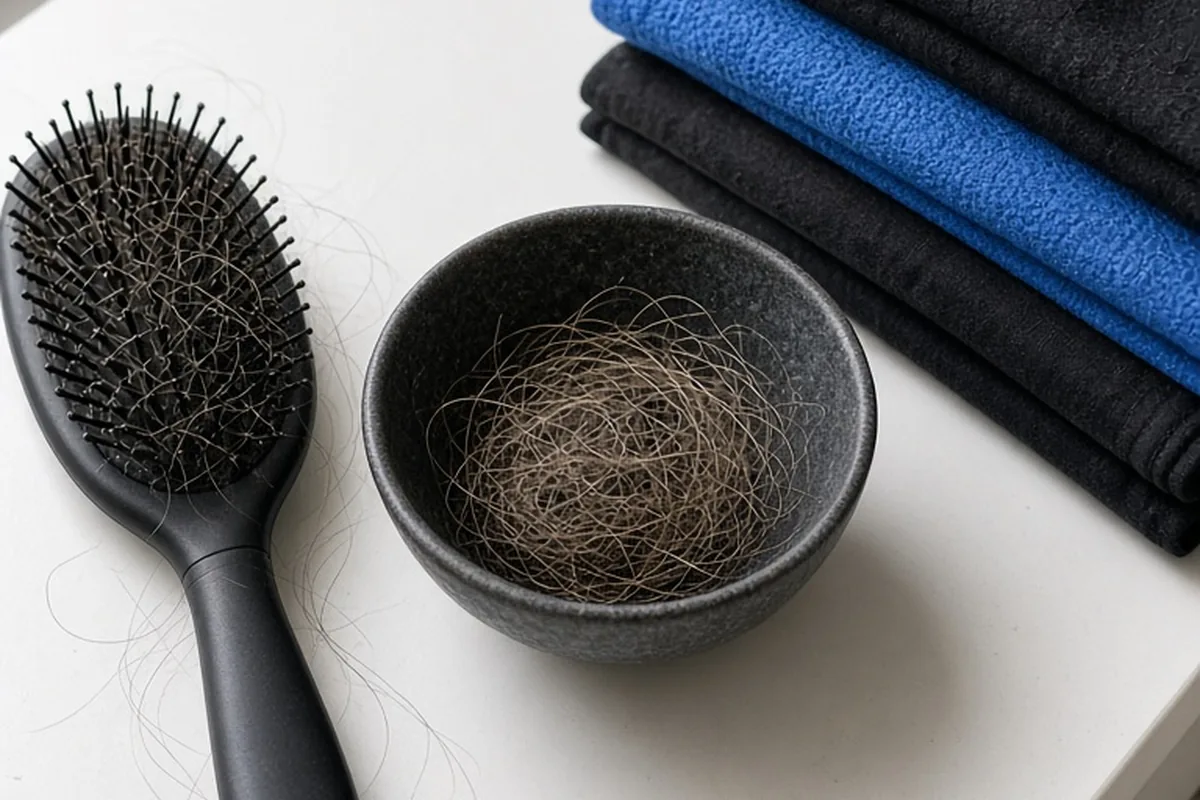
Hair loss in women with naturally fine hair often becomes noticeable faster because individual strands have a smaller diameter, leaving less baseline volume to disguise localized thinning or daily shedding. Addressing it requires identifying whether the cause is genetic pattern thinning, temporary shedding from physical stress, nutritional gaps, or styling tension. Effective management focuses on scalp-focused cleansing, gentle volumizing techniques, minimizing mechanical stress, and consulting a board-certified dermatologist for targeted medical evaluations.
Navigating unexpected shedding when your hair is naturally delicate can feel overwhelming, but distinguishing between normal strand texture and active density loss is the first step toward effective care.
Recognizing Density Changes in Naturally Delicate Strands
Fine hair naturally possesses a narrower strand diameter than medium or coarse hair types, which creates unique visual dynamics on the scalp. When an individual with naturally dense, coarse hair sheds strands, the overall appearance of volume often remains relatively unchanged for an extended period. In contrast, someone with fine hair has less structural bulk per strand, meaning even modest shifts in follicle density or shedding patterns can quickly expose more of the scalp, particularly along the central part, crown, and temples.
Understanding this visual difference helps prevent unnecessary panic while encouraging timely observation. It is entirely normal for everyone to shed hair on a daily basis as part of the natural follicle growth cycle. However, when fine hair experiences prolonged shedding or when newly emerging hairs appear significantly thinner and shorter than surrounding strands, this indicates a shift from routine shedding toward progressive miniaturization or acute shedding cycles. Tracking where the scalp appears more visible under bright light or when parting the hair in different directions provides reliable baseline information before you seek professional evaluation.
Evaluating Common Triggers for Female Fine Hair Thinning
Female hair thinning stems from several distinct physiological pathways, and pinpointing the root trigger is essential because treatments vary considerably depending on the mechanism. Female pattern hair loss, also known as androgenetic alopecia, is one of the most widespread underlying causes. This condition involves a genetic sensitivity within hair follicles to hormonal signals, causing individual follicles to produce progressively finer, shorter hairs over successive growth cycles until some follicles stop producing visible strands altogether.
Another frequent contributor is telogen effluvium, a temporary condition where a notable physical stressor, illness, sudden weight change, surgical procedure, or intense emotional event pushes a large number of active follicles prematurely into their resting phase. In addition, fluctuations in thyroid hormone levels, low systemic iron stores, postpartum hormonal shifts, and autoimmune conditions can disrupt follicle nourishment. Because fine hair already has limited natural volume, these systemic interruptions become visually apparent much sooner than they would on thicker hair textures.
Gentle Cleansing and Scalp Care for Fragile Strands
Caring for thinning, fine hair requires a balanced approach to scalp hygiene that removes sebum, environmental buildup, and dead skin cells without stripping the delicate hair fiber of moisture. Many women with fine hair mistakenly avoid regular shampooing out of fear that washing accelerates hair loss. In reality, hair shed during washing was already detached from the follicle base; avoiding washing merely allows loose strands to accumulate while sebum and residue build up around the follicle openings, potentially creating an inflamed environment that hinders healthy growth.
Select lightweight, clarifying or gentle balancing shampoos that cleanse the scalp thoroughly without depositing heavy conditioning polymers directly onto the roots. When applying rinse-out conditioner, concentrate the product strictly from mid-lengths to ends, keeping it away from the root zone to avoid weighing down fine strands. Incorporating a gentle scalp massage using the soft pads of your fingertips during washing can stimulate local circulation and loosen surface debris without applying abrasive mechanical pressure to fragile roots.
Styling Practices to Prevent Traction and Breakage
Fine hair is inherently more susceptible to mechanical breakage and tensile strain, meaning everyday styling choices play a substantial role in maintaining existing density. Tight hairstyles such as sleek ponytails, high buns, tight braids, or extensions place persistent tension on the follicle roots, leading over time to traction alopecia. For fine strands, this continuous pulling can cause irreversible follicle damage along the hairline and temples, compounding any genetic or hormonal thinning already taking place.
To minimize stress on the hair shaft, transition to loose, low-tension styles secured with soft silk or satin scrunchies rather than elastic bands with metal clasps. When detangling, always use a wide-tooth comb or a flexible-bristle brush designed for fragile hair, beginning carefully at the ends and working upward toward the scalp while hair is damp and coated with a light leave-in slip. Limiting the frequency and temperature of thermal styling tools like flat irons and curling wands further protects the fine cuticle layer from structural degradation and premature snapping.
Navigating Over-the-Counter Options and Medical Evaluations
When addressing progressive thinning, distinguishing between cosmetic volumizers and clinically established scalp treatments helps you invest time and resources wisely. Over-the-counter topical solutions, such as topical minoxidil, are widely recognized for their ability to prolong the active growth phase of follicles and stimulate localized regrowth in women with pattern thinning. However, topical therapies require consistent, ongoing application to sustain results, and initial shedding can occur during the first few weeks as follicles reset their cycles.
Because non-prescription options cannot correct underlying medical or nutritional deficiencies, scheduling an appointment with a board-certified dermatologist or trichologist is the most effective way to establish an accurate diagnosis. A specialist can perform a scalp examination, pull tests, dermoscopy, and recommend targeted blood tests to assess iron levels, thyroid function, and hormone profiles. Receiving a precise clinical assessment ensures you address the true underlying cause rather than masking symptoms with unproven supplements or topical products.
Strategic Cuts and Volumizing Techniques for Fine Hair
While clinical and lifestyle treatments work over time to support follicle health, strategic haircutting and styling techniques provide immediate improvements in perceived density. Long, single-length haircuts can pull fine hair downward, emphasizing scalp visibility and accentuating sparse areas. In contrast, blunt bobs, textured lobs, or soft, face-framing layers remove excess weight from the perimeter, allowing strands to bounce naturally and create the appearance of fuller body throughout the crown.
Complementing an intentional cut with targeted styling products enhances visual thickness without compromising strand integrity. Lightweight styling foams, root-lifting sprays, and dry texture powders provide grip and structural separation at the base of the hair without leaving greasy, flattening residues. Additionally, parting your hair slightly off-center or shifting your natural part line regularly prevents the hair from lying flat in a fixed direction, instantly creating natural lift and camouflaging areas where the scalp might otherwise show.
Illustrative Scenarios
Addressing Post-Stress Shedding in Fine Strands
Elena, an office manager with naturally fine, straight hair, noticed an alarming increase in daily strand loss in the shower several months after recovering from a high-stress viral illness. Assuming her hair was permanently thinning, she stopped washing her hair regularly and began using heavy oil treatments, which left her fine strands limp and made her scalp visibly congested. After consulting a dermatologist, Elena learned she was experiencing temporary telogen effluvium triggered by her earlier illness. She returned to frequent gentle shampooing, discontinued heavy oils, and focused on balanced nutrition, noticing gradual stabilization and healthy regrowth as her natural growth cycle resumed.
Key point: Sudden shedding after illness or stress is often temporary; maintaining scalp cleanliness and seeking professional confirmation prevents counterproductive product choices.
Managing Widening Part Lines with Targeted Care
Marcus noticed that his sister Sarah, who always had fine hair, was growing increasingly distressed by a gradually widening center part and thinning around her temples. Sarah had spent months purchasing expensive hair-thickening shampoos and wearing tight headbands to hide the sparse areas, which inadvertently added traction stress to her fragile hairline. After a thorough dermoscopy with a dermatologist confirmed early female pattern hair loss, Sarah switched to loose hairstyles, began an evidence-based topical regimen recommended by her physician, and had her stylist cut a soft, textured lob that instantly maximized her remaining volume while the treatment took effect.
Key point: Pairing medical guidance for pattern thinning with low-tension styling and a well-structured haircut yields better long-term and immediate cosmetic outcomes than relying solely on cosmetic shampoos.
Frequently asked questions
Does having fine hair mean I am naturally more prone to going bald?
No, having fine hair simply refers to the narrow diameter of individual strands, not the total number of follicles or your genetic susceptibility to hair loss. However, because fine strands provide less natural visual coverage, any pattern thinning or shedding that occurs is noticeable much earlier than it is on coarser hair textures.
Can scalp oils and heavy hair masks help stop fine hair from thinning?
Heavy plant oils and rich butter-based masks do not treat the underlying physiological causes of follicle thinning and can often weigh fine hair down, making it appear flatter and sparser. In some cases, applying heavy oils directly to the scalp can trap sebum and dead skin cells around follicle openings, potentially leading to irritation or folliculitis.
How long does it usually take to see improvements from hair loss treatments?
Because human hair grows gradually, most medical and topical treatments require several months of consistent use before noticeable improvements in density or reduced shedding become visible. Consistency is essential, and stopping treatment prematurely often reverses any progress made.
Should I avoid brushing my fine hair if I am experiencing active shedding?
You should not stop brushing entirely, as gentle detangling removes already detached hairs and distributes natural scalp oils. Instead, use a flexible, wide-spaced bristle brush or wide-tooth comb, start gently at the ends of the hair, and avoid aggressive pulling when working through knots.
Your next step
Schedule a comprehensive evaluation with a board-certified dermatologist to identify your specific cause of thinning before investing in specialized treatments or supplements.