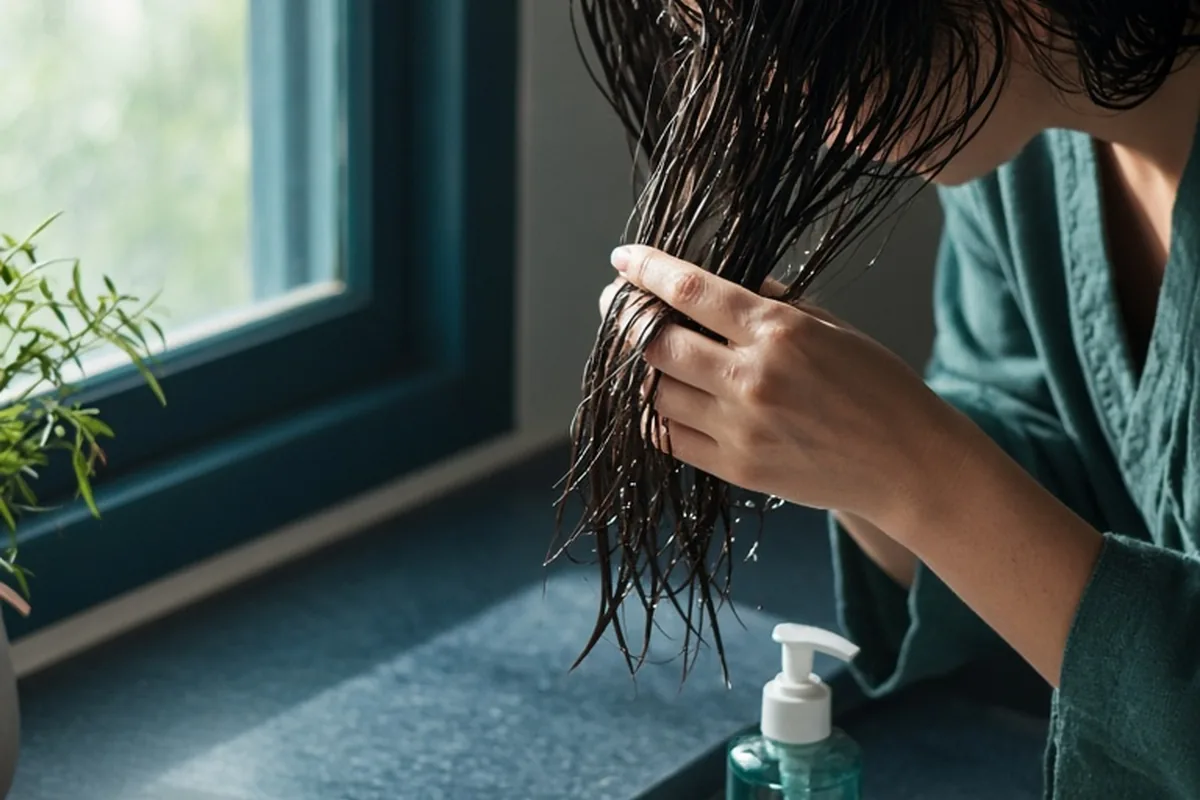
Managing hair loss in women starts with identifying whether shedding is diffuse, patchy, or concentrated along the part line. Practical steps for supporting healthy hair include minimizing high-tension hairstyles, reducing direct heat exposure, washing with gentle scalp-cleansing formulas, and maintaining consistent nutritional intake. Because hair thinning often stems from underlying hormonal shifts, nutritional deficiencies, or stress, scheduling an evaluation with a board-certified dermatologist helps identify root causes before starting targeted treatments.
Noticing sudden thinning, wider parts, or increased shedding in the shower can be deeply unsettling, yet female hair loss is remarkably common and stems from a broad variety of distinct biological and mechanical triggers.
Tracking Shedding Patterns to Understand Women's Hair Thinning
Before changing your routine or investing in specialized products, take time to observe how and where your hair is shedding. Hair loss in women generally falls into a few observable patterns: generalized thinning across the entire scalp, widening along the central part line, or localized patchy spots. Generalized diffuse shedding often occurs a few months after a significant physical stressor, illness, or rapid weight change, whereas progressive thinning near the crown or hairline typically suggests genetic or hormonal influences. Taking clear, well-lit photos of your crown and part once a month provides objective documentation rather than relying on daily anxieties.
It is equally important to distinguish true hair loss from root shedding versus mechanical breakage along the hair shaft. Inspect the shed strands you find on your brush or pillow: hair that falls naturally from the follicle usually features a tiny white bulb at the tip, whereas broken strands are shorter, lack a bulb, and display frayed ends. Determining whether your primary issue is follicle dormancy, increased shedding, or structural breakage prevents you from wasting time on remedies that do not match your underlying challenge.
Revising Cleansing and Scalp Hygiene to Support Follicle Health
A healthy scalp environment is the literal foundation for sustained hair growth, yet many women experiencing thinning mistakenly reduce washing out of fear that shampooing accelerates hair loss. In reality, shampooing merely dislodges hairs that have already detached from the follicle days or weeks earlier. Infrequent washing can cause sebum, dead skin cells, and styling residues to accumulate around follicle openings, potentially causing irritation or micro-inflammation that impairs optimal strand production.
Choose mild, sulfate-free shampoos that cleanse without stripping essential moisture, focusing your lathering motion on the scalp rather than vigorously scrubbing the fragile mid-lengths and ends. Use lukewarm water rather than hot water, which can dehydrate delicate skin. Follow every wash with a lightweight, hydrating conditioner applied strictly from the mid-lengths down to the ends to detangle and protect against friction without weighing down the root area.
Reducing Tension and Heat Damage on Fragile Hair Strands
Mechanical stress is one of the most preventable contributors to accelerated thinning and hairline recession in women. Hairstyles that pull tightly on the scalp—such as sleek ponytails, tight buns, heavy extensions, and firm braids—place continuous physical tension on delicate root structures over time. Transitioning toward looser styles, using soft silk or satin scrunchies instead of elastic bands, and altering the position of your hair ties significantly reduces unnecessary stress on vulnerable follicles.
Thermal styling requires similar caution when strands are already compromised. High heat from blow dryers, flat irons, and curling wands alters the internal protein structure of the hair shaft, leaving it brittle and prone to snapping mid-strand. Allow your hair to air-dry partially before applying low-to-medium heat, always apply a lightweight heat protectant spray prior to styling, and avoid running heated tools repeatedly over the exact same section.
Building a Balanced Nutritional Routine Without Blind Supplementation
Hair follicles are among the most metabolically active structures in the body, meaning they are sensitive to dietary shortfalls. Ensuring adequate daily protein intake is vital, as hair fibers are composed primarily of keratin protein. Incorporating diverse whole foods—such as lean poultry, eggs, legumes, tofu, leafy greens, nuts, and seeds—provides the essential building blocks, dietary iron, zinc, and essential fatty acids needed to fuel normal follicle cycling.
However, avoid the temptation to purchase high-dose over-the-counter hair gummies or mega-dose vitamins without confirmed laboratory testing. Indiscriminately consuming excess levels of certain fat-soluble vitamins or minerals can paradoxically exacerbate shedding or trigger unwanted side effects. Rather than guessing, ask a healthcare provider to check your ferritin, vitamin D, and basic nutritional markers so you only supplement what your body actually lacks.
Seeking Clinical Diagnosis for Persistent or Sudden Hair Loss
While supportive daily care preserves existing hair quality, medical investigation is necessary when shedding is severe, sudden, accompanied by scalp burning or scaling, or progressively worsening over several months. A board-certified dermatologist specializing in hair disorders can perform a physical examination, dermoscopic evaluation of the scalp, and targeted blood panels to evaluate thyroid function, hormone balances, auto-antibodies, and inflammatory indicators.
Receiving an accurate clinical diagnosis is essential because treatments vary drastically depending on the underlying pathology. For example, hereditary female pattern hair loss often responds to topical or oral vasodilators and anti-androgenic therapies, whereas acute telogen effluvium resolves primarily through addressing the initial physiological trigger, and autoimmune conditions like alopecia areata require anti-inflammatory or immunomodulatory care. Self-treating without a clear diagnosis often delays meaningful recovery.
Adopting Safe Styling Techniques for Instant Volume and Protection
Managing hair loss can be an emotional journey, and finding ways to feel confident day-to-day while waiting for long-term treatments to yield results is an important part of the process. Gentle styling techniques can instantly create the appearance of fuller hair without causing physical harm. Opt for lightweight volumizing mousses applied at the roots, switch your part to the opposite side to naturally lift strands, and use wide-tooth combs or flexible-bristle wet brushes starting from the bottom up to detangle safely.
Cosmetic concealing powders or tinted dry shampoos matching your root shade can also camouflage visible scalp areas along wide parts cleanly and effectively. Ensure that any cosmetic styling products you use wash out thoroughly between applications to keep follicles clear of residue. Treating your hair with patient, gentle habits minimizes unnecessary loss while your broader care plan takes effect.
Illustrative Scenarios
Addressing Post-Diet Shedding and Tight Styling Habits
Elena noticed diffuse hair shedding in her shower three months after completing a restrictive low-calorie diet. Distressed by the thinning, she began pulling her hair back into a tight topknot daily to hide her scalp and started taking multiple high-dose beauty supplements without testing. When the shedding persisted, she consulted a dermatologist who identified temporary telogen effluvium compounded by traction stress from her tight hairstyles. Following medical guidance, Elena restored balanced caloric and protein intake, swapped tight buns for loose clips, and stopped unneeded supplements. Within five months, her shedding normalized and new growth emerged.
Key point: Nutritional restrictions and high-tension hairstyles can compound shedding; addressing root habits and seeking professional diagnosis yields far better results than blind supplementation.
Navigating Gradual Widening of the Center Part
Marcus noticed that over an eighteen-month period, his sister Maya experienced gradual thinning concentrated specifically at the central crown, while her ponytail density remained relatively stable. Maya initially assumed it was product buildup and switched through several aggressive clarifying shampoos, which only left her scalp dry and irritated. After scheduling a clinical scalp exam, Maya's dermatologist diagnosed early female pattern hair loss and prescribed a targeted medical care plan alongside a gentle, hydrating scalp routine. Over the subsequent year, Maya successfully stabilized her shedding and restored visible density.
Key point: Patterned thinning along the part line requires specific clinical evaluation rather than aggressive cosmetic washes that disrupt the scalp barrier.
Frequently asked questions
How much daily hair shedding is considered normal for women?
Losing between 50 and 100 hairs per day is generally considered a normal part of the natural hair growth cycle. If you observe persistent clumps falling out, noticeable widening of your part, or distinct bald patches, arrange an evaluation with a healthcare professional.
Can wearing tight ponytails cause permanent hair loss?
Prolonged, repetitive tension from tight hairstyles can lead to traction alopecia. If caught early and tension is relieved, follicles can recover; however, sustained pulling over years can cause irreversible scarring around the follicles.
Does washing hair every day make hair loss worse?
No, regular washing with a gentle shampoo does not cause hair loss. Shampooing simply releases strands that have already detached from the follicle during the telogen phase and keeps the scalp clear of follicle-clogging sebum and debris.
Which medical specialist should women see for hair thinning?
A board-certified dermatologist is the primary specialist trained to diagnose and treat disorders of the hair and scalp. They can perform specialized exams, run blood work, and recommend targeted prescription therapies based on your specific condition.
Your next step
Take clear photos of your scalp in natural light today to document your baseline, then schedule an appointment with a board-certified dermatologist for a comprehensive evaluation.