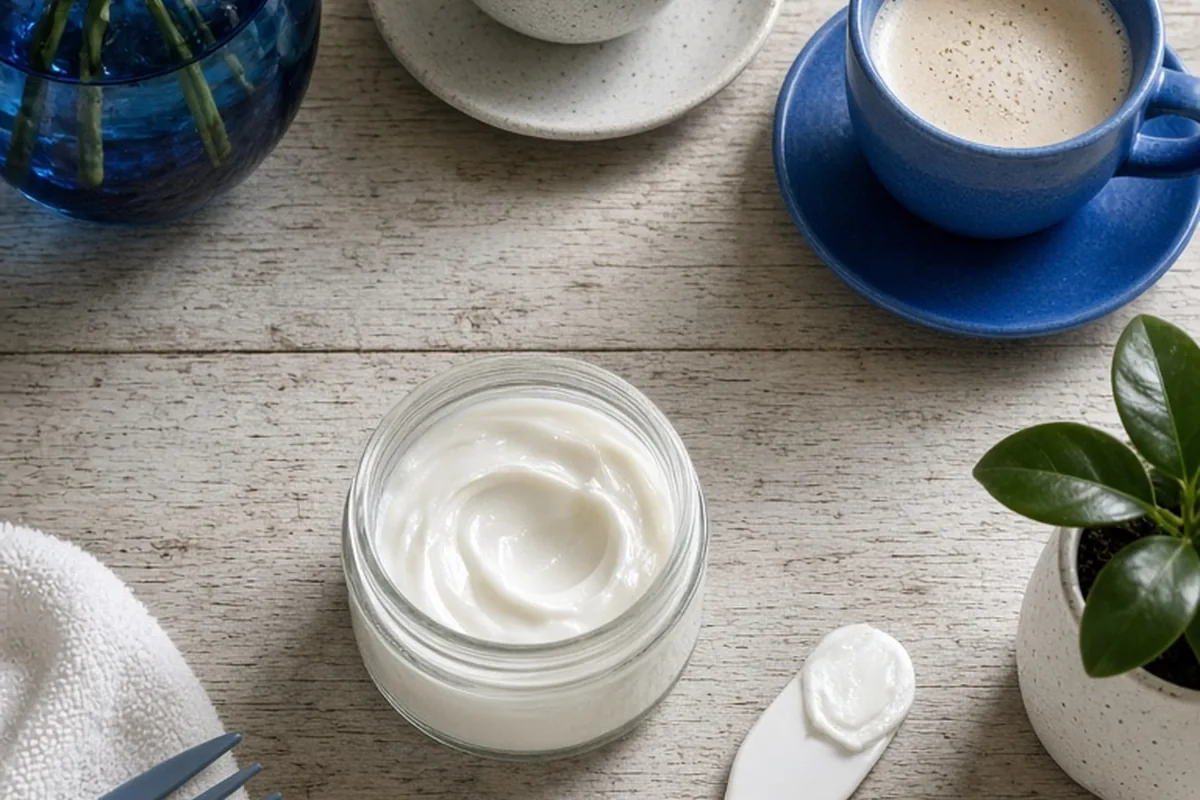
The overall cost and upkeep of a hair mask for dry hair depend on product tier, formula concentration, hair length, and application frequency. At-home treatments range from accessible drugstore jars to professional salon-grade concentrates, typically applied once weekly or every few washes. Salon deep-conditioning services involve higher recurring costs. Ongoing upkeep requires balancing emollients and humectants, sectioning hair properly to minimize product waste, and adjusting treatment frequency according to environmental weather changes and heat styling habits.
Dry hair lacks adequate lipid protection and moisture retention along the cuticle layer, making intensive conditioning treatments a foundational step rather than an occasional luxury. Determining realistic long-term expenses requires looking beyond the initial retail shelf price to examine per-use consumption, active ingredient potency, and consistent maintenance routines that prevent recurring dehydration.
What Drives the Retail and Formulation Cost of a Hair Mask for Dry Hair
The retail price of a deep-conditioning hair mask is largely determined by ingredient concentration, raw material sourcing, and formulation complexity. Budget-friendly commercial formulas often rely on water, standard fatty alcohols, and cosmetic-grade mineral oils or silicones to coat the hair shaft. While these ingredients provide immediate surface slip and temporary detangling, they deliver less long-term nutrient replenishment. Higher-tier professional masks typically feature concentrated concentrations of cold-pressed botanical oils like argan, jojoba, and marula, alongside purified plant butters such as shea and murumuru. These lipid-dense formulas penetrate beneath the outer cuticle layer to nourish the hair fiber from within.
Formulation technology also accounts for noticeable price variances between standard retail jars and luxury treatments. Advanced formulas incorporate micronized humectants like low-molecular-weight hyaluronic acid, panthenol, and hydrolyzed amino acid chains designed to bond with porous fiber gaps. Manufacturing stability, fragrance quality, and the presence of bio-fermented conditioning agents further increase production overhead. A high-potency professional mask often requires significantly less volume per application than a diluted drugstore tub, making price per ounce an incomplete metric without evaluating formula thickness and active density.
Comparing At-Home Deep Treatments with Salon Service Expenses
Deciding between self-administered home masks and professional salon treatments involves weighing direct product expenses against professional labor and equipment. In a salon setting, deep-conditioning services are generally billed as stand-alone appointments or as add-on upgrades to a standard haircut or blowout. Salon treatments frequently incorporate specialized tools such as micro-mist steamers, heat caps, or infrared processing lamps that expand the hair cuticle to maximize product absorption. Because salon staff apply tailored multi-step protocols addressing structural repair and moisture infusion simultaneously, the per-visit cost is substantially higher than opening a jar at home.
At-home masks offer maximum economic flexibility and control over ongoing upkeep. While an in-salon treatment provides an intensive moisture boost that resets severely parched hair, the results inevitably wash out over three to four weeks without at-home maintenance. Investing primarily in a high-performance at-home mask allows for consistent weekly replenishment at a fraction of the cost per session. Many individuals with chronically dry or chemically processed strands use professional salon treatments quarterly as an intensive baseline reset, using weekly at-home masks to maintain hair flexibility and luster between appointments.
Calculating Per-Use Costs and Tub Lifespan Across Different Hair Lengths
A primary factor in budgeting for hair mask upkeep is understanding how individual hair characteristics dictate jar consumption rates. A standard commercial container holds approximately 6.8 to 8.5 fluid ounces (200 to 250 milliliters). For fine, shoulder-length hair requiring only a quarter-sized dollop (around 0.5 fluid ounces) once per week, a single jar can easily last four to five months. Conversely, dense, coarse, or bra-strap-length hair may absorb up to 1.5 fluid ounces per session, reducing the working lifespan of the same container to six or eight weeks.
Porosity also dictates product absorption rates. High-porosity hair, characterized by raised and damaged cuticles from coloring or heat styling, drinks up conditioning creams rapidly. Low-porosity strands have tight cuticles that resist moisture entry, meaning excess product simply sits on the surface without penetrating. Misjudging your hair density and porosity often leads to over-application, where excess cream washes down the drain rather than benefiting the hair shaft. Understanding your exact density profile ensures you purchase container sizes that match your actual depletion rate.
Designing an Efficient Weekly Application and Upkeep Schedule
A structured application routine ensures that dry strands receive continuous hydration without wasting time or product. For most individuals dealing with standard environmental or styling dryness, applying an intensive mask once per week or every third wash is ideal. The process should begin with a thorough, gentle shampoo to remove environmental debris, sebum, and styling residue. Applying a rich mask over unwashed or heavily coated hair creates a barrier that prevents emollients from reaching the cortex, rendering the treatment largely ineffective.
Before smoothing the mask onto your hair, gently squeeze out excess water with your hands or blot strands with a microfiber towel. Saturated, dripping-wet hair cannot hold thick conditioning creams; water dilutes the active ingredients and causes the product to slide off. Section the hair into two to four manageable parts, apply the mask starting two inches below the scalp down to the ends, and use a wide-tooth comb to distribute it evenly. Allowing the mask to sit for five to fifteen minutes under a warm shower cap traps ambient scalp heat, softening the cuticle and enhancing penetration without requiring expensive tools.
Navigating Moisture and Protein Balance to Avoid Wasted Product
Chronically dry hair is often misdiagnosed, leading consumers to buy expensive formulas that fail to address the root issue. True dryness requires lipid replenishment through emollients such as plant oils, fatty alcohols, and humectants that draw water into the fiber. However, hair that has undergone chemical bleaching, perm services, or severe thermal damage also loses structural keratin. If structural weakness is mistaken for standard dryness, applying purely hydrating masks can leave hair feeling overly soft, limp, and prone to stretching without snapping back into shape.
Conversely, using protein-heavy restorative masks on hair that merely lacks moisture can lead to protein overload. When excess protein bonds to the hair shaft without adequate softening lipids, the fiber becomes rigid, stiff, and brittle, resulting in increased breakage. To protect your budget, examine product labels carefully: look for formulas rich in cetyl alcohol, shea butter, argan oil, and glycerin for moisture-focused replenishment, while reserving hydrolyzed wheat protein, keratin, and collagen treatments for structural damage. Alternating between a moisture mask and a gentle protein reconstructor once a month maintains ideal strand balance.
Adjusting Maintenance Upkeep for Heat Styling and Seasonal Shifts
Upkeep requirements fluctuate significantly throughout the year based on climate shifts and daily styling habits. During cold winter months, low indoor humidity and frigid outdoor winds strip natural sebum from the hair lengths, while friction from coats, scarves, and hats increases mechanical damage. During this season, upgrading to a richer, butter-based mask and increasing application frequency to twice weekly helps prevent split ends and static brittleness.
Summer brings distinct environmental stressors including ultraviolet radiation, saltwater, and pool chlorine, all of which break down the protective lipid envelope of the cuticle. In hot, humid conditions, a lighter mask with antioxidant protection and chelating properties prevents mineral buildup and environmental dullness. Regular users of blow dryers, curling wands, and flat irons must maintain a consistent masking schedule year-round, as direct thermal contact continuously evaporates internal moisture reserves and degrades surface cuticles.
Techniques to Maximize Mask Yield and Prevent Premature Repurchasing
Extending the lifespan of your hair mask comes down to intentional application habits that minimize product loss. One of the most common mistakes is scooping large amounts of product directly from a tub with wet hands under running water. This introduces shower water into the container, diluting the remaining formula and altering its preservative balance. Instead, use clean, dry hands or a cosmetic spatula to portion out the necessary amount before stepping under the water stream.
Emulsifying thick creams between your palms with a tiny splash of warm water prior to application allows for smoother, more even distribution across strands. Concentrate 80 percent of the product on the mid-lengths and fragile ends, which represent the oldest and driest portions of the hair fiber. The root area receives natural lubrication from scalp sebum and rarely needs deep-conditioning formulas, which could otherwise weigh down the roots and lead to premature scalp congestion.
Frequently asked questions
How often should dry hair be treated with a hair mask?
Most dry hair benefits from a hair mask applied once a week or every three to four washes. If hair is severely damaged from chemical processing or excessive heat styling, increasing frequency to twice a week for the first month can restore manageable softness before returning to a weekly maintenance routine.
Can a hair mask completely replace a regular rinse-out conditioner?
While a hair mask can be used in place of conditioner on treatment days, using it every single wash is generally unnecessary and can lead to heavy buildup on fine to medium hair textures. Regular conditioners are designed for light surface detangling and cuticle smoothing, whereas masks are formulated for deep cortex penetration.
How can you tell if a hair mask is too heavy for your hair texture?
If your hair feels greasy, flat, coated, or stringy shortly after drying, the formula is likely too dense for your strand diameter. Fine hair types should seek out lightweight, humectant-rich masks containing aloe vera or jojoba oil rather than thick, solid butter bases like pure shea or cocoa butter.
Does leaving a hair mask on overnight provide better hydration?
Leaving a standard hair mask on overnight is rarely beneficial and can weaken fragile strands through hygral fatigue, which occurs when hair remains saturated with moisture for extended periods. Most modern conditioning masks deliver their maximum active benefit within ten to twenty minutes.
Your next step
Assess your hair porosity and strand thickness today to choose an appropriately weighted formula, then schedule a weekly ten-minute masking session on damp, towel-dried hair to maintain optimal moisture levels.