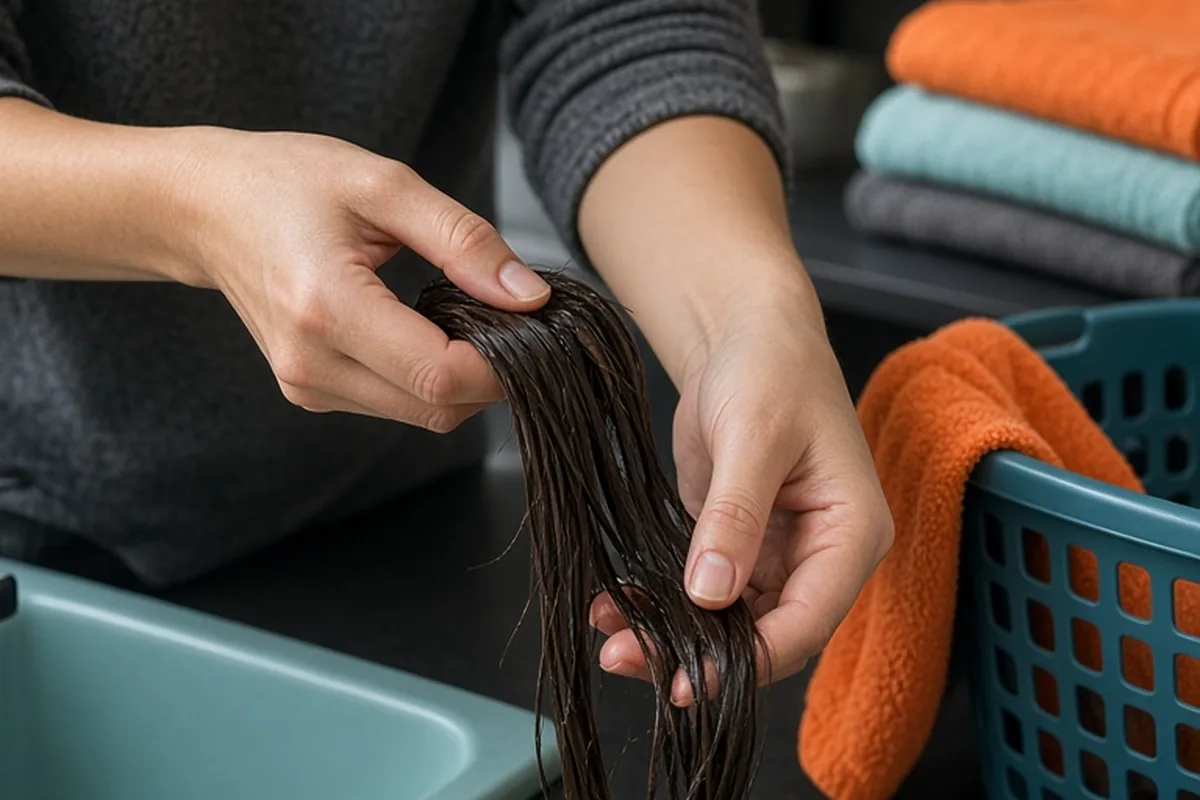
Hair product buildup removal costs depend on whether you treat it at home with clarifying and chelating shampoos or book an in-salon scalp detox treatment. Salon pricing generally varies by whether the service is booked as an add-on or a standalone blowout appointment, alongside hair length and regional salon rates. Long-term upkeep involves balancing clarifying washes with deep conditioners every few weeks to prevent recurring residue without stripping natural moisture or fading hair color.
Layering leave-in conditioners, silicone serums, dry shampoos, and styling waxes can gradually coat your hair shafts and scalp in a stubborn, water-resistant film. Over time, this barrier blocks moisture, dulls shine, and leaves strands feeling greasy yet dry, making targeted buildup removal essential for restoring hair health.
Differentiating Product Accumulation from Scalp Conditions and Mineral Deposits
Before investing time or money into clarifying treatments, you must pinpoint whether the problem stems from topical styling aids, an underlying medical scalp issue, or environmental factors like hard water. Styling product buildup occurs when ingredients such as heavy silicones, waxes, polyquaterniums, and dry shampoo starches fail to rinse away thoroughly during regular cleansing. Over multiple wash cycles, these compounds create an occlusive layer over the hair cuticle and scalp. You will typically notice that your hair feels heavy, looks lifeless, and resists absorbing water in the shower. If you scrape your fingernail gently along the scalp or an individual hair strand and collect a whitish, greasy paste without significant redness or itching, topical product accumulation is the probable cause.
Conversely, conditions such as seborrheic dermatitis, scalp psoriasis, or severe dry scalp involve biological processes rather than cosmetic residues. Seborrheic dermatitis often presents as oily, yellowish flakes accompanied by persistent itching and skin inflammation, which topical clarifying shampoos cannot resolve and may actively irritate. Similarly, hard water mineral buildup results from dissolved calcium, magnesium, iron, and copper bonding chemically to the hair protein. While mineral deposits make hair feel rough, brittle, and discolored, they require different chemical chelating agents than the surfactant-heavy formulas used to dissolve styling oils and synthetic waxes. Identifying the real culprit ensures you do not waste money on clarifying agents that fail to address the root issue.
Professional In-Salon Hair Detox and Chelating Service Costs
Visiting a professional salon for a deep-cleansing scalp and hair detox offers a controlled, thorough reset, particularly if you have dense hair or suspect a mix of product buildup and mineral accumulation. Salons rarely price these treatments under a single universal rate because service structures vary dramatically across markets and business models. Most salons offer buildup removal either as an express add-on service at the shampoo basin or as a comprehensive standalone scalp treatment. When booked as an add-on alongside a haircut or regular blowout, the service generally covers only the specialized clarifying or chelating formulation and a brief scalp massage, keeping the incremental charge modest.
When booked as an independent visit, buildup removal typically incurs a standalone service rate because the salon must allocate a full appointment slot that includes a professional blow-dry, diagnostic consultation, and styling. Several factors drive these service prices higher. Salons located in major metropolitan areas with high commercial rents naturally charge higher base service rates than independent suburban salons. Furthermore, hair length, thickness, and porosity directly dictate the volume of specialized product required and the labor time needed to saturate, process, and thoroughly rinse the hair. If a stylist must use multiple bowls of detoxifying solution or apply heat under a hood dryer to open tightly bound cuticles, additional product and time fees are routinely added to the final service bill.
Because salon treatment menus use diverse naming conventions, clarifying services might appear as clarifying baths, scalp detoxes, chelating treatments, or mineral reset protocols. To get an accurate quote, call the salon directly and ask whether their clarifying service is billed as an independent appointment or an add-on, whether the price includes a post-treatment blow-dry and deep conditioning mask, and whether long or exceptionally thick hair triggers a product surcharge.
At-Home Buildup Removal Product Expenses and Regimens
Managing product buildup at home is significantly more economical over the course of a year than relying exclusively on salon visits. The primary tool in any at-home clarifying regimen is a dedicated clarifying shampoo, which utilizes stronger anionic surfactants than standard moisturizing shampoos to break down synthetic polymers and heavy oils. Clarifying shampoos span a wide spectrum of retail pricing tiers, ranging from accessible drugstore formulations containing sulfates to premium salon-exclusive formulas featuring sophisticated surfactant alternatives like sodium C14-16 olefin sulfonate paired with gentle chelating agents like tetrasodium EDTA.
A standard bottle of clarifying shampoo typically provides exceptional financial longevity because it is formulated for intermittent rather than daily use. Most individuals only need to clarify once every one to four weeks. As a result, a single retail bottle can easily last between six months and a full year, translating to a nominal cost per wash. However, a complete at-home clarifying system requires more than just a strong cleanser. Because clarifying agents aggressively strip natural sebum along with product residue, following up with a standard rinse-out conditioner is often insufficient. To avoid brittle ends, you will need to budget for an intensive deep conditioning treatment or protein-moisture hair mask to replenish lost lipids immediately following the clarifying step.
Secondary at-home treatments include scalp exfoliating scrubs and clarifying rinses. Physical scalp scrubs use granules like sugar, salt, or jojoba beads to loosen dead skin and dried styling pastes at the root, while chemical scalp treatments leverage alpha- or beta-hydroxy acids like glycolic or salicylic acid to dissolve sebum and sticky hairspray bonds. Apple cider vinegar rinses represent an inexpensive domestic alternative that helps lower the hair's pH and smooth the cuticle, but acidic rinses alone lack the surfactant power necessary to emulsify heavy silicones or petroleum-based pomades. Balancing these at-home options allows you to maintain clean hair while keeping recurring cosmetic expenses predictable.
Evaluating Hair Texture, Porosity, and Chemical Processing Trade-Offs
A clarifying routine that works well for one person can cause severe dryness, breakage, or color loss for another. Hair porosity—the cuticle layer's ability to absorb and retain moisture—is the most critical variable when determining how to remove buildup safely. Low-porosity hair has tightly overlapping cuticle scales that resist moisture penetration, causing styling creams and butters to accumulate rapidly on the exterior of the hair strand. While low-porosity hair often requires frequent clarifying to keep strands receptive to hydration, the tightly closed cuticle provides some resilience against moisture loss during the wash.
High-porosity hair, especially hair that has been bleached, relaxed, or repeatedly heat-styled, requires a far more cautious approach. Because the cuticle is already raised, damaged, or partially missing, harsh clarifying cleansers can strip the fragile inner cortex of moisture, leading to severe tangling and immediate breakage. If you have chemically lightened or colored hair, traditional clarifying shampoos present an additional financial risk: high-surfactant cleansers rapidly wash out expensive color toners, semi-permanent fashion shades, and even permanent dyes. In these cases, using a sulfate-free, color-safe clarifying shampoo or a targeted chelating treatment designed specifically for colored hair protects your initial investment in salon color.
Curly, coily, and kinky hair textures (Types 3 and 4) face unique challenges with product buildup. Because sebum travels slowly down spiraled hair strands, textured hair relies heavily on rich leave-in conditioners, curl creams, oils, and edge controls to maintain definition and prevent dryness. When this heavy regimen accumulates, curls lose their natural elasticity and bounce, appearing limp and greasy. However, over-cleansing textured hair can trigger extreme dryness and hygral fatigue. Individuals with textured hair must pair clarifying sessions with rigorous post-wash deep conditioning or steam treatments to ensure the removal of residue does not compromise structural curl integrity.
Establishing a Sustainable Clarifying and Scalp Maintenance Schedule
Sustaining clean hair over months and years without over-spending on corrective salon treatments requires a structured, proactive washing routine. Rather than waiting until your scalp feels persistently coated or your styling products completely stop working, you should integrate clarifying into your calendar based on your specific styling habits. If your daily routine relies heavily on aerosol dry shampoos, silicone heat protectants, hairsprays, or heavy styling waxes, scheduling a clarifying wash once every seven to ten days prevents product layers from hardening onto the scalp and hair cuticle.
Conversely, if you wash your hair daily with gentle cleansers and use minimal styling products, clarifying once every four to six weeks is generally sufficient to reset the hair. Relying too heavily on clarifying shampoos creates a damaging rebound cycle. When you strip the scalp of all protective natural oils too frequently, the sebaceous glands can respond by overproducing oil, leading you to believe you need even more clarifying washes. Breaking this cycle involves using a mild, balanced shampoo for your regular wash days and reserving potent clarifying formulas exclusively for scheduled maintenance days.
Another vital aspect of long-term upkeep is managing water quality. If you live in an area with hard municipal water or use private well water, styling products readily bind with dissolved minerals to create an exceptionally stubborn residue that standard clarifying shampoos cannot dissolve. In such environments, installing an at-home shower head filter can reduce chlorine and sediment, though true mineral softening usually requires a whole-house system. For shower-level protection, rotating an EDTA-based chelating wash into your routine once a month prevents mineral-product hybrids from forming, extending the intervals between costly professional salon detox treatments.
Questions to Ask Your Stylist Before Booking Buildup Removal
To avoid unexpected charges and ensure you receive the appropriate treatment, communicate clearly with your salon before sitting in the chair. Treatment menus often use vague marketing language that can obscure what is actually included in the price. Asking direct questions during the booking process or consultation protects both your hair and your budget from unnecessary surprises.
First, ask the stylist whether your symptoms suggest cosmetic product buildup, hard water mineral deposits, or an environmental residue. A seasoned professional will inspect your scalp and strands to determine whether a gentle surfactant clarifying shampoo, a heated chelating treatment, or an exfoliating scalp peel is the most effective approach. Second, explicitly inquire whether the quoted price covers the post-treatment finish. In many salons, an intensive clarifying or detox treatment is priced strictly as an à la carte wash-basin service, meaning a standard blowout, heat styling, or even a rough blow-dry will incur an additional fee on your final ticket.
Finally, verify how the recommended treatment will interact with any existing chemical processing, such as a recent keratin treatment, permanent color, or extensions. Harsh clarifying formulas can dissolve keratin smoothing bonds, loosen the adhesive on tape-in hair extensions, or strip fresh toners from lightened hair. Confirming that the salon's chosen detox product is chemically compatible with your hair ensures that removing old buildup does not unintentionally ruin other expensive hair services.
Frequently asked questions
Can regular dish soap be used to remove stubborn product buildup safely?
Using dish soap on human hair is not recommended by professional stylists because its high pH and aggressive degreasing agents strip essential natural lipids from the scalp and cuticles. While it dissolves grease, it leaves hair cuticles raised, rough, and vulnerable to severe breakage and moisture depletion. A purpose-formulated clarifying shampoo cleanses effectively while keeping the hair within a safe, slightly acidic to neutral pH range.
How often should clarifying shampoo be used to maintain clear hair?
Most people benefit from using a clarifying shampoo once every two to four weeks. If you swim regularly in chlorinated pools, rely heavily on dry shampoos, or use thick styling waxes daily, you may need to clarify once a week. If your hair is color-treated, chemically relaxed, or naturally dry, limit clarifying to once a month followed immediately by an intensive deep conditioner.
Does hair product buildup cause permanent hair loss?
Product buildup itself does not directly kill hair follicles or cause permanent genetic hair loss, but chronic accumulation can cause secondary issues that increase shedding. Heavy residues can clog follicles, trap bacteria, and cause localized scalp inflammation or folliculitis, which weakens hair anchoring at the root. Removing buildup restores a healthy scalp environment and allows normal growth cycles to continue unimpeded.
What is the difference between a clarifying shampoo and a chelating shampoo?
Clarifying shampoos are formulated with strong surfactants designed to dissolve surface-level cosmetic residues like silicones, oils, hairsprays, and waxes. Chelating shampoos contain specific binding agents, such as EDTA or ascorbic acid, designed to attach to and pull out deeply embedded mineral deposits like calcium, iron, magnesium, and chlorine caused by hard water or swimming pools.
Your next step
Inspect your scalp and hair strand texture under bright light today, noting whether residue scrapes off as waxy paste, and schedule either a gentle at-home clarifying wash followed by a deep conditioning mask or call your salon for an itemized detox treatment quote.