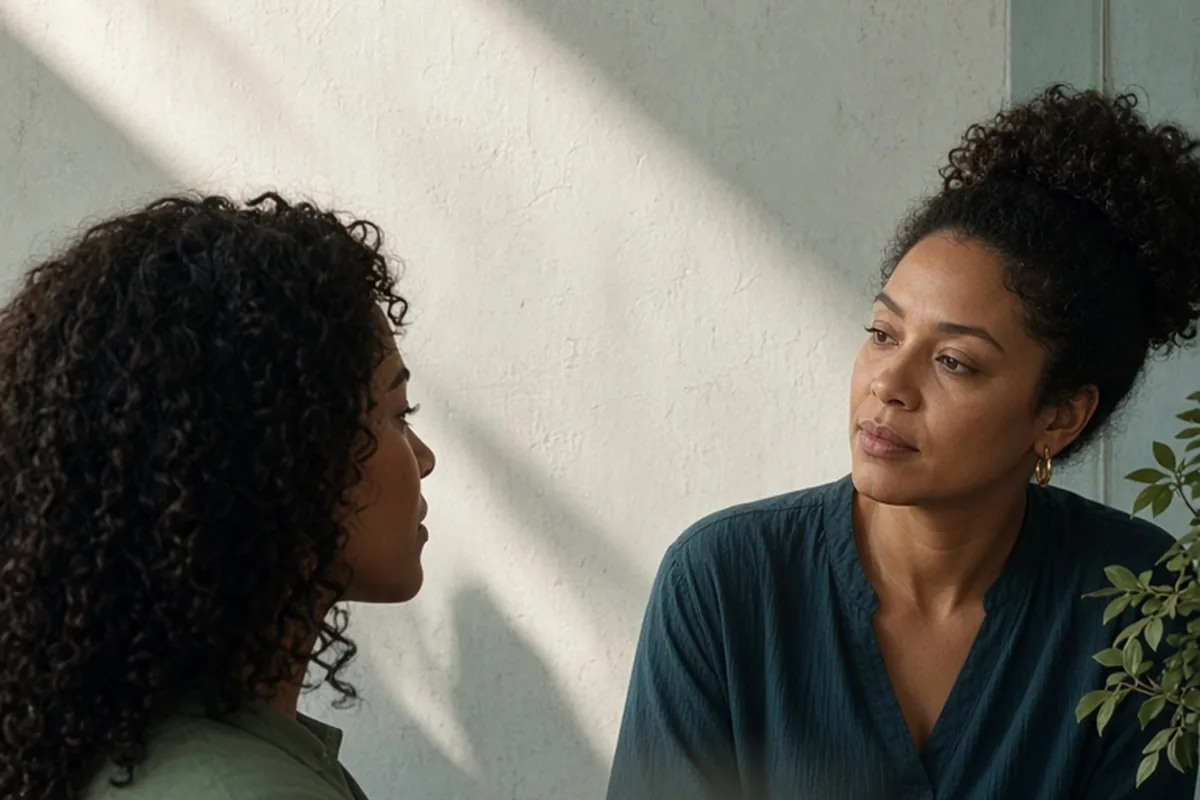
A hair salon consultation for textured hair is a dedicated pre-service appointment where a stylist evaluates your natural curl pattern, hair porosity, strand elasticity, density, and scalp health. During this session, the stylist reviews your styling history, discusses your lifestyle and maintenance routine, examines visual references, and determines the safest techniques for cutting, coloring, or chemical treatments without compromising your curl integrity or moisture balance.
Navigating salon visits with wavy, curly, coily, or tight-textured hair requires clear communication, specialized techniques, and mutual understanding between you and your stylist. A structured consultation establishes the foundation for healthy hair care, helping you avoid accidental damage, unexpected shape distortions, or mismatched expectations before any scissors, dyes, or heat tools touch your strands.
Evaluating a Stylist's Technical Experience with Curls and Coils
Finding the right professional begins long before you sit in the salon chair. Textured hair encompasses a vast spectrum of patterns, from loose spirals and S-shaped waves to tight zig-zag coils and dense afro-textured strands. Each pattern reacts differently to tension, hydration, and weight distribution. When researching potential stylists, examine their portfolio for unedited, raw photographs featuring clients whose natural curl pattern, density, and strand thickness closely resemble your own. Look for versatility in their work, including dry cutting, protective styling, hydration treatments, and dimensional coloring on distinct curl types.
During initial outreach, pay close attention to how the salon describes its services and booking policies. A salon that values textured hair care often mandates standalone consultation appointments for new clients or offers specialized curl-focused services rather than treating natural hair as a standard add-on fee. Inquire about the stylist's continuing education in curl artistry, their familiarity with various cutting philosophies such as dry curl-by-curl sculpting or perimeter shaping, and their understanding of how shrinkage impacts finished silhouettes. A stylist who welcomes in-depth questions about texture care demonstrates the transparency needed for a successful partnership.
Preparing Your Hair and Routine History Before the Appointment
How you arrive at your consultation directly impacts your stylist's ability to evaluate your natural texture. Unless specifically instructed otherwise by the salon, arrive with your hair completely dry, fully detangled, and styled in a clean wash-and-go using minimal, lightweight stylers. Avoid pulling your hair back into tight ponytails, buns, braids, twists, or claw clips for at least twenty-four to forty-eight hours prior to your visit. Restrictive styles stretch your natural coil formation, creating a temporary disruption in your spring factor and pattern definition that can mislead the stylist during visual assessment.
In addition to preparing your physical hair, compile a detailed summary of your hair history over the preceding twelve to eighteen months. Be prepared to share information regarding previous chemical treatments, such as relaxers, texturizers, keratin treatments, or permanent color lifts, as these alter the internal protein structure of the hair shaft even after natural regrowth occurs. Note your typical wash day schedule, the specific cleansing and conditioning products currently in your shower rotation, your reliance on direct heat tools like flat irons or blow dryers, and any recurring issues such as persistent mid-shaft breakage, chronic dryness, or scalp sensitivity.
The Physical Assessment of Hair Porosity, Elasticity, and Density
A comprehensive textured hair consultation involves an interactive, hands-on examination of your scalp and hair shaft characteristics. The stylist should assess your hair porosity, which determines how easily moisture penetrates and remains inside the cuticle layer. Low-porosity strands feature tightly closed cuticles that resist water absorption and require targeted heat or steam during conditioning, while high-porosity strands absorb moisture rapidly but lose it just as quickly due to gaps in the cuticle, demanding lipid-rich sealants and balancing protein support.
The physical evaluation also inspects strand elasticity and density variation across distinct zones of your scalp. Elasticity reflects the internal strength of the hair's cortex; healthy curls should stretch gently and spring back to their original pattern without snapping. Density refers to the number of individual follicles per square inch on your head, which often varies significantly between the crown, temples, and nape. By feeling the texture differences throughout your head, the stylist can design a tailored cut and hydration strategy that respects varying curl tightness and prevents bulkiness or sparse perimeters.
Analyzing Cut Methodologies for Textured Hair: Dry Versus Wet Techniques
One of the most important discussions during your consultation centers on the cutting technique best suited to your aesthetic goals and everyday styling preferences. Dry cutting allows the stylist to sculpt your hair in its natural state, observing how each curl cluster falls, springs upward, and interacts with neighboring sections. This method is particularly beneficial if you wear your hair in its natural curl pattern the vast majority of the time, as it prevents the unpleasant surprises that occur when wet, stretched hair shrinks dramatically upon drying.
Conversely, wet cutting or tension-cutting techniques may be considered if you frequently switch between natural curl sets, blown-out styles, and silk presses. A wet cut focuses on geometric symmetry, even perimeter lines, and uniform length distribution across the head. During the consultation, explain your balance between heat-stretched styling and natural wash-and-go days. Your stylist can then explain the trade-offs of each method, helping you choose an approach that delivers a balanced shape when curly without creating erratic, stepped layers whenever you decide to wear your hair straight.
Navigating Color, Lightening, and Chemical Processing Safely
Introducing permanent color, bleach, or chemical alterations to textured hair requires meticulous planning because curls and coils are naturally more vulnerable to structural compromise. The natural twists and bends along a textured hair strand represent mechanical stress points where the cuticle is naturally thinner and more fragile. During your consultation, an experienced colorist will evaluate whether your strands possess the necessary cortex integrity to withstand chemical lifting without losing their natural curl rebound.
If you desire a significant color transformation, such as transitioning to a high-lift blonde or vivid tone, your stylist should conduct a strand test. This involves applying the proposed chemical formulation to a small, discreet section of hair near the nape to observe processing time, lift capability, and structural response. The consultation should outline the realistic timeline required to reach your target shade across multiple sessions, the necessary interval between appointments, and the specific bonding treatments or deep-conditioning routines needed to maintain structural resilience.
Aligning Lifestyle, Maintenance Realities, and At-Home Product Regimens
A salon cut and treatment can only remain vibrant if supported by an achievable at-home maintenance routine. A thorough consultation must bridge the gap between salon results and your day-to-day lifestyle. Discuss your work schedule, exercise habits, time availability for wash days, and nighttime preservation routines. If your lifestyle only allows for a thirty-minute weekly routine, a complex styling regimen requiring multi-step sectioning, finger-coiling, and hours under a hooded dryer will quickly become frustrating and unsustainable.
Your stylist should provide clear guidance on cleansing frequencies, balancing moisturizing deep conditioners with occasional clarifying washes to remove stubborn product buildup from heavy butters and silicones. Talk openly about nighttime care, including the use of satin or silk bonnets, pillowcases, or loose pineapple styling to preserve curl definition and minimize friction-induced frizz. A collaborative stylist will recommend practical techniques and product categories tailored to your porosity and routine rather than simply pushing an expensive, rigid product line.
Understanding Service Pricing Structures, Time Windows, and Salon Policies
Textured hair services frequently require extended appointment durations due to intricate detangling, custom section-by-section cutting, specialized hydration steaming, and intentional curl-by-curl diffusion. Because pricing models vary widely across salons, the consultation is the appropriate venue to obtain absolute transparency regarding financial investments. Salons may charge a flat rate based on service tiers, an hourly rate that reflects the total time spent at the chair, or base prices that incorporate supplemental charges for extra hair length, high density, or extensive detangling needs.
Request an itemized breakdown of the proposed service plan before booking your execution appointment. Clarify what components are included in the quote, such as clarifying treatments, bond-building steps, scalp scrubs, blow-drying, or diffuser drying. Inquire about the salon's adjustment policy in the event that your cut shape settles unevenly after your first at-home wash day. Establishing clear expectations around timing, total costs, and follow-up support prevents misunderstandings and ensures a professional, trusting working relationship.
Illustrative Scenarios
Adjusting Color Goals to Preserve Curl Pattern Integrity
An illustrative client with fine, low-elasticity Type 4A coils scheduled a consultation seeking an immediate transformation from dark brown to platinum blonde. During the physical elasticity test and strand evaluation, the stylist noted significant mid-shaft fragility from past heat styling. Rather than proceeding with an aggressive single-session bleach service that would permanently loosen the client's curl formation, the stylist proposed a multi-phase dimensional balayage plan paired with bi-weekly in-salon bond-building hydration treatments. This approach allowed the client to achieve a bright, sun-kissed look over four months while maintaining consistent curl rebound and minimizing structural breakage.
Key point: In-depth consultations allow stylists to spot hidden strand fragility and design safe, gradual treatment paths that protect natural curl definition.
Frequently asked questions
How long does a hair salon consultation for textured hair typically take?
A standard standalone textured hair consultation generally lasts between fifteen and thirty minutes. This provides adequate time for the stylist to physically examine your scalp, evaluate your curl elasticity and porosity, review your hair history, and discuss styling goals and pricing.
Should I wash my hair right before arriving for a curl consultation?
It is best to wash and style your hair one or two days before your consultation using your normal wash-and-go routine with minimal product. Your hair should be completely dry and detangled upon arrival, allowing the stylist to see your authentic curl pattern in its natural resting state.
What is the difference between a dry curl cut and a traditional wet cut?
A dry curl cut shapes your hair strand by strand in its natural, dry state to account for individual shrinkage rates and how your curl clusters naturally sit. A traditional wet cut stretches the hair evenly with water and tension, focusing on geometric precision, which works well if you frequently wear your hair blown out or straightened.
Can I get a major color service on the same day as my initial consultation?
While some salons allow same-day color for minor glosses or single-process changes, extensive transformations like high-lift bleaching generally require a separate appointment. This gap allows the stylist to review your strand test results, allocate sufficient chair time, and ensure your hair is properly pre-conditioned.
Your next step
Document your current daily hair care routine, list your chemical and heat history from the past twelve months, and book a standalone consultation appointment to evaluate your stylist's technical approach before scheduling a major cut or color transformation.