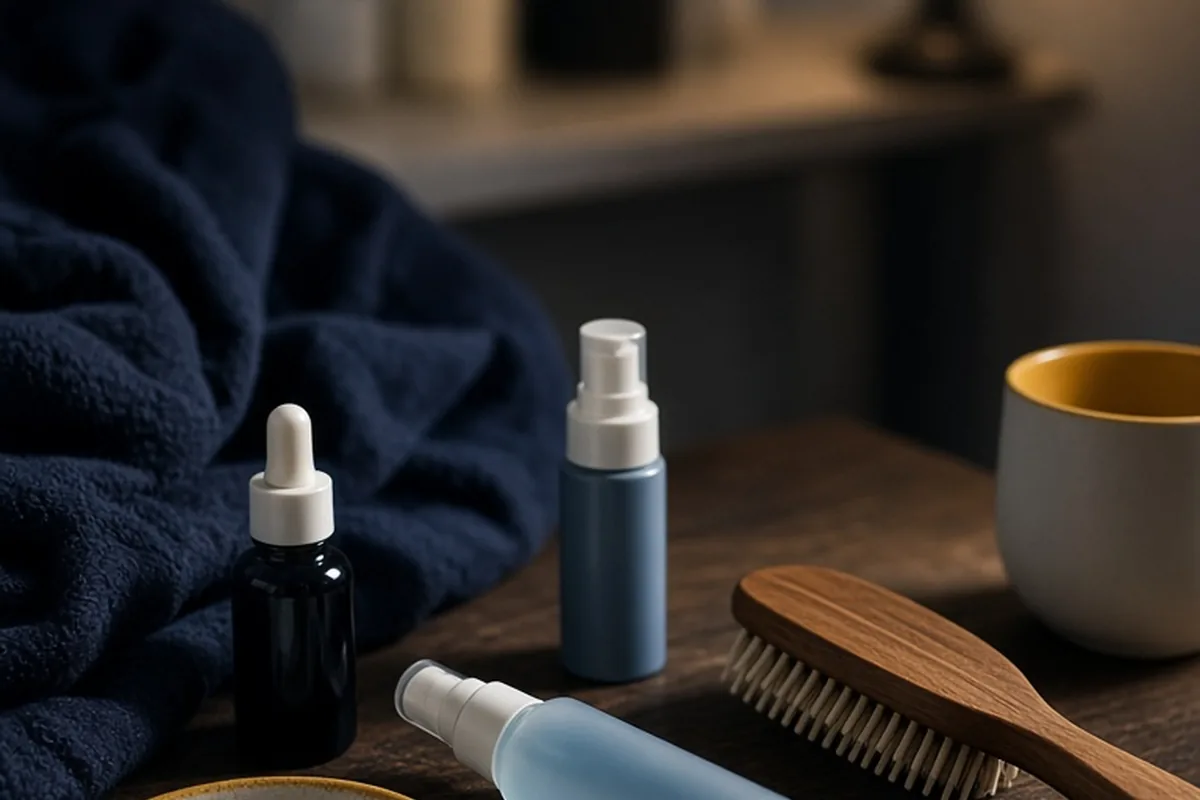
Styling fine, low porosity hair requires lightweight, water-based products applied with heat or warm water to encourage absorption without weighing down delicate strands. Because low porosity cuticles resist moisture and fine strands collapse easily under heavy oils or butters, focus on clarifying regularly, applying leave-ins to soaking-wet hair, using featherweight styling foams or liquid gels, and diffusing with gentle heat to set volume and seal the cuticle without greasy residue.
Navigating the combination of fine strand diameter and low cuticle porosity can feel like a constant balancing act between dry ends and greasy, flat roots.
Why Fine Low Porosity Hair Struggles with Heavy Styling Products
Hair porosity refers to how easily moisture passes through the outer cuticle layer into the inner cortex, while hair texture or diameter describes the physical thickness of each individual strand. Low porosity hair possesses tightly overlapping, shingle-like cuticles that lay flat and resist opening. When hair is also fine, each strand has a very small surface area and a narrow inner cortex. This means the hair cannot absorb dense substances, nor can it support heavy physical weight without immediately collapsing against the scalp.
When traditional hair care advice recommends rich creams, raw shea butter, or heavy vegetable oils for moisture, fine low porosity hair reacts poorly. These large-molecule ingredients cannot slip beneath the tightly sealed cuticles. Instead, they sit directly on the strand exterior, creating a tacky film that attracts airborne dust, traps scalp sebum, and binds adjacent strands together into stringy clumps. The result is hair that feels simultaneously dry on the inside and oily on the outside, completely stripped of natural bounce and movement.
Recognizing this unique structural reality changes your styling strategy entirely. Rather than attempting to coat the hair to lock in hydration, the goal is to gently encourage the cuticle to accept lightweight water-based hydration, followed by breathable, film-forming hold agents that dry clean without leaving behind persistent residue.
Cleansing and Prep: Setting the Foundation for Lasting Volume
Successful styling begins at the wash basin, because styling products cannot perform on strands already coated with leftover conditioning agents, silicones, or hard water minerals. Low porosity hair is exceptionally prone to gradual product accumulation, which creates an impermeable barrier that deflects water and causes fine hair to look limp before styling even starts. Incorporating a dedicated clarifying shampoo once every few washes removes these stubborn surface deposits, restoring the hair's natural texture and receptivity.
Water temperature plays a functional role during the washing phase for low porosity cuticles. Rinsing with comfortably warm water provides gentle thermal energy that encourages tightly sealed cuticle scales to lift slightly, allowing cleansing agents to remove oils and subsequent conditioning agents to penetrate deeper into the hair shaft. In contrast, icy water shocks the cuticle shut, trapping residue on the surface and preventing lightweight moisture from entering.
When applying conditioner, select formulas labeled as weightless, volumizing, or daily rinses rather than deep restorative masks. Apply conditioner strictly from the mid-lengths down to the ends, avoiding the root zone entirely. Use your fingers or a wide-tooth comb to detangle while the conditioner is active, then rinse thoroughly with warm-to-lukewarm water until the strands feel completely clean and free of slickness.
Selecting Ingredients: What to Seek and What to Avoid
Reading ingredient labels is essential when shopping for fine, low porosity hair. Look for water or aloe vera leaf juice listed as the primary base ingredient, followed by film-forming humectants such as flaxseed extract, marshmallow root, hydroxyethylcellulose, or pectin. These botanical humectants provide slip, definition, and moisture retention without forming an occlusive barrier that blocks future hydration or drags down fine roots.
Be cautious with heavy emollient oils and dense plant butters. Ingredients like castor oil, coconut oil, cocoa butter, and mineral oil have high molecular weights that overwhelm low porosity strands. If you desire light sealing properties or shine, opt for minimal quantities of lightweight oils with high polyunsaturated fatty acid contents, such as squalane, argan oil, or grapeseed oil, ideally integrated into a formulated serum rather than applied raw in bulk.
Protein sensitivity is another frequent consideration for low porosity hair. Because the cuticle is already intact and smooth, regular exposure to concentrated keratin, collagen, or wheat proteins can cause fine hair to feel brittle, stiff, and prone to snapping. Prioritize moisture-focused formulas, reserving light hydrolyzed silk or amino acid treatments only for periods when strands show genuine signs of elasticity loss.
The Correct Product Application Order for Lightweight Hold
The order and method of product application determines whether fine, low porosity hair retains volume or falls flat. Always begin with soaking wet or damp hair straight from the shower. Applying products to wet hair utilizes the water already present on the strand to dilute and evenly disperse styling agents, preventing concentrated hotspots of gel or foam that lead to flaking and heaviness.
Start with a dime-sized amount of a lightweight leave-in spray or liquid lotion, emulsifying it thoroughly between your palms before smoothing it down the lengths using gentle gliding motions. If you have natural wave or curl patterns, avoid vigorous raking that breaks up natural strand clumps. Next, introduce your primary styling product: an airy styling mousse, liquid volumizing foam, or medium-hold botanical gel. Foam formulations are particularly advantageous for fine strands because the aerated liquid delivers structure and root support with minimal product mass.
Use a microfiber towel or cotton t-shirt to perform micro-plopping—gently squeezing the lengths upward toward the scalp to remove excess water and unabsorbed product. This crucial step removes unnecessary physical weight while reinforcing natural curl or body formation, drastically shortening drying time without roughing up the delicate cuticle.
Drying and Heat Styling Methods That Preserve Root Lift
Air drying low porosity hair can take hours because water remains trapped beneath tightly closed cuticles and styling films. For fine hair, prolonged air drying is counterproductive; the lingering weight of water pulls strands downward at the root line, resulting in a flat crown and stretched-out mid-lengths. Controlled heat application solves this issue by speeding evaporation and setting styling polymers in an elevated position.
When blow-drying or diffusing, apply a light, heat-protective spray designed for fine hair, avoiding heavy silicone emulsions. Use a blow dryer on low-to-medium heat and medium airflow. If aiming for natural texture, cup sections of hair in a wide-bowl diffuser, gently lifting the hair toward the scalp and holding it steady for several seconds before moving. Avoid continuous circular movement, which disrupts cuticle alignment and generates unnecessary surface frizz.
To maximize root volume on straight or blowout styles, dry the root area in the opposite direction of its natural growth pattern using a lightweight ceramic or tourmaline round brush. Once the hair is completely dry, switch the dryer setting to cool air for thirty seconds. This blast of cold air contracts the hair cuticle around its newly lifted shape, locking in volume and creating a natural, reflective shine without requiring heavy glossing sprays.
Refreshing Second-Day Styles Without Inducing Product Buildup
Second-day styling for fine, low porosity hair requires restraint. Because previous styling products are still present on the strand, adding full layers of new product each morning will quickly saturate the hair, causing greasiness and rapid deflation. Instead, the focus should be on reactivating the polymers already dried onto the hair shaft.
Use a fine-mist continuous spray bottle filled with plain warm water to lightly dampen limp sections or frizzy areas. The warm moisture softens the existing gel or mousse film, allowing you to reshape, scrunch, or redirect strands without adding more weight. If individual areas need extra hold or taming, rub a single drop of liquid styling serum or foam between damp hands and lightly glaze over the surface.
For oily roots that threaten volume on subsequent days, apply a lightweight loose or spray dry shampoo directly to the scalp area before the hair becomes visibly greasy. Allow the powder or starch to sit on the scalp for a few minutes to absorb excess sebum, then thoroughly massage or brush it out. This preventative maintenance keeps fine roots buoyant without introducing moisture-blocking build-up along the lengths.
Frequently asked questions
Can I use hair oils on fine, low porosity hair?
Yes, but you should use them sparingly and select lightweight options like squalane or grapeseed oil. Apply only one or two drops to completely dry hair to soften a styling cast, rather than using heavy oils as deep conditioning treatments.
How often should fine, low porosity hair be clarified?
Most people with this hair profile benefit from using a gentle clarifying shampoo every 2 to 4 washes. If your roots look flat immediately after washing or styling products begin to feel sticky, it is usually time to clarify.
Why does my low porosity hair take so long to dry?
Low porosity cuticles sit tightly together, trapping moisture inside and along the surface while restricting natural airflow. Using a microfiber towel to remove excess water before diffusing on medium heat significantly speeds up drying time.
Your next step
Review your current styling products to eliminate heavy butters and dense oils, then switch to a lightweight water-based foam applied to warm, damp hair for your next wash day.