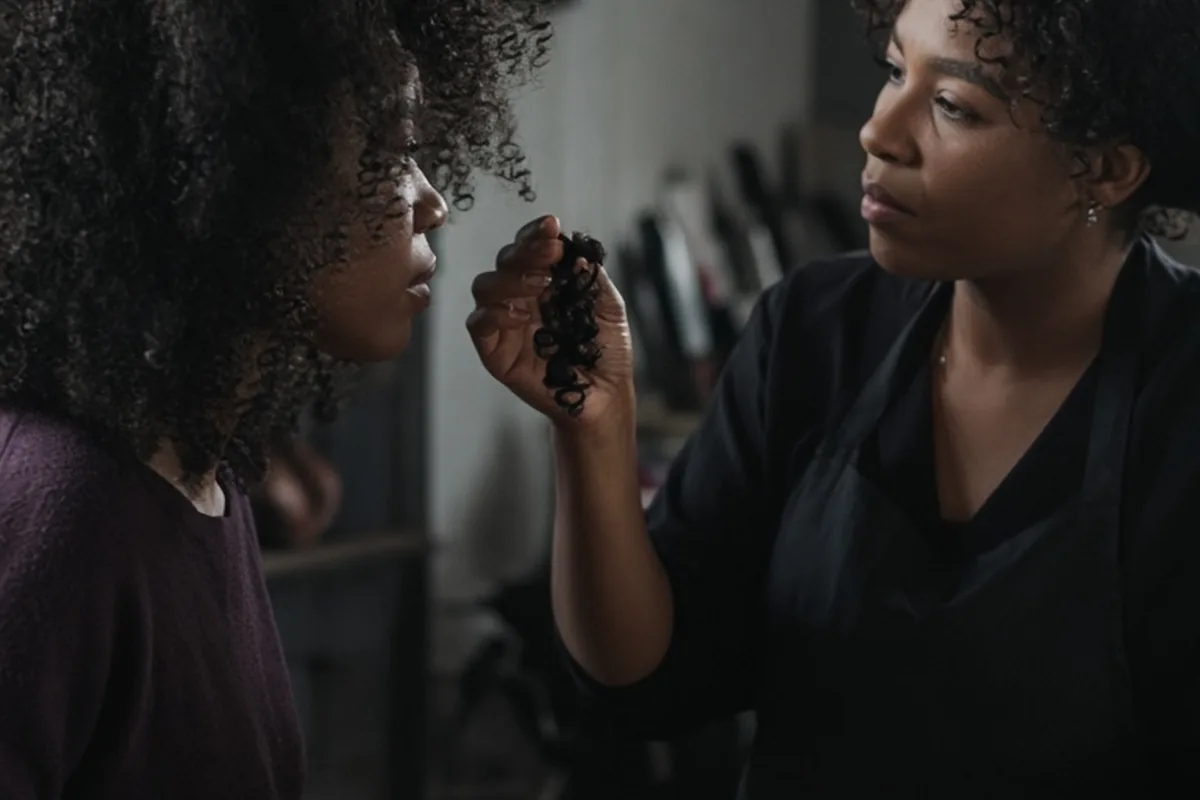
A thorough hair stylist consultation checklist for curly hair prioritizes your natural pattern, shrinkage, and daily lifestyle before scissors touch your strands. Key checklist items include verifying whether the stylist cuts wet or dry, reviewing your current washing and styling routine, establishing realistic maintenance schedules, defining target length while dry, assessing porosity and hydration needs, and confirming pricing transparency. Addressing these items upfront prevents unintended shape loss, excessive thinning, or moisture-stripping services.
Walking into a salon with natural curls, coils, or waves often carries real hesitation, especially if previous appointments resulted in uneven layers, unwanted triangle shapes, or over-thinned ends. A structured consultation shifts the appointment from an unpredictable gamble into a collaborative evaluation of your hair's unique behavior.
Arriving Prepared: What to Do Before You Sit in the Chair
A productive consultation begins before you step through the salon doors. Many traditional appointments allow clients to arrive with hair pulled back in elastic bands, swept into buns, or coated in heavy edge controls. For textured hair, however, the stylist needs to observe your individual curl groupings in their truest resting state. Arrive with your hair completely dry, fully detangled, and styled using your typical wash-and-go or definition technique from one or two days prior. Avoid hats, claw clips, and ponytails that distort the natural root direction and spring factor.
Visual references make communication concrete, but they must align with reality to be useful. Collect reference photos of individuals whose curl diameter, density, and texture resemble your own. Showing an image of loose, fine waves when you possess tight, coily hair sets an unworkable baseline for both you and your stylist. Take photos of your hair on its best and worst days to illustrate what you appreciate and what frustrates you in daily life.
Take inventory of the products currently in your shower and styling cabinet. Snapping pictures of the ingredient panels on your everyday cleansers, leave-in conditioners, and gels gives the professional immediate insight into your hair's moisture levels, protein balance, and product buildup potential. Being transparent about your routine ensures the stylist does not recommend techniques that conflict with your home habits.
- Wear hair completely dry, down, and styled with your standard wash-day products.
- Avoid ponytails, tight braids, pins, or hats that stretch or reshape the natural pattern.
- Select reference images showing realistic curl types, density, and face shapes similar to yours.
- Photograph your current shampoo, conditioner, and styling products to review during the discussion.
Assessing the Stylist's Curly Hair Cutting Philosophy and Technique
Textured hair behaves very differently under tension and water than straight hair does. During the consultation, ask the stylist to explain their specific cutting philosophy. Some stylists specialize in dry cutting methods, trimming curl by curl so they can account for the unique spring rate of each coil. Other stylists cut wet to establish a precise perimeter and refine individual curls after drying. Neither method is universally wrong, but you should understand how their chosen approach accommodates your specific spring factor.
Be direct about the tools the stylist intends to use. Conventional texturizing shears, thinning shears, and razors are designed to reduce bulk in straight hair, but when applied to textured hair, they can shred the ends of curl clumps. This creates involuntary frizz, disrupts pattern formation, and causes long-term structural weakness along the strand. Inquire specifically whether the stylist relies on traditional shears to cut blunt, solid ends that preserve the curl grouping.
Most individuals with textured hair carry multiple curl patterns across their scalp. It is common to have looser S-waves along the nape and tighter corkscrews around the crown or temples. Ask the stylist how they intend to balance these distinct zones so the final silhouette remains harmonious rather than disjointed once styled at home.
- Ask whether the cut will be performed wet, dry, or as a hybrid combination.
- Confirm that standard blunt shears will be used rather than thinning shears or razors.
- Discuss how the stylist balances different curl patterns present across your head.
Evaluating Natural Shrinkage, Target Length, and Desired Silhouette
Shrinkage is one of the most defining characteristics of textured hair, and misjudging it is the leading cause of salon regret. Curly hair can shrink anywhere from twenty percent to over seventy percent of its stretched length depending on curl diameter, elasticity, and hydration levels. During your consultation, hold your hair in its natural dry state and indicate where you want the bottom perimeter to fall when fully styled, not where it reaches when pulled taut.
Discussing shape requires moving beyond general terms like layers or trims. Bring up the specific geometry you hope to achieve, whether that is a rounded dome, an angled bob, a softly blended taper, or an elongated diamond silhouette. Layers on curly hair serve to distribute volume and eliminate the heavy, bell-shaped bottom often referred to as the triangle effect. Ask the stylist where they plan to place the shortest interior layer to ensure it frames your face comfortably.
If your primary objective is maintaining maximum length while removing split ends, establish strict boundaries during the consultation. Ask the stylist to visually demonstrate on a single curl strand exactly how much hair they plan to trim. Establishing this visual metric before any cutting begins protects against misunderstandings regarding what qualifies as a dusting versus a full reshape.
- Define length based on resting dry curls rather than wet or pulled-out strands.
- Specify the exact visual silhouette you want, such as rounded, square, or tapered.
- Ask the stylist to isolate and measure an example strand before beginning the trim.
Chemical Processing, Lightening, and Maintaining Curl Integrity
Applying bleach, permanent dye, or chemical texturizers involves altering the internal bonds of the hair fiber. For curly hair, structural changes can lead to loosened patterns, increased porosity, chronic dryness, and reduced elasticity. If you are consulting about color or highlights, ask the colorist how they plan to safeguard your curl pattern throughout the lightening process.
Inquire about their approach to lifting color on delicate curl strands. Responsible colorists generally advocate for gradual, multi-session lightening using lower-volume developers alongside bond-building formulations, rather than rushing through high-lift applications in a single afternoon. Ask whether they use painted techniques like curl-by-curl balayage, which respects the natural placement of curl clusters, instead of rigid foils that can create unnatural stripes when curls clump.
Request a preliminary strand test if your hair has been previously colored, exposed to henna, or treated with chemical relaxers or keratin smoothing treatments. A strand test allows both you and the professional to observe how your strands respond to chemical stress before committing your entire head to a chemical formulation.
- Ask how the stylist plans to protect curl elasticity and clump formation during chemical services.
- Discuss realistic color timelines, including whether your desired shade requires multiple sessions.
- Request a preliminary strand test if you have existing chemical treatments or known porosity issues.
Aligning Cleansing Routines, Hydration Needs, and Product Formulations
A haircut should support the routine you actually practice at home, not an idealized routine you have no desire to maintain. Be honest with the stylist about how much time you are willing to invest on wash day. If you prefer a fifteen-minute routine that air-dries while you commute, tell them directly so they do not design an intricate cut that demands forty-five minutes of finger-coiling and diffusing.
Review your cleansing frequency and the role of clarifying shampoos. Many curly individuals rely heavily on rich conditioning co-washes or sulfate-free cleansers, which can gradually allow silicones, heavy butters, and natural sebum to accumulate on the cuticle. Discuss whether your current scalp condition and strand porosity indicate a need for clarifying treatments to help moisture penetrate effectively.
Pay close attention to how the stylist discusses styling products during the consultation. A reputable specialist should explain the functional purpose of each category—humectants, emollients, proteins, and film-forming sealants—rather than merely pushing salon-exclusive brands. Ask them to demonstrate product application techniques, such as the praying hands method, raking, or micro-plopping, so you can duplicate the salon finish at home.
- State your realistic daily styling time and drying preferences clearly.
- Discuss your scalp health and whether regular clarifying is needed to prevent buildup.
- Ask for demonstrations of product application methods rather than just product recommendations.
Clarifying Pricing, Appointment Duration, and Salon Revision Policies
Pricing structures for textured hair services vary widely across salons and geographic regions. Some salons charge a flat fee for curly cuts, while others bill on an hourly scale or add surcharges based on hair density, excessive detangling requirements, or extra drying time. Ask for an itemized estimate during your consultation that covers the haircut, wash, treatment, and complete diffuse styling so there are no unexpected charges at checkout.
Inquire about the anticipated time commitment for the service. A comprehensive curly appointment typically involves an in-depth dry cut, a hydrating wash and detox, thorough conditioning, curl-by-curl product application, and extended drying under a hooded dryer or hand diffuser. Knowing the expected duration helps you plan your day and ensures the stylist has blocked off sufficient time without rushing the shaping process.
Finally, discuss the salon's policy regarding post-appointment adjustments. Curls settle and shift over the first few days, particularly after you wash and style them yourself at home. Ask whether the salon offers a complimentary touch-up window—often seven to fourteen days—in case a specific section springs up higher than anticipated or an asymmetrical curl cluster needs minor refining.
- Request an itemized price estimate that includes detoxing, cutting, conditioning, and drying.
- Confirm the total time allocated on the stylist's schedule for your full appointment.
- Ask about the revision policy and timeframe if your hair requires minor adjustments after washing at home.
Frequently asked questions
How should I wear my curls on the day of the consultation?
Wear your curls completely dry, detangled, and styled down in your regular wash-and-go pattern using your usual everyday products. Avoid putting your hair in ponytails, buns, braids, or under hats, as tension accessories stretch the curl clumps and hide your natural spring factor.
Should curly hair ever be cut with thinning shears or razors?
In general, thinning shears and traditional razors are discouraged for textured hair because they slice through curl groupings at irregular intervals, leading to frayed ends and uncontrollable frizz. Most curl specialists use sharp, standard shears to create deliberate blunt cuts that allow curls to bundle smoothly together.
How do I know if a stylist truly understands curly hair?
A knowledgeable curl stylist asks detailed questions about your shrinkage, wash routine, and drying methods before picking up tools, and they showcase diverse curl textures in their portfolio. They should comfortably explain how your unique curl diameter and porosity dictate their cutting and product choices.
What should I do if a stylist insists on washing my curls before cutting them?
Ask the stylist to explain their rationale, as some professionals cut a wet perimeter before refining dry curls. However, if they plan to comb out your wet curls under high tension and cut them like straight hair without checking your natural shrinkage, it is best to pause the service and find a specialist trained in textured cutting.
Your next step
Save your three most important hair goals and photos of your current daily products on your phone, then request a standalone consultation appointment before booking any cutting service.