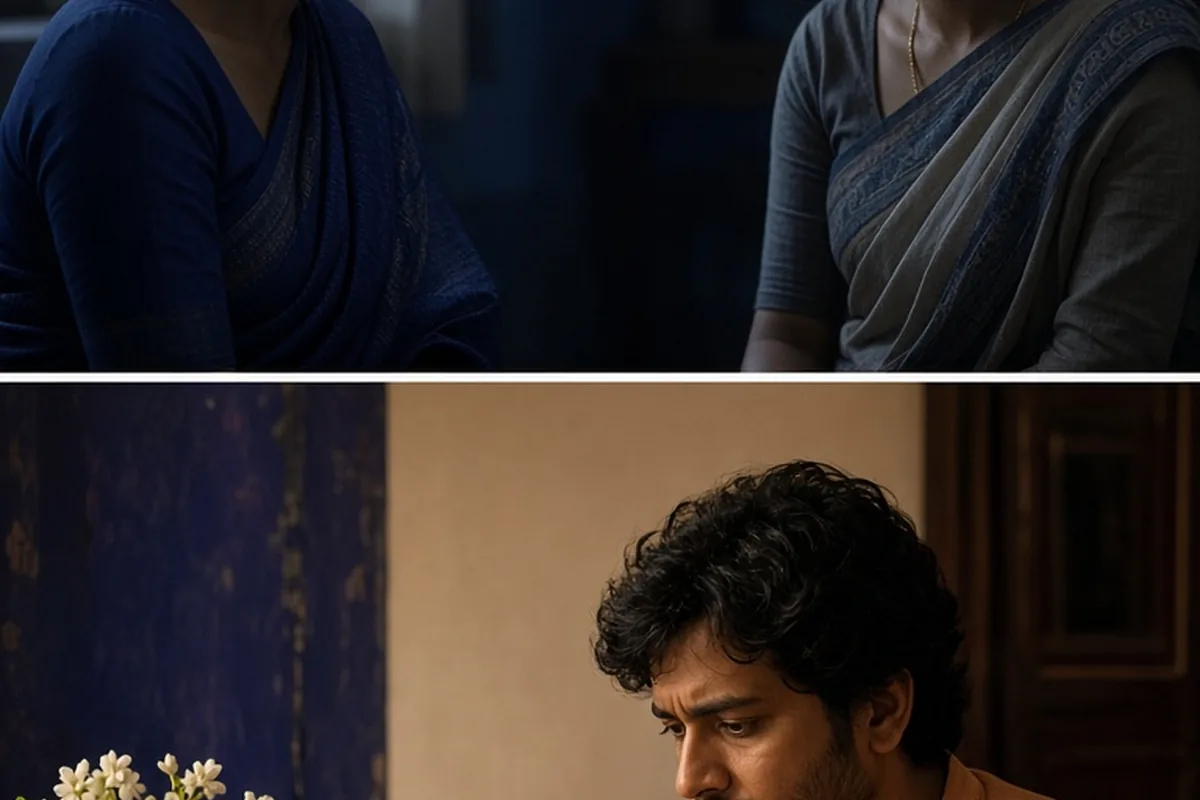
Having two wives is not easy because multi-partner relationships demand an unsustainable balance of emotional intimacy, material resources, and domestic peace. Across spiritual traditions and human history, polygynous dynamics routinely trigger deep-seated jealousy, structural inequality, and competing familial loyalties. Sustaining genuine connection under such conditions requires exceptional emotional maturity, continuous communication, and constant compromise, often leaving all parties navigating complex psychological trade-offs.
While ancient mythologies and historical chronicles frequently depict rulers and spiritual figures with multiple spouses, these stories rarely present such arrangements as harmonious or trouble-free. Looking closely at these narratives reveals that managing plural commitments has always introduced intense personal friction, structural rivalry, and lasting emotional strain.
The Illusion of Equal Affection and the Emotional Strain of Division
A central challenge in having multiple spouses is the impossibility of dividing emotional presence into perfectly equal portions. Human connection is inherently dynamic, shifting based on personal chemistry, shared experiences, mood, and daily stressors. When a partner attempts to split romantic devotion between two wives, one relationship inevitably feels favored at different moments. This asymmetry breeds insecurity, leaving both partners hyper-vigilant regarding subtle changes in affection, conversational warmth, and private time.
Even when an individual strives to act with complete impartiality, the subjective perception of fairness rarely matches reality. Love cannot be measured through rigid accounting, and attempts to mechanically balance gestures of care often feel sterile or performative. The emotional labor required to constantly reassure multiple partners can quickly lead to chronic exhaustion, emotional withdrawal, and unintended neglect, illustrating why romantic bandwidth is rarely sufficient for simultaneous, deep commitments.
Lessons from King Dasharatha and the Cost of Competing Commitments
Classical Indian epic tradition provides one of literature's most striking examinations of the costs of plural marriage through the story of King Dasharatha in the Ramayana. Dasharatha was married to three queens: Kaushalya, Kaikeyi, and Sumitra. While the household functioned under an external veneer of royal dignity, the latent tension between the queens became the fulcrum for the entire epic's central tragedy. Dasharatha's intense attachment to his younger wife, Kaikeyi, led him to grant her unconditional boons that she later leveraged to demand the exile of his beloved eldest son, Rama.
This narrative serves as a profound psychological study of how divided loyalties leave an individual vulnerable to conflicting promises. Dasharatha found himself caught between his duty as a monarch, his deep love for his firstborn son, and his sacred vow to Kaikeyi. The resulting grief shattered the household and cost the king his life, demonstrating that romantic favoritism within a multi-partner household often creates vulnerabilities that compromise moral duty and domestic stability.
Co-Wife Dynamics, Subtle Hierarchies, and Domestic Rivalry
Beyond the relationship between each wife and the husband, the horizontal dynamic between the co-wives themselves is notoriously fraught. In traditional literature and lived experience alike, a plural household inherently establishes a hierarchy, whether defined by seniority, social background, or the birth of children. In the Mahabharata, the relationship between King Pandu's wives, Kunti and Madri, showcases these delicate undercurrents. Although they shared a genuine bond and mutual respect during their forest exile, their dynamic was constantly mediated by Madri's awareness of Kunti's precedence and mystical boons.
When two individuals are placed in a structural position where they must share resources, status, and the intimacy of a single spouse, comparison becomes almost unavoidable. Even without overt hostility, passive competition can manifest in subtle domestic decisions, child-rearing philosophies, and social positioning. Maintaining peace in such an environment requires continuous negotiation, clear emotional boundaries, and an uncommon willingness to suppress personal entitlement for collective harmony.
The Archetypal Balance of Murugan, Valli, and Deivayanai
In South Indian devotional traditions, Lord Murugan (Kartikeya) is traditionally depicted alongside two consorts: Deivayanai and Valli. Rather than portraying an earthly domestic struggle, this mythological pairing represents a complex spiritual metaphor. Deivayanai, the daughter of Indra, symbolizes Kriya Shakti (action, duty, and social order), representing conventional marital alliance. Valli, a tribal maiden, represents Ichha Shakti (will, passion, and intuitive devotion), symbolizing spontaneous, unrestrained love.
This archetypal synthesis illustrates the dual aspects of consciousness that a balanced spiritual seeker must harmonize: formal societal obligation and organic personal longing. However, mythology makes clear that such harmony belongs to the realm of the divine. When mortal individuals attempt to replicate this balance in ordinary life, the tension between structured duty and passionate romance rarely resolves into effortless unity; instead, it typically results in competing claims that pull the individual in opposing directions.
The Lasting Impact on Offspring and Generational Unity
The challenges of a plural marriage inevitably extend to the next generation, where siblings born of different mothers often inherit their parents' unspoken rivalries. Throughout spiritual lore and historical chronicles, inheritance disputes, factionalism, and mutual suspicion frequently arise among half-siblings. Children are perceptive observers of parental dynamics; when they sense that their mother feels secondary or undervalued, they often internalize that resentment, directing it toward their father or half-siblings.
Fostering genuine unity among children under these circumstances demands extraordinary fairness from both the father and each mother. If resources, inheritance, or affection are perceived as unequally distributed, the household risks fragmenting into defensive factions. The resulting domestic environment can deprive children of the predictable, secure foundation necessary for emotional well-being, leaving a legacy of division that persists long after the parents are gone.
Practical Realities: Economic Pressures and Time Scarcity
Beneath the emotional and philosophical complexities lies an inescapable practical constraint: time and material resources are fundamentally finite. Supporting multiple households or maintaining a large, unified domestic space creates substantial financial strain. Every expenditure, investment, and leisure plan must be justified across multiple stakeholders, turning everyday logistics into complex negotiations over fairness and priority.
Time management represents an equally unforgiving obstacle. A single human being has limited hours to balance professional labor, personal health, parenting, and romantic companionship. When those hours must be divided between two distinct adult partnerships, quality time is frequently sacrificed in favor of basic logistical management. As fatigue sets in, the quality of both relationships tends to decline, replacing spontaneous intimacy with scheduled, transactional interactions.
Modern Relationship Insights: The Value of Singular Focus and Radical Honesty
Examining the systemic difficulties of plural marriage highlights why modern relationship dynamics place such a high premium on singular emotional focus and radical transparency. While contemporary non-monogamy and polyamory frameworks exist, ethical practitioners emphasize that multi-partner structures require rigorous self-awareness, active consent, and emotional fortitude far beyond what standard relationships demand. Without these foundational traits, such dynamics quickly succumb to the same historical pitfalls of jealousy and exhaustion.
For those seeking sustainable intimacy, ancient narratives offer a clear cautionary perspective: romantic expansion without proportional emotional capacity leads to instability. Cultivating depth, trust, and mutual respect within a single, dedicated partnership often proves far more rewarding than spreading attention across multiple commitments that cannot be fully honored.
Frequently asked questions
Why do ancient epics like the Ramayana depict severe consequences for plural marriage?
Epics use complex relationship dynamics to explore moral duty, human fallibility, and the unintended consequences of competing vows. By showing how favoritism and divided loyalties lead to tragedy, these stories illustrate that ethical responsibility cannot be compromised without personal and societal costs.
How do mythological dual consorts differ from human multi-partner marriages?
Mythological consorts, such as Murugan's companions Valli and Deivayanai, represent spiritual archetypes of action, duty, and devotion rather than literal domestic blueprints. Human relationships operate under real-world emotional and physical limits, meaning attempts to emulate divine balance often encounter practical friction and emotional burnout.
Is emotional fairness genuinely achievable when sharing a partner?
True emotional symmetry is exceptionally rare because individual needs, chemistry, and life circumstances naturally fluctuate over time. While partners can practice transparent communication and equity, subtle perceptions of imbalance almost always require ongoing patience and active boundary management.
Your next step
Assess your emotional bandwidth and communication habits honestly, focusing on building deep, transparent trust within your primary commitments rather than overextending your relational capacity.