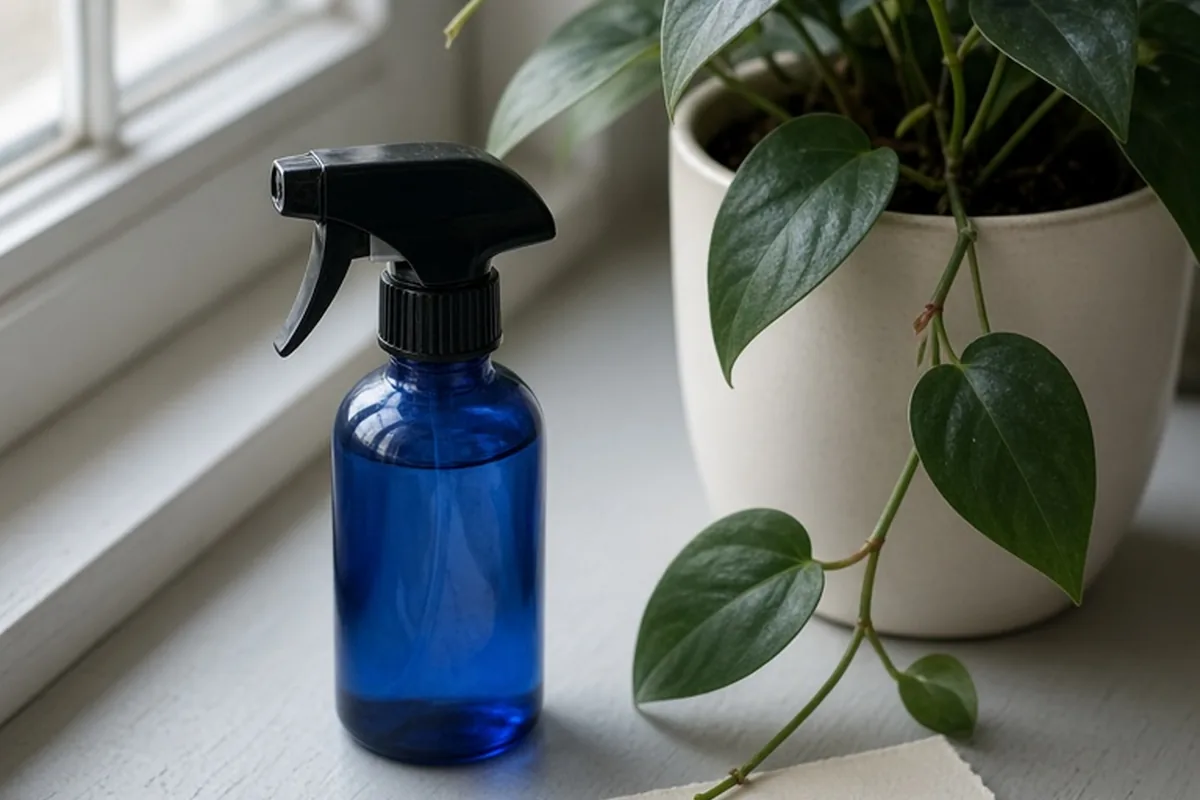
To use a heat protectant effectively, apply it evenly to damp hair before blow-drying or lightly mist dry hair before using hot flat irons or curling tools. Divide your hair into clean sections so every strand receives coverage, comb through to distribute the product, and allow wet protectants to dry completely before clamping with hot plates. Avoid spraying only the outer hair canopy, using excessive iron temperatures, or applying raw culinary oils in place of formulated thermal protectants.
Hot styling tools can transform hair texture and create polished looks, but direct thermal exposure strips natural moisture, weakens keratin bonds, and degrades the outer cuticle. While thermal protectants provide a crucial defensive shield, applying them improperly can still leave your hair vulnerable to breakage, frizz, and irreversible thermal wear.
Selecting the Right Heat Protectant Formulation for Your Hair Texture
Thermal protectants are not one-size-fits-all products. The formulation you choose should align directly with your hair thickness, natural curl pattern, porosity, and the specific styling tool you plan to use. Lightweight spray mists, water-based lotions, rich barrier creams, and silicone-based serums interact differently with heat, and selecting the wrong consistency can lead to weighed-down locks or inadequate thermal defense.
For fine, thin, or low-porosity hair that gets weighed down easily, clear water-based sprays and fine aerosol mists offer thermal shielding without leaving a greasy or limp residue. These formulas rely on light film-forming polymers like polyquaterniums and hydrolyzed silk or wheat proteins that coat the cuticle without clinging heavily. Conversely, thick, coarse, dry, or high-porosity hair benefits significantly from creamy leave-in protectants, conditioning lotions, and heavier silicone-infused formulas containing ingredients such as dimethicone or amodimethicone. These heavier products provide much-needed lubricity, help seal lifted cuticles, and lock internal moisture into the hair shaft during high-heat styling.
Textured, curly, and coily hair types (types 3 and 4) require balanced hydration alongside thermal barriers. Coily strands naturally possess fewer cuticle layers at bend points, making them especially susceptible to moisture loss and curl pattern distortion. For these textures, applying a hydrating leave-in moisturizer followed by a silicone-rich or polymer-based thermal cream creates a two-step defense that protects the hair cortex during blowout stretches and silk-press styling routines.
Step-by-Step Application for Blow-Drying Damp Hair
Applying heat protectant to damp hair requires a deliberate process to guarantee uniform distribution from roots to ends. After washing, start by gently squeezing out excess water using a microfiber towel or cotton T-shirt. Never apply thermal protectant to soaking wet or dripping hair, as excess water dilutes the active protective polymers and causes the product to run off before it can bond with the hair fiber.
Once hair is damp, separate it into at least four distinct quadrants: two in the front and two in the back. Working with one quadrant at a time, hold spray protectants roughly six to eight inches away and mist the mid-lengths and ends thoroughly. If you are using a cream or serum protectant, rub a dime- to quarter-sized amount between your palms and fingers, then glide your hands through the section using a praying-hands motion to coat the hair evenly without concentrating all the product in one spot.
After applying the protectant to each quadrant, use a wide-tooth comb or a flexible detangling brush to comb through your hair from ends up toward the roots. This mechanical combing step is essential because it pulls the protective barrier across every individual strand rather than leaving isolated patches unprotected. Keep the primary concentration on mid-lengths and ends, as these are the oldest, most fragile parts of the hair shaft, while keeping root contact light to avoid scalp congestion or premature oiliness.
Applying Thermal Defense to Dry Hair Before Flat Irons and Curling Wands
Using direct-contact hot tools like flat irons, curling wands, and hot rollers demands a different application strategy than pre-blowout prep. Direct heated plates transfer heat much faster than diffusing air dryers, making dry hair especially vulnerable to localized scorching if bare spots exist.
If you are styling dry hair on wash day or refreshing hair on second-day styles, choose an ultra-fine aerosol thermal spray or a specialized dry-heat mist rather than a heavy, water-laden pump spray. Section the hair into thin, horizontal slices no thicker than the depth of your styling tool plates. Lightly mist each individual sub-section immediately before styling, rather than spraying your entire head at once. Spraying the whole head simultaneously can allow the product to absorb unevenly or evaporate before you reach later sections.
The most critical rule when applying protectant to dry hair is ensuring that the product is completely dry to the touch before clamping down with a hot iron. If the hair feels wet, cool, or sticky from the spray, wait thirty to sixty seconds for the liquid carrier to flash off. Clamping a 350-degree iron onto wet liquid boils moisture within the cortex, causing rapid structural fractures commonly known as bubble hair.
Six Common Heat Protectant Mistakes That Cause Lasting Hair Damage
Even when using premium thermal products, technique errors frequently compromise your hair's health. The first common mistake is relying on the halo spray technique, where a person simply sprays two or three bursts over the top layer of their head. This leaves the interior layers, the nape, and the under-canopy completely exposed to direct heat, leading to hidden breakage and uneven frizz underneath.
The second mistake is clamping hot styling irons onto damp or wet protectant. When hot ceramic, tourmaline, or titanium plates touch water-saturated hair, the liquid instantly boils and vaporizes, creating high-pressure steam that blows microscopic holes through the cuticle layer. If your hair sizzles, cracks, or emits heavy steam when clamped, stop immediately and let the hair air-dry completely.
The third widespread error is treating heat protectant as an invincibility shield and maxing out tool temperatures. Heat protectants act as heat buffers that slow down thermal transfer and reduce moisture loss, but they cannot prevent damage if an iron is set to 450 degrees Fahrenheit. For fine or chemically treated hair, keep temperatures between 275 and 325 degrees Fahrenheit; for medium or healthy hair, stay between 325 and 375 degrees; and reserve 375 to 410 degrees for thick, highly resistant, or coarse textures.
The fourth mistake is substituting raw natural oils, such as coconut oil, olive oil, or butter blends, for formulated heat protectants. While natural oils are excellent for moisturizing, unrefined cooking oils have variable smoke points and lack the engineered polymer matrices needed to diffuse heat evenly. Applying high-temperature irons over pure culinary oils can scorch the hair cuticle.
The fifth mistake is dragging hot tools repeatedly over the exact same section in slow succession. Applying heat protectant does not protect against prolonged dwell time. Instead of taking five slow passes with a flat iron on a thick chunk of hair, take one or two smooth, controlled passes over a smaller, well-protected section.
The sixth mistake is failing to wash out silicone and polymer residue with a clarifying shampoo periodically. Over weeks of heat styling, thermal protectants and conditioning agents create stubborn buildup that blocks moisture absorption, making hair paradoxically dry, brittle, and stiff over time.
Layering Heat Protectant With Leave-In Conditioners, Mousses, and Oils
Styling routines rarely involve only one product, making the order of product application critical for both performance and protection. As a universal standard, apply styling products from the thinnest, most water-based consistency to the thickest, most occlusive formula.
When preparing wet hair, begin with your water-based leave-in detangler or hydrating spray immediately after towel drying. Next, apply your thermal protectant cream or blow-dry lotion to form the core protective barrier across the strand. After the protectant is distributed, layer on your hold and definition products, such as volume mousse, curl foam, or styling gel. Placing the thermal protectant beneath your styling mousse ensures the heat-defending polymers bond directly to the hair cuticle rather than sitting atop styling resins.
Finishing oils and shine serums should almost always be applied at the very end of your routine once the hair is fully styled and cooled. If your finishing oil is specifically formulated and labeled as a thermal styling oil containing cosmetic silicones like cyclomethicone, you may use a minute drop before dry ironing. However, traditional raw finishing oils should remain post-styling tools to tame flyaways, lock in shine, and seal the finished look.
Recognizing Thermal Damage and Adjusting Your Styling Routine
Heat damage often develops gradually before becoming visibly obvious. Recognizing early warning indicators allows you to modify your heat protectant routine and styling habits before breakage forces you to cut off damaged lengths. Common early signs include persistent split ends, rough and snagging ends when brushing, accelerated color fading, lack of natural shine, and a loss of natural elasticity when strands are gently stretched.
For naturally wavy, curly, or coily hair, a classic sign of thermal degradation is pattern alteration, where sections of your curls appear limp, loose, or permanently straight even after multiple washes. When this occurs, thermal energy has broken down the structural disulfide bonds inside the hair cortex. While deep conditioning masks, bond-building treatments, and protein reconstructors can temporarily reinforce weakened fibers, severe heat damage is irreversible and must eventually be trimmed away.
If you spot these early distress signals, adjust your heat routine immediately. Reduce styling frequency from daily use to once or twice per week, lower your tool temperature by 25 to 50 degrees, double-check your protectant sectioning technique, and incorporate weekly deep conditioning treatments to restore the lipid barrier that heat breaks down.
Frequently asked questions
Can I use heat protectant on completely dry hair?
Yes, but you should use a lightweight aerosol spray or dry-heat protectant mist specifically formulated for dry hair. Ensure the product is fully dry and non-sticky to the touch before clamping down with flat irons or curling wands to prevent boiling moisture inside the hair shaft.
Do I need heat protectant if my styling tool has ceramic or titanium plates?
Yes, high-end plate materials distribute heat more evenly, but they still subject your hair to high temperatures capable of degrading cuticle lipids and internal proteins. A heat protectant provides an essential physical barrier regardless of your tool's build quality.
Can I use coconut oil or argan oil instead of a heat protectant spray?
Pure culinary or raw oils should not replace dedicated heat protectants because they lack the heat-deflecting polymers and silicones engineered for thermal tools. Without specialized thermal formulations, applying high heat to unrefined oils can fry the outer cuticle.
How long does heat protectant last once applied to the hair?
Heat protectants remain active on the hair fiber until your next wash, but friction from sleeping, brushing, and daily wear can wear away the barrier. If you are restyling with a hot iron several days after washing, applying a fresh light mist of dry thermal protectant to each section is recommended.
Your next step
Divide your hair into clean, manageable quadrants before your next styling session, and verify that all damp protectants are completely dry to the touch before letting any hot iron touch your strands.