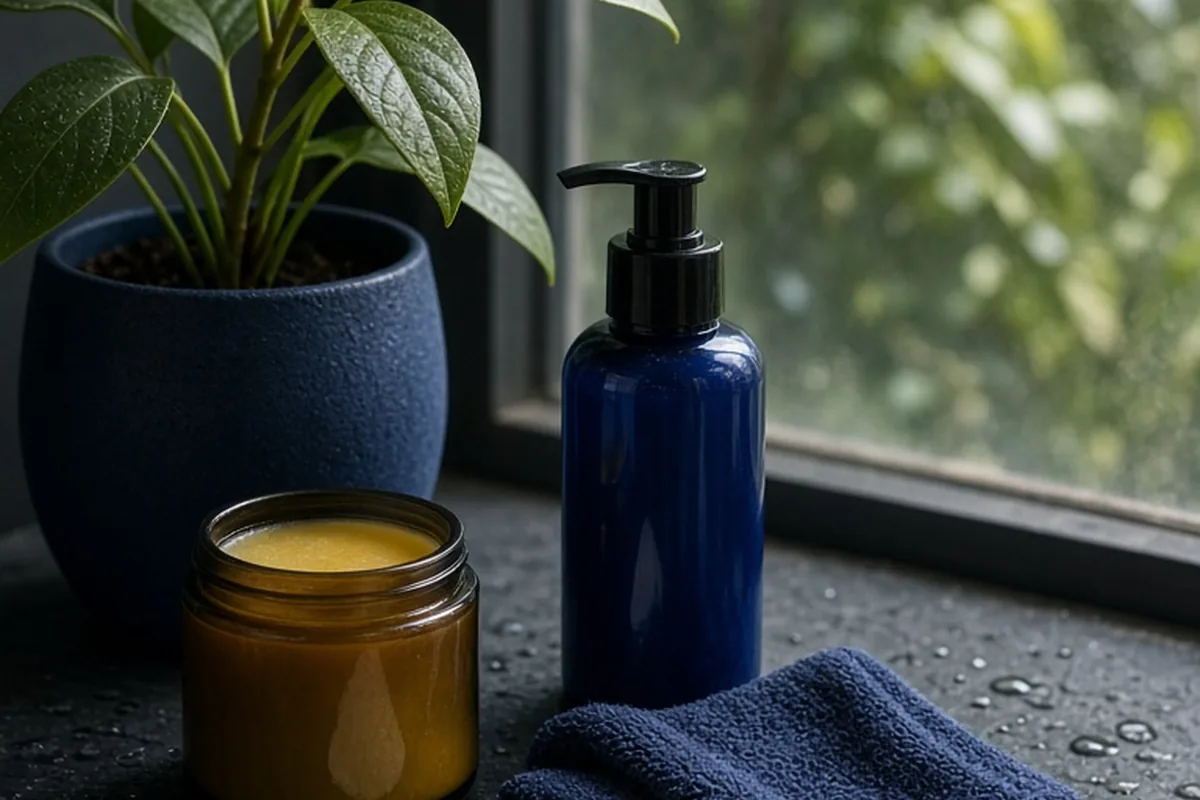
Beginners with high porosity hair need a routine focused on moisture retention and cuticle reinforcement. High porosity cuticles stay lifted, absorbing water quickly but losing it almost immediately. The core product lineup requires a sulfate-free moisturizing shampoo, a deep conditioner containing hydrolyzed protein to patch cuticle gaps, a water-based leave-in conditioner, and a thick emollient butter or sealing oil such as shea butter or castor oil to lock hydration inside the hair shaft.
Managing high porosity hair can feel frustrating when your strands drink up moisture in the shower only to dry out, tangle, and frizz within a few hours. Understanding which product categories actively seal the hair shaft allows you to build a simple, effective routine from day one.
Understanding High Porosity Hair Characteristics and Cuticle Structure
Hair porosity refers to how easily your hair absorbs and retains moisture, determined largely by the arrangement of the cuticle scales that form the outermost protective layer of each strand. In high porosity hair, these cuticles are raised, separated, chipped, or naturally loose. This can be a genetic trait common in tightly coiled and textured hair, or it can develop over time through chemical processing such as bleaching, coloring, relaxing, heat styling, and environmental exposure to sun and hard water.
Because the cuticles remain wide open, water and liquid products enter the inner cortex almost instantaneously. However, without a tight outer barrier, that hydration evaporates just as quickly, leaving strands feeling rough, dull, and brittle. Common physical signs include hair that becomes instantly saturated when washing, dries unusually fast in ambient air, tangles effortlessly, and expands into a frizzy halo in humid weather. The primary goal of a beginner hair regimen is not just adding water, but introducing structural ingredients that patch microscopic gaps and applying occlusive sealants that physically trap moisture inside.
Starter Cleansers: Moisturizing Shampoos and Cleansing Conditioners
The first step in any beginner regimen is selecting a cleanser that removes scalp debris and product residue without stripping away essential surface lipids. Harsh clarifying cleansers formulated with strong sulfates like sodium lauryl sulfate can lift already fragile cuticles even further, leading to increased dryness and breakage. For regular weekly wash days, look for gentle, sulfate-free moisturizing shampoos powered by mild surfactants such as decyl glucoside, coco-betaine, or sodium cocoyl isethionate, ideally paired with soothing emollients like aloe vera, glycerin, or panthenol.
Cleansing conditioners, commonly known as co-washes, offer an alternative for individuals who exercise frequently or experience extreme dryness between full wash days. Co-washes use mild conditioning agents to gently lift surface sweat and dirt while depositing a light conditioning layer. However, beginners should avoid relying exclusively on co-washes. Because high porosity routines rely on heavier butters and oils, using a gentle sulfate-free shampoo every seven to ten days—and a dedicated clarifying shampoo once a month—is essential to prevent mineral and product buildup that blocks fresh moisture from penetrating.
High Porosity Hair Deep Conditioners and Hydrolyzed Protein Treatments
Deep conditioning is the most critical restorative step for high porosity hair. Because the hair shaft contains microscopic voids and weak points, standard daily conditioners often fail to provide lasting softness. High porosity hair requires rich, intensive deep conditioners formulated with a balanced combination of moisture-binding fatty alcohols, such as cetearyl alcohol and stearyl alcohol, alongside structural proteins that temporarily fill in broken cuticle segments.
Hydrolyzed proteins—including hydrolyzed wheat protein, keratin, silk amino acids, and hydrolyzed collagen—have molecules small enough to attach to damaged areas of the hair shaft. This temporary reinforcement strengthens elasticity, reduces porosity, and helps the strand hold onto water molecules for days after washing. Beginners should apply a protein-moisture balanced deep conditioner after every shampoo, using a wide-tooth comb or detangling brush to ensure even distribution from mid-lengths to ends. Covering the hair with a plastic cap and applying gentle, indirect heat with a warm towel or bonnet dryer for fifteen to twenty minutes helps open the cuticle just enough for deeper ingredient absorption before rinsing thoroughly with cool water.
Leave-In Conditioners and Hydrating Milks for Base Hydration
A common mistake beginners make is applying heavy oils directly onto damp or dry hair, assuming the oil will provide moisture. In reality, oils are occlusives that repel water; applying oil to dry hair only seals the dryness in. True hydration comes from water and water-based formulas. A quality leave-in conditioner serves as the foundational hydration layer that replenishes moisture after your wash-day rinse.
When shopping for leave-in conditioners, ensure that water is the very first ingredient listed on the bottle. Look for supportive humectants like vegetable glycerin, aloe vera juice, and agave nectar, which actively draw ambient moisture toward the hair. Slip-enhancing botanical extracts like marshmallow root, slippery elm, and flaxseed extract help smooth down raised cuticles, making styling and finger-detangling painless. If you have fine or low-density high porosity hair, opt for a lightweight liquid spray or hydrating milk to avoid weighing down your natural pattern. If your hair is coarse, thick, or tightly coiled, a richer leave-in cream provides the substantial base needed to prevent rapid mid-day drying.
Sealing Oils and Heavy Butters to Prevent Moisture Loss
Once your water-based leave-in conditioner is applied, high porosity hair requires a dedicated sealing step to create a protective hydrophobic barrier over the open cuticles. Without this barrier, the liquid moisture within the cortex will evaporate into the surrounding air within hours, particularly in dry or air-conditioned environments. Sealing agents work by coating the strand, locking the leave-in conditioner inside, and shielding the cuticle from friction.
The ideal sealant depends heavily on your individual hair texture and strand thickness. Coarse, thick, or high-density hair benefits from heavy plant butters and thick oils, such as raw unrefined shea butter, mango seed butter, Jamaican black castor oil, and avocado oil. These rich substances fill the external gaps between cuticle scales, providing long-lasting weight and softness. If your hair strands are fine or easily weighed down, swap heavy butters for penetrating and semi-occlusive lightweight oils, such as pure jojoba oil, argan oil, or sweet almond oil. Beginners should start with a nickel-to-quarter-sized amount of oil, warming it between the palms before smoothing it down the lengths and paying special attention to the fragile ends.
Structuring Your Beginner Wash Day and Daily Maintenance Routine
Organizing your products into a consistent, sequential routine ensures you get the maximum benefit from each formula. The most dependable application framework for high porosity hair is the LOC (Liquid, Oil, Cream) or LCO (Liquid, Cream, Oil) method. On wash day, start by cleansing the scalp with your moisturizing shampoo, rinse, apply your protein-infused deep conditioner for fifteen to twenty minutes, and rinse with lukewarm to cool water. While hair is still damp, apply your liquid leave-in conditioner, follow with a moisturizing styling cream or butter, and finish with a layer of sealing oil to lock everything in place.
Daily maintenance should focus on preserving moisture without requiring a full wash every morning. Sleep on a smooth satin or silk pillowcase, or wear a satin-lined bonnet to minimize friction and prevent cotton fabrics from absorbing your hair's moisture overnight. On non-wash days, refresh dry sections by lightly misting with a spray bottle containing water or an aloe vera leave-in mix, then smoothing a few drops of sealing oil over the ends. Avoid drenching your hair in water daily, as repeated swelling and contracting of the hair shaft can weaken already vulnerable cuticles.
Ingredient Checklist: What to Look For and What to Avoid
Reading ingredient labels with confidence is an empowering skill for beginners. When evaluating products for high porosity hair, look for beneficial ingredients that support cuticle integrity and barrier repair. Ceramides are natural lipid molecules that act as the intercellular cement holding cuticle layers together; products containing sunflower seed oil, hemp seed oil, or synthetic ceramides are exceptionally beneficial. Fatty alcohols such as cetyl, stearyl, and behentrimonium methosulfate provide exceptional slip and conditioning without drying the hair.
Conversely, there are several ingredients beginners should approach with caution. Avoid daily styling products containing high concentrations of short-chain drying alcohols, such as alcohol denat, SD alcohol 40, and isopropyl alcohol, which accelerate moisture evaporation. Additionally, watch out for highly alkaline formulations, including high-pH bar soaps or harsh baking soda rinses, which force cuticles to flare open even wider. Look for balanced products that advertise a slightly acidic pH range between 4.5 and 5.5, which naturally encourages the cuticle scales to lay flat and reflect light.
Troubleshooting Common High Porosity Pitfalls: Protein Overload and Hygral Fatigue
Two common issues that confuse beginners are protein overload and hygral fatigue. Protein overload occurs when you use too many protein-heavy products in every step of your routine—such as a protein shampoo, protein mask, protein leave-in, and protein gel. When excessive protein bonds to the hair shaft, strands become stiff, brittle, rough, and prone to snapping when stretched. If your hair begins feeling like straw, pause all protein treatments immediately and focus exclusively on clarifying the hair followed by deep conditioning with protein-free, moisture-rich masks containing honey, aloe, and fatty alcohols until softness returns.
Hygral fatigue is the opposite issue, occurring when hair cuticles are repeatedly damaged by absorbing excessive amounts of water without adequate structural protein to support the inner cortex. Hair suffering from hygral fatigue feels excessively soft, gummy, or mushy when wet, stretching out abnormally without snapping back into shape. To resolve hygral fatigue, reduce the amount of time hair stays wet, avoid overnight wet conditioning treatments, and introduce a moderate hydrolyzed protein treatment once every two to three weeks to restore structural snap and resilience.
Frequently asked questions
How often should beginners with high porosity hair deep condition?
Beginners should deep condition once a week after cleansing with a gentle shampoo. High porosity hair loses moisture rapidly, making regular weekly deep conditioning essential for replenishing lost hydration and smoothing the cuticle layer. If your hair is severely damaged from bleach or heat, alternating between a moisturizing mask and a light protein treatment weekly will help rebuild strand resilience.
Is the LOC or LCO method better for high porosity hair?
Both methods work well, but the LCO method (Liquid leave-in, Cream, Oil) is generally more effective for very dry or high porosity hair. Applying the cream before the oil allows the hydrating cream to penetrate deeply, while the final layer of oil acts as an occlusive seal on top. However, if you use a very heavy styling butter, applying the oil first (LOC) can sometimes provide smoother layering.
Can high porosity hair be permanently fixed or reversed?
Hair porosity that is genetically determined cannot be permanently changed, though it can be easily managed with proper product layering. Porosity caused by heat, chemical processing, or environmental damage cannot be permanently repaired because hair is non-living tissue, but hydrolyzed proteins, ceramides, and acidic sealants can temporarily patch gaps until new, healthy hair grows in.
Why does my high porosity hair still feel dry after applying oils?
Oils do not contain water and cannot moisturize dry hair on their own; their primary role is sealing existing moisture inside the strand. If you apply oil to hair that has already dried or lacked a water-based leave-in conditioner underneath, the oil simply coats dry strands and blocks environmental moisture from getting in. Always apply a water-first leave-in conditioner before smoothing on any oil or butter.
Your next step
Inspect your current hair product labels today to confirm that your leave-in has water as the first ingredient and your deep conditioner contains hydrolyzed protein.