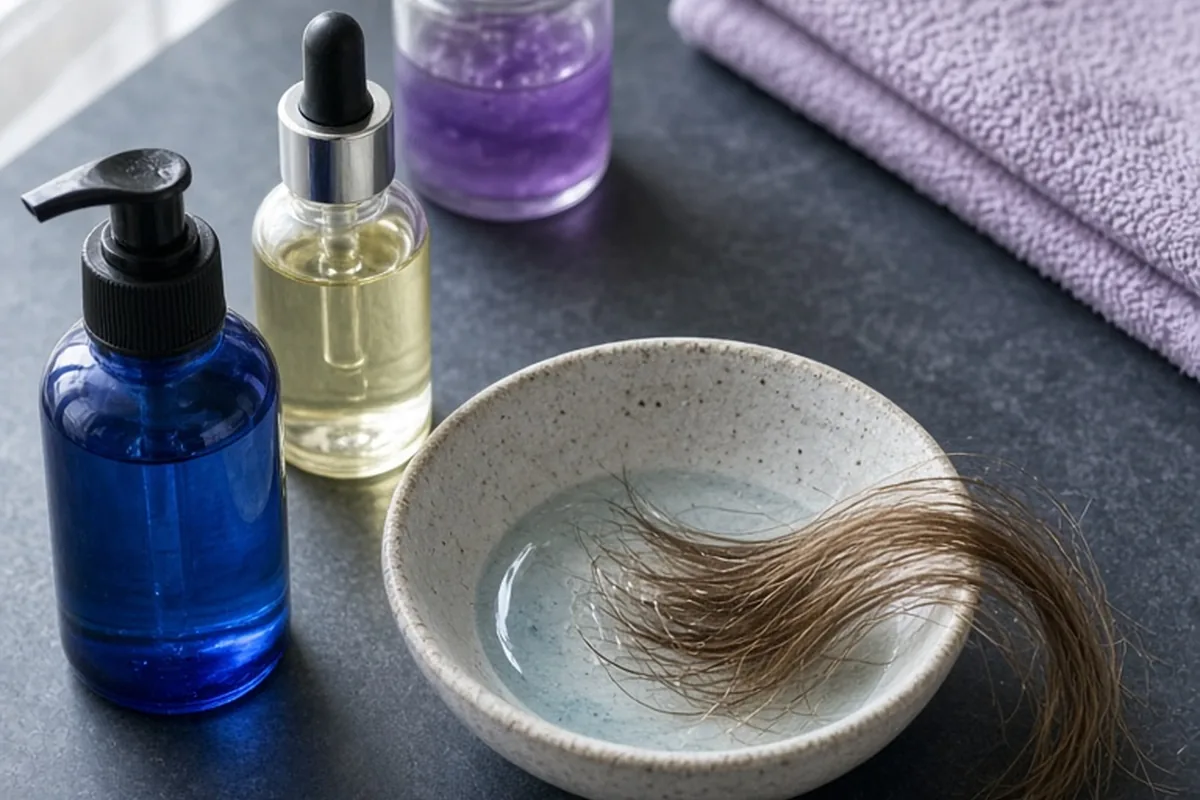
Caring for fine hair with high porosity requires balancing rapid moisture loss against the risk of heavy product buildup. Because individual strands have a narrow diameter and raised, open cuticles, they absorb water quickly but dry out almost immediately. The solution is using lightweight, water-based hydrators alongside hydrolyzed proteins to fortify strand structure, sealed with featherweight oils like squalane or argan rather than dense plant butters.
Navigating hair care when your strands are both delicate in diameter and quick to lose moisture often feels like solving a contradictory puzzle, but targeted routines make lasting hydration and natural volume entirely achievable.
Understanding How High Porosity Interacts with Fine Strand Diameter
Hair porosity describes how easily your hair cuticles open and close to absorb or release water, while strand diameter describes the actual thickness of an individual fiber. When you have fine hair, each strand contains less internal cortex material and has a narrower cross-section than medium or coarse hair. High porosity means the protective outer cuticle layer is chipped, lifted, or worn down, either from genetic texture patterns, mechanical wear, heat styling, or chemical lightening. When these two traits combine, hair behaves like an ultra-absorbent sponge that holds very little structural mass. It takes in water or liquid products instantly in the shower, yet it loses that moisture just as rapidly to the surrounding air once you step out.
Most generic advice for high porosity textures assumes the hair is coarse, thick, or tightly coiled, routinely recommending thick shea butters, heavy castor oils, and viscous leave-in puddings. For fine hair, that approach leads to immediate failure. A dense oil or butter clings to the narrow strand, causing individual fibers to clump together under the weight, flattening volume at the roots and leaving lengths looking stringy or greasy within hours. At the same time, because the hair cuticles remain compromised beneath that heavy layer, the strands can still feel brittle and snap under tension. Successfully managing this combination means looking for products that fill cuticle gaps and deliver water without coating the strand in non-evaporating weight.
High Porosity Fine Hair: Ingredients to Seek and Ingredients to Skip
Formulation matters far more than marketing claims when shopping for fine, high-porosity strands. Your primary goal is finding humectants that draw moisture into the cortex and film-forming hydrators that smooth down the lifted cuticle without depositing heavy residue. Look for ingredients such as aloe vera leaf juice, vegetable glycerin, sodium PCA, and panthenol (provitamin B5). Panthenol is particularly valuable because it can penetrate the cuticle layer to help the strand retain moisture while imparting a subtle plumping effect to fine hair shafts. Hydrolyzed proteins—including hydrolyzed silk, hydrolyzed wheat, keratin amino acids, and hydrolyzed quinoa—are critical because their smaller molecular size allows them to temporarily adhere to gaps in the cuticle, creating a smoother exterior surface and boosting tensile strength.
Conversely, you will want to avoid raw or unrefined heavy lipids that are difficult to wash out without harsh detergents. Heavy cocoa butter, unrefined shea butter, castor oil, petrolatum, and pure coconut oil frequently sit on top of fine hair, creating an occlusive barrier that repels water during subsequent washes while dragging down body. If you use sealing oils, choose featherweight options with high spreadability, such as hemi-squalane, plant-derived squalane, fractionated coconut oil (caprylic/capric triglyceride), or cold-pressed jojoba oil used in micro-doses. Furthermore, watch out for drying short-chain alcohols like alcohol denat, isopropyl alcohol, or ethanol in high concentrations near the top of ingredient lists, as they strip the limited lipid layer fine cuticles possess and accelerate moisture loss.
Reframing the LOC Method for Fine Textures
The traditional Liquid-Oil-Cream (LOC) or Liquid-Cream-Oil (LCO) routine is widely celebrated for sealing moisture into porous hair, but layering thick creams and raw oils will quickly compromise fine hair. Instead, fine high-porosity strands benefit from a modified liquid-protein-light seal sequence that prioritizes fluid consistencies. Begin by applying your liquid foundation immediately after washing while hair is evenly damp. Rather than a plain water spray, use a lightweight leave-in conditioning mist formulated with water, humectants, and amino acids. Mists disperse smaller droplets across fine hair, ensuring uniform coverage without saturating any single patch of strands.
For your second layer, bypass heavy leave-in creams in favor of a hydrating serum, fluid milk, or lightweight curl cream that uses emulsified light oils. Smooth this product over the mid-lengths and ends using gentle downward strokes, which helps encourage lifted cuticle scales to lie flat rather than roughing them up. To finish, avoid pouring raw oils directly onto your palms. Instead, dispense one to two drops of squalane or a light silicone-based serum, rub your hands together until barely a sheen remains, and lightly graze your palms over the very ends of your hair. This locks in the water-based layer and reduces moisture evaporation throughout the day without overwhelming the hair's natural bounce.
Building a Low-Buildup Wash Day Routine
Wash day routines for fine, porous hair must address two competing realities: the need to clean away product residue that deflates volume, and the need to preserve the delicate structural integrity of the fiber. Co-washing—cleansing solely with a conditioning product—rarely works well long-term for fine hair because cleansing conditioners leave conditioning agents behind that accumulate quickly on narrow strands. Instead, use a gentle, sulfate-free shampoo formulated with mild surfactants such as cocamidopropyl betaine or sodium lauroyl methyl isethionate. Focus lathering strictly on your scalp and root area, allowing the rinse water to gently carry suds through the porous mid-lengths and ends without scrubbing the fiber directly.
Incorporate a clarifying or chelating shampoo every three to four weeks, especially if you use leave-in styling products or live in an area with hard water. High porosity cuticles trap mineral ions like calcium and magnesium, which turn hair stiff, dull, and prone to breakage. After shampooing, apply a rinse-out conditioner containing both moisture and light proteins. Work it thoroughly through the lower two-thirds of your hair, gently detangling with a wide-tooth comb or flexible wet brush while the conditioner provides slip. Finish your rinse with cool or lukewarm water. While cold water does not completely seal cuticles as popular myth suggests, cooler temperatures prevent the excessive strand swelling that hot water causes in porous hair.
Managing Protein-Moisture Balance and Structural Elasticity
Fine hair is naturally vulnerable to snapping because its inner structural core is slender, and high porosity means the protective outer armor is compromised. To keep these strands resilient, you must establish a deliberate balance between moisture, which provides softness and flexibility, and protein, which provides rigidity and tensile strength. If fine, porous hair receives only moisturizing emollients without protein, it can develop hygral fatigue—a state where strands become overly elastic, stretch excessively when wet without springing back, feel mushy or gummy, and refuse to hold a wave, curl, or blowout.
Conversely, using concentrated reconstructive protein treatments too frequently causes fine strands to become brittle, stiff, and scratchy, snapping under ordinary brushing. To gauge what your hair requires, perform a gentle wet elasticity check on a single shed strand. Clean the strand of styling product, hold it between both thumbs and forefingers, and slowly pull. Healthy hair will stretch slightly and return to its original length when released. If it snaps immediately with zero give, prioritize deep conditioning with humectants and softening lipids. If it stretches endlessly like a worn rubber band and breaks without snapping back, incorporate a treatment containing hydrolyzed keratin, collagen, or plant amino acids into your routine every two to three weeks until structural integrity returns.
Drying and Styling Methods That Prevent Cuticle Wear
How you handle wet fine hair directly dictates whether your cuticles remain relatively smooth or deteriorate further. Hair is at its most fragile when saturated with water, as the temporary hydrogen bonds that give the fiber strength are broken. Never vigorously rub your hair with a standard terry cloth towel; the raised loops snag delicate cuticles, exacerbating porosity and causing instant frizz. Instead, gently squeeze excess water out using a smooth microfiber towel or a clean cotton T-shirt. Blotting and pressing gently removes water without creating friction along the strand exterior.
When it comes to drying, letting high-porosity fine hair air-dry completely can actually cause extended damage because the hair stays swollen with water for an extended period, stressing the cell membrane complex. A balanced approach works best: apply a lightweight, heat-protectant spray containing film-forming polymers like polyquaternium compounds, allow the hair to air-dry halfway, and finish with a blow dryer on low-to-medium heat with a diffuser or concentrator nozzle pointing down the hair shaft. The downward airflow encourages cuticles to lie flat. If styling wavy or curly textures, use a lightweight mousse or liquid styling foam rather than heavy styling gels to provide hold and lock in moisture without dragging the pattern down.
Daily Protection and Environmental Friction Defense
Because fine, high-porosity hair absorbs and releases moisture dynamically throughout the day, environmental shifts can quickly disrupt your style. On high-humidity days, open cuticles absorb ambient atmospheric water vapor, causing strands to swell unevenly and styles to collapse into frizz. On dry, low-humidity days or in climate-controlled indoor spaces, the surrounding dry air pulls moisture out of your hair shaft, leaving ends feeling parched. To defend against this, incorporate leave-in sprays that utilize light, breathable film formers or polyquaternium ingredients that act as protective shields, moderating moisture exchange between the strand and the atmosphere.
Mechanical friction during sleep is another major contributor to continuous cuticle loss on fine hair. Resting your head on a standard cotton pillowcase creates drag every time you shift positions, roughing up the cuticle layer and stripping your hair of fragile moisture reserves. Sleeping on a satin or silk pillowcase allows fine strands to glide smoothly without snagging. If your hair is long enough to tangle overnight, secure it in a loose, high bun using a silk or satin scrunchie—often called a pineapple style—which protects both the ends and the cuticle surface from nighttime flattening and friction.
Frequently asked questions
Can high porosity fine hair become low porosity over time?
Once hair fiber grows past the scalp, it is non-living tissue, meaning damaged cuticles cannot biologically heal themselves. However, new hair growing at your roots will emerge with its natural porosity, and using protein-rich film formers can temporarily patch damaged areas on existing lengths. Gentle handling and minimizing chemical treatments will allow newly grown hair to retain lower porosity over time.
Is coconut oil beneficial for fine, high-porosity hair?
Pure coconut oil has a high concentration of lauric acid, which penetrates deep into the hair shaft and bonds with internal proteins. For fine hair, this deep penetration can cause strands to feel brittle, stiff, or excessively oily if overused. If you want to use coconut oil, opt for products where it is formulated in very low concentrations or blended into lightweight leave-in conditioners rather than applying raw oil directly.
How often should fine hair with high porosity be washed?
Most people with fine, high-porosity hair achieve the best balance by washing two to three times per week. Washing too frequently can strip natural lipids and cause mechanical swelling stress, while waiting too long allows sebum and lightweight stylers to accumulate, flattening fine strands at the root.
Why does my fine hair feel dry even after applying leave-in conditioner?
If your hair feels dry shortly after moisturizing, the moisture is likely evaporating into the surrounding air due to lifted cuticles, or previous product buildup is preventing water from penetrating the shaft. Try using a gentle clarifying wash followed by a lightweight leave-in mist sealed with one or two drops of squalane oil to lock hydration inside the hair fiber.
Your next step
Assess your current styling lineup and replace any heavy raw butters or thick oils with a hydrolyzed protein mist and a featherlight sealing oil like squalane on your next wash day.