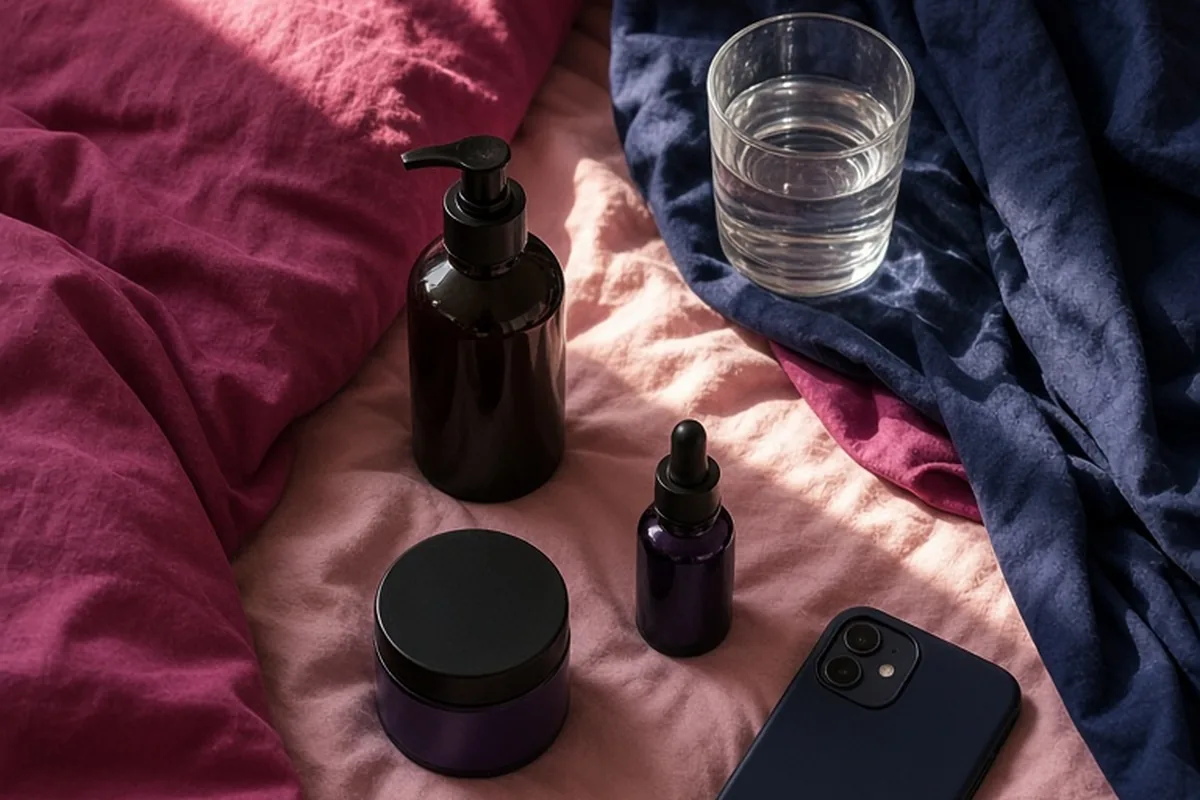
Managing high porosity hair involves budgeting for rich moisturizing agents, protein rebuilders, and occlusive sealants that help open cuticles retain hydration. Upkeep expenses depend on hair length, density, wash frequency, and whether you choose drugstore staples or salon-grade formulas. Because highly porous strands lose moisture quickly, maintenance focuses on layered hydration techniques, regular deep conditioning, and protective styling to reduce frequent reapplication and avoid product waste over time.
High porosity hair features raised or compromised cuticle layers that absorb water effortlessly but struggle to hold onto that hydration. This structural characteristic changes both the physical demands of your wash day and the financial reality of maintaining healthy, supple strands over time.
Why High Porosity Hair Consistently Demands More Product
The biological structure of high porosity hair dictates how quickly products are absorbed and depleted. When the outer cuticle layer has wide gaps, moisture from water, leave-in conditioners, and creams enters the cortex immediately. However, without a tight external barrier, that same moisture evaporates rapidly into the surrounding air. As a result, individuals with highly porous strands often find themselves reapplying hydration far more frequently than those with low or medium porosity hair, which directly increases product consumption rates.
Texture, strand thickness, and overall density compound this consumption. Coarse, high porosity curls or coils absorb substantial amounts of product before reaching adequate saturation, meaning bottles of conditioner and styling butter empty much faster. Even fine high porosity hair, which requires lighter formulations to avoid weighed-down strands, requires consistent layering to keep moisture sealed inside the strand. Recognizing that porosity drives volume of use allows you to plan your purchases around realistic replenishment cycles rather than standard manufacturer recommendations.
Core High Porosity Hair Products That Form Your Regular Budget
Building a dependable routine requires investing in distinct functional product categories rather than relying on a single all-in-one bottle. A balanced high porosity regimen typically requires a gentle, sulfate-free moisturizing shampoo, a high-slip rinse-out conditioner, a penetrating deep conditioning mask, a water-based leave-in conditioner, a rich styling cream, and a sealing oil or butter. Because each product performs a specific mechanical role in opening, treating, or sealing the cuticle layer, skipping a category often results in dryness and increased breakage.
Your ongoing financial outlay will largely be determined by how you balance high-turnover items against long-lasting staples. Cleansers, rinse-out conditioners, and daily leave-in sprays are consumed rapidly and need frequent restocking. Conversely, heavy sealing butters, pure plant oils, and concentrated protein treatments are applied sparingly and can last several months. Segmenting your shopping list into high-frequency and low-frequency purchases helps you allocate funds effectively without facing unexpected wash-day shortages.
Evaluating High Porosity Ingredients to Balance Quality and Expense
Understanding ingredient labels is the most reliable way to avoid paying premium prices for ineffective formulations. High porosity strands benefit from ingredients categorized into humectants, emollients, proteins, and occlusives. Humectants such as aloe vera, vegetable glycerin, and panthenol draw water into the fiber. Hydrolyzed proteins—including hydrolyzed wheat, silk, keratin, or quinoa—temporarily fill structural gaps in the cuticle sheath to reinforce strength. Emollients and occlusives like shea butter, murumuru butter, castor oil, and jojoba oil create an external film that prevents water loss.
Price does not always correlate with ingredient efficacy. Drugstore brands frequently utilize identical primary conditioning agents, such as cetearyl alcohol, behentrimonium methosulfate, and natural plant oils, as luxury salon counterparts. Premium lines often distinguish themselves through proprietary botanical blends, refined fragrances, higher concentrations of active proteins, or specialized cold-pressed oils. To manage your budget, prioritize spending on concentrated deep conditioners and specialized leave-in creams where formulation quality directly impacts moisture retention, while choosing accessible, economical options for basic cleansers.
Application Methods That Prevent Waste and Lower Upkeep Costs
The technique used to apply high porosity hair products influences how much product you use per wash cycle. Applying heavy creams to dry or damp hair often leads to uneven distribution and product overload, prompting you to use excessive amounts to feel adequate coverage. Instead, applying leave-in products to soaking wet hair allows the existing water to act as a carrier, distributing a smaller amount of cream evenly across sections while trapping essential moisture inside the strand structure.
Layering methods such as the Liquid-Oil-Cream or Liquid-Cream-Oil approach maximize retention and extend the lifespan of each wash day. By applying a water-based liquid first, followed by an emollient cream to soften the cuticle, and finishing with an occlusive oil to seal the exterior, moisture remains trapped for several days. This extended retention reduces the need for mid-week re-misting and restyling, cutting your weekly product usage substantially.
Professional Salon Treatments Compared to At-Home Maintenance
Deciding between in-salon professional services and at-home maintenance is a primary financial consideration for high porosity hair care. Professional treatments, such as standalone bond-building services, salon steam hydration, and customized protein glazes, offer intensive reparative benefits performed by licensed stylists with commercial-grade equipment. These services provide noticeable structural reinforcement, particularly for hair compromised by chemical processing, bleach, or severe heat damage.
However, salon treatments represent a recurring service expense that must be weighed against consistent at-home care. A disciplined home routine utilizing quality reconstructive masks, thermal heat caps, and proper sealing techniques can maintain structural integrity between salon visits. For many individuals, reserving professional appointments for quarterly check-ins or chemical services while handling weekly conditioning at home provides an optimal balance between hair health and financial sustainability.
Daily and Weekly Upkeep Habits That Extend Moisture Retention
Maintaining high porosity hair goes beyond the products applied in the shower; daily physical maintenance directly influences how long products remain effective on the hair shaft. Environmental friction from cotton pillowcases, wool collars, and dry interior heating strips moisture rapidly, forcing more frequent product reapplication. Incorporating satin or silk bonnets, pillowcases, and scrunchies prevents surface friction and preserves the delicate lipid layer established during your styling routine.
Protective and low-manipulation styling also plays a significant role in reducing upkeep demands. Styles such as two-strand twists, braids, flat twists, or gentle buns tuck the vulnerable ends of the hair away from dry air and physical abrasion. When ends are protected, moisture stays locked within the hair bundle, allowing a single styling session to last one to two weeks with only minimal daily oiling or light water misting rather than full restyling.
How to Audit Your Hair Care Routine to Reduce Recurring Expenses
Performing a periodic routine audit prevents the accumulation of unused bottles and streamlines your recurring expenses. Begin by cataloging every product currently in your rotation, categorizing them by purpose: cleansing, conditioning, strengthening, moisturizing, and sealing. If you possess multiple products serving the exact same mechanical purpose, use them completely before purchasing new items to prevent product expiration and wasted money.
Next, track how many weeks each product size lasts based on your wash frequency and hair length. This tracking identifies which formulas provide the best yield relative to their container size. Purchasing staple products in professional or family-sized bulk containers often lowers the unit cost over time. Additionally, identifying multi-use products—such as a rinse-out conditioner that also functions effectively as a leave-in base or co-wash—allows you to consolidate your routine into fewer, higher-performing essentials.
Frequently asked questions
How often does high porosity hair need deep conditioning?
High porosity hair typically benefits from deep conditioning once every week or every other week, depending on exposure to heat, styling manipulation, and environmental dryness. Alternating between moisture-rich masks and balanced protein treatments helps maintain elasticity while reinforcing compromised cuticle layers.
Can high porosity hair ever become low porosity?
Hair that is naturally high porosity due to genetics will retain that structural pattern as new growth emerges from the scalp. However, hair rendered highly porous through chemical processing, bleach, or thermal damage can regain smoother surface characteristics over time as damaged lengths are trimmed away and replaced by healthy, well-maintained growth.
What is the best way to prevent high porosity hair from drying out overnight?
Protecting strands overnight requires sealing ends with an emollient butter or oil before sleeping under a satin or silk bonnet or resting on a smooth silk pillowcase. Loosely gathering hair into a high pineapple or loose twists prevents tangling and stops absorbent cotton bedding from wicking away moisture.
Are expensive salon-grade leave-in conditioners necessary for high porosity hair?
Salon-grade leave-ins are not strictly necessary, as many accessible drugstore options contain effective hydrating and conditioning agents. However, professional formulas may offer finer emulsions, higher concentrations of reparative proteins, and specialized slip that make daily detangling and moisture retention easier for severely damaged hair.
Your next step
Review your current hair products, identify any redundant bottles, and establish a consistent weekly wash and deep conditioning routine using the Liquid-Oil-Cream layering method to maximize moisture retention.