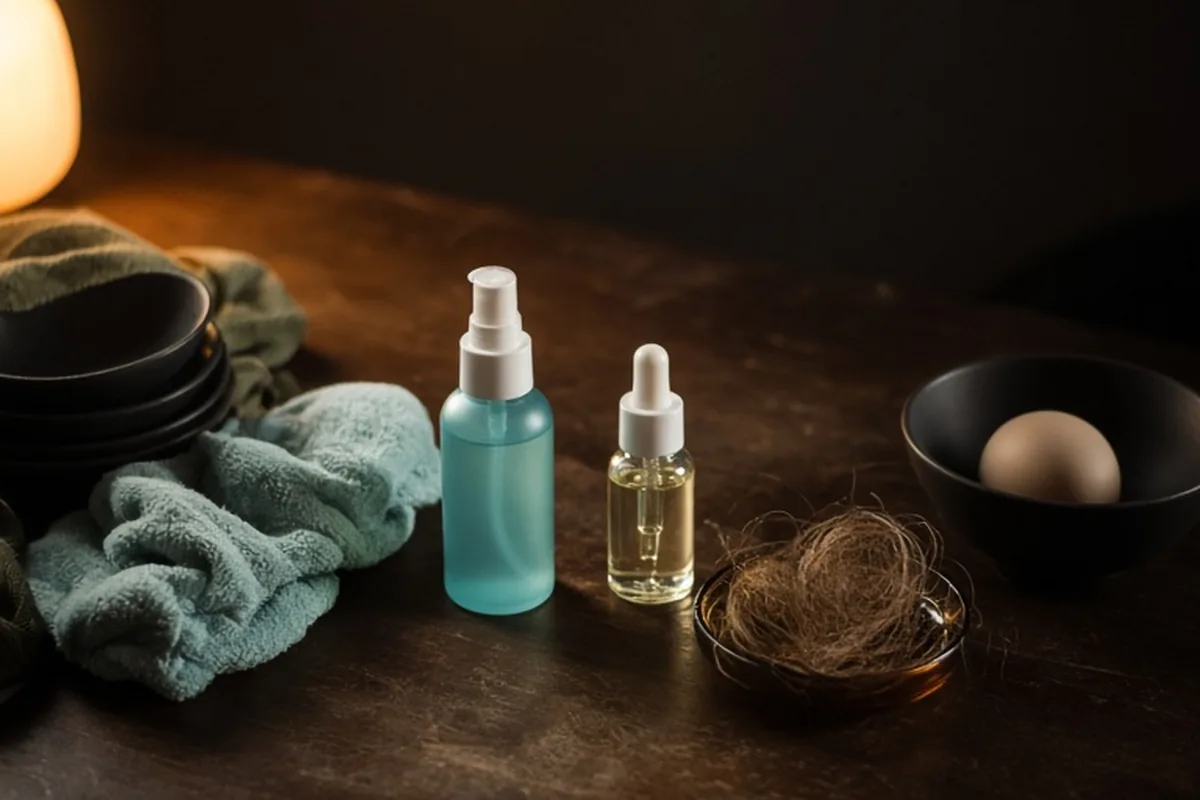
The most effective high porosity hair products for fine hair combine rapid moisture absorption with lightweight structural support. Look for water-based leave-in conditioners containing hydrolyzed proteins (such as silk, keratin, or quinoa), gentle sulfate-free or chelating shampoos that cleanse without stripping, and featherweight sealants like jojoba, squalane, or argan oil. Avoid dense butters, heavy silicones, and thick mineral oils, which quickly overload fine strands and create a greasy, flattened appearance.
Caring for fine hair that also possesses high porosity presents a delicate balancing act between repairing structural gaps in the cuticle and preserving natural volume.
The Unique Tension Between High Porosity Cuticles and Fine Hair Strands
High porosity hair occurs when the outer protective layer of the strand, known as the cuticle, is raised, chipped, or naturally loose. This structural state allows moisture to enter the cortex almost immediately when wet, but it also means that hydration evaporates just as quickly. When high porosity is paired with fine strand diameter, the challenges multiply. Fine hair has a smaller cortex and often lacks a central medulla, meaning it possesses less internal mass and structural rigidity than medium or coarse strands. Consequently, environmental friction, mechanical detangling, and moisture fluctuations cause fine, porous strands to snap easily while struggling to hold a style.
Standard high porosity advice frequently recommends heavy raw butters, rich creams, and occlusive pastes designed to fill wide cuticle gaps. While these dense formulations work well for thick, coarse textures, they quickly overwhelm fine hair. The weight of heavy emollients collapses the strand's natural bounce, leaving hair looking stringy, greasy, and limp by midday. Successfully treating fine, porous hair requires changing the mechanical objective: instead of coating the outside of the strand in heavy occlusives, the goal is reinforcing the internal structure with micro-sized proteins and delivering water-binding humectants sealed by ultra-light botanical lipids.
Hydrolyzed Protein Treatments and Bond Builders for Fine Strands
Protein treatments are essential for high porosity hair because they temporarily patch the microscopic fissures and gaps along the damaged hair shaft. For fine hair, the molecular weight of the protein is the decisive factor. Large, unhydrolyzed proteins sit on top of the strand and cause fine hair to become stiff, brittle, and prone to snapping. In contrast, hydrolyzed proteins—such as hydrolyzed silk, hydrolyzed wheat, hydrolyzed keratin, and hydrolyzed quinoa—have been broken down into small amino acid chains that can integrate into the cuticle architecture without adding dead weight.
When selecting a protein-rich reconstructor, look for liquid mists, gelatinous masks, or light rinse-out rinses rather than thick, lipid-heavy creams. Incorporate these products into a routine once every two to three weeks, or alternate them with moisture-focused washes depending on how porous your hair is. Bond-building formulations that utilize synthetic active ingredients to reform broken disulfide bonds also provide tremendous value for fine, chemically processed, or heat-damaged high porosity hair. Because bond builders work on internal chemical linkages rather than depositing conditioning coatings on the cuticle surface, they deliver tensile strength without sacrificing movement or volume.
Cleansers That Remove Buildup Without Stripping the Cuticle Layer
Fine, high porosity hair requires a strategic approach to shampooing. Because the cuticles are already lifted, harsh surfactants like sodium lauryl sulfate can excessively dry out the cortex and exacerbate frizz. However, avoiding thorough cleansing altogether leads to rapid buildup, as fine strands cannot support accumulated styling residues or natural scalp sebum. The ideal everyday or regular cleanser is a gentle, sulfate-free shampoo formulated with mild surfactants such as cocamidopropyl betaine, sodium cocoyl isethionate, or decyl glucoside, which clear debris while keeping the cuticle relatively smooth.
In addition to regular gentle washing, fine hair benefits greatly from a targeted clarifying or chelating shampoo used once or twice a month. High porosity cuticles tend to trap mineral deposits from hard water and product residue deep within their raised scales. When minerals like calcium, magnesium, or iron latch onto porous strands, hair becomes dull, stiff, and unable to absorb conditioning agents. A lightweight chelating rinse dissolves these stubborn mineral bonds, refreshing the strand surface so subsequent lightweight leave-in products can penetrate cleanly.
Selecting High Porosity Hair Products for Fine Hair: Conditioners and Leave-Ins
Rinse-out conditioners and leave-in hydrators for this hair profile should focus on water-soluble humectants, mild fatty alcohols, and lightweight conditioning agents that improve wet slip without lingering heaviness. Look for rinse-out conditioners containing cetyl alcohol, stearyl alcohol, or behentrimonium methosulfate. These ingredients lubricate the strands and ease detangling while rinsing away cleanly with warm water, leaving no residual waxy film on fine cuticles.
For leave-in conditioning, liquid spray formulas and lightweight milky emulsions consistently outperform heavy creams and tubed lotions. Ingredients such as panthenol (pro-vitamin B5), glycerin, sodium PCA, and aloe vera juice draw ambient moisture toward the strand and support flexibility. When applying leave-in products, spray them into your palms first or mist them through the mid-lengths and ends from an arm's length away. This application method prevents localized saturation at the roots, ensuring that moisture is distributed evenly where cuticles are most vulnerable.
Featherweight Sealing Oils and Botanical Esters
Because high porosity hair loses moisture quickly through evaporation, sealing the strand after applying a water-based leave-in is a critical step. However, classic hair oils such as castor oil, coconut oil, and raw shea butter are too dense and viscous for fine strands, causing individual hairs to clump together into flat sections. Instead, fine high porosity hair thrives on lightweight oils with high spreadability and smaller molecular dimensions that lay the cuticle down smoothly.
Plant-derived squalane is one of the most effective sealing agents for fine strands due to its weightless feel, non-greasy finish, and exceptional ability to prevent trans-epidermal and trans-follicular water loss. Jojoba oil, which closely mimics the molecular composition of human sebum, provides another excellent option that softens rough cuticle edges without suffocating the hair. Argan oil, camellia seed oil, and meadowfoam seed oil also offer high slip and light protection. To apply, dispense only one to three drops across your palms, rub them together to warm the oil, and lightly smooth your hands over damp, conditioned hair.
Application Methods, Layering Order, and pH Balancing
The order in which you apply products determines how well fine, porous hair retains moisture throughout the day. A modified Liquid-Oil-Cream (LOC) approach—often restructured as Liquid-Cream-Oil (LCO) or simply Liquid-Oil—works best. Start on damp, towel-blotted hair using a micro-mist spray leave-in (Liquid). If your ends are particularly brittle, work a pea-sized amount of a lightweight lotion (Cream) strictly through the bottom two inches. Finally, seal the cuticle with two drops of a featherweight botanical oil (Oil). Applying products in this sequence traps hydrating molecules under a thin protective barrier before moisture can evaporate.
Managing product pH is equally vital for high porosity care. The natural pH of hair and the scalp rests in an acidic range between 4.5 and 5.5. Highly alkaline environments force the cuticle wide open, whereas mildly acidic products encourage the cuticles to contract and lie flat against the shaft. Seek out leave-in products, sealants, and apple cider vinegar rinses that explicitly note a balanced, slightly acidic pH. Flattening the cuticle via pH control seals in hydration, boosts light reflection for superior shine, and reduces tangling during daily wear.
Ingredients to Limit or Avoid on Porous, Delicate Strands
Navigating product labels requires vigilance to prevent accidental buildup and breakage. Dense occlusives top the list of ingredients to minimize: unrefined shea butter, cocoa butter, petrolatum, and heavy mineral oils are difficult to remove from fine hair without aggressive cleansing agents, which restart the cycle of dryness and cuticle damage. Similarly, non-water-soluble silicones like dimethicone in high concentrations can create an impenetrable synthetic layer that repels hydration while flattening the strand.
Exercise caution with high-hold, alcohol-laden styling foams, gels, and aerosol lacquers. Simple alcohols like alcohol denat, isopropyl alcohol, and ethanol cause rapid moisture loss, leaving high porosity hair feeling straw-like and brittle. When seeking volume or hold, opt for polyquaternium-based mousses, flaxseed extract liquids, or texturizing sprays that use natural starches and hydrating film-formers rather than dehydrating drying agents.
Frequently asked questions
How often should I use protein treatments on fine, high porosity hair?
Most fine, high porosity hair benefits from a gentle, hydrolyzed protein treatment every two to three weeks. If your strands feel mushy or overly stretchy when wet, increase frequency slightly; if they begin to feel stiff or rough, pause protein use and focus on lightweight hydration.
Can I use hair oils if my fine hair gets greasy easily?
Yes, provided you choose ultra-lightweight oils like plant squalane, jojoba, or hemi-squalane. Use no more than one to two drops, distribute the oil thoroughly between your palms, and apply exclusively to the mid-lengths and ends rather than near the scalp.
Does high porosity hair need to be washed every day?
Not necessarily. While high porosity hair absorbs water quickly, daily washing can strip natural lipids from fine strands. Aim to wash two to three times per week using a mild, sulfate-free cleanser, adjusting based on your scalp's natural oil production and activity level.
Your next step
Inspect your current hair product labels today to remove heavy butters or drying alcohols, and replace your thickest cream with a hydrolyzed protein mist and two drops of squalane oil.