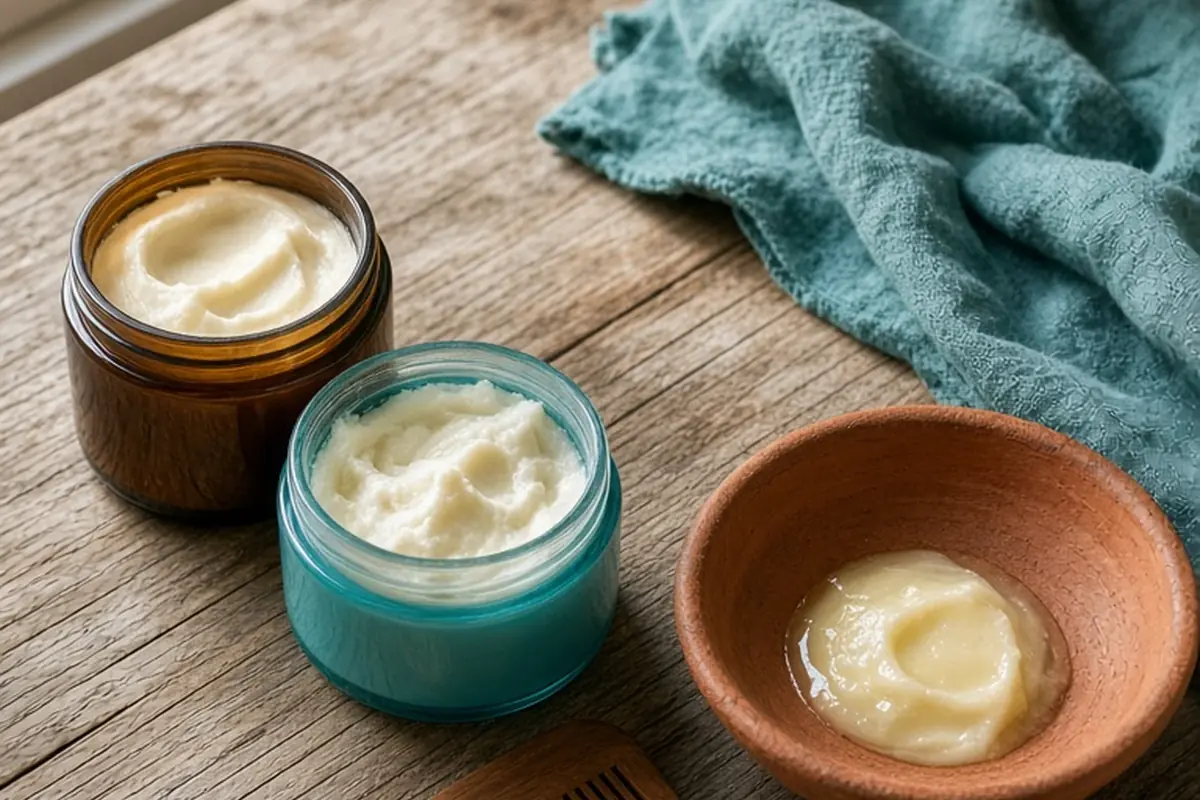
The most critical high porosity hair products mistakes to avoid include relying entirely on lightweight humectants without occlusive sealants, overloading strands with frequent protein reconstructors, applying heavy oils to bone-dry hair, and washing with harsh high-pH shampoos. Because high porosity hair features lifted, chipped cuticles, moisture absorbs rapidly but evaporates just as fast. Protecting vulnerable strands requires gentle low-pH cleansing, water-first hydration layers, and rich lipid-based emollients like shea butter or plant oils to physically seal the hair shaft.
Managing high porosity hair often feels like trying to fill a bucket with a hole in the bottom. Water and conditioners absorb almost instantly, yet within a few hours, strands become parched, brittle, and prone to matting. When popular products leave your hair frizzy or unmanageable, the problem is rarely an absence of moisture; it usually comes down to incompatible formulas and application sequences that fail to protect fragile, open cuticles.
Mistaking Humectants for Complete Cuticle Sealers
Humectants such as glycerin, propylene glycol, sodium PCA, and aloe vera juice are celebrated for their ability to draw water vapor out of the environment and deposit it into the hair cortex. While humectants play an essential role in initial hydration, relying on them as standalone leave-in styling products is a major misstep for high porosity hair. Because high porosity cuticles remain perpetually raised or damaged, humectants create an open channel for moisture to travel in both directions. In dry climates, these ingredients pull moisture directly out of the inner cortex and release it into the arid air, creating immediate brittleness and a straw-like texture.
Conversely, in humid environments, unprotected humectants draw excessive atmospheric moisture into the hair shaft, causing rapid swelling and severe hygral fatigue. The resulting cuticle expansion leads to intense frizz, tangling, and weakened structural bonds. To prevent this moisture loss and swelling cycle, humectant-based products must be applied to wet hair and promptly anchored with an emollient film. Formulations containing plant butters, silicones like amodimethicone, or lipid-dense fatty alcohols act as physical gates across the raised cuticle scales. When checking ingredient decks, verify that your leave-in treatment pairs humectants with protective lipid agents rather than presenting water-attracting ingredients alone.
Overloading High Porosity Hair with Frequent Protein Treatments
Because high porosity hair frequently results from chemical bleaching, permanent coloring, heat tools, or weathering, strands suffer from structural fissures where keratin proteins have chipped away. Restorative protein conditioners featuring hydrolyzed keratin, wheat protein, silk amino acids, or collagen help bridge these microscopic gaps temporarily, providing much-needed tensile strength and elasticity. However, many individuals mistakenly assume that if occasional protein is beneficial, using it constantly is even better. Daily application of protein-heavy leave-in sprays, deep conditioners, and stylers quickly saturates the cuticle, creating a rigid, unyielding shell around the hair fiber.
When protein overload occurs, hair loses its natural flexibility and becomes remarkably stiff, snapping easily during standard finger detangling or brushing. To avoid this common pitfall, differentiate between occasional structural treatments and everyday moisturizing products. Reserve intensive reconstructors or bond-building formulas for monthly or bi-weekly use, depending on how frequently you apply heat or chemical dyes. For daily maintenance, prioritize pure moisture formulas containing cetyl alcohol, stearyl alcohol, and plant extracts. If your strands feel brittle or crunch when compressed, pause all protein-containing products immediately and clarify gently, followed by two consecutive deep-moisturizing sessions to restore elasticity.
Applying Heavy Oils and Butters Directly to Dry Strands
One of the most widespread myths in textured and dry hair care is that pure oils and raw butters function as moisturizers. Plant oils such as olive, coconut, and castor oil, as well as raw shea or mango butter, contain zero water molecules. They are strictly occlusive or lubricating lipids that form a hydrophobic boundary layer over the cuticle. When someone with high porosity hair applies these dense products directly to parched, unwashed hair, the oil acts as a barrier that seals ambient moisture out rather than locking hydration in.
The consequence of oiling dry hair is a misleading greasy exterior masking an intensely dehydrated, snapping interior. To properly hydrate porous strands, application order is paramount. You must introduce moisture first through clean water or a water-based leave-in conditioner where water is listed as the primary ingredient. Once strands are thoroughly saturated with water and slip-providing conditioning agents, apply an emollient cream, and finally seal the ends with a modest amount of oil or butter. This structured layering approach ensures that the moisture trapped beneath the occlusive shield is genuine water rather than surface grease.
Stripping Porous Cuticles with High-pH Clarifying Shampoos
High porosity hair requires regular cleansing to remove accumulated styling butters and leave-in products, but reaching for traditional clarifying shampoos can cause significant damage. Standard clarifying washes often rely on harsh anionic detergents like sodium lauryl sulfate and possess a neutral or alkaline pH balance. Alkaline environments force the hair outer cuticle shingles to flare outward even further, stripping away the fragile lipid layer that protects the inner cortex. For hair that already struggles with lifted cuticles, this aggressive washing process leads to intense friction, knots, and widespread breakage.
Instead of subjecting porous strands to harsh clarifying formulas every week, choose sulfate-free, low-lather cleansers or moisturizing shampoos formulated with an acidic pH between 4.5 and 5.5. A mildly acidic wash environment encourages lifted cuticle scales to contract and lie closer to the hair shaft, smoothing the surface while detangling. Reserve clarifying treatments for once or twice a month, and seek out chelating or clarifying products that use gentle surfactant alternatives like decyl glucoside or cocamidopropyl betaine paired with conditioning agents to clean without completely scouring the fiber.
Skipping Acidic Rinses and Cuticle-Closing Formulations
The pH scale dictates much of how hair cuticles behave throughout a wash routine. While water itself generally has a neutral pH near 7.0, municipal tap water can lean alkaline, keeping the cuticles of high porosity strands raised and vulnerable even after conditioning. When individuals skip acidic finishing treatments, the hair shaft remains porous, allowing recently applied conditioners and hydration to wash out or evaporate within hours. This persistent cuticle flaring also prevents hair from reflecting light, causing strands to appear dull, frizzy, and matte.
Incorporating a pH-balancing step at the end of your wash routine significantly enhances moisture retention. A diluted apple cider vinegar rinse prepared with one tablespoon of vinegar to two cups of cool water or an acidic bonding rinse restores the hair surface to its natural acidic baseline of roughly 4.5 to 5.0. Rinsing with cool or lukewarm water rather than steaming hot water also minimizes cuticle swelling. By actively closing the cuticle shingles before applying leave-in products, you create a smoother surface that traps internal hydration and shields the cortex from environmental humidity changes.
Selecting Heavy Sealants That Flatten Fine Porous Strands
A frequent error in product selection is conflating porosity with hair strand thickness. Porosity describes the integrity and alignment of the cuticle layer, whereas texture or strand diameter refers to whether individual hairs are fine, medium, or coarse. Fine high porosity hair features a small diameter and a fragile internal cortex that cannot bear substantial weight. When someone with fine porous curls uses heavy raw shea butter, pure castor oil, or dense petroleum waxes, the weight collapses the natural curl pattern and leaves strands looking greasy, limp, and lifeless.
To nourish high porosity hair without sacrificing body and movement, align product viscosity with strand diameter. Coarse porous hair thrives on dense, viscous sealants like Jamaican black castor oil, murumuru butter, and thick twisting creams that coat the wide circumference of each fiber. Conversely, fine or medium porous hair benefits from featherweight lipid alternatives such as argan oil, squalane, grapeseed oil, or lightweight silicone serums. These lighter oils penetrate and protect the cuticle surface without causing buildup or weighing down fragile strands.
Illustrative Scenarios
Balancing Moisture and Protein in Bleached Curls
Jordan noticed her bleached, high porosity curls felt brittle, rough, and tangled easily despite daily applications of heavy coconut oil and leave-in protein creams. Every wash day left her hair feeling stiff instead of soft. After auditing her routine, Jordan realized she was layering three distinct hydrolyzed protein products while applying heavy oil onto hair that was already half-dry, blocking hydration from entering. She eliminated daily protein treatments, reserving an intensive reconstructor for once a month. She switched to a water-based leave-in conditioner applied immediately to soaking wet hair, followed by a lightweight argan oil to seal the damp cuticle. Within three weeks, Jordan observed reduced breakage, restored curl bounce, and lasting softness between washes.
Key point: Layer water-rich hydrators on damp hair before applying sealants, and restrict concentrated protein treatments to occasional reconstructive maintenance to prevent stiffness.
Frequently asked questions
How can I tell if my hair is high porosity?
High porosity hair absorbs water almost instantly when wet but dries rapidly in ambient air, often within an hour. It tends to tangle easily, feels rough or dry to the touch, and frequently appears dull because lifted cuticle scales diffuse light rather than reflecting it. If chemical coloring or heat styling has compromised your strand integrity, your hair is very likely high porosity.
Can high porosity hair ever become permanently low porosity?
No, existing lengths of high porosity hair cannot permanently transform into low porosity hair because cuticle damage is irreversible once keratin scales chip or wear away. However, consistent use of acidic products, hydrolyzed proteins, and emollient sealants can temporarily patch gaps and smooth the cuticle surface. Any new hair growing from your scalp will emerge with its genetic porosity, unaffected by past damage.
Is coconut oil beneficial for high porosity hair?
Coconut oil can penetrate the hair cortex and help reduce protein loss during washing, making it a valuable pre-shampoo treatment for some porous hair types. However, because it binds closely to hair proteins, using it too frequently on high porosity hair can mimic protein overload, making strands feel stiff or brittle. It works best in moderate rotation rather than as a daily leave-in sealant.
How often should high porosity hair be deep conditioned?
Most people with high porosity hair benefit from deep conditioning once a week or every wash day using formulas rich in fatty alcohols, moisturizing humectants, and moderate emollients. If your hair is chemically processed or heat-damaged, alternating between a moisturizing mask and a mild protein-infused treatment every two to three weeks helps maintain structural balance.
Your next step
Perform an ingredient audit on your current hair products today: verify that your leave-in lists water as the primary ingredient, and replace one harsh daily protein product with a simple water-based moisturizer.