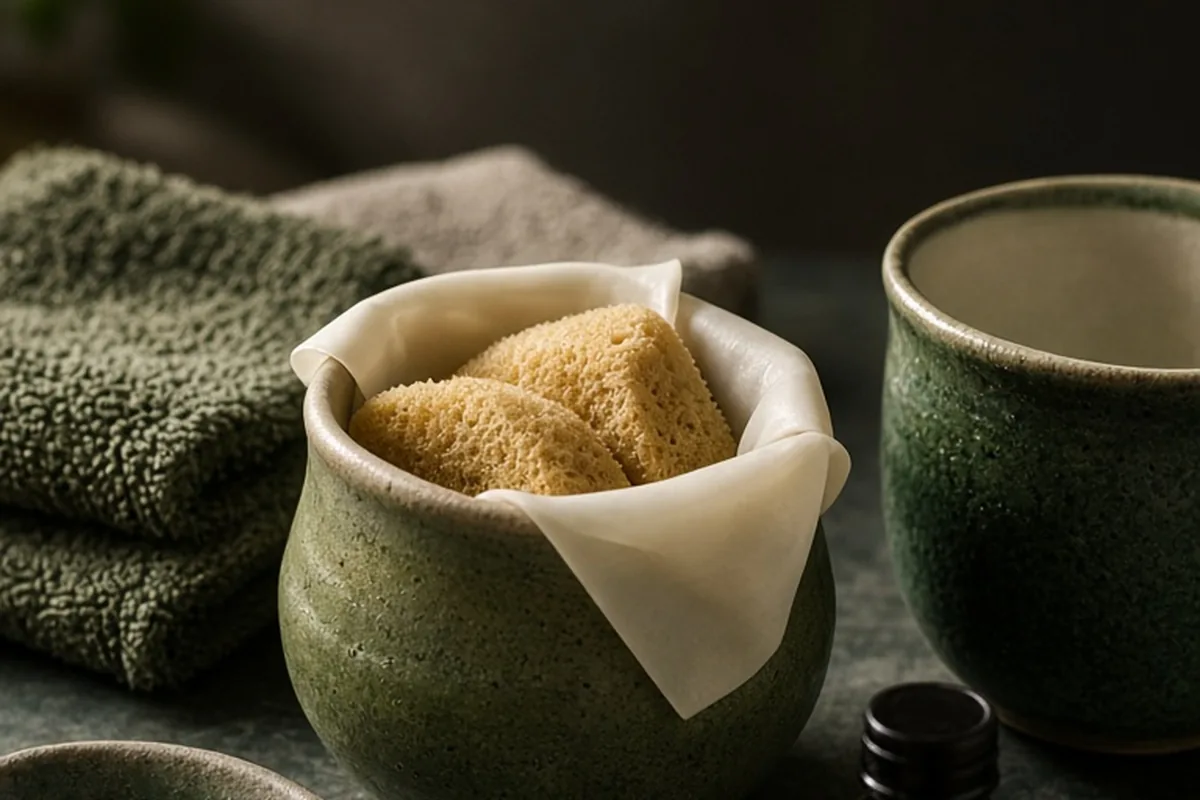
You can safely craft a homemade male masturbation sleeve using clean household items such as soft kitchen sponges, a durable cup or container, and an unpowdered latex or nitrile glove. Place the sponges inside the container, insert the glove between them to create a clean barrier, fold the cuff over the rim, and apply plenty of body-safe, water-based lubricant.
Exploring solo pleasure with household items is a common curiosity, yet navigating safe construction requires careful attention to skin sensitivity, friction, and hygiene.
Understanding Body Safety and Materials to Avoid
Crafting a homemade intimate accessory requires prioritizing skin health and mechanical safety above all else. The skin on the genitals is significantly more delicate, vascular, and prone to micro-tears than skin on other parts of the body. When experimenting with household items, using rigid plastics with sharp seams, abrasive fabrics, or chemically treated materials can quickly lead to irritation, friction burns, or infection. A safe design relies entirely on smooth, non-toxic barriers that isolate delicate tissue from raw household materials.
It is equally critical to avoid dangerous shortcuts that might seem convenient in the moment. Never use items with constrictive bands, rigid rings that do not break easily, glass containers, metal tubes, or unwashed household sponges containing chemical detergents. Similarly, avoid any food products, produce, or kitchen shortening, as these introduce bacteria and disrupt natural skin balance. A thoughtful build uses soft cushioning enclosed within a fresh, non-porous protective layer, paired exclusively with dedicated personal lubricants.
The Classic Sponge and Barrier Method
The most reliable and popular DIY approach involves two soft, brand-new kitchen sponges, a flexible plastic cup or thermal travel mug, and a durable non-powdered glove. Begin by ensuring the container is thoroughly washed with mild soap and warm water. Place two clean, dry sponges vertically inside the cup with their soft sides facing inward toward each other. This creates a gentle channel that provides supportive, even pressure along the entire length of the shaft.
Next, introduce an unpowdered nitrile or latex glove between the sponges with the fingers pointing down toward the base of the cup. Carefully stretch the open wrist cuff of the glove over the outer rim of the container to secure it in place, creating a completely sealed, waterproof lining. Before use, generously coat the interior of the glove opening with water-based lubricant to eliminate friction. The primary limitation of this setup is longevity; because moisture inevitably collects, this design must be treated as a single-session item and discarded immediately afterward.
The Adjustable Towel and Textile Technique
For individuals who prefer adjustable warmth and customizable tightness without using rigid containers, a soft hand towel offers an adaptable alternative. Choose a clean, freshly laundered microfiber or cotton hand towel without rough embroidery or stiff tags. Lay the towel flat on a clean surface, fold it into thirds lengthwise to create a padded strip, and roll it loosely around a protective barrier such as a clean plastic bag or extended latex sheath.
The distinct advantage of a textile wrap is the tactile control it offers during use. You can easily adjust the diameter and firmness by loosening or tightening your grip around the exterior of the towel roll. To prevent the towel from unrolling, you can secure the outer layer with soft elastic bands, taking care that the bands apply pressure to the towel rather than directly to the body. Keep in mind that fabric absorbs heat quickly, which creates a natural warming sensation, but it also absorbs moisture, making a water-resistant interior barrier essential for maintaining cleanliness.
Selecting Proper Lubrication for DIY Setups
Lubrication is the most critical element of any homemade intimate device, directly determining comfort, safety, and pleasure. Homemade sleeves create a tighter enclosure than manual stimulation, which means dry friction will quickly cause chafing or painful abrasion. A generous amount of dedicated personal lubricant must be applied both inside the entry channel and along the body before any movement begins. If sensation feels sticky or resistant at any point, pause immediately to add more moisture.
Always match your lubricant to the barrier materials you have selected. Water-based personal lubricants are universally compatible with latex, nitrile, silicone, and skin, making them the safest and most versatile choice for DIY builds. Avoid oil-based products, petroleum jelly, hand lotions, cooking oils, and body washes. Petroleum and mineral oils degrade latex within minutes, causing tears, while scented lotions and body washes contain fragrances and alcohols that cause intense burning and chemical irritation on sensitive tissue.
Hygiene, Storage, and Single-Use Guidelines
The greatest risk associated with homemade intimate items is microbial growth and bacterial retention. Commercial adult toys use non-porous, medical-grade materials such as platinum-cured silicone that can be sanitized and boiled. In contrast, household sponges, everyday plastics, and porous gloves harbor microscopic pockets where moisture and bacteria rapidly multiply. Even if a homemade device appears clean to the naked eye, residual moisture trapped between sponge fibers creates an ideal breeding ground for mold and bacteria within hours.
To protect your personal health, strictly adopt a single-use protocol for every component of a DIY sleeve. Disassemble the entire assembly as soon as you finish, discard the internal glove and sponges in the household trash, and thoroughly wash the outer container with antibacterial soap and hot water. Never attempt to rinse, dry, and store used sponges or disposable gloves for a future session. If you find yourself crafting these setups regularly, replacing consumable materials quickly becomes inefficient compared to investing in a dedicated, washable product.
Transitioning from DIY Builds to Dedicated Commercial Sleeves
While building a homemade sleeve offers a fun, low-commitment way to explore novel sensations and varied pressures, commercial products provide significant advantages in comfort, safety, and long-term value. Modern male strokers are engineered with ergonomic internal textures, anatomically contoured chambers, and specialized materials like body-safe thermoplastic elastomers (TPE) or medical-grade silicone. These materials offer a lifelike elasticity and responsiveness that household sponges simply cannot replicate.
Transitioning to a purpose-built sleeve also eliminates the ongoing preparation time and waste associated with single-use crafts. A quality commercial sleeve requires only a quick wash with warm water and specialized toy cleaner or mild soap, followed by air drying, making it ready for dozens of uses over several years. If your exploration with DIY items shows that you enjoy enclosed tactile sensation, researching compact, discreet, and beginner-friendly commercial options is a logical and cost-effective next step.
Illustrative Scenarios
Addressing Discomfort Through Better Material Selection
Marcus decided to experiment with a homemade sleeve after reading casual suggestions online. For his first attempt, he used a standard plastic cup, rough dish sponges, and hand lotion as a lubricant. Within minutes, the rough texture and scented lotion caused acute redness, burning, and skin chafing that took several days to heal. Recognizing that poor materials were the culprit, Marcus adjusted his approach. For his next session, he chose ultra-soft new car-wash sponges, an unpowdered nitrile barrier, and a generous amount of water-based lubricant, resulting in a smooth, painless, and enjoyable experience.
Key point: Subbing household products like lotion for actual personal lubricant and using abrasive materials can cause immediate injury, whereas proper barrier isolation and water-based lubrication ensure safety.
Managing Cleanup and Choosing Long-Term Options
Julian enjoyed the unique tactile sensation of a DIY sponge and glove sleeve, but he found the constant assembly and cleanup frustrating. After several weeks of repeatedly throwing away sponges, gloves, and plastic cups, he calculated the ongoing cost and disliked the daily trash footprint. He decided to research entry-level commercial strokers made of body-safe TPE. Upon switching to a dedicated, washable sleeve, Julian gained superior internal texture, eliminated the repetitive assembly routine, and simplified his cleanup to a quick two-minute wash.
Key point: DIY options serve as practical proof-of-concept tests, but dedicated, reusable products offer better ergonomics, hygiene, and economic value over time.
Frequently asked questions
Can I use body wash or hand lotion as lubricant in a homemade sleeve?
No, you should never use body lotions, soaps, or shampoos as personal lubricants. These products contain fragrances, emulsifiers, and alcohol that disrupt sensitive skin and cause severe burning, especially inside a warm, friction-heavy enclosure.
Is it safe to wash and reuse a homemade sponge sleeve?
No, homemade sponge sleeves should always be treated as single-use items. Porous household sponges trap moisture, skin cells, and fluids, making them impossible to sanitize fully and creating a high risk of bacterial or fungal infection if reused.
What is the best barrier material to line a DIY pleasure sleeve?
A clean, unpowdered nitrile or latex examination glove is the most reliable household barrier. It provides an uninterrupted, waterproof shield between the skin and textured sponges while remaining flexible enough to transfer gentle cushioning.
How do I know if the suction or pressure is too tight?
If you experience numbness, pinching, sharp discomfort, or discoloration at any point during use, the pressure is excessive. Immediately release your grip, vent any trapped air, and widen the inner channel to ensure healthy circulation.
Your next step
Assemble your materials using fresh, clean components, apply an ample coat of water-based lubricant before starting, and discard the disposable parts immediately after your session.