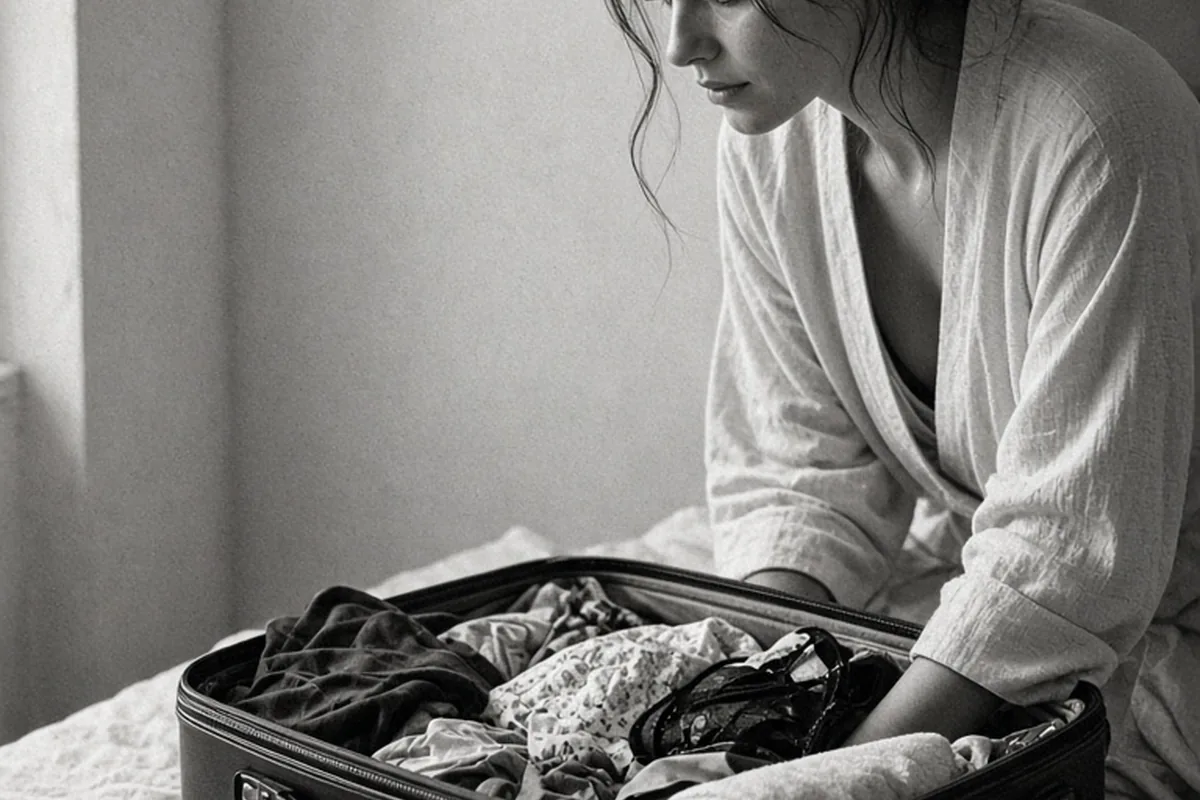
A balanced honeymoon packing list prioritizes travel essentials first, followed by versatile capsule clothing, romantic extras, and destination-specific gear. Focus on carrying critical documents, medications, and one change of clothes in your carry-on luggage. Then, pack mix-and-match outfits in breathable fabrics, specialized evening wear or swimwear, intimate apparel, and basic wellness supplies. Packing intentionally by category prevents overpacking while ensuring you are prepared for both relaxation and unplanned adventures.
Transitioning directly from the intensity of wedding planning to packing for your honeymoon can feel surprisingly exhausting. When decision fatigue sets in, couples often make the mistake of either overpacking impractical garments or forgetting critical essentials like power adapters and specialized medications. Organizing your luggage with a practical, category-based system allows you and your partner to pack efficiently, avoid airport stress, and shift your focus entirely toward celebrating your new life together.
Essential Travel Documents and Financial Safeguards
Your travel documentation is the single most critical category of your honeymoon preparation, and it requires careful attention well before departure day. A common issue for newly married couples involves name discrepancies between travel bookings and official identification. If you plan to change your surname after marriage, remember that international flights require the name on your ticket to match your valid passport exactly. Because official name change documentation takes weeks or months to process, booking all travel under your current legal name on your passport avoids boarding denials and costly administrative changes at the check-in counter.
Beyond passports and boarding passes, keep both physical and digital redundancies of your entire itinerary. Store offline digital copies of your accommodation confirmations, travel insurance policies, emergency embassy contacts, and international vaccination records on a secure cloud folder accessible from your smartphone. Carry a secondary credit card with no foreign transaction fees stored separately from your primary wallet, along with a modest amount of local cash for initial ground transportation or tipping. This financial separation ensures that a misplaced wallet does not bring your trip to a sudden halt.
- Passports with at least six months of remaining validity prior to your departure date.
- Printed copies and offline digital scans of confirmations, visas, and travel insurance policies.
- Primary and backup credit or debit cards with zero foreign transaction fees.
- Modest amount of local foreign currency for immediate transit and small tips.
The Critical Carry-On Strategy
A well-structured carry-on bag acts as your insurance policy against lost, delayed, or damaged checked luggage. Never place high-value items, vital daily medications, wedding rings, or expensive electronics inside bags that will travel in the airplane cargo hold. Instead, keep a dedicated carry-on suitcase or weekend duffel containing your irreplaceable belongings, delicate jewelry, portable electronics, and a complete twenty-four-hour survival kit. This kit should include a fresh change of clothing, basic toiletries that comply with airline liquid regulations, and any destination-specific essentials such as a swimsuit or a warm layer.
If you arrive at a tropical resort or an alpine chalet and your checked suitcases take an extra day to arrive, having immediate access to swimwear, clean undergarments, and daily skincare prevents your first full day from being spent waiting around hotel lobbies or shopping for emergency replacements. For long-haul flights, pack practical comfort aids into your personal item, such as noise-canceling headphones, supportive neck pillows, hydrating eye drops, and reusable water bottles to stay comfortable during transit.
- All prescription medications, daily vitamins, and emergency contact details.
- Fine jewelry, wedding rings, expensive cameras, and high-value tech devices.
- One complete outfit change including undergarments and destination footwear.
- TSA-compliant toiletry pouch with toothbrush, lip balm, and hydrating moisturizer.
Building a Versatile Capsule Wardrobe
The secret to avoiding massive, overweight suitcases lies in designing a cohesive capsule wardrobe centered around a unified color palette. Instead of packing completely distinct outfits for every individual morning, afternoon, and evening, choose garments that easily mix and match. A reliable guideline is the three-to-one ratio: pack three versatile tops for every bottom piece. Neutral base tones like navy, white, olive, beige, or black allow you to create numerous outfit combinations from a surprisingly modest selection of garments.
Fabric selection is equally important for long-term travel comfort. Breathable, wrinkle-resistant materials such as linen blends, merino wool, modal, and lightweight performance knits pack down compactly and withstand multiple wears without retaining odors. While it is tempting to pack brand-new designer shoes for every dinner, prioritize comfort above novelty. Limit your footwear to three functional pairs: one broken-in walking shoe for sightseeing, one supportive casual sandal or stylish sneaker, and one dressier option suitable for fine dining. Packing uncomfortable, untested shoes is one of the quickest ways to ruin a day of romantic exploring.
- Cohesive color-palette tops and bottoms that can be combined in multiple ways.
- Breathable, quick-drying fabrics that resist wrinkles and moisture.
- Three distinct pairs of shoes: walking, casual, and formal.
- Lightweight layering pieces like a cardigan, linen button-down, or light jacket.
Romantic Extras, Evening Wear, and Intimate Essentials
A honeymoon naturally calls for special garments and intimate touches that might not feature in your regular vacation luggage. When packing celebratory dinner outfits, choose fabrics that tolerate travel well, or bring along a travel-sized wrinkle-release spray to refresh silk or satin dresses and structured shirts after unpacking. Hanging garments immediately upon arrival in a steam-filled hotel bathroom can also gently release packing folds without requiring an iron.
For intimate apparel and lingerie, use delicate mesh laundry bags or fabric pouches to prevent lace, underwires, and delicate straps from snagging on zippers or rough textures inside your suitcase. Consider packing sensory comforts that personalize your shared space, such as a compact travel candle with a familiar home scent, travel-sized massage oils in leak-proof containers, and personal intimate products. Packing these items intentionally in dedicated, discreet organizational cubes keeps them organized and accessible throughout your stay.
- One or two elevated evening outfits for celebratory fine dining or photography sessions.
- Delicate lingerie and sleepwear packed inside protective mesh or satin pouches.
- Travel-sized personal lubricants, massage oils, and intimate wellness products.
- Wrinkle-release fabric spray or compact travel steamer if permitted by accommodation.
Health, Grooming, and Emergency First-Aid Kit
Nothing disrupts a romantic getaway faster than unexpected physical discomfort, minor cuts, or gastrointestinal distress. While major tourist destinations have local pharmacies, navigating unfamiliar medication brands or seeking open shops late at night can add unnecessary stress. Assemble a compact first-aid kit containing familiar over-the-counter remedies for headaches, motion sickness, digestive upset, allergies, and mild pain. Including electrolyte rehydration packets is especially beneficial if your itinerary involves strenuous hiking, sun-heavy beach days, or long flights.
Sun protection and skin recovery require equal attention. Even in temperate climates or snowy mountain settings, prolonged outdoor exposure can cause skin irritation. Pack high-SPF, broad-spectrum sunscreen, soothing aloe vera gel, lip balm with UV protection, and quality insect repellent if traveling to tropical or forested environments. Keep blister-prevention patches or hydrocolloid bandages on hand for walking-heavy itineraries, ensuring that minor foot friction does not prevent you from exploring cobblestone alleys or scenic trails.
- Over-the-counter essentials: pain relievers, antacids, anti-diarrheal pills, and allergy medicine.
- Electrolyte replacement powders to combat dehydration from travel or sun exposure.
- Broad-spectrum sunscreen, after-sun cooling lotion, and protective lip balm.
- Blister bandages, basic adhesive strips, antiseptic wipes, and insect repellent.
Electronics, Connectivity, and Memory-Making Tools
Modern travel relies heavily on electronic devices, making proper charging equipment and connectivity management essential. Before leaving, research the specific electrical outlet types and voltage standards used in your destination country. Investing in an all-in-one universal adapter with multiple high-speed USB ports allows you to charge smartphones, cameras, and smartwatches simultaneously from a single wall socket, saving space and eliminating the need for multiple bulky plug adapters.
A high-capacity, airline-approved portable power bank is indispensable during long excursion days when mapping applications, translation tools, and photo taking rapidly drain your phone battery. If you plan to capture high-resolution photos or video footage, pack extra memory cards and consider setting up an automated cloud backup or carrying an external SSD drive. To balance capturing memories with staying present, agree on shared digital boundaries so that checking notifications does not distract from enjoying each other's company.
- Universal international plug adapter compatible with destination electrical standards.
- High-capacity portable power bank to recharge devices on full-day excursions.
- Waterproof phone pouch or dry bag for beach, boat, or water-based activities.
- Memory cards, charging cables, and compact camera gear with protective cases.
Luggage Organization, Space Management, and Keepsakes
Efficient organization inside your luggage simplifies your daily routine once you reach your destination. Compression packing cubes are exceptionally effective for keeping your wardrobe categorized by garment type or activity, allowing you to locate specific items without turning your entire suitcase upside down. Assigning different colored packing cubes to each partner makes shared luggage management seamless and prevents accidental mix-ups during multi-stop trips.
Another practical travel tactic is split-packing across both partners' suitcases. Instead of placing all of one person's clothing in one bag and the other's in a second bag, divide both wardrobes evenly between both checked pieces. If the airline misplaces one suitcase, neither partner is left completely without clothes. Finally, leave roughly fifteen to twenty percent of empty space in your luggage or pack a collapsible lightweight duffel bag to safely bring home local artisanal goods, wine, textiles, and wedding souvenirs.
- Compression packing cubes color-coded for each partner's clothing.
- Split-packing method dividing both individuals' outfits across all checked bags.
- Foldable lightweight duffel bag stored flat for carrying home trip souvenirs.
- Moisture-proof laundry bag to isolate damp or soiled clothing from clean garments.
Frequently asked questions
When should we start packing for our honeymoon?
Begin gathering travel documents and specialized items about two weeks before your departure date. Pack your main luggage three to four days prior to the wedding so you are not rushing during the hectic final days.
What name should I use on my flight tickets if I am changing my surname?
Always book your tickets under the exact name that appears on your current government-issued passport. Because legal name changes take time to update across official records, traveling under your existing passport name prevents boarding issues.
How many outfits should we pack for a standard one-week honeymoon?
A practical baseline is seven casual tops, three to four versatile bottoms, two to three elevated dinner outfits, and adequate swimwear or outerwear depending on the climate. Utilizing mix-and-match colors prevents you from needing fourteen completely separate outfits.
Is it better to check separate bags or share a large suitcase?
Using two medium-sized checked bags and split-packing clothing for both partners across each suitcase is generally best. This approach provides better weight distribution, avoids single-bag weight penalties, and ensures neither person is left empty-handed if one piece of luggage is delayed.
Your next step
Review your flight itineraries today to confirm that your booking names match your current passports, then coordinate a shared checklist with your partner two weeks before departure.