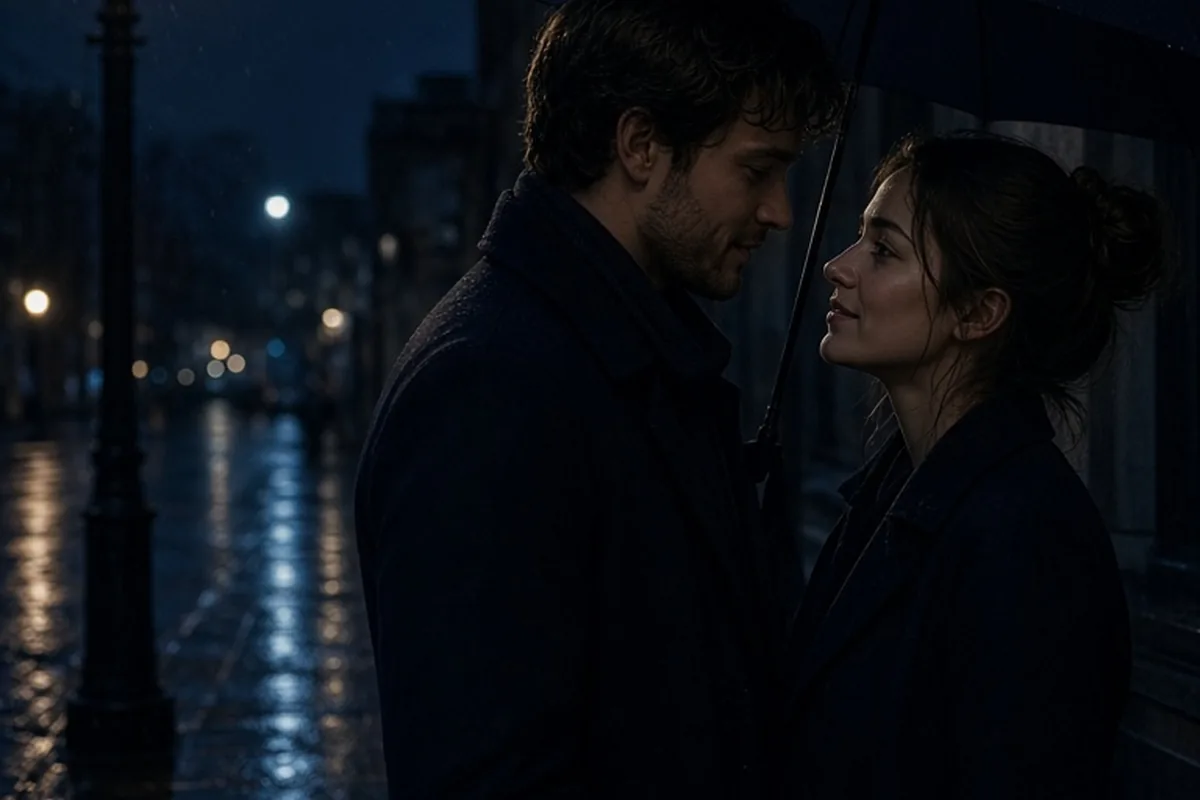
Introverts typically flirt through subtle, deliberate signals rather than loud charm. They show romantic interest by offering deep one-on-one attention, remembering small personal details, making intentional eye contact, engaging in thoughtful messaging, and initiating quiet shared moments. Because introverts conserve social energy, choosing to spend their limited social battery with someone is often their clearest expression of attraction.
Navigating early attraction can feel confusing when someone does not fit the conventional, highly expressive model of dating. Understanding the quieter mechanics of introverted courtship helps you spot real romantic interest, avoid common misinterpretations, and respond with genuine self-assurance.
Recognizing the Subtlety of Introverted Courtship
Introverted flirting often unfolds through deep focus rather than outgoing spectacle. While an extroverted person might flirt by working the room, teasing playfully in front of friends, or taking center stage, an introvert tends to channel their energy into high-quality, individualized connection. When an introvert likes you, they shift from their default self-contained state to an active listener who tracks your thoughts, values, and quirks. This focused attention is not casual politeness; for someone who finds superficial socializing exhausting, directing sustained focus toward one person represents a deliberate investment of emotional capital.
To identify this pattern, pay attention to the depth and consistency of their presence. An introvert who is attracted to you will often seek you out in crowded environments, maneuver into private conversational spaces, or remember offhand comments you made days earlier. For example, if you mention a stressful work deadline or a favorite indie band in passing, an interested introvert will frequently follow up on that specific topic the next time you speak. The trade-off here is that this style of flirting can initially look like quiet friendship. The distinguishing factor is exclusivity: an introvert rarely extends this level of dedicated curiosity to everyone in their social circle.
The Preference for One-on-One Spaces and Shared Niches
Large group gatherings and high-decibel venues are rarely where introverts showcase their romantic interest effectively. In group settings, introverts often conserve their energy, which can be mistakenly perceived as aloofness or disinterest. However, when an introvert develops feelings for someone, they actively look for opportunities to transition out of group dynamics and into low-stimulation, one-on-one interactions where meaningful conversation can happen naturally.
You can spot this tendency when an introvert suggests low-key activities that allow for genuine dialogue, such as visiting a quiet bookstore, getting coffee at an uncrowded cafe, or going for an evening walk. For instance, rather than joining a loud party after-hours, they might ask if you want to step outside for fresh air or visit a quieter venue nearby. The boundary to keep in mind is pacing. While one-on-one time indicates attraction, introverts still need time to recharge after socializing. A successful interaction does not mean they will want to spend every consecutive day together, and respecting that space keeps mutual interest healthy.
Written Flirting and the Art of Thoughtful Messaging
Many introverts communicate their romantic interest more comfortably and vividly in writing than in spontaneous spoken banter. Texting, direct messaging, and sharing articles or music give an introverted person the time they need to reflect, construct thoughtful responses, and reveal their humor without the sensory overload of real-time social performance. Written banter allows them to be witty, vulnerable, and intentional without feeling put on the spot.
When an introvert flirts digitally, their messages tend to go beyond generic check-ins. Instead of sending low-effort greetings, they might send a detailed recommendation based on an earlier conversation, share an inside joke, or write thoughtful paragraphs about a topic you both enjoy. For example, an introvert who likes you might send a link to an obscure podcast episode with a note explaining why a particular segment reminded them of your perspective. The potential pitfall is over-reliance on digital communication. While digital rapport builds comfort, it works best when it serves as a bridge to substantive in-person dates rather than an indefinite substitute for them.
Decoding Nonverbal Signals and Gentle Proximity
Nonverbal communication from an introverted crush is often understated, relying on physical proximity and deliberate eye contact rather than bold physical touch. Because introverts tend to maintain a guarded personal boundary, choosing to sit close to you, leaning in during a conversation, or lingering nearby after a group event concludes are meaningful indicators of comfort and romantic attraction.
Eye contact is particularly telling. An introvert might hold your gaze slightly longer than normal during a private moment, accompanied by a soft, warm smile, or they might look down shyly when caught looking your way. For instance, in a meeting or dinner party, you may catch them frequently checking in with your reactions across the table. It is essential, however, never to treat body language as an assumption of consent. Physical touch should always be mutual, gradual, and verbally respected, allowing both people to establish their comfort levels without pressure.
How to Respond and Flirt Back Effectively
If you are interested in an introvert, the most effective approach is to create a low-pressure environment that encourages them to open up at their own speed. Bombarding an introverted person with rapid-fire questions, teasing them about being quiet, or pushing them into loud social circles can cause them to retreat into self-protection. Instead, match their depth by asking open-ended questions, listening attentively, and validating their perspectives.
Show clear, unambiguous appreciation for their unique contributions. For example, you might say, I really enjoyed our conversation about your creative project the other night; would you want to grab coffee this Thursday and talk more about it? This gives them a clear signal of your romantic interest while providing concrete logistical details they can comfortably process. The limitation to watch for is over-accommodating. While being patient is helpful, you should never have to compromise your own need for clarity. Mutual communication requires both people to step toward each other with honesty.
Navigating Mixed Signals and the Social Battery
One of the biggest hurdles in dating an introvert is misreading social exhaustion as romantic rejection. An introvert may have an incredible, deeply engaging date with you on Friday night, only to go relatively quiet for the next two days. If you do not understand the introverted need for solitude to recover mental energy, this silence can feel like mixed signals or sudden disinterest.
The best way to navigate this lull is to avoid taking the silence personally or demanding immediate reassurance. Give them a day or two of breathing room, and evaluate their behavior based on consistency over time rather than instant response speed. For example, if they return to the conversation with warmth, thoughtfulness, and follow-through on plans, their temporary quietness was simply an energy reset. If, on the other hand, their communication remains evasive and they repeatedly decline opportunities to meet, you are likely encountering genuine disinterest rather than introversion, which is your cue to gracefully step back.
Illustrative Scenarios
Deciphering Selective Attention at a Social Gathering
Marcus attended a mutual friend's housewarming party and spent nearly an hour talking with Sarah on the back patio about shared interests in graphic design and hiking. When the rest of the party moved to a crowded living room game, Sarah became quiet, stood near the edge of the room, and barely engaged in the banter. Marcus initially assumed Sarah had lost interest in him once others joined. Instead of leaving or pressing her for attention, Marcus later sent a brief message referencing their patio chat about a local trail. Sarah responded warmly within an hour, explaining that large groups overwhelm her, and eagerly accepted an invitation to get coffee one-on-one.
Key point: Quietness in group settings often reflects sensory fatigue rather than personal rejection; look at how an introvert engages when the environment is low-pressure.
Clarifying Inconsistent Digital Communication
Liam had two great dinner dates with Chloe, where conversation flowed effortlessly for hours. However, between dates, Chloe took several hours or even a full day to reply to casual text messages, making Liam wonder if he was misreading her interest. Rather than sending frustrated follow-up texts or playing games to make her jealous, Liam calmly suggested a specific third date for the upcoming weekend. Chloe accepted right away, explaining that her demanding job drains her daily communication bandwidth. Liam realized her slow texting was a personal habit, not a lack of attraction.
Key point: Evaluate romantic interest by someone's willingness to commit to real-world plans rather than their immediate texting speed.
Frequently asked questions
How can you tell if an introvert is flirting or just being polite?
Politeness from an introvert is usually pleasant, brief, and generalized to everyone in the room. Flirting involves selective focus, such as remembering small personal details, making extended eye contact, and actively seeking one-on-one time with you.
Do introverts ever make the first move in dating?
Yes, but their first moves tend to be deliberate and low-risk rather than overt displays. An introvert might initiate contact by sending a thoughtful link related to an earlier conversation, offering a genuine compliment on your work or character, or suggesting a quiet activity together.
Why does an introvert sometimes pull back after a great date?
Introverts often require time alone to recharge their social and emotional battery after an intense, intimate connection. A temporary pause in communication usually reflects their need for quiet rest rather than a change of feelings.
What is the best setting for a first date with an introverted crush?
Choose a venue with low background noise and minimal distractions, such as a cozy coffee shop, an art gallery, or a quiet botanical garden. These environments reduce social overstimulation and allow both of you to focus on meaningful conversation.
Your next step
Pick one quiet, intentional way to invite your crush into a low-pressure conversation this week, whether by following up on a topic they previously mentioned or suggesting a calm one-on-one coffee date.