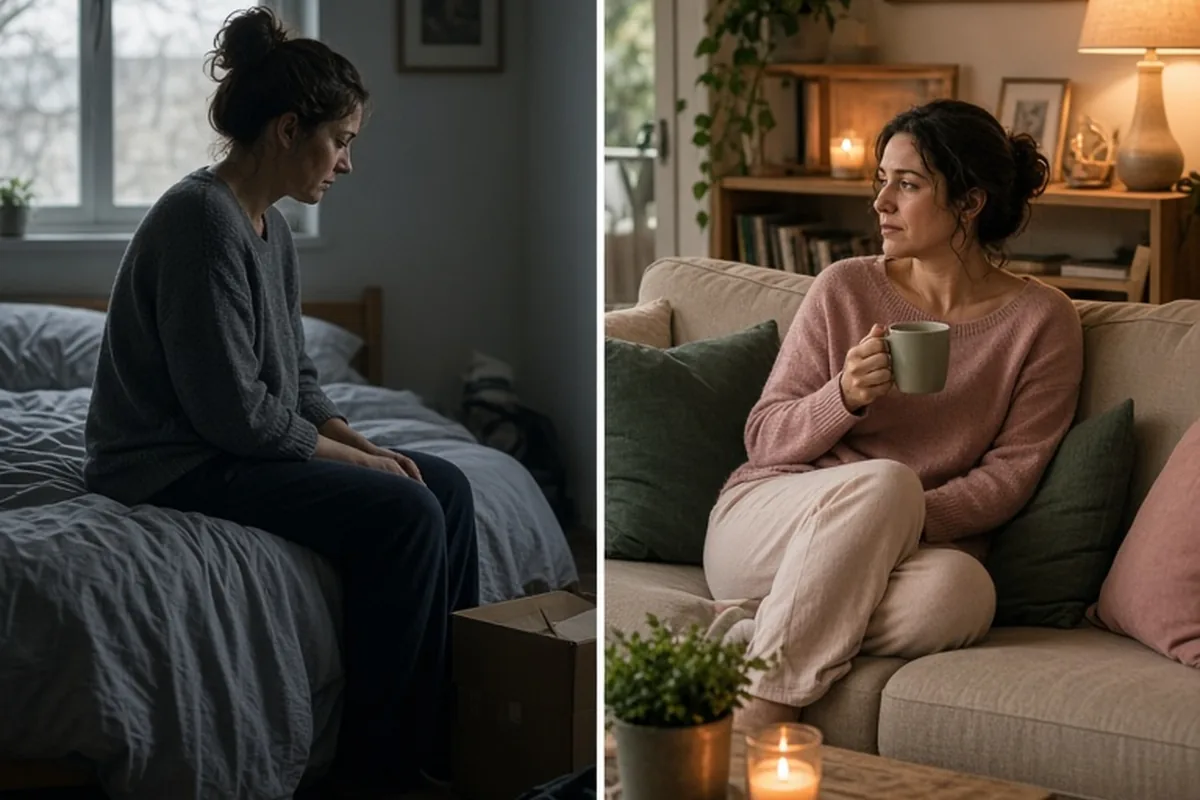
Making a home again after separation involves reclaiming your physical space, establishing routines centered on your needs, and curating an environment that reflects your individual identity. Start by decluttering reminders of conflict, arranging functional zones for rest and hobbies, and introducing familiar sensory comforts like lighting and textiles. Over time, consistent rituals and personal decorating choices transform an unfamiliar dwelling into a secure, grounding sanctuary.
A marital split often leaves your physical surroundings feeling hollow, chaotic, or intensely foreign, whether you remained in the shared residence or relocated to a sparse rental. Transitioning from a partnered household to a solo sanctuary requires intentional domestic choices that honor your emotional recovery while actively supporting your newfound independence.
Auditing the Environment and Clearing Shared Emotional Weight
The first step in rebuilding a domestic sanctuary is taking an honest inventory of the items surrounding you. In the immediate aftermath of a separation, everyday objects can serve as involuntary triggers. A shared armchair where difficult arguments occurred, artwork bought out of compromise rather than joy, or even mismatched kitchenware can keep your nervous system tethered to the past. Taking inventory does not mean discarding everything you own overnight, but it does mean identifying which items induce tension and which provide genuine utility or comfort.
Begin by categorizing items into what stays, what goes, and what needs temporary removal. For items tied to painful memories that you cannot afford to replace immediately, simple interventions like slipcovers, fresh coats of paint, or moving them into a different room can disrupt lingering emotional associations. If you remain in the marital home, rearranging the floor plan is essential; shifting the angle of the living room seating or swapping bedroom locations immediately breaks muscle memory and signals a fresh chapter.
A common trade-off during this stage involves impulsive purging. High emotional stress can tempt you to throw away valuable heirlooms, practical appliances, or legal documents simply to clear the space. To prevent costly regret, use opaque storage bins for ambiguous personal items like wedding albums or mutual vacation souvenirs. Label these containers and place them out of everyday sight in a closet or storage unit, allowing yourself to review them months later when emotional volatility has subsided.
Reclaiming the Bedroom as a Restorative Haven
Sleep is frequently one of the first casualties of separation, making the bedroom your most critical domestic project. If you are sleeping on the same mattress shared with an ex-partner, the sensory cues can perpetuate feelings of loss or hypervigilance. While buying a brand-new mattress may not fit every post-divorce budget, transforming the bedding is an accessible and symbolic necessity. Selecting sheets, duvets, and pillows that you choose entirely according to your tactile preferences establishes an immediate physical boundary between your former partnership and your solo life.
Reclaiming this room also means rethinking its function. In many relationships, the bedroom becomes a repository for unresolved tension, television screens, or scattered laundry. Reset the space to emphasize recovery and safety. Invest in blackout curtains to protect your circadian rhythm, introduce warm, low-wattage accent lamps to eliminate harsh overhead glare, and keep clutter off the nightstands. When your sleeping environment looks and smells distinctly your own, it actively encourages deeper physical rest.
Consider an example like choosing bedding in a texture or color your former partner disliked. If they preferred heavy synthetic comforters while you always wanted breathable linen or crisp cotton, indulging that personal preference reinforces your autonomy. The trade-off is that an empty, newly organized bed can initially emphasize the absence of another person. Acknowledge this temporary loneliness as a normal transition phase rather than a sign that your sanctuary is failing to comfort you.
Designing Functional Micro-Zones for Solo Living
Shared households tend to organize living spaces around shared activities, primarily centered on large dining setups or communal media consoles. When living on your own, these sprawling arrangements can feel alienating, highlighting empty space. Dividing your home into functional micro-zones brings purpose back to underused square footage and helps you structure your daily rhythm with intention.
A micro-zone is a self-contained nook dedicated to a specific solitary activity. This might be a comfortable reading chair positioned beside a dedicated floor lamp and a small side table for tea, an uncluttered corner outfitted with a yoga mat and resistance bands, or a streamlined desk dedicated solely to creative hobbies rather than administrative work. Grouping furniture into purposeful clusters creates pockets of warmth and utility, making even a cavernous living room feel protective rather than deserted.
When planning these zones, balance ambition with realistic self-knowledge. Creating an elaborate painting station or a complex home gym is counterproductive if you rarely engage in those activities, as the idle gear will eventually generate domestic guilt. Start with the activities you already turn to for stress relief, whether that is journaling, listening to records, or drinking morning coffee in quiet sunlight. Anchor those real habits first before designing spaces for idealized pursuits.
Rewriting Daily Domestic Rituals and Meal Habits
A home is defined far more by its behavioral patterns than by its furniture. Separation fractures established daily habits, often turning evening hours and mealtimes into painful reminders of solitude. Many individuals default to eating takeout over the kitchen sink or working in bed because cooking a traditional meal for one feels futile. However, abandoning domestic structure often reinforces feelings of aimlessness and depression.
Rebuilding domestic vitality requires creating solo rituals that treat you as an honored guest in your own home. Cook simple, nourishing meals composed around foods you love that your ex-partner may have avoided. Set a proper placemat, use your favorite ceramic dishes, and pour a beverage into glassware rather than leaving it in a carton. These small acts of domestic consideration send a powerful psychological signal that your solitary presence warrants care, effort, and dignity.
Develop gentle bookends for your day to replace old shared habits. In the morning, establish a ten-minute ritual of brewing coffee or loose-leaf tea without checking your phone, paired with opening the blinds to let natural light fill the room. In the evening, signal the transition from work to rest by lighting a candle with a scent you personally find soothing, playing quiet instrumental music, or running a warm bath. These deliberate sensory anchors transform an empty house into an active sanctuary.
Decorating with Personal Identity and Future Aspirations
Cohabitation inevitably requires aesthetic compromise, often resulting in an interior that neither partner truly loves or one that reflects only the more dominant personality. Separation offers a rare opportunity to curate an environment that expresses your singular aesthetic sensibilities. Taking visual ownership of your walls and surfaces is a tangible way to rediscover who you are outside the context of a couple.
Start by introducing artwork, photographs, and artifacts that represent your individual past and your personal future. Hang framed prints from solo travels, display books that shaped your thinking, or frame family photos that bring you uncomplicated happiness. Incorporating indoor houseplants is particularly effective; caring for living plants adds organic texture, softens rigid architectural lines, and introduces an active sense of growth and vitality into quiet rooms.
The trade-off here is avoiding the urge to rush the decorating process. Filling every blank wall within the first two weeks often leads to generic, rushed purchases that fail to provide lasting emotional resonance. Give yourself permission to live with empty spaces for a few months. Allow your home to evolve organically as your tastes clarify, treating blank walls not as signs of deprivation, but as open space waiting for your authentic choices.
Managing the Echo of Solitude and Sensory Silence
One of the most jarring aspects of living alone after years of partnership is the sudden shift in ambient sound. The house can feel eerily still, amplifying feelings of loneliness and vulnerability, especially during weekends and evenings. Learning to navigate this silence without falling into constant digital distraction is essential for turning a house into a place of genuine peace.
Instead of keeping the television running continuously as background noise, curate intentional auditory environments. High-quality audiobooks, long-form podcasts, or warm instrumental playlists can fill empty rooms with engaging, non-intrusive sound that stimulates the mind without demanding visual attention. Opening windows to let in birdsong or urban hum connects you to the broader neighborhood, reminding you that solitude is not isolation.
Gradually practice being present with quiet moments. While absolute silence can feel threatening during acute heartbreak, over time it becomes the exact medium through which your nervous system settles. Dedicate short, structured intervals—such as fifteen minutes before sleep—to absolute quiet, recognizing that the lack of noise represents freedom from conflict, emotional walking on eggshells, and interpersonal friction.
Establishing Sacred Boundaries for Your Physical Threshold
A true sanctuary requires uncompromising boundaries regarding who enters it. If you share children or unfinished financial business with an ex-partner, their unexpected or casual presence in your living space can instantly shatter your hard-won sense of safety. Treating your front door as a firm emotional and physical boundary is non-negotiable when establishing a home of your own.
For co-parenting handoffs, establish clear logistical rules. Unless there is an emergency, drop-offs and pickups should happen at the curb, in a neutral public parking lot, or strictly at the front entryway without granting access to the interior. Your kitchen, living room, and private corridors must remain spaces where you never have to brace for defensive interactions. If your ex-partner retains a key from previous tenancy, hire a locksmith to rekey the locks immediately to establish clear legal and physical boundaries.
Extend this boundary mindset to well-meaning friends and extended family. While community support is vital, entertaining guests requires emotional energy that you may not always have in surplus. Feel empowered to decline casual drop-ins or host gatherings outside the house until you feel completely settled. Guarding your threshold ensures that every time you close your front door behind you, your home serves as a dependable buffer against outside demands.
Frequently asked questions
How long does it typically take for a new living space to feel like home after separation?
Adjusting to a new living space usually takes between six months and a full year as you complete a full cycle of seasonal routines and personal milestones solo. Focus on small daily habits and consistent sensory comforts rather than expecting an instant emotional attachment to the dwelling.
What should I do with shared items that I cannot afford to replace?
Modify the sensory impact of shared essentials by altering their appearance with slipcovers, throws, or new paint finishes. If cosmetic changes are impossible, rearrange their placement in the room to break visual habits and pair them with distinctly personal accent pieces.
How do I handle the intense loneliness of eating meals by myself?
Avoid eating standing over the counter or distractedly in bed by setting a designated, appealing spot at the table with clean tableware and pleasant lighting. Treat meal prep as an act of self-nourishment, cooking flavors you love and occasionally listening to an audiobook to keep the experience engaging.
Your next step
Choose one specific corner or room in your home this week, clear out any objects tied to conflict, and introduce one new sensory item—such as fresh lighting, soft bedding, or a houseplant—that belongs entirely to your future.