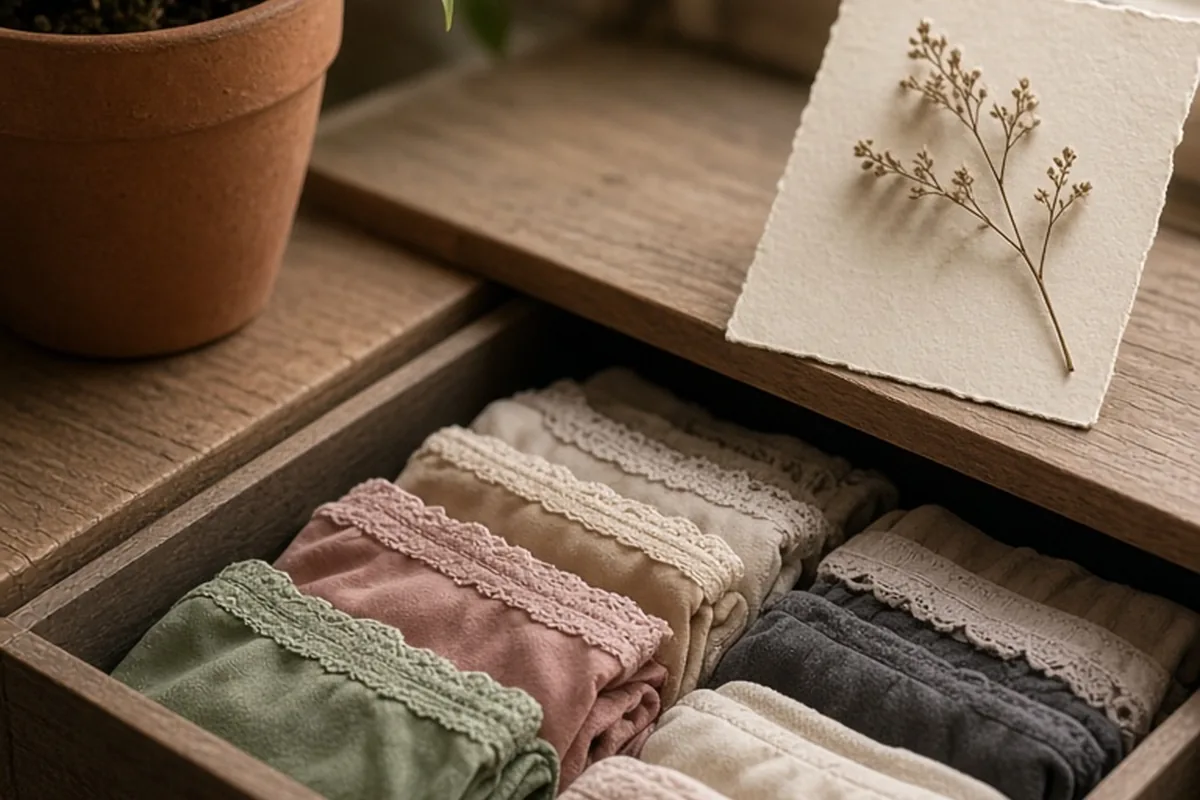
Most women find that owning between fourteen and twenty-one pairs of underwear provides an ideal balance for comfort, hygiene, and convenience. This range comfortably covers a standard one-to-two-week laundry cycle while leaving a buffer for workout changes, travel, menstrual cycles, and fabric variety. If you wash clothes weekly, fourteen pairs prevent mid-week shortages, whereas doing laundry every two weeks generally requires around twenty to twenty-five pairs.
Determining the right number of undergarments often comes down to matching your personal routines with practical daily needs rather than following an arbitrary rule.
Calculating Your Base Number from Laundry Frequency
Your laundry schedule is the most significant factor in deciding how many pairs of underwear you need in your collection. Underwear is worn directly against the skin and requires daily laundering, making it the fastest-cycling garment in any wardrobe. To find your absolute baseline, count the number of days between your regular wash loads, add the turnaround time required for washing and drying, and include a modest cushion for unexpected schedule disruptions. A person who does laundry every seven days needs seven primary pairs, plus an additional three to four pairs to cover the days the wash is running or delayed.
Relying on a razor-thin margin often creates unnecessary domestic stress, forcing emergency wash cycles when routines shift. Conversely, keeping dozens of extra pairs can lead to forgotten piles that clutter your storage space and make daily selection frustrating. Finding your personal baseline prevents both extremes, ensuring that your drawer contains an intentional assortment of comfortable options ready for use at any given time.
A practical calculation method accounts for both typical habits and real-world unpredictability across different living arrangements:
- Weekly laundry schedule: Plan for fourteen pairs total, which provides seven daily wears, three exercise or midday spares, and four buffer pairs.
- Bi-weekly laundry schedule: Maintain twenty to twenty-five pairs to support fourteen continuous days alongside secondary daily changes and laundry days.
- Frequent or in-unit washing: Ten to twelve pairs remain sufficient if you consistently wash clothes every three to four days.
Factoring in Workouts and Midday Clothing Changes
Daily physical activity immediately alters your undergarment turnover. Engaging in moderate to intense exercise usually calls for a fresh pair afterward to maintain hygiene and skin comfort. If you exercise four times a week after work or during your lunch break, you are effectively using eleven pairs of underwear over a seven-day span rather than seven. Moisture-wicking athletic underwear designed specifically for exercise helps prevent chafing during movement, but it also increases the total count of garments you need to rotate through.
Climate and occupational demands also influence midday changes. Individuals working in physically demanding roles, healthcare environments, or warm and humid climates frequently change their clothes before evening plans. Recognizing these recurring lifestyle patterns allows you to allocate dedicated workout or moisture-resistant styles without shortchanging your standard daily supply.
When planning your collection around regular physical activity, it helps to account for these specific lifestyle additions:
- Dedicated athletic pairs: Four to six pairs crafted from breathable, quick-drying performance fabrics.
- Warm weather buffers: Two to three lightweight cotton extras during summer months or extended travel.
- Post-shift refresh pairs: Two extra breathable options if your occupation requires changing into evening wear.
Balancing Fabrics and Cuts Across Your Wardrobe
A well-structured underwear drawer is rarely composed of just one cut or material. Different clothing silhouettes, from tailored trousers to casual loungewear, require complementary foundation garments. Seamless microfiber briefs or thongs prevent visible lines beneath thin or form-fitting fabrics, while breathable natural cotton remains the preferred choice for sleep and relaxed days at home. High-waisted styles pair naturally with structured pants, whereas low-rise options accommodate relaxed denim.
The key to assembling a cohesive collection is avoiding an overabundance of specialized pieces that rarely get worn. While decorative lace or specialized shapewear pieces serve specific outfit needs, they should not crowd out comfortable, everyday options. Establishing a deliberate ratio between everyday staples, invisible cuts, and specialty items keeps your drawer functional for your actual clothing choices.
A versatile twenty-pair capsule often distributes styles in a practical everyday configuration:
- Everyday breathable briefs or hipsters: Eight to ten pairs for work, errands, and relaxed wear.
- Seamless or invisible thongs and cuts: Four to six pairs for tailored trousers, skirts, and dresses.
- Athletic or moisture-wicking pairs: Three to four pairs reserved specifically for workouts.
- Specialty or lounge boy shorts: Two to three pairs for sleeping or pairing with specific specialty outfits.
Managing Menstrual Care and Dedicated Backup Pairs
Menstrual cycles introduce distinct undergarment requirements that standard daily rotations do not always accommodate. Many women prefer keeping a separate subset of darker, full-coverage underwear specifically for use with pads, liners, or during days with unexpected spotting. Designating specific pairs for period care protects your lighter or newer everyday pairs from permanent staining and premature wear.
Reusable period underwear has also become a standard element of modern drawers. Because these specialized absorbent garments require gentle washing and air drying, they cycle through the wash more slowly than standard cotton. If you rely primarily on reusable period underwear, keeping three to five specialized pairs ensures you can rotate them smoothly across your cycle without running out while waiting for garments to dry.
Structuring your collection around menstrual management typically involves evaluating these distinct elements:
- Dedicated backup pairs: Three to four dark, comfortable cotton pairs suitable for holding pads securely.
- Reusable period underwear: Three to five absorbent pairs tailored to your flow volume and cycle length.
- Drying schedule buffer: One or two extra garments to account for the longer air-drying time required by layered leak-proof fabrics.
Planning for Travel and Packing Realities
Travel introduces unique variables that can strain a minimalist underwear collection. When packing for a trip, experienced travelers generally pack one clean pair per day plus two to three additional backups to manage flight delays, unexpected spills, or warm walking tours. If you own only ten pairs total and pack seven for a vacation, your home drawer is left almost entirely empty, creating laundry pressure immediately before departure and right upon return.
For frequent travelers, maintaining a total collection closer to eighteen or twenty-two pairs prevents home shortages while luggage is packed. Alternatively, incorporating quick-drying synthetic or treated natural fibers allows for easy sink washing in hotel rooms, reducing the number of pieces you must carry. Deciding whether you prefer sink washing on the go or carrying enough pairs for the full trip will shape the overall capacity your collection requires.
When assessing your travel demands against your home collection, consider these common packing strategies:
- Standard vacation rule: Number of travel days plus two to three safety pairs for unforeseen delays.
- Minimalist travel rotation: Three to four fast-drying pairs designed for overnight sink laundering.
- Pre-trip buffer: Keeping at least four clean pairs at home so you do not return to an empty drawer.
Knowing When to Retire and Replace Older Pairs
Underwear experiences more frequent washing and friction than nearly any other textile in your home. Over time, elastic bands lose their tension, fabric thins, seams unravel, and fit deteriorates. Wearing degraded undergarments often leads to persistent riding up, slipping waistbands, and general discomfort throughout the day. Regularly auditing your collection ensures that every item in your rotation remains supportive and functional.
A practical approach to wardrobe maintenance is replacing undergarments in small, periodic batches rather than all at once. If you own twenty pairs and replace four to six worn pieces every six to nine months, your entire drawer stays fresh without requiring a large, single-day investment. Inspecting pieces during folding helps you spot loose threads or compromised elastic before you put on an unsupportive garment in the morning.
Watch for these clear physical indicators that a pair has reached the end of its useful lifespan:
- Relaxed or wavy elastic bands that no longer sit flat against your hips or waist.
- Visible fabric thinning, pinholes, or persistent pilling along friction points.
- Frayed leg openings or exposed internal elastic threads that cause chafing.
- Permanent loss of shape that causes the garment to bunch under outerwear.
Organizing Your Drawer to Prevent Clutter and Wear
Even an ideal number of undergarments can feel unmanageable if stored in a jumbled pile. When drawers lack clear organization, people tend to wear and wash the same top four or five pairs repeatedly while the bottom layer sits untouched. This uneven rotation causes select pairs to wear out prematurely while wasting the functional capacity of the rest of your collection.
Using simple drawer dividers or honeycomb organizers keeps different cuts separated and clearly visible. Rolling or file-folding garments allows you to see every option at a glance, making morning dressing faster and ensuring a balanced rotation through your entire stock. Taking five minutes on laundry day to place freshly washed pairs at the back of their respective sections promotes even wear across every pair you own.
Effective drawer maintenance relies on a few straightforward storage habits:
- Compartment dividers: Separate everyday cotton, seamless styles, athletic pairs, and period care into distinct zones.
- File folding: Arrange pairs upright rather than stacking them to keep all options visible.
- Rotational loading: Place freshly laundered pieces behind older ones to distribute fabric wear evenly.
Illustrative Scenarios
Adjusting Wardrobe Size for a Hybrid Schedule
A professional working three days in an office and exercising four mornings a week found herself constantly running out of clean undergarments by Thursday. She initially owned twelve pairs and did laundry every Sunday. However, morning workouts meant she used two pairs on exercise days, totaling eleven pairs by Friday morning, leaving zero clean pairs if laundry was delayed by a single day. By expanding her collection from twelve to eighteen pairs, she incorporated four dedicated athletic pairs and two extra seamless options, successfully eliminating midweek laundry stress.
Key point: Calculating undergarment needs based on total daily clothing changes rather than simply calendar days prevents unexpected wardrobe shortages.
Frequently asked questions
How often should you replace your underwear collection?
Most everyday underwear should be replaced when the elastic weakens, seams unravel, or the fabric thins, which typically occurs after six to twelve months of regular wear. You do not need to discard pairs on a strict calendar deadline if they remain structurally sound, hygienic, and comfortable.
Is owning thirty pairs of underwear too many?
Thirty pairs is not problematic if you have adequate storage and prefer washing clothes every two to three weeks. However, owning significantly more than you wear can lead to drawer clutter and uneven garment rotation where forgotten pairs degrade in storage.
What is the absolute minimum number of pairs needed for daily life?
The absolute practical minimum is around seven to ten pairs for someone who does laundry once a week. This provides one pair per day with a very narrow buffer for wash days, though it leaves little room for workouts or unexpected schedule changes.
What fabric is best for everyday underwear?
Natural, breathable fabrics like cotton or modal are widely recommended for everyday wear due to their airflow and moisture absorption. Seamless microfiber and nylon blends work well under form-fitting clothing or during athletic workouts where friction reduction is essential.
Your next step
Take five minutes today to count your current collection, discard any pairs with worn-out elastic or damaged fabric, and adjust your total number to match your weekly laundry schedule.