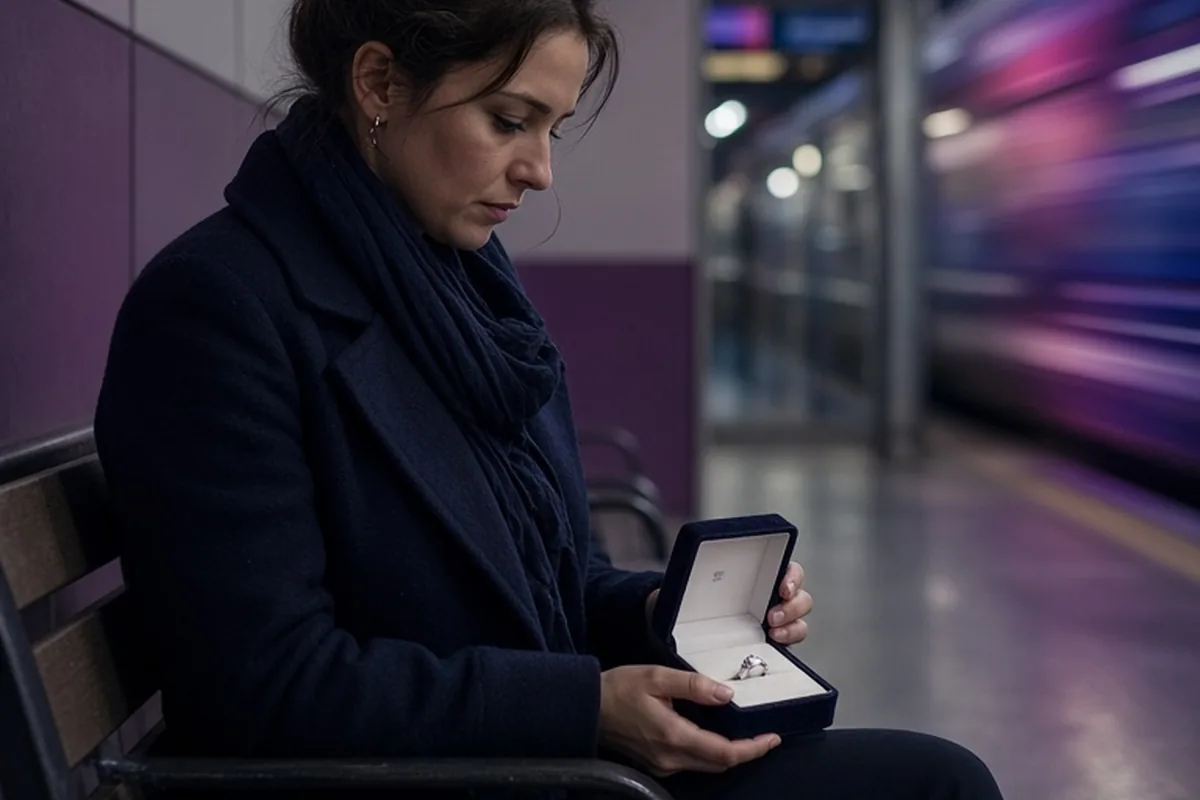
Lab-grown diamonds generally carry low resale value on the secondary market compared to their original retail price. When you sell a lab-grown diamond, buyers typically evaluate the stone relative to current wholesale production costs rather than what you originally paid. In many cases, jewelers and secondary buyers only make offers based on the precious metal scrap value of the setting, offering nominal amounts or declining the synthetic center stone entirely.
Navigating the secondary jewelry market can be surprising if you purchased a manufactured gemstone expecting it to function as a store of financial value.
The Economics Behind Lab-Grown Diamond Resale Pricing
To understand what you will be offered when selling a manufactured diamond, it helps to examine how the production and supply pipeline differs fundamentally from mined stones. Natural diamonds maintain a secondary trade network backed by decades of centralized supply management, global grading conventions, and institutional liquidity. By contrast, laboratory-created diamonds are manufactured industrial consumer products created using Chemical Vapor Deposition or High Pressure High Temperature processes. As technology advances, production capacity increases, and energy efficiencies improve, the cost to manufacture a new stone consistently declines across the broader market.
Because retail jewelers can order brand-new, flawlessly cut lab stones from wholesale suppliers for steadily decreasing acquisition prices, they have very little incentive to buy used stones from private individuals. When a retail jeweler buys from a private seller, they must take on inventory risk, recertification fees, cleaning costs, and the administrative overhead of logging secondary merchandise. Therefore, any offer a professional buyer makes will sit well below current wholesale market rates rather than reflecting historical retail prices.
Primary Channels for Selling a Lab-Grown Diamond
Private individuals seeking to sell a laboratory-grown diamond ring or loose stone generally choose between direct-to-consumer platforms, local retail jewelers, specialized online diamond buyers, and consignment arrangements. Direct peer-to-peer marketplaces allow you to list your piece directly to another end consumer who wants to avoid paying full retail markup. While this route demands the most personal effort in photography, communication, and secure payment handling, it generally yields the highest net return because it eliminates intermediary dealer margins.
Local independent jewelers and pawn shops represent faster, more convenient routes, but their offers reflect immediate liquidity and inventory risk. Most pawnbrokers evaluate the piece almost exclusively on the melt value of the gold, platinum, or palladium setting, occasionally adding a minimal flat allowance for the center stone. Online specialty buyers who advertise secondary gemstone purchases may provide formal quotes, though shipping insurance, appraisal processing fees, and strict intake criteria often reduce the final payout.
How Setting Materials and Precious Metals Affect Total Payout
When an appraiser or jewelry purchaser reviews a finished piece containing a manufactured center stone, the tangible precious metal in the mounting often represents the primary source of recovered capital. Rings crafted from solid platinum, eighteen-karat gold, or fourteen-karat gold carry baseline intrinsic value tied directly to daily spot market commodities trading. Refiners and scrap buyers purchase these mountings to melt down, purify, and recycle into new jewelry components, providing an immediate floor price for the entire assembly.
To evaluate your piece accurately, check the hallmark stamped inside the band, which indicates metal purity such as 14K, 18K, 585, 750, or PLAT. An appraiser will weigh the piece on a calibrated scale, subtract the estimated weight of the stones, and calculate the pure metal content against active commodity spot prices. If your setting features natural diamond accent stones along the pavé band or halo, those secondary natural melee stones may contribute small incremental value, whereas lab-grown melee accents typically add no measurable resale premium.
Grading Reports and Documentation in Secondary Transactions
Having original independent certification significantly improves the ease of selling a manufactured stone, even if it does not artificially elevate the base market price. Recognized laboratory reports from institutions such as the International Gemological Institute or the Gemological Institute of America verify that the gemstone is chemically authentic, confirm its precise 4Cs parameters, and document its laser inscription. Without verifiable paperwork, any prospective buyer must discount their offer to account for the risk and cost of third-party testing.
Keep in mind that insurance replacement appraisals should never be used as a benchmark for resale expectations. Retail insurance appraisals are written to reflect the highest estimated cost of replacing an item at full retail boutique prices during an emergency claim. Professional buyers ignore insurance paperwork during acquisition discussions, focusing entirely on current B2B wholesale listings and cash liquidity metrics.
Direct Selling Versus Consignment Trade-Offs
Choosing between an immediate cash buyout and a consignment arrangement requires weighing urgent financial needs against potential net proceeds. In an outright cash sale, a professional dealer assumes all holding costs, market price fluctuations, and resale labor, which is why their cash bid is set aggressively low. You receive guaranteed funds immediately and close the transaction without ongoing responsibility or buyer disputes.
Consignment allows an independent jeweler or digital estate platform to display your item in exchange for a fixed percentage commission taken only after the sale completes. This structure enables the piece to be priced closer to current second-hand retail levels, appealing to shoppers looking for pre-owned bargains. The trade-off is time: your jewelry may sit in a display case or online gallery for several months or longer, and market price reductions on new lab diamonds during that holding window may force you to lower your asking price over time.
Realistic Alternatives to Selling on the Open Market
If initial cash offers from local jewelers and liquidators fall far short of your personal expectations, keeping the piece and repurposing its materials often provides greater personal utility. Many custom jewelers can unmount the lab-grown center stone and reset it into a modern solitaire pendant, a bezel-set right-hand ring, or a customized gift. Repurposing allows you to enjoy the aesthetic qualities and optical performance of the diamond without realizing a steep monetary loss on the secondary market.
Another viable option is trade-in or trade-up programs offered by the original retailer where the piece was purchased. Some jewelry brands maintain upgrade policies that apply a portion of your original purchase price toward a higher-tier natural stone or a different jewelry category, provided the new purchase meets specific price thresholds. Always review the exact fine print of original vendor warranties to see if an upgrade credit remains available for your piece.
Frequently asked questions
Do jewelry stores buy back lab-grown diamonds they originally sold?
Most independent and chain retail jewelers do not offer cash buybacks for laboratory-grown diamonds. A limited number of retailers provide trade-in credits toward more expensive natural diamond pieces, but these policies vary widely and require strict compliance with original purchase conditions.
Does laser inscription on a lab diamond hurt its resale value?
No, standard laboratory laser inscriptions identifying the report number and laboratory origin do not diminish value. In fact, matching laser inscriptions provide buyers with immediate confirmation of grading paperwork, facilitating a smoother secondary transaction.
Why is the resale value of lab diamonds different from mined diamonds?
Mined diamonds benefit from an established global trading network, limited geological supply, and sustained institutional liquidity. Laboratory diamonds are manufactured industrial consumer products with rapidly expanding production, declining manufacturing costs, and minimal dealer demand for pre-owned inventory.
What is the best platform to sell a pre-owned lab diamond ring?
Peer-to-peer digital jewelry marketplaces and specialty pre-owned bridal platforms generally deliver the highest net return because you sell directly to an end buyer. Local pawn shops and liquidators offer immediate speed but typically only pay the scrap value of the metal setting.
Your next step
Locate your original grading certificate and sales receipt, weigh the precious metal setting, and request written cash buyout quotes from at least two local jewelers before listing the item on a peer-to-peer resale platform.