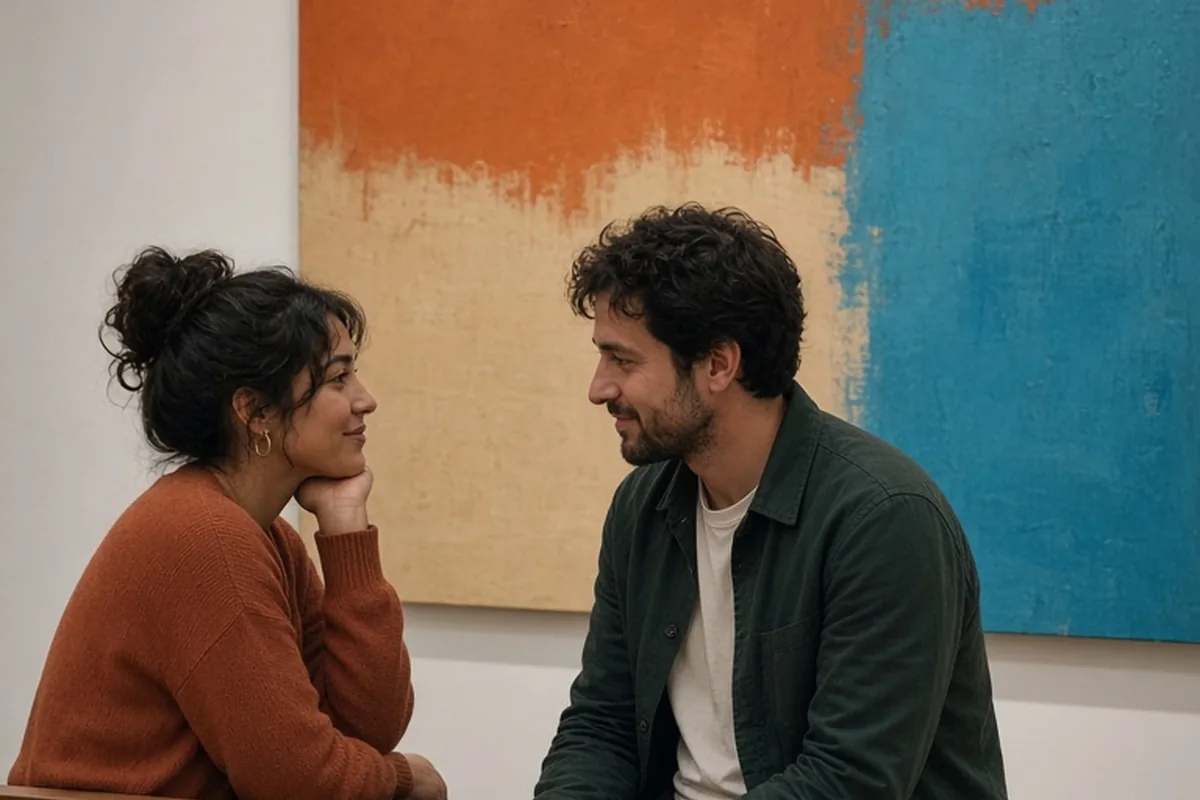
A practical first date generally costs between twenty and fifty dollars total, though thoughtful low-cost or free outings under twenty dollars are often even better. The primary goal of a first meeting is low-pressure conversation to assess basic compatibility and mutual comfort, not an extravagant financial display. Spending within your authentic means prevents resentment, reduces performance anxiety, and establishes healthy expectations from the start.
Dating naturally brings up questions about money, self-presentation, and social etiquette. When you are planning to meet someone new, deciding what to spend can feel like a delicate balance between showing courtesy and protecting your monthly budget. Finding a grounded, comfortable approach to first-date expenses allows you to focus on the conversation rather than worrying about the bill.
Establishing a Reasonable First Date Budget
A realistic budget for an initial meetup usually sits in the twenty to fifty dollar range. This amount easily covers two specialty coffees and pastries, a couple of craft beers, or an appetizer and non-alcoholic drinks at a casual neighborhood pub. The purpose of this price bracket is to remove financial weight from what is essentially an introductory vibe check. When the investment is modest, neither person feels trapped if the connection falls flat after forty-five minutes.
A useful benchmark is to spend an amount you would comfortably spend on yourself during a casual afternoon without second-thought budgeting. If spending forty dollars makes you anxious about your grocery budget for the rest of the week, that date is too expensive for your current circumstances. Conversely, spending well below your means is entirely fine as long as the setting provides a quiet, safe, and comfortable space to talk. The trade-off of a lower budget is that it requires slightly more intentional planning around atmosphere and timing, rather than relying on the default ambiance of an upscale venue.
Why High-Priced First Dates Often Create Friction
Planning an elaborate, expensive first date—such as a formal multi-course dinner or high-priced show tickets—often creates unintended emotional and social tension. When one person spends significantly, it can inadvertently introduce an unspoken sense of obligation or pressure into the interaction. The recipient may feel uncomfortable ordering freely or may worry that the host expects romantic reciprocation simply because a large bill was paid. Even when intentions are purely generous, high spending alters the dynamic from an equal conversation between peers into a staged performance.
Furthermore, elaborate dates lock both people into a multi-hour commitment before either person knows if basic rapport exists. If you realize within the first fifteen minutes that your values, conversation styles, or life goals do not align, sitting through an expensive four-course meal feels exhausting for both parties. Starting with a modest expenditure preserves your time, energy, and money while keeping the environment casual enough for an easy, graceful exit if things simply do not click.
Choosing Venues That Prioritize Conversation Over Cost
The best first-date venues are designed for easy communication rather than luxury. Independent coffee houses, tea shops, botanical gardens, casual dessert parlors, and quiet craft taprooms offer relaxed environments where you can hear each other speak without shouting over loud music or competing with aggressive restaurant pacing. In these spaces, the focus stays entirely on how well your personalities mesh.
Consider the logistical flow of the venue when making your selection. A coffee shop adjacent to a public park or a walkable shopping district gives you natural options: if the date is going exceptionally well, you can easily suggest extending the conversation with a walk, which costs nothing extra. If the date feels awkward or flat, finishing a single drink provides a natural, socially graceful conclusion within thirty to forty-five minutes without anyone feeling cut off or dismissed.
Managing the Check Without Tension or Ambiguity
Handling the payment moment smoothly comes down to proactive communication and straightforward courtesy. A reliable guideline is that whoever initiated the date should be prepared to cover the basic tab, especially if they selected the venue. However, modern dating norms welcome egalitarian approaches, and many people prefer splitting the bill or alternating rounds to establish mutual equality from day one.
If you invited the other person and wish to treat them, place your payment down simply when the check arrives and say something direct like, 'I have got this; thanks for coming out tonight.' If your date genuinely insists on contributing, avoid turning the moment into an awkward debate. You can graciously accept their offer to split, or suggest a collaborative compromise such as, 'If you would like to grab the tip or pick up a dessert down the street, that would be wonderful.' This preserves warmth, acknowledges their autonomy, and avoids unnecessary power dynamics.
Memorable Low-Cost Date Concepts
A memorable first date does not rely on high spending; it relies on thoughtful context and shared attention. Planning an activity with a built-in focal point can ease initial conversational jitters while keeping your spending well under thirty dollars total.
Here are several engaging, budget-conscious date ideas that offer great opportunities for genuine connection:
- Local art gallery or museum free-admission evenings followed by a nearby beverage.
- Browsing a large independent bookstore or vinyl record shop to share your favorite interests and taste in music.
- A self-guided walking tour of a scenic neighborhood, waterfront pier, or local farmers market.
- Grabbing specialty pastries or artisanal ice cream and sitting on an outdoor patio.
- Attending a community trivia night at a casual cafe or neighborhood venue.
Setting Financial Boundaries While Maintaining Warmth
If someone suggests a first-date location that exceeds your comfort level, you do not need to overspend to impress them or make excuses about your personal finances. Clear, confident boundary setting is an attractive quality that demonstrates self-respect and maturity. Agreeing to an expensive date that causes financial stress only leads to internal resentment and distracts you from being present during the conversation.
You can easily redirect an expensive suggestion with a warm, collaborative alternative. For example, if someone suggests an upscale steakhouse or an expensive cocktail lounge, respond with: 'That spot looks great, but for our first meetup I usually prefer somewhere a bit more relaxed so we can actually chat. How about that coffee spot or wine bar over in the square instead?' This response validates their interest while comfortably asserting your preferred format without defensiveness or over-explaining.
Using Spending Habits to Gauge Long-Term Compatibility
How both people handle money, venue selection, and check etiquette on a first date provides valuable insight into long-term financial values and social expectations. Mutual respect around spending suggests emotional flexibility, practical life management, and an ability to navigate social situations with grace. If a date acts entitled, dismissive of your suggestions, or judgmental about modest venues, they are offering useful information about their personal expectations.
Dating someone whose lifestyle and financial expectations align reasonably with your own saves immense friction down the road. You do not need matching bank accounts to build a fulfilling partnership, but you do need mutual respect for each other's boundaries, honest communication around resources, and a shared understanding that personal connection matters far more than public display.
Illustrative Scenarios
Choosing Low-Pressure Coffee Over Expensive Dinner
Julian was planning to meet someone from a dating app for the first time. Feeling pressure to make a strong impression, he initially considered making a reservation at an upscale Italian bistro where dinner and wine would easily total one hundred and sixty dollars. Recognizing that spending this much on an unverified connection created personal financial stress, he reconsidered. Instead, he proposed meeting at a local artisan bakery with comfortable patio seating, spending twenty-two dollars on coffee and fresh pastries. The relaxed atmosphere allowed both of them to talk openly without the formalities of dining service, and they easily agreed to a second outing.
Key point: Opting for a modest first date reduces personal performance anxiety and keeps the focus on interpersonal chemistry rather than financial display.
Redirecting an Overly Ambitious Venue Suggestion
Sarah was invited out by a new acquaintance who suggested meeting for dinner and specialty cocktails at a high-end downtown lounge. Sarah was actively working toward debt repayment and knew a night out at that venue would cost more than her weekly discretionary budget. Rather than declining the invitation or silently paying for a meal she could not afford, she replied warmly with an alternative: 'I would love to meet up, but I prefer something low-key for a first meeting. Would you be open to grabbing an iced tea and walking through the city sculpture park?' Her date readily agreed, and the afternoon was relaxed and engaging.
Key point: Proposing a budget-friendly alternative with warmth clarifies personal boundaries while keeping romantic interest clear and positive.
Frequently asked questions
Is it considered cheap to suggest coffee or a drink on a first date?
No, casual drinks or coffee are standard and widely preferred first-date choices across modern dating. These settings provide an affordable, low-pressure environment where both people can focus on conversation without feeling trapped in a lengthy commitment. Most daters appreciate the practical, relaxed nature of a brief introductory meeting.
What should I do if my date offers to split the bill?
If your date offers to split the check, you can graciously accept with a simple thank you, or you can offer to cover it and suggest they pick up the next round or tip. If they reiterate their desire to split, accept their contribution without turning it into a debate, respecting their autonomy and preference for equal participation.
How much should I expect to spend on a second or third date?
Second and third dates can involve slightly more investment, such as a casual sit-down meal, miniature golf, or concert tickets ranging from forty to eighty dollars total. However, the budget should still remain comfortably within your means and scale naturally as mutual trust and shared interests develop over time.
Your next step
For your next first date, pick an engaging local venue with an expected total cost under forty dollars, and focus your preparation entirely on curiosity, active listening, and relaxed conversation.