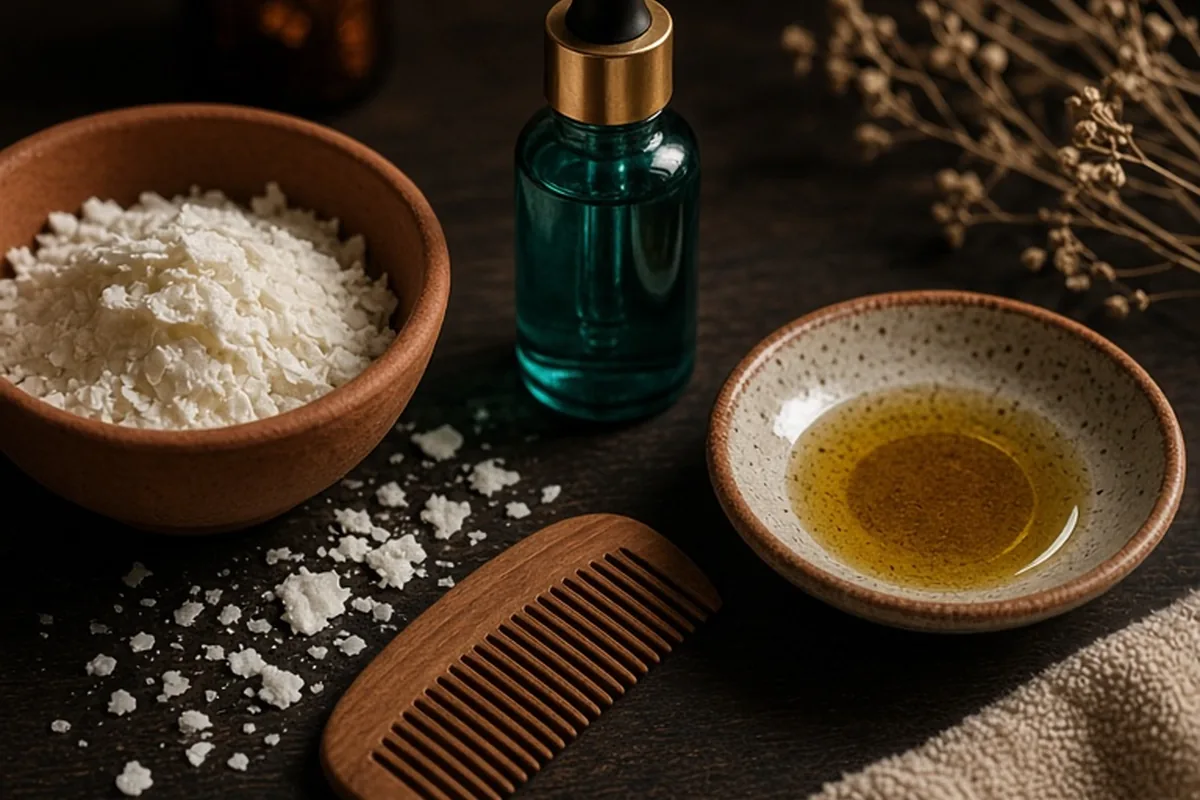
Most people should perform dedicated dry scalp care one to two times per week during regular wash days. If you have fine or straight hair washed frequently, apply a lightweight hydrating serum or soothing tonic two to three times weekly. For textured, curly, or coily hair washed less often, use targeted leave-in moisture every few days and a deeper scalp mask on wash day.
A healthy scalp provides the baseline environment for comfortable, manageable hair, but persistent tightness, flaking, or itchiness signals that your skin barrier needs intentional moisture. Determining how often to treat a dry scalp depends on your wash habits, hair texture, local climate, and the specific formulas you apply.
Matching Scalp Care Frequency to Your Hair Texture and Wash Schedule
Your natural hair texture and standard washing rhythm dictate how frequently your scalp can absorb topical moisture without accumulating heavy residue. Straight and fine hair textures typically distribute sebum down the hair shaft quickly, which often prompts washing every two to three days. For this hair profile, heavy oils or thick butters can coat the roots and attract environmental debris. Instead, opt for lightweight, water-based hydrators containing ingredients like hyaluronic acid, aloe vera juice, or glycerin applied directly after washing or on alternate days before styling.
Wavy, curly, and tightly coiled hair textures (Types 2 through 4) naturally retain sebum closer to the root because the curved structure of the strand slows sebum migration. Individuals with these hair patterns often wash once a week or every ten to fourteen days to protect the hair lengths from excessive moisture loss. In this scenario, dry scalp care should split into two distinct rhythms: an intensive hydrating treatment or scalp oiling session on wash day, paired with lightweight daily or every-other-day water-based misting or serum application along exposed parts to maintain skin elasticity between cleanses.
Chemical treatments such as permanent hair color, bleaching, keratin smoothing, or chemical relaxing also shift your routine requirements. Bleach and chemical straighteners can temporarily disrupt the acid mantle and lipid barrier of the scalp, creating acute dryness that feels tight immediately after salon services. If your scalp feels sensitive post-chemical processing, keep mechanical stimulation minimal and use a calming, fragrance-free scalp lotion once or twice a week until the barrier stabilizes, avoiding harsh scrubs entirely during active irritation.
Structuring a Weekly Cadence for Exfoliating, Cleansing, and Moisturizing
A complete scalp routine balances three fundamental actions: clearing away dead skin cells, cleansing without stripping natural lipids, and delivering topical hydration. Performing every step every day is a recipe for irritation, so organizing them into a distinct weekly schedule prevents both barrier damage and product congestion. Physical or chemical exfoliation should generally occur no more than once a week, or once every two weeks for sensitive skin. Chemical exfoliants utilizing mild concentrations of lactic acid, salicylic acid, or gluconolactone gently dissolve cellular bonds without the friction that physical scrubs create.
Cleansing frequency must align with your lifestyle, activity level, and product use. When washing, prioritize sulfate-free or amphoteric surfactant shampoos that clean the scalp surface while preserving natural moisture. Lather the product between your hands before placing it against the scalp, using the pads of your fingers in circular motions rather than your fingernails. If you work out heavily or sweat daily, rinse thoroughly with warm water and apply a light conditioner to your ends rather than shampooing with a clarifying formula every single day, which tends to exacerbate skin dehydration.
Topical hydration represents the step that can occur most frequently. Water-based scalp toners, peptide serums, and humectant solutions can be applied two to four times weekly, or even daily if the formula is non-greasy and evaporates cleanly. Reserve richer emollients, such as jojoba oil, squalane, or targeted conditioning creams, for pre-shampoo treatments or very light post-wash sealing along parted sections. Overapplying thick oils without adequate cleansing traps dead cells and creates an environment where natural skin yeasts can proliferate.
Telling the Difference Between a Dry Scalp and Seborrheic Dermatitis
One of the most common pitfalls in scalp care is treating an inflammatory condition as basic dryness. While both conditions cause flaking and discomfort, their underlying biology and required frequencies of care differ substantially. A truly dry scalp results from insufficient hydration or lipid barrier depletion, often characterized by small, white, powdery flakes, general skin tightness, and a lack of excess oil on the face and body. This state responds well to humectants, mild cleansers, and hydrating lotions applied consistently over two to three weeks.
Seborrheic dermatitis and traditional dandruff, by contrast, involve an overgrowth of Malassezia yeast feeding on scalp sebum, triggering inflammation, accelerated skin cell turnover, and larger, yellowish, greasy flakes that cling to the hair shaft and scalp surface. If you attempt to treat seborrheic dermatitis with frequent oiling or by skipping shampoo sessions to preserve moisture, you provide more lipid fuel for the yeast, which worsens redness and scaling. In cases of active dandruff, washing two to three times a week with targeted medicated cleansers containing zinc pyrithione, ketoconazole, or selenium sulfide is necessary to manage fungal balance.
If you are uncertain which issue you are facing, evaluate how your scalp responds to a light hydrating serum over the course of seven to ten days. If the tightness softens and flaking diminishes, simple dryness was the likely culprit. If scaling thickens, itchiness intensifies, or localized pink patches develop around your hairline or behind your ears, scale back rich products, switch to an anti-dandruff shampoo twice weekly, and monitor whether the flakes clear with proper antimicrobial cleansing.
Applying Leave-In Toners, Serums, and Oils Without Causing Buildup
The technique and formulation you choose for delivering moisture determine how clean and comfortable your scalp remains between washes. Liquid toners and watery serums formulated with panthenol, niacinamide, and humectants are ideal for regular use because they absorb rapidly without leaving a greasy film. To apply these products effectively, part your hair into four to six sections using a wide-tooth comb or your fingers, dispense small drops directly along the exposed scalp line, and press gently with your fingertips to disperse the liquid evenly.
Plant-derived oils and lipid blends require a more conservative approach. While oils like argan, jojoba, and squalane mimic natural sebum components, they function primarily as occlusives rather than hydrators. An occlusive prevents water from evaporating, but it cannot introduce water to dehydrated tissue on its own. For maximum benefit, apply a water-based tonic or damp towel to the scalp first, then apply a tiny amount of oil (two to four drops for the entire head) to seal in the moisture. Alternatively, use oils as a pre-wash treatment applied twenty minutes before shampooing to cushion the scalp against surfactant-induced stripping.
Avoid applying standard rinse-out hair conditioners directly to the scalp surface unless the product is specifically formulated and labeled as a scalp-safe masque. Heavy conditioning agents, silicones, and quaternary ammonium compounds designed to smooth the hair cuticle can leave persistent residues on the scalp skin, blocking follicles and contributing to dullness, itchiness, and poor product absorption over time.
Adjusting Care Routines for Seasonal Shifts and Environmental Changes
External humidity, indoor artificial heating, and sun exposure significantly influence how quickly your scalp loses moisture throughout the year. During winter months, cold outdoor air combined with dry indoor heating dramatically lowers ambient humidity, speeding up transepidermal water loss from the scalp skin. During this period, increasing your hydrating serum applications from once a week to three times a week helps counteract environmental drying. You may also benefit from running a cool-mist humidifier in your sleeping area to maintain ambient air moisture.
In summer or high-humidity climates, sweat and sebum production increase, while exposure to chlorinated pools, ocean saltwater, and ultraviolet radiation can stress the scalp barrier. While you might feel the urge to shampoo more frequently to remove sweat, doing so with harsh formulas can cause rebound dryness. In warm weather, rinse your scalp thoroughly with clean water immediately after swimming or heavy workouts, apply lightweight antioxidant-rich soothing toners twice a week, and wear a breathable hat or UV-protective hair mist during extended outdoor exposure.
Water hardness in your home is another critical environmental factor. Hard water contains high concentrations of calcium and magnesium minerals that bind to shampoo surfactants, forming a film that is difficult to rinse away. This residue can leave the scalp feeling dry, itchy, and simultaneously coated. If you live in an area with hard municipal water, using an installed shower filter or introducing a gentle chelating rinse once every two to three weeks can remove mineral accumulation and allow your hydrating treatments to penetrate properly.
Recognizing Warning Signs That Require Professional Dermatological Care
While routine dryness generally improves within two to four weeks of consistent, balanced care, certain symptoms indicate an underlying dermatological condition requiring clinical assessment. Persistent scaling accompanied by thick, silvery plaques may indicate scalp psoriasis, an autoimmune condition that requires specific prescription topicals rather than over-the-counter moisturizers. Similarly, intense nighttime itching, visible sores, pustules around hair follicles, or patches of sudden hair shedding require prompt medical evaluation.
Before scheduling an appointment with a board-certified dermatologist, keep a brief written log of your current wash cadence, the specific products you have used over the last month, and any changes in your symptoms. Avoid introducing new essential oils, concentrated scrubs, or home remedies right before your visit, as these can obscure the baseline appearance of the skin and make accurate clinical diagnosis more difficult. A specialist can perform a physical examination, potentially take a small scraping or biopsy if needed, and prescribe targeted topical therapies to restore long-term scalp health.
Frequently asked questions
Can I apply scalp oil every single day for dryness?
Daily oiling is generally not recommended because heavy oils can accumulate on the scalp, trap dead skin cells, and disrupt the natural skin microbiome. If your scalp feels tight daily, use a lightweight, oil-free hydrating serum with humectants, and limit pure oils to one or two times weekly before or right after washing.
Should I wash my hair more or less often if my scalp is dry?
Adjust your frequency based on the cause of your dryness. If you currently wash daily with a strong clarifying shampoo, scaling back to every two to three days with a gentle, sulfate-free cleanser will help preserve your lipid barrier. However, avoid going several weeks without cleansing, as regular washing is essential to remove environmental buildup and hydrate the skin.
How long does it take for a dry scalp routine to show results?
Most people notice improved comfort and reduced tightness within one to two weeks of consistent, gentle hydration. Noticeable reductions in flaking typically take about three to four weeks, which matches the natural turnover cycle of scalp skin cells.
Your next step
Evaluate your scalp texture and current wash cadence today, then select one lightweight humectant serum to apply directly to your roots twice a week after cleansing.