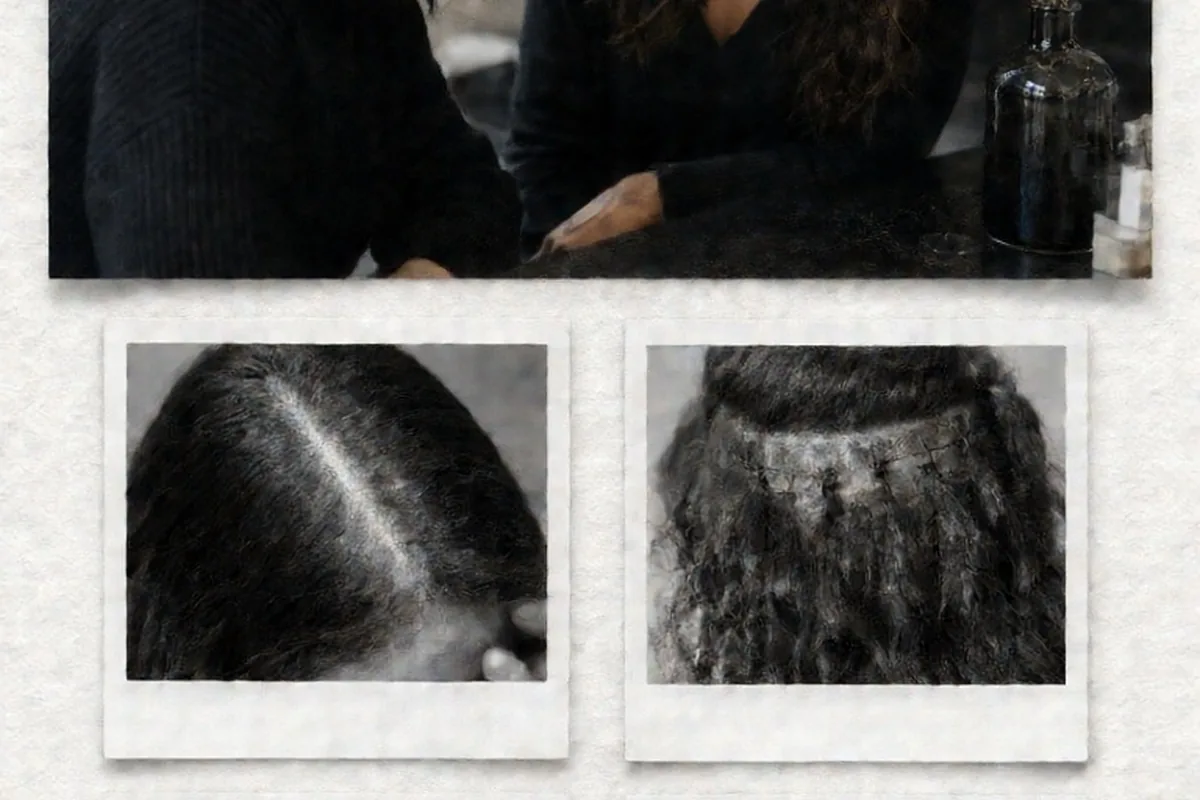
You should book a comprehensive hair extensions consultation before every first-time installation, whenever you switch extension methods, and whenever your natural hair undergoes major color, chemical, or density changes. For regular wearers, a brief reassessment occurs during routine maintenance appointments every six to ten weeks, while a full formal consultation is best repeated annually or after significant hair and scalp health shifts.
Hair extensions require an ongoing partnership between your natural hair growth and the attachment method supporting the added weight. Knowing when to step back into the salon chair for an in-depth evaluation protects your natural density, prevents traction damage, and keeps your styling routine seamless.
Initial Consultations Compared to Ongoing Maintenance Check-Ins
A foundational hair extensions consultation is a dedicated, standalone appointment where a certified stylist evaluates your scalp, hair density, elasticity, lifestyle, and aesthetic goals before any hair is ordered or installed. This visit sets the baseline for your hair journey. The stylist analyzes whether your natural strands can safely support the physical weight of specific attachment methods, calculates the exact grams or packs of hair required, and performs precise color matching under natural and artificial light. Skipping this initial step frequently leads to mismatched textures, improper weight distribution, and premature slippage.
In contrast, ongoing maintenance appointments serve as mini-evaluations built into your regular wear schedule. During a routine re-tabbing, move-up, or tightening service, your stylist checks the health of the scalp along the parting lines and assesses shedding at the attachment points. However, routine appointments focus primarily on repositioning the existing extensions rather than rethinking the overall strategy. If you notice persistent discomfort, significant natural hair growth, or lifestyle changes such as a new workout routine, requesting a dedicated re-consultation ensures your stylist has the necessary time to reassess your overall hair health rather than rushing through a standard adjustment.
Physical Signs Your Scalp and Natural Hair Need an Immediate Re-Evaluation
Your scalp and natural strands provide direct signals when an extension method is no longer serving your hair health. Persistent tenderness, localized itching, redness, or visible bumps along the attachment rows indicate excessive tension or an adverse reaction to adhesive tapes, beads, or bonding polymers. While minor sensitivity can occur for the first twenty-four to forty-eight hours after a fresh install, ongoing soreness is never normal and warrants an immediate diagnostic consultation before mechanical traction damages the follicle.
Another clear indicator for an unscheduled consultation is visible matting, webbing, or slippage near the roots. As your natural hair sheds its typical daily volume, those shed strands remain trapped within the attachment zone. If left unchecked or if your hair has outgrown its structural support zone, the trapped hair can twist around neighboring strands, forming dense knots that compromise natural density. If you observe thinning around your hairline, notice that the bonds are twisting, or feel that the weight of the extensions pulls excessively when styled into an updo, book a consultation immediately to modify the placement or reduce the overall weight.
Aligning Extension Consultations with Seasonal and Chemical Transitions
Environmental shifts significantly alter the behavior of both natural hair and extension hair. As seasons transition from humid summer months to dry, heated winter environments, your scalp sebum production, hair moisture retention, and styling habits naturally fluctuate. A semi-annual consultation allows your stylist to adjust your extension care regimen, recommend moisture-balancing treatments, or alter the installation perimeter to accommodate seasonal shedding cycles and outdoor activity levels.
Chemical services such as bleaching, dimensional lightening, permanent hair coloring, and smoothing treatments also necessitate a coordinated extension consultation. Because natural hair porosity and diameter often change after chemical processing, your extensions may no longer blend seamlessly in tone or texture. Installing extensions on freshly lightened hair without a pre-service elasticity assessment increases the risk of strand breakage at the anchor points. Booking a consultation prior to any major color change allows the technician to formulate a realistic schedule for color-matching wefts, adjusting base tones, and ensuring your natural hair retains the structural integrity needed to support added hair.
Re-Evaluation Schedules for Specific Hair Extension Methods
Different extension methods impose varying degrees of mechanical tension and have distinct operational lifespans, dictating how frequently you should re-evaluate your setup with a professional. Tape-in extensions, for example, distribute weight across wide tabs but require thorough scalp and adhesive reviews every six to eight weeks during re-application. Over time, the natural hair within the tape sandwich can thin out from daily styling, making a formal method review necessary every six months to verify that the sectioning remains dense enough to support the adhesive strips.
Individual strand methods like keratin hot-fusion bonds, cold-fusion polymer bonds, and micro-bead I-tips generally stay in the hair for three to five months before complete removal. Because these methods remain in place longer without bi-weekly adjustments, booking a mid-cycle check-in around the six-to-eight-week mark allows your stylist to inspect root growth, detangle shed hairs, and isolate any compromised bonds. Sew-in wefts and hand-tied beaded rows distribute weight across curved tracks; these systems require track tightening every six to nine weeks and a comprehensive re-mapping consultation at least once a year to change the row placement and give previously stressed anchor zones time to rest.
Textured, Fine, and Chemically Processed Hair Reassessment Needs
Natural hair diameter, density, and curl pattern play decisive roles in how often you should schedule a consultation. Fine or low-density hair has a smaller cross-sectional area per strand, making it far more vulnerable to traction alopecia and mechanical stress. Clients with delicate or fine hair benefit from shorter intervals between consultations, typically reviewing placement and anchor points every six weeks. This ensures that the weight of the extension hair does not exceed the natural load-bearing capacity of the supporting strands.
Naturally textured, coily, and curly hair types experience natural shrinkage and distinct moisture dynamics that require specialized assessment cadences. When working with textured hair, a consultation must evaluate the curl pattern match, porosity differences between natural hair and extension hair, and how the anchor tracks respond to cleansing routines. Chemically relaxed, permed, or heat-trained hair requires regular monitoring at the demarcation line where new growth meets processed hair, as this boundary represents a structural weak point. A dedicated consultation before every re-installation helps prevent breakage along this fragile transition zone.
What a Comprehensive Hair Extensions Consultation Covers
A rigorous, professional consultation is an educational and diagnostic appointment designed to align client expectations with technical feasibility. During this session, the stylist conducts a tactile assessment of hair elasticity, tensile strength, and scalp mobility. They inspect the crown, nape, and hairline to identify potential areas of sensitivity or sparse growth where extensions should not be placed. The appointment also includes a discussion regarding daily habits, such as exercise frequency, swimming routines, sleep habits, and heat-styling tool usage, all of which directly influence which attachment system will deliver the best longevity.
Color and texture matching represent another major component of the consultation process. A skilled professional examines the dimensional highlights, lowlights, undertones, and movement of your natural hair in multiple lighting environments, often holding sample swatches directly against the mid-lengths and ends. Beyond aesthetic choices, the stylist outlines the complete financial and physical maintenance roadmap, detailing the required in-salon maintenance intervals, replacement hair costs, specialized home-care products, and proper brushing protocols. This ensures you have full transparency regarding the long-term commitment before making a financial investment.
Preparing for Your Hair Extension Consultation Appointment
Arriving prepared for your consultation allows the stylist to see your natural hair in its everyday, baseline state and make accurate recommendations. Wash and clarify your hair twenty-four hours prior to the appointment to remove heavy silicone residues, dry shampoos, or root-concealing powders, but avoid applying heavy leave-in oils or styling waxes that could artificially coat the cuticle. Allow your hair to dry naturally or style it as you typically do day-to-day so the professional can evaluate your genuine texture, volume, and natural parting habits.
Bring clear visual references of your desired length, fullness, and color placement, but remain open to professional modifications based on your hair's unique density. Prepare specific information regarding your recent chemical history, including box dyes, professional lighteners, keratin treatments, or medications that might influence hair shedding. Bringing a concise list of your current home-care products, including shampoos, conditioners, heat protectants, and brush types, enables the stylist to identify whether your existing routine supports extension maintenance or requires adjustments.
Budget Variables and Setting Up Long-Term Maintenance Schedules
The total investment in hair extensions involves both the initial procurement of human hair and the recurring labor costs associated with routine re-application, removal, and maintenance consultations. Pricing structures vary widely depending on the geographic region, stylist certification level, method complexity, and the origin and quality of the hair, such as single-drawn versus double-drawn Remy hair. During your initial consultation, request a detailed written estimate that separates the one-time cost of the raw hair from the recurring service fees for tightening, moving up rows, or replacing individual strands.
To protect both your financial investment and natural hair health, establish a clear calendar schedule during your consultation. Booking your maintenance check-ins several months in advance prevents you from wearing outgrown extensions past their safe structural window, which is the primary cause of severe matting and follicular stress. A reputable salon will provide clear policies on how they handle mid-cycle emergency checks, partial bond replacements, and eventual complete removals, ensuring you are never left without professional support throughout your wear cycle.
Frequently asked questions
Can I reuse my existing extension hair for a new installation consultation?
In many cases, high-quality human hair wefts, I-tips, or tape-ins can be re-installed across multiple cycles if the hair cuticle remains intact and well-maintained. During your consultation, your stylist will inspect the condition of the hair bonds, weft seams, and ends to determine whether the hair is healthy enough for another wear cycle or needs partial replacement.
How long does a typical hair extension consultation take?
A standard comprehensive consultation usually lasts between twenty and forty-five minutes. This provides adequate time for scalp analysis, hair elasticity testing, color and density matching, lifestyle evaluation, and a transparent review of maintenance schedules and pricing.
Should I color my natural hair before or after the extension consultation?
You should achieve your desired natural hair color before attending your final extension consultation. Because extensions are custom-ordered to match your exact shade, undertones, and dimension, changing your natural hair color after the consultation can lead to an unnatural blend and require costly color corrections on the extension hair.
What should I do if my extensions feel painful several days after an appointment?
If you experience throbbing, burning, severe itching, or visible scalp irritation more than forty-eight hours after an installation or tightening, contact your stylist immediately for an adjustment consultation. Extensions should feel secure but never intensely painful; lingering pain indicates excessive tension that must be corrected to protect your natural follicles.
Your next step
Examine your scalp and attachment zones in a bright mirror today, and if you notice significant new growth, persistent tension, or plan to change your hair color soon, contact your certified stylist to schedule a dedicated extension consultation.