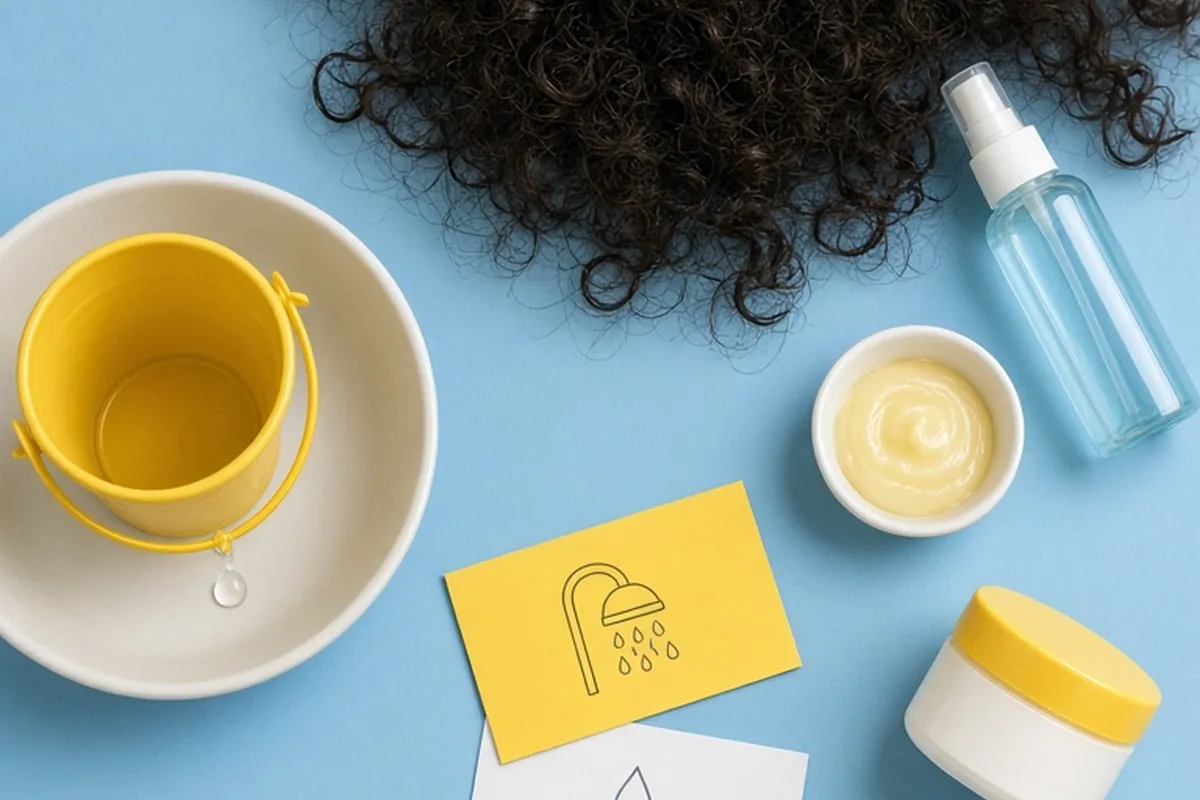
Treat high porosity hair with a full wash and deep conditioning routine once per week, accompanied by light daily or every-other-day moisture refreshing. Because raised cuticles absorb water quickly but lose it just as fast, incorporate a mild protein treatment every two to four weeks, clarify every three to four weeks to remove heavy sealing butters, and seal with rich emollients after every water-based application.
Managing high porosity hair often feels like trying to fill a bucket with a hole in the bottom. While your strands welcome moisture immediately, lifted cuticles and structural gaps allow that hydration to evaporate within hours, leaving your hair feeling brittle, dull, and prone to tangles. Creating an effective routine is not about washing your hair constantly, but about establishing a precise calendar that restores structural integrity, locks in hydration, and prevents product congestion.
Washing and Cleansing Cadence for Porous Strands
For most people with high porosity hair, full cleansing should take place once per week, or at most twice weekly for active lifestyles. Washing too frequently exposes porous hair to repeated cycles of wetting and drying, a process known as hygral fatigue. When water repeatedly enters damaged cuticles, the inner hair shaft expands dramatically and contracts during drying. Over time, this constant swelling weakens the hair cortex, causing premature snapping, fraying, and split ends.
When choosing how to cleanse on wash day, opt for a moisturizing, sulfate-free liquid shampoo or a rich conditioning wash. High porosity strands benefit from gentle cleansers that deposit conditioning agents while lifting surface debris, rather than harsh surfactants that strip away what little natural sebum clings to the shaft. If you exercise daily or sweat heavily, resist the temptation to run through a complete shampoo cycle every afternoon. Instead, rinse your scalp with lukewarm water or apply a botanical rinse to refresh your roots without stripping moisture from your vulnerable mid-lengths and ends.
Your cleansing technique also dictates how well your strands hold moisture afterward. Always section your hair before wetting it to minimize friction, and let the suds travel down the strands rather than scrubbing your ends in a circular motion. Scrubbing forces lifted cuticles further open, worsening porosity and tangling. Rinsing thoroughly with lukewarm water ensures scalp cleanliness while keeping the hair pliable for the intensive conditioning steps that follow.
Deep Conditioning High Porosity Hair Without Causing Hygral Fatigue
Deep conditioning should be performed every single wash day, which translates to a weekly or bi-weekly interval depending on your primary wash schedule. Standard rinse-out conditioners rarely provide the sustained slip, fatty alcohols, and substantive emollients needed to patch open cuticles. A rich deep treatment infused with ingredients like shea butter, avocado oil, and cetearyl alcohol fills the microscopic fissures along the hair fiber, restoring temporary softness and elasticity.
Application time requires careful moderation to prevent hygral fatigue. Leaving a deep conditioner on for twenty to thirty minutes allows sufficient heat and moisture transfer to soften the cortex. However, leaving deep conditioners on for multiple hours or sleeping with wet hair in a plastic cap oversaturates the hair fiber. Highly porous cuticles absorb water indiscriminately; leaving them saturated for prolonged periods breaks down internal hydrogen bonds and leaves hair feeling mushy, limp, and weak when dry.
Using indirect heat during your weekly conditioning session helps maximize product penetration without mechanical damage. Sitting under a hooded dryer, wearing a heated thermal cap, or wrapping a warm, damp towel over a shower cap warms the product, facilitating even distribution through the raised cuticles. Always finish your wash day with a cool water rinse, which helps smooth the cuticle layer flat against the shaft and locks in the lipid benefits of your mask.
Protein Treatment Frequency: Finding the Reconstructive Balance
Protein treatments are non-negotiable for high porosity hair, but their frequency must be tailored to the underlying cause of your porosity. If your porous texture is natural, a gentle reconstructive treatment containing hydrolyzed wheat, silk, or quinoa protein every three to four weeks provides sufficient reinforcement. If your high porosity stems from chemical processing, bleaching, or frequent heat styling, your hair has lost significant structural keratin, warranting a light protein treatment every two weeks or a targeted bond repair treatment monthly.
The objective of introducing protein is to temporarily fill the gaps in the damaged cuticle matrix, providing a smoother surface that retains water molecules more effectively. Without adequate protein, high porosity hair remains perpetually dry no matter how much oil or cream you apply, because there is no intact structural network to anchor that moisture. You will know your hair needs protein when it feels overly soft, stretches excessively when wet without springing back, or tangles uncontrollably during detangling.
Balance is critical, as excessive protein application results in protein overload. When high porosity strands receive too much protein without proportional hydration, the cuticle becomes rigid, coarse, and prone to sudden snapping under minimal tension. If your hair starts feeling stiff, straw-like, or sheds short, broken fragments after a treatment, extend your protein frequency to every six to eight weeks and focus entirely on emollient-based moisture treatments until elasticity returns.
Daily Hydration, Sealing, and Mid-Week Moisture Refreshing
Because water constantly escapes through raised cuticles, high porosity hair requires daily or every-other-day moisture maintenance between weekly wash days. Rather than soaking your hair completely, use a fine-mist continuous spray bottle filled with distilled water or an aloe-infused leave-in tonic to deliver light surface hydration. This dampens the hair just enough to reactivate styling products without causing the shaft swelling that accompanies a complete soak.
To keep that moisture locked inside, apply the liquid-oil-cream (LOC) or liquid-cream-oil (LCO) layering method every two to three days. Start with a water-based leave-in conditioner to rehydrate the inner core. Follow this immediately with a dense emollient cream that smooths down the cuticle layer. Finish with a heavy, occlusive sealing oil such as castor oil, olive oil, or argan oil. The oil creates an external lipid barrier, drastically slowing moisture evaporation and shielding your ends from dry indoor air and friction.
Pay special attention to your ends during daily maintenance, as they represent the oldest, most porous section of each strand. Smooth a dime-sized amount of butter or sealing pomade over the final two inches of hair each night before bedtime. Pairing this sealing step with a silk or satin bonnet, or sleeping on a satin pillowcase, prevents absorbent cotton fabrics from pulling out your daily moisture, cutting down on daytime dryness and preserving style definition.
Clarifying Schedules to Prevent Heavy Butter and Oil Buildup
Because high porosity regimens rely heavily on thick butters, sealing pomades, and dense leave-ins, clarifying must be scheduled once every three to four weeks. While it may seem counterintuitive to use a deep-cleaning formula on hair that is prone to dryness, failing to clarify leads to product buildup. Over time, residual heavy oils polymerize and form a waterproof barrier over the cuticle, preventing fresh water and hydrating conditioners from penetrating the hair shaft.
When buildup accumulates, your hair will present confusing symptoms: it will feel coated and greasy on the outside yet brittle and bone-dry on the inside. You might also notice that products that previously delivered excellent slip and definition now sit on the surface, flaking or leaving a white film. A dedicated clarifying shampoo containing gentle chelating agents clears these stubborn surface residues, clearing the path for fresh moisture.
To protect high porosity hair from the potential drying effects of a clarifying wash, always apply a pre-shampoo treatment thirty minutes prior to washing. Coat your mid-lengths and ends in coconut oil, olive oil, or an emollient pre-wash mask. The pre-wash penetrates into the porous spaces, reducing cuticle abrasion and water uptake while the clarifying surfactants dissolve scalp oils and product buildup on the surface.
Adjusting Routine Timing for Bleached, Color-Treated, or Heat-Styled Curls
If your high porosity hair is the result of chemical treatments or thermal tools, your care schedule must prioritize structural restoration more frequently than naturally porous hair. Chemical bleaching strips away the natural lipid coating (the F-layer) that shields the cuticle, leaving permanent perforations along the fiber. As a result, color-treated high porosity strands need deep conditioning with amino acids every single week, alongside a dedicated bond-building routine applied once every two weeks.
For those who routinely use heat tools like blow dryers, flat irons, or curling wands, protective measures must precede every styling session, and full-heat days should be spaced at least seven to ten days apart. High porosity hair has reduced thermal tolerance; heat breaks down remaining cuticle fragments quickly, accelerating split ends. Always apply a silicone- or polymer-based thermal protectant whenever applying warmth, as silicones create a smooth artificial coating that temporarily bridges broken cuticles and slows direct heat conduction.
Seasonal climate shifts also demand deliberate schedule adjustments. During humid summer months, high porosity hair pulls moisture out of the air, swelling into a frizzy, undefined cloud. Increase your use of film-forming anti-humectants like polyquaternium styling gels, flaxseed gel, or heavier butters once or twice weekly to seal the cuticle against ambient water vapor. In dry winter weather, step up your mid-week liquid refreshing to a daily schedule to combat moisture loss from dry indoor heating.
Frequently asked questions
Can I wash high porosity hair every day?
Washing high porosity hair every day is generally not recommended because frequent exposure to water causes hygral fatigue, weakening the hair shaft. Stick to washing once or twice weekly, and use light leave-in mists for daily refreshing instead.
How do I know if my high porosity hair has too much protein?
Signs of protein overload include strands that feel unusually stiff, brittle, or straw-like, along with hair that snaps easily when pulled gently. If this occurs, pause all protein treatments for four to six weeks and focus strictly on deep moisturizing masks.
Should high porosity hair always use heavy butters?
While heavy butters like shea and mango butter are excellent sealants for coarse high porosity hair, fine high porosity hair can easily be weighed down by them. If your strands are fine, choose lighter sealing oils like jojoba, argan, or sweet almond oil to lock in hydration without flattening your volume.
How often should I trim high porosity hair?
High porosity hair is more vulnerable to split ends traveling up the shaft, so schedule a maintenance trim every eight to twelve weeks. Regular dustings keep damaged ends from snagging healthy strands, making detangling faster and preserving overall length.
Your next step
Inspect your strands today: if your hair snaps easily or feels mushy when wet, schedule a weekly deep moisture mask, add a bi-weekly protein reconstructor, and apply a rich sealing oil every other evening.