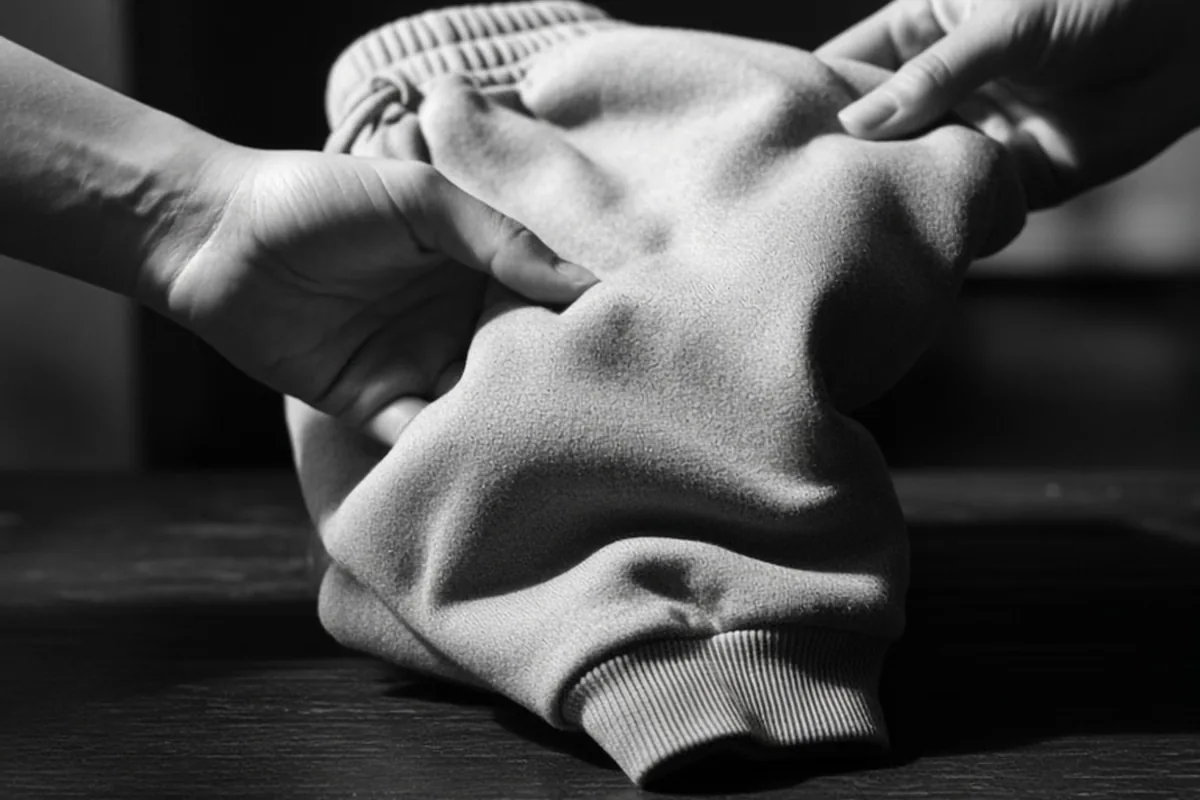
Women's joggers should sit comfortably at your natural waist or hips without digging in, skim lightly over the thighs and seat, and taper neatly down the calf to rest right at or slightly above your ankle bone. The fabric should allow effortless movement without sagging at the knees or bunching excessively around the cuffs.
Joggers have transitioned from basic gym gear into a versatile wardrobe staple suitable for travel, casual workdays, and weekend lounging. Finding the right fit requires balancing relaxed comfort with clean tailoring so your pants look intentional rather than sloppy.
The Waistband and Rise: Establishing the Fit Foundation
The waistband of a jogger sets the anchor point for the entire garment and determines how the fabric drapes through the hips and legs. A properly fitting waistband should rest flat against your skin without pinching, rolling over, or creating pressure marks. Whether you choose a high-rise, mid-rise, or low-rise silhouette, the band needs enough grip to stay in place when you walk or bend, but sufficient elasticity that you never feel restricted while seated.
Most women's joggers feature either an encased elastic band, an exposed ribbed knit, or an integrated drawstring. Drawstrings provide necessary adjustability, especially if you have a smaller waist relative to your hips, but they should not be doing all the structural work. If you have to cinch the cord tightly to prevent the pants from sliding down, the waist is too large and will create unflattering fabric bunching around your midsection.
When assessing the rise, look at how the front and back seams sit against your body. A rise that is too short will pull uncomfortably at the crotch seam, creating tension lines when you sit. Conversely, an overly long rise in a standard cut will create an accidental drop-crotch look that can shorten the appearance of your legs and feel heavy throughout the day.
- The waistband stays stationary when you transition from standing to sitting.
- You can slide two fingers flat beneath the band without encountering stiff resistance.
- The drawstring ties neatly without gathering thick clumps of excess fabric at the navel.
Seat and Thighs: Balancing Roominess and Structure
The area through the hips, glutes, and upper thighs defines the jogger silhouette and distinguishes it from both leggings and classic sweatpants. Unlike leggings, joggers should not cling tightly to every curve or stretch thin across the seat. At the same time, they should not mimic traditional baggy sweatpants that billow with excess bulk. The fabric should skim smoothly over your hips, leaving a small buffer of breathing room that preserves ease of motion.
To test the seat and thigh fit, stand in front of a mirror and check for pulling across the front hips. Horizontal tension creases radiating from the crotch indicate that the pants are too tight across the pelvis. If the fabric pulls tight across your quads or glutes when standing upright, the garment will restrict your range of motion and cause the waistband to slide down every time you take a step.
A well-proportioned jogger allows you to squat, lunge, or climb stairs without feeling the fabric seize around your upper legs. You should see a clean, relaxed drape down the back of your thighs that gently hints at your body shape without hugging it like compression wear.
Inseam Length and Ankle Cuffs: Achieving the Ideal Taper
The tapered leg ending in an elastic or ribbed cuff is the hallmark of the jogger design. The inseam length should allow the leg to narrow cleanly from the knee to the ankle without pooling in stacks of fabric above the cuff. In a standard full-length jogger, the cuff should land right at the top of the ankle bone or rest comfortably about one to two inches above your footwear.
The tightness of the ankle cuff is equally important for comfort and aesthetics. The cuff should gently grip the lower leg to hold the taper in place, but it must never dig into your skin, leave deep indentations, or cut off circulation. When you walk, the cuff should stay anchored rather than riding progressively up your calf with each stride.
If you are taller than average, watch out for joggers that hit mid-calf, which can disrupt your proportions and feel like unintentional capris. If you are petite, excess inseam length will create heavy puddling over the cuffs, giving the pants an untidy appearance. Selecting specialized petite or tall inseams ensures the taper begins at the actual knee rather than lower down the shin.
Fit Variations by Purpose: Athletic, Lounge, and Tailored
How a jogger should fit depends significantly on what you plan to do while wearing it. Athletic and running joggers prioritize aerodynamics, moisture management, and secure positioning. These styles typically feature a slimmer, closer cut through the calf and thigh, using performance synthetics with four-way stretch to prevent excess fabric from flapping or creating friction during workouts.
Lounge and fleece joggers prioritize thermal comfort and relaxed ease. Made from heavy cotton fleece or brushed French terry, these styles feature a slightly more generous cut through the seat and thighs. While they are intentionally roomier, they should still maintain an identifiable taper toward the ankle to avoid looking like oversized pajama bottoms.
Tailored or smart-casual joggers are designed to replace chinos or slacks in contemporary casual wardrobes. These are typically cut from woven fabrics like stretch twill, linen, or technical ponte knit. A tailored jogger should fit similarly to a slim-fit trouser through the waist and hips, featuring subtle pleats, flat front waistbands, and understated cuffs that pair seamlessly with loafers, clean leather sneakers, or ankle boots.
Fabric Selection and Its Effect on Sizing and Drape
The material composition of your joggers changes how the garment hangs, stretches, and recovers over time. Heavyweight cotton blends and fleece provide warmth and hold a structured shape, but they offer minimal elastic recovery. When buying pure cotton or thick fleece joggers, ensure you have enough initial room in the knees and hips, as the fabric will not stretch infinitely with movement.
Performance fabrics made from nylon, polyester, and elastane blends provide high stretch and immediate bounce-back. These technical materials can be worn in a more body-skimming cut because the elastane accommodates bending and flexing without losing its original shape. However, if a synthetic jogger is sized too small, the fabric can become sheer when stretched across the hips under bright light.
Lightweight woven fabrics such as Tencel, modal, and linen drape close to the skin and flow with movement. Because woven fabrics lack the inherent springiness of knit jerseys, they require a relaxed fit to prevent strain on the seams. When selecting lightweight woven joggers, sizing up slightly provides an elegant, fluid drape that keeps you cool and comfortable.
Troubleshooting Common Fit Mistakes
One frequent fit issue with women's joggers is bagging out at the knees, commonly called knee bags. This happens when the leg is cut too tight around the knee or when the fabric lacks adequate elastane recovery, causing the fibers to stretch out permanently after prolonged sitting. Choosing a cut with a slightly looser knee or a fabric containing at least three to five percent spandex helps maintain a crisp line throughout the day.
Another common mistake is confusing an intentional relaxed cut with buying an oversized garment. Sizing up in standard joggers to gain thigh room often results in an overly wide waistband, excess fabric pooling around the crotch, and ankle cuffs that gap open. If standard cuts feel tight across the hips while fitting the waist, look for relaxed-taper or athletic-fit cuts rather than merely increasing your size.
Finally, pay attention to pocket placement and construction. Deep slash pockets or cargo pockets add functional utility, but if the jogger is too tight across the hips, those pockets will flare open and disrupt the smooth silhouette of your hips. Pockets should lie completely flat against the sides of your legs when you stand naturally.
- Side pockets stay flat and flush rather than gaping or flaring outward.
- The knee area retains its shape after you stand up from a seated position.
- The crotch seam rests cleanly without creating excess sagging or binding tension.
How to Test Jogger Fit Before Buying
Trying on joggers requires more dynamic movement than testing a rigid pair of jeans. When you step into a fitting room or try on a new pair at home, perform a few practical movement checks before removing the tags. Begin by taking several normal walking strides, then raise your knees toward your chest to check thigh mobility and rise stability.
Next, sit down in a firm chair and observe where the waistband and cuffs settle. The waistband should stay securely across your lower back without sliding down to expose skin or undergarments. The ankle cuffs will naturally rise slightly when your knees are bent, but they should settle back down cleanly around your ankle bone when you stand back up without requiring manual readjustment.
Lastly, check the view from behind in a full-length mirror. Ensure the fabric drops smoothly over the seat without wedging between the glutes or creating heavy horizontal folds under the seat. A balanced silhouette looks cohesive from every angle and feels unnoticeable on your body as you move.
Frequently asked questions
Should women's joggers fit tight like leggings or loose like sweatpants?
Joggers should strike a middle ground between leggings and sweatpants. They should skim your hips and thighs with a relaxed drape while tapering down to a slim, fitted ankle cuff.
Where should the ankle cuff of a jogger sit on the leg?
The ankle cuff should rest right at the top of your ankle bone or roughly one to two inches above it. It should grip lightly without squeezing your calf or dragging over your shoes.
Why do my joggers keep falling down when I walk?
Joggers slide down when the waistband is too loose or the rise is too short for your torso. If you must pull the drawstring uncomfortably tight to keep them up, try sizing down or choosing a higher-rise cut.
Can joggers be styled for a business-casual office?
Yes, tailored joggers made from woven fabrics, ponte, or twill can work in business-casual settings. Pair a slim, dark-neutral jogger with a structured blazer, a tucked blouse, and tailored loafers or flats.
Your next step
To find your best jogger fit, measure your natural waist, hips, and inseam, then choose a pair that allows full range of motion while maintaining a clean taper from knee to ankle.